Share on Facebook
 Share on X
 Share by Email
 Share on Google Classroom
Lake Champlain is a large freshwater lake that borders New York and Vermont, with its northernmost tip in Quebec. It was named by Samuel de Champlain in 1609. Lake Champlain acted as a boundary between Indigenous nations and was used as an invasion route by war parties. During the colonial period, the lake was used by French and British forces, who established fortifications along its shores (see Seven Years’ War). It was also a route for British and American forces during the American Revolution and the War of 1812 and was the site of the Battle of Valcour Island in 1776 and the Battle of Plattsburgh in 1814.
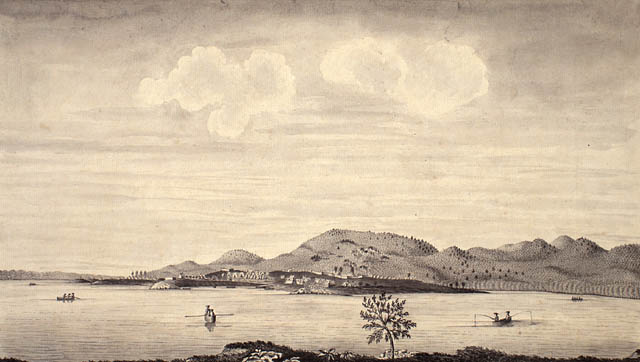
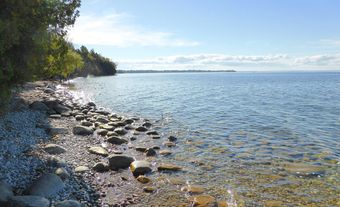
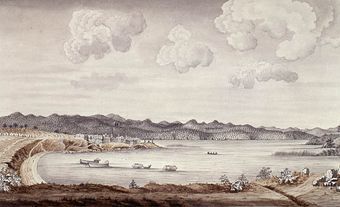
Lake Champlain (or Lac Champlain), 1,269 km2, lies mostly in the United States (New York and Vermont); only the northernmost tip lies in Canada. The lake is long (201 km) and narrow (0.8 to 23 km wide) and is interspersed with numerous islands.
Together with the Richelieu River, which drains the lake northward to the St Lawrence River, Lake Champlain provided a convenient invasion route through the Adirondack and Green Mountains, which otherwise isolate the St Lawrence Lowland.

History
The lake route was used by war parties of contesting Indigenous groups. Samuel de Champlain named it for himself in 1609 while accompanying a Montagnais war party against the Haudenosaunee (Iroquois). The Abenaki called the lake Pitawbagok, which means "middle lake" or "double lake."
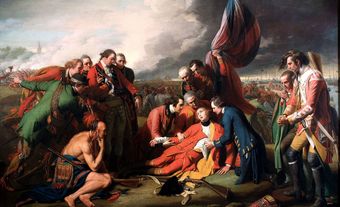
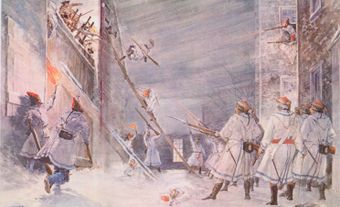
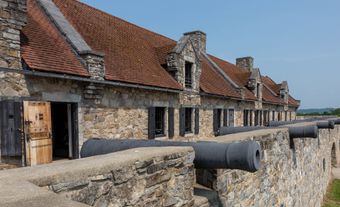
Little settlement took place in the area in the time of New France, but French fortifications were established at Fort St-Frédéric (later Crown Point) in 1725–26 and Fort Carillon (later Fort Ticonderoga) in 1755. The British suffered some 2,000 casualties in an ill-conceived assault on Carillon (1758), but Louis-Joseph de Montcalm evacuated the forts, and the British pressed northward into Canada (see Seven Years' War).
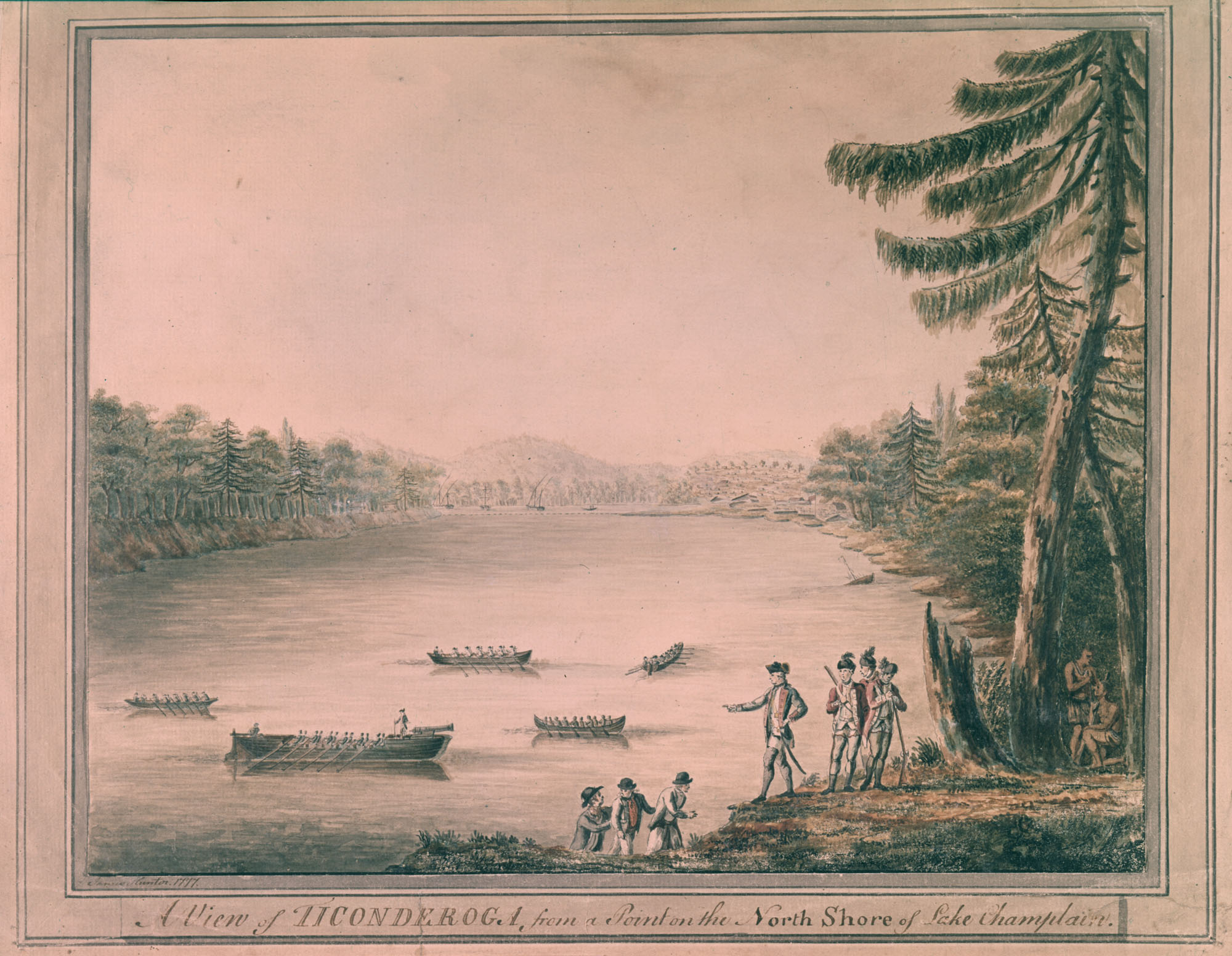
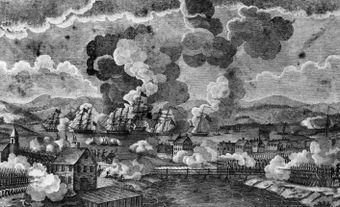
The same invasion route was followed by the Americans during the American Revolution and in a British counterattack southward. Lake Champlain was the site of the Battle of Valcour Island (1776), during which British ships defeated the American fleet under Benedict Arnold. During the War of 1812, a British strike against the US was thwarted when the British fleet was destroyed at Plattsburg, NY.
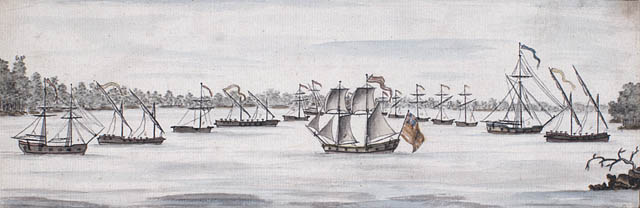
In more peaceful times, the lake was used as a transportation route. When frozen, it made for fast travel by sleigh in winter. Steamboats were plying the lake by 1810. Canada's first railway, the Champlain and St Lawrence Railroad, was built to connect Montreal with the lake (1836), which in turn was linked to the Hudson River, providing a connection to New York. Today, the lake is popular for fishing and boating.