Indian Act
The Indian Act is the federal government’s primary law related to Indian Status, First Nations governance and control of reserve lands. It also outlines obligations the federal government has towards people registered as Status Indians. Though introduced in 1876, the Indian Act was a continuation of previous colonial policies, including the Gradual Civilization Act of 1857 and the Gradual Enfranchisement Act of 1869. The Indian Act has been amended and revised significantly since 1876, including a major revision in 1951. This collection brings together resources on The Canadian Encyclopedia related to the Indian Act, including articles, timelines, education guides, quizzes and videos. For other collections about Indigenous peoples, see First Nations, Indigenous Treaties in Canada and Indigenous Peoples.

Featured Articles
Indian Agents in Canada
Article
Peasant Farm Policy
Article
Indian Act
Article
Indian Status
Article
The White Paper, 1969
Article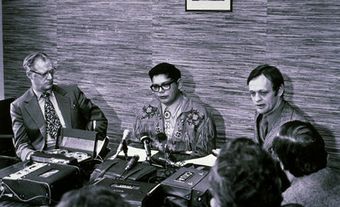
Gradual Civilization Act
Article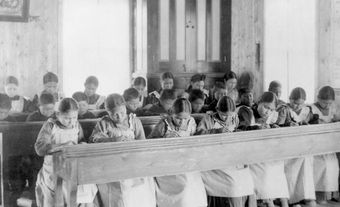
Pass System in Canada
Article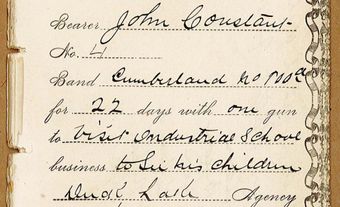
Gradual Enfranchisement Act
Article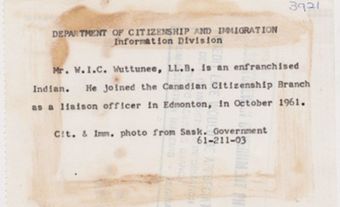
Potlatch Ban
Article
Bill C-31
Article
Timelines

Indigenous Suffrage
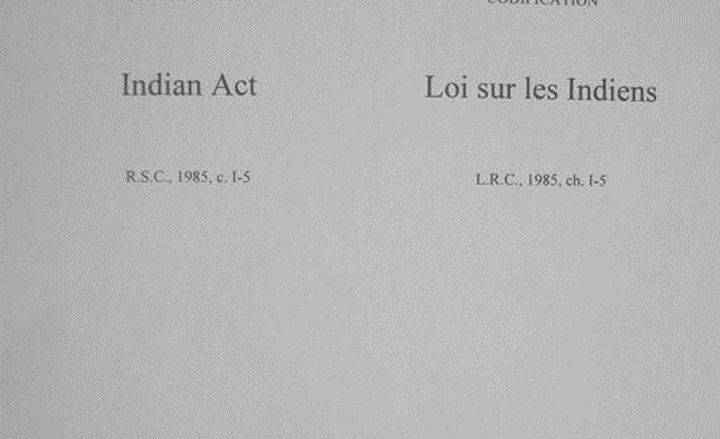
The Indian Act
The Indian Act is the principal law through which the federal government administers Indian status, local First Nations governments and the management of reserve land and communal monies. The Indian Act does not include Métis or Inuit peoples. The Act came into power on 12 April 1876. It consolidated a number of earlier colonial laws that sought to control and assimilate Indigenous peoples into Euro-Canadian culture. The Indian Act has been amended many times over the years to do away with restrictive and oppressive laws. However, the Act has had historic and ongoing impacts on First Nations cultures, economies, politics and communities. It has also caused inter-generational trauma, particularly with regards to residential schools.
Education Guides
Indigenous Perspectives Education Guide
Education Guide
Quizzes
Indigenous Peoples
Quiz