Share on Facebook
 Share on X
 Share by Email
 Share on Google Classroom
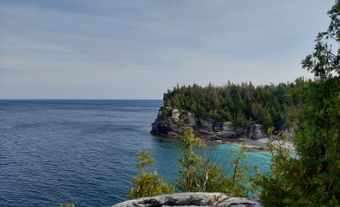
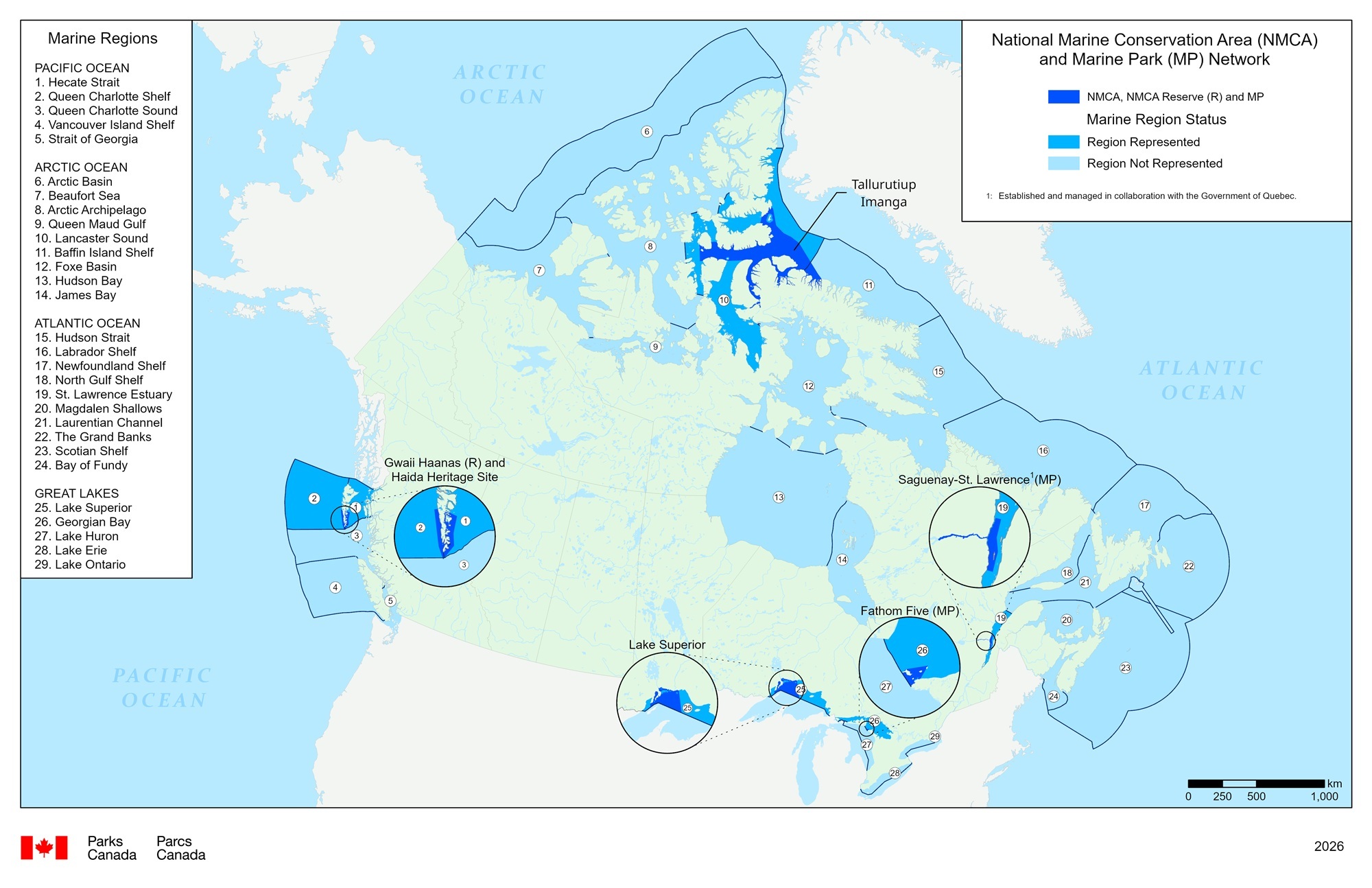
Tallurutiup Imanga National Marine Conservation Area (NMCA) is the largest body of protected waters in Canada. It covers approximately 108,000 km2 in the Canadian Arctic and contributed 1.9 per cent of Canada’s target to protect 10 per cent of its marine and coastal areas by 2020. Later, this goal was expanded with the goal of protecting 30 per cent of Canada’s land, inland waters and ocean areas by 2030 (see Protected Areas of Canada). The NMCA was established in 2019, from the Inuit Impact and Benefits Agreement that was signed by the Government of Canada and the Qikiqtani Inuit Association. This area is considered one of the most ecologically significant areas in the world.
Natural History
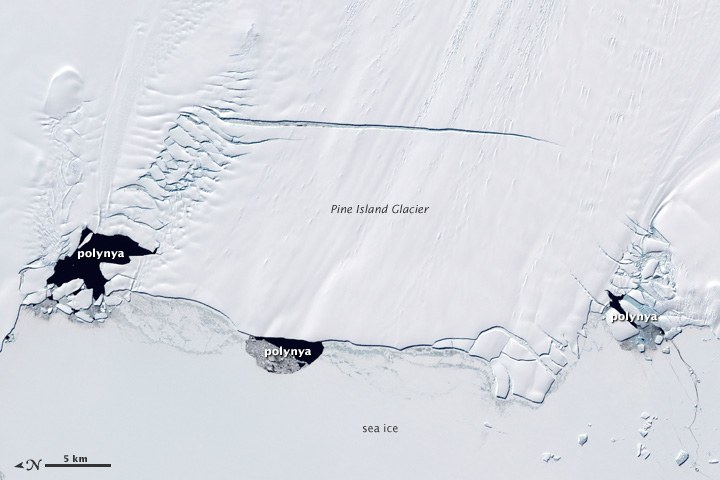
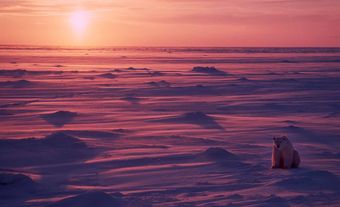
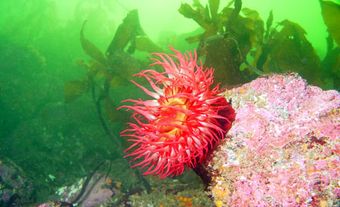
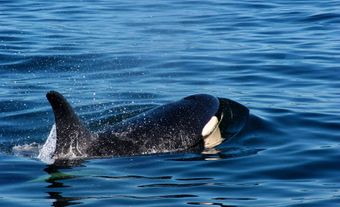
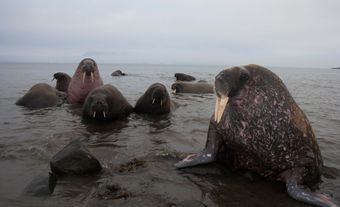
This NMCA covers territory that plays an important role in the marine ecosystem of the Canadian Arctic. It covers an important east-west migratory corridor, linking wintering and summering areas from Baffin Bay to the Arctic Archipelago, providing essential territory for the many migratory species that reside in the area. The presence of polynyas (large areas of open water surrounded by sea ice) attracts many marine birds and mammals to the area in the spring. As one of the most significant ecological areas in the world, Tallurutiup Imanga National Marine Conservation Area provides critical habitat for polar bears, walrus, seals, narwhals, bowhead and beluga whales as well as many species of seabirds.

Human History
Some of the earliest human use of the area was by the Dorset and Early Inuit cultures, that are estimated to have used sites as early as 500 BCE. The communities surrounding Tallurutiup Imanga have been sustained for generations as the area connects them and allows for travel throughout the High Arctic. It is a site of international recognition by first being acknowledged as worthy of World Heritage Site status by the International Union for the Conservation of Nature (IUCN) in the 1980s. Since then, Tallurutiup Imanga has been identified as a Super Ecologically and Biologically Significant Area for the Arctic by the IUCN and the Natural Resource Defense Fund in 2010, and as an area of heightened ecological importance by the Arctic Council in 2013. It was also recognized as a potential Arctic marine World Heritage Site by the IUCN, Natural Resource Defense Fund and the Marine World Heritage Program of UNESCO in 2016. In 2019, it was officially established as a National Marine Conservation Area, and the use of Inuit traditional knowledge has been incorporated into the management of the area.