Share on Facebook
 Share on X
 Share by Email
 Share on Google Classroom
Canada’s marine protected areas (MPAs) aim to conserve marine ecosystems and their inhabitants in all three oceans surrounding Canada. Administered by the Department of Fisheries and Oceans, there are 16 Oceans Act marine protected areas in Canadian waters, covering 600,000 km2 or 10 per cent of maritime and coastal regions. The Government of Canada is currently committed to participating in protecting 30 per cent of the world’s oceans by 2030, after signing the Kunming-Montreal Global Biodiversity Framework and joining the Global Ocean Alliance and the High Ambition Coalition for Nature and People. Marine protected areas have various conservation goals, which are specific to each protected area. Not only do these protected areas strive to conserve the natural environment, but their management also aims to support the economic goals of the region and contribute to preserving and highlighting Canadian culture.
Definition
Marine protected areas, or MPAs, are areas of the open ocean or coast that are legally protected and are managed for the protection and long-term conservation of the natural environment. According to the International Union for Conservation of Nature, for an area to qualify as an MPA, it must be “a clearly defined geographical space, recognized, dedicated and managed, through legal or other effective means, to achieve the long-term conservation of nature with associated ecosystem services and cultural values.” Canadian MPAs are regulated under the Marine Protected Area Protection Standard, which advises which activities should be prohibited in each MPA in order to safeguard the areas in need of protection from harmful industrial activities.
In Canada, MPAs are distinguished by their conservation goals and the level of protection in each area. Certain MPAs allow industrial and recreational activities such as bottom trawling and fishing, depending on the environmental impacts of these activities and the MPA's conservation goals. These MPAs are designated as Multiple Use MPAs. Other MPAs are completely closed to human activities, defined as Strict Nature Reserves or No-Access MPAs, and are fully protected, while some MPAs fall in the middle, such as No-Impact MPAs and No-Take MPAs. On 25 April 2019, Canada banned all oil and gas activities, mining, dumping and bottom trawling in all newly designated MPAs. All previous Multiple Use MPAs remain; however, all new MPAs are protected in ways that align more directly with their conservation goals. Additionally, MPA protection can vary on a temporal scale: some MPAs are protected year-round, whereas others offer seasonal protection. This short-term protection is to protect spawning and nesting sites during the appropriate season, as well as offer buffering for sensitive areas that seasonal human activities may threaten at specific times of the year.
Did you know?
Marine Protected Areas (MPAs) and National Marine Conservation Areas (NMCAs) are not the same thing. Fisheries and Oceans Canada manages Canada’s 16 MPAs under the Oceans Act, which cover about 600,000 km². Parks Canada manages Canada’s five NMCAs, which encompass both marine and freshwater environments, totalling about 123,500 km². National Wildlife Areas, Migratory Bird Sanctuaries, National Parks, and provincial protected areas may also have marine or aquatic portions.
MPAs are established by Fisheries and Oceans Canada, which designates the areas and the conservation goals for each MPA. These areas are managed in a manner that also supports the economic goals of society, since healthy ecosystems can support sustainable industries, local economies and coastal communities. The MPA network strategy highlights the importance of ocean conservation so that ocean users may better understand their access to marine resources and the potential restrictions they may face. Additionally, marine protected areas contribute to Canadian culture by protecting sites of spiritual or cultural heritage value as well as promoting public awareness of conservation efforts through regulated recreation and tourism.
History
Since time immemorial, Indigenous people have stewarded the lands and waters in what is now called Canada, taking care of and preserving the seascapes. As industrial activities at sea increased over the past centuries, the ocean and its inhabitants have become threatened by overfishing, pollution and global climate change, among other threats. In 1982, the United Nations Convention on the Law of the Sea (UNCLOS) was finalized, with Canada playing a leading role in the drafting. This convention requires that all signatory states protect and preserve the marine environment and became legally binding in 1994. In 1997, Canada brought the Oceans Act into legislation, which mandated the development and implementation of a system of MPAs in Canadian waters. In 2003, the first Canadian marine protected area was designated, the Endeavour Hydrothermal Vents. Since then, this marine protected area in the Pacific has been incorporated into the larger Tang.ɢ̱wan – ḥačxwiqak – Tsig̱is in 2024. Since 2003, 16 new marine protected areas have been designated, totalling 10 per cent of Canada’s coasts and waters, contributing toward the target of 30 per cent by 2030.
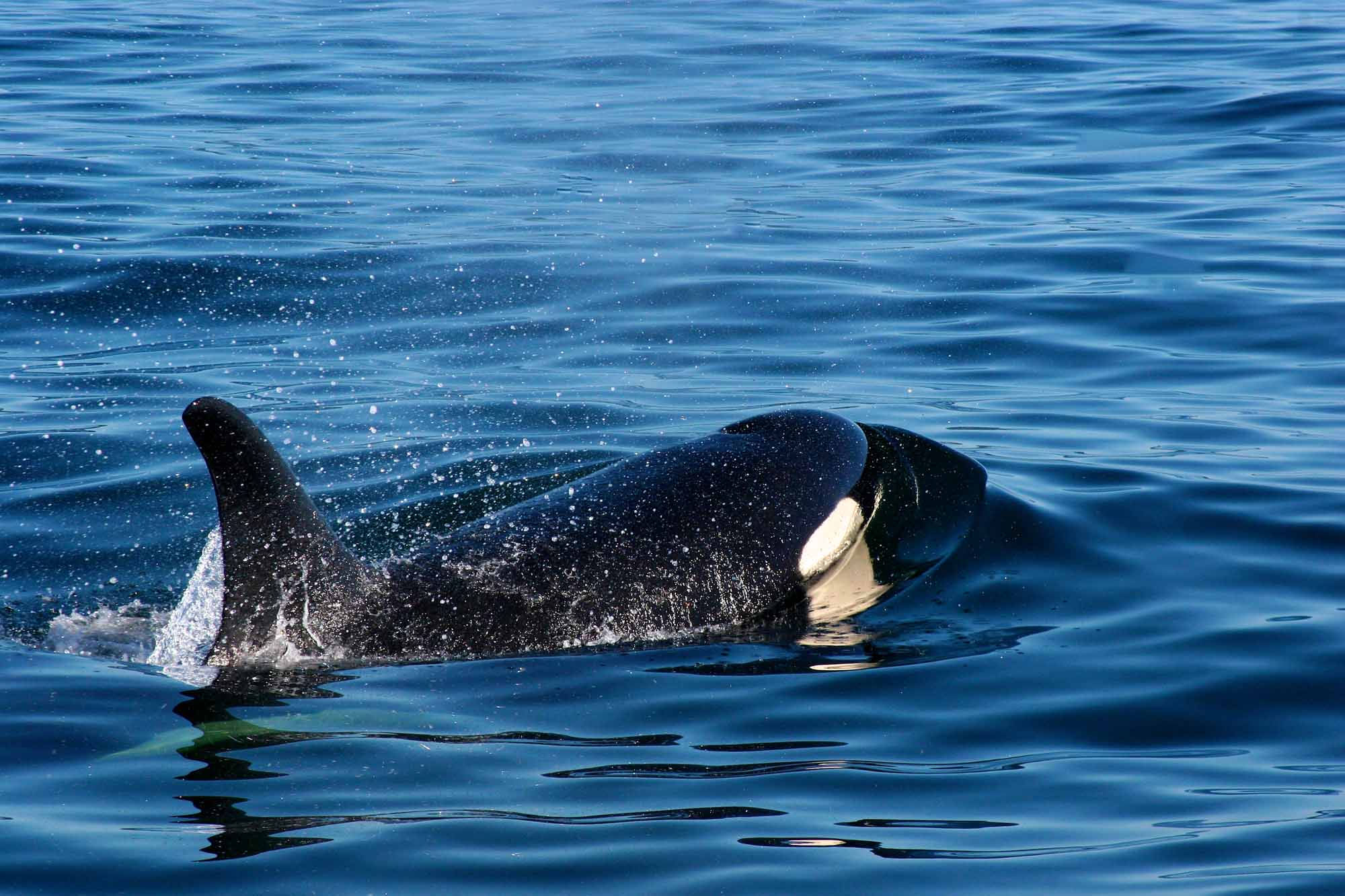
Canada’s Marine Protected Areas
|
Marine Protected Area Name |
Year Established |
Size (km2) |
|
|---|---|---|---|
|
Arctic Ocean |
|||
|
Anguniaqvia Niqiqyuam (Ung-u-niak-via Ni-kig-e-um) |
2016 |
2,358 |
|
| Qikiqtait | 2026 |
42,700 |
|
|
Sarvarjuaq |
2026 |
73,700 |
|
|
Tarium Niryutait |
2010 |
1,750 |
|
|
Tuvaijuittuq |
2019 |
319,411 |
|
|
Atlantic Ocean |
|||
|
Banc-des-Américains |
2019 |
1,000 |
|
|
Basin Head |
2005 |
9 |
|
|
Eastport |
2005 |
2 |
|
|
Gilbert Bay |
2005 |
60 |
|
|
The Gully |
2004 |
2,363 |
|
|
Laurentian Channel |
2019 |
11,580 |
|
|
Musquash Estuary |
2006 |
7 |
|
|
St. Anns Bank |
2017 |
4,364 |
|
|
Pacific Ocean |
|||
|
Hecate Strait and Queen Charlotte Sound Glass Sponge Reefs |
2017 |
2,410 |
|
|
SG̲áan K̲ínghlas-Bowie Seamount |
2008 |
6,103 |
|
|
Tang.ɢ̱wan – ḥačxwiqak – Tsig̱is |
2024 |
133,017 |