Share on Facebook
 Share on X
 Share by Email
 Share on Google Classroom
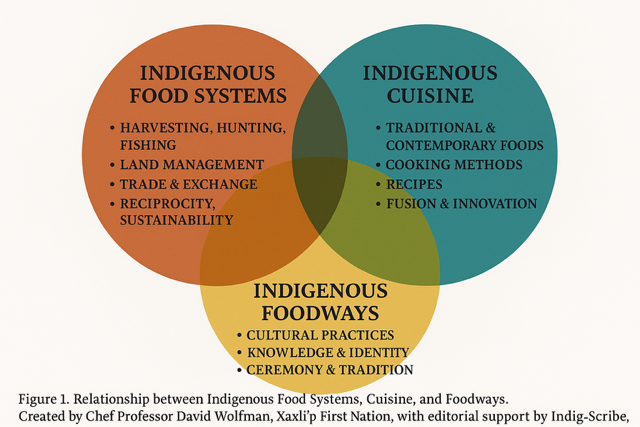
Indigenous cuisines in Canada encompass diverse food systems and practices rooted in reciprocity and sustainability. Colonization disrupted these systems through dispossession, residential schools and restrictive game laws (see also Colonialism in Canada). However, Indigenous cuisines endured as knowledge systems that carry ecological, cultural and spiritual teachings. Today, community-led food sovereignty and the work of Indigenous chefs are helping to restore access to ancestral foods and innovate in contemporary contexts. From wild rice and salmon to modern fusion dishes, Indigenous foodways demonstrate resilience, adaptability and cultural continuity.
Introduction
Indigenous cuisines in Canada refers to the diverse food systems, practices and traditions of First Nations, Inuit and Métis peoples. These cuisines reflect thousands of years of ecological knowledge, cultural expression and relationships with the land and water. They encompass not only what is eaten but also how food is harvested, prepared, preserved and shared. Although disrupted by colonization, Indigenous cuisines have persisted as vital expressions of identity and resilience. At the same time, food sovereignty movements strive to restore access to ancestral foods and reaffirm the deep connections between food, culture and land.
Regional Diets
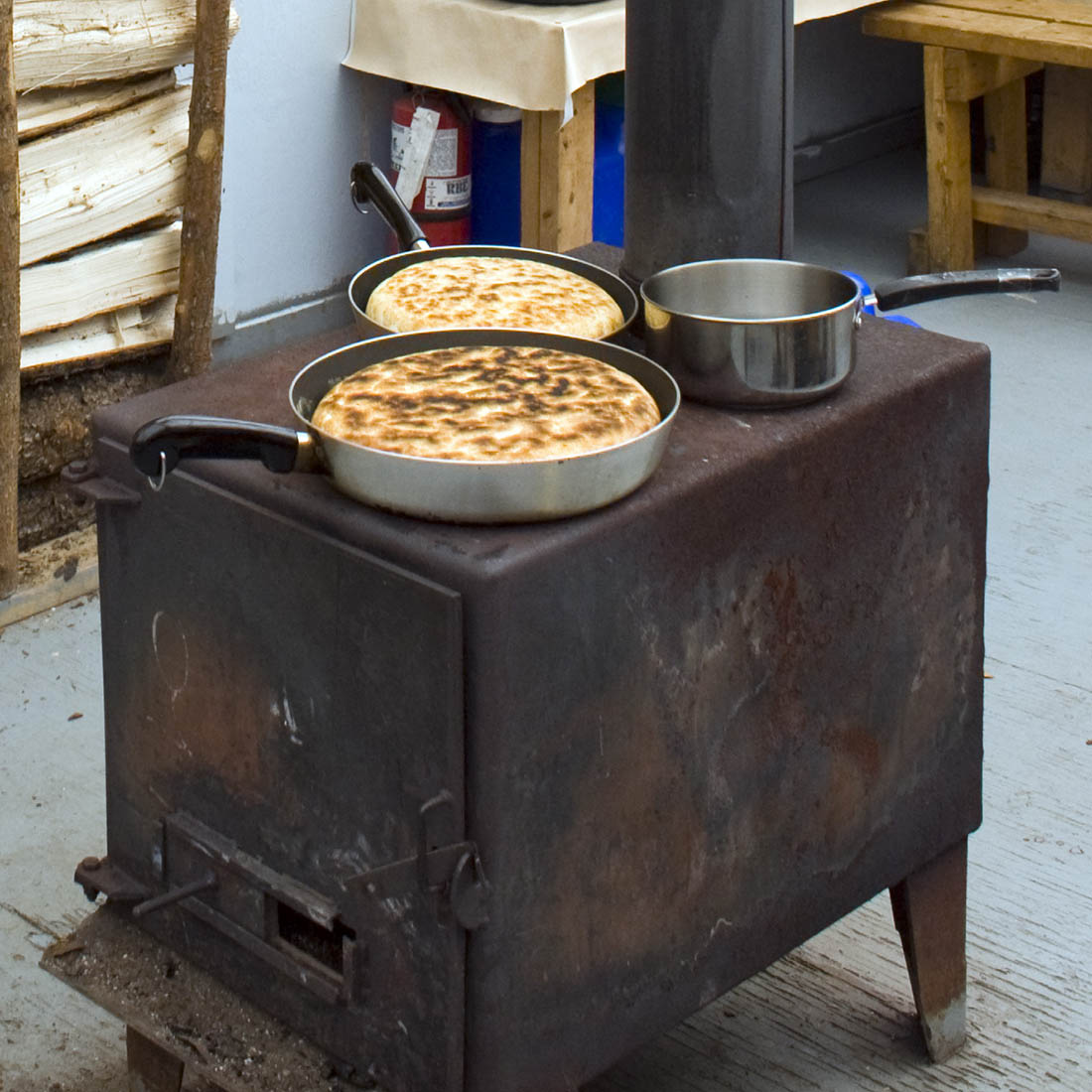
Across regions, diets reflected ecological diversity. Inuit food systems primarily focused on seal, caribou and Arctic char, which were preserved through freezing and fermentation (see also Inuit Country Food in Canada). On the Northwest Coast, salmon and eulachon were key to anchoring seasonal economies. Plateau nations relied on salmon, roots such as camas, and berries, while Plains peoples depended on bison and pemmican. In the Northeast, Haudenosaunee agriculture centred on corn, beans and squash, the “Three Sisters,” supplemented by maple syrup and venison. Métis cuisine blended First Nations and European traditions through dishes such as bannock, wild game and preserved berries.
Traditional Food Systems
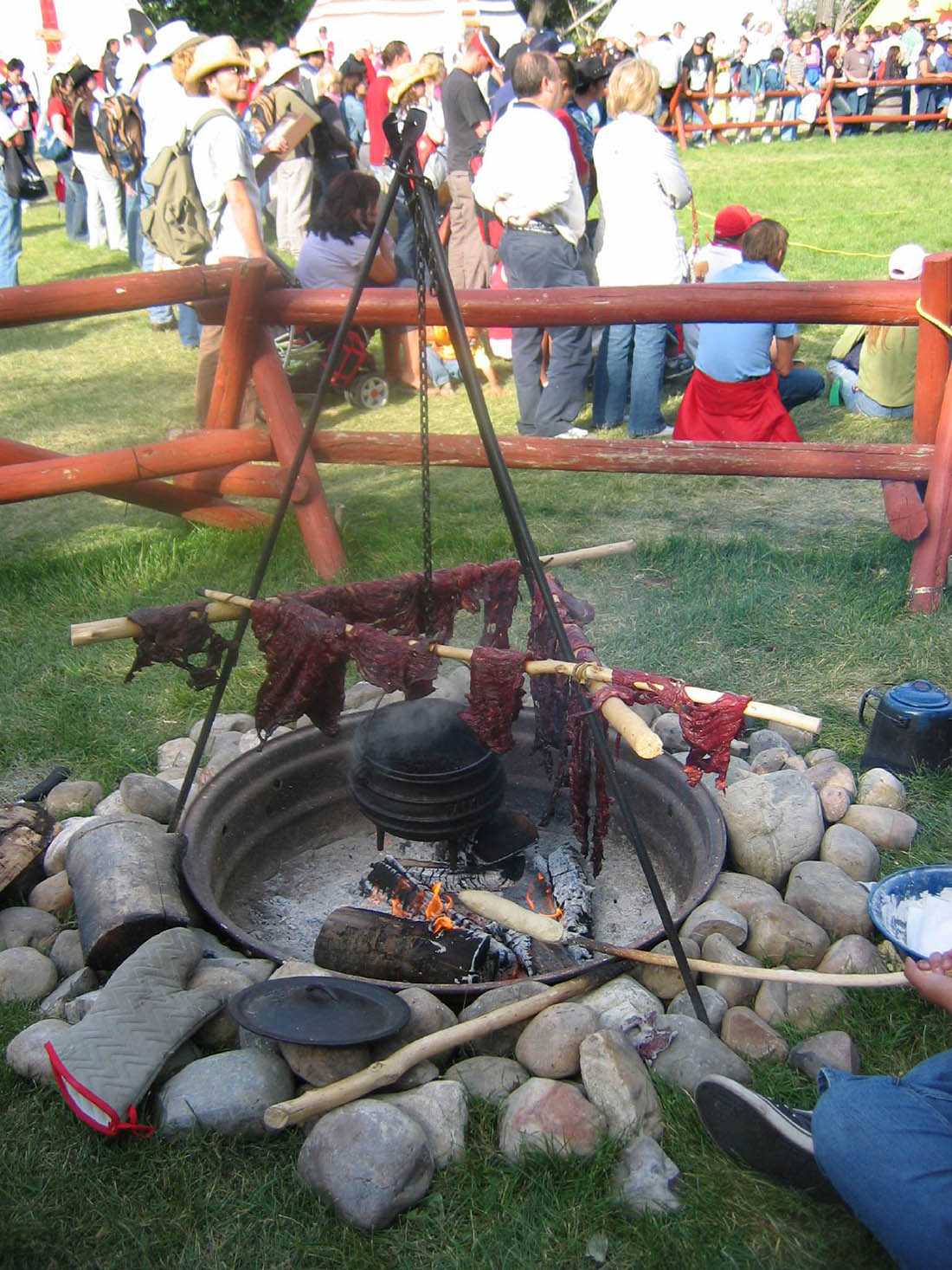
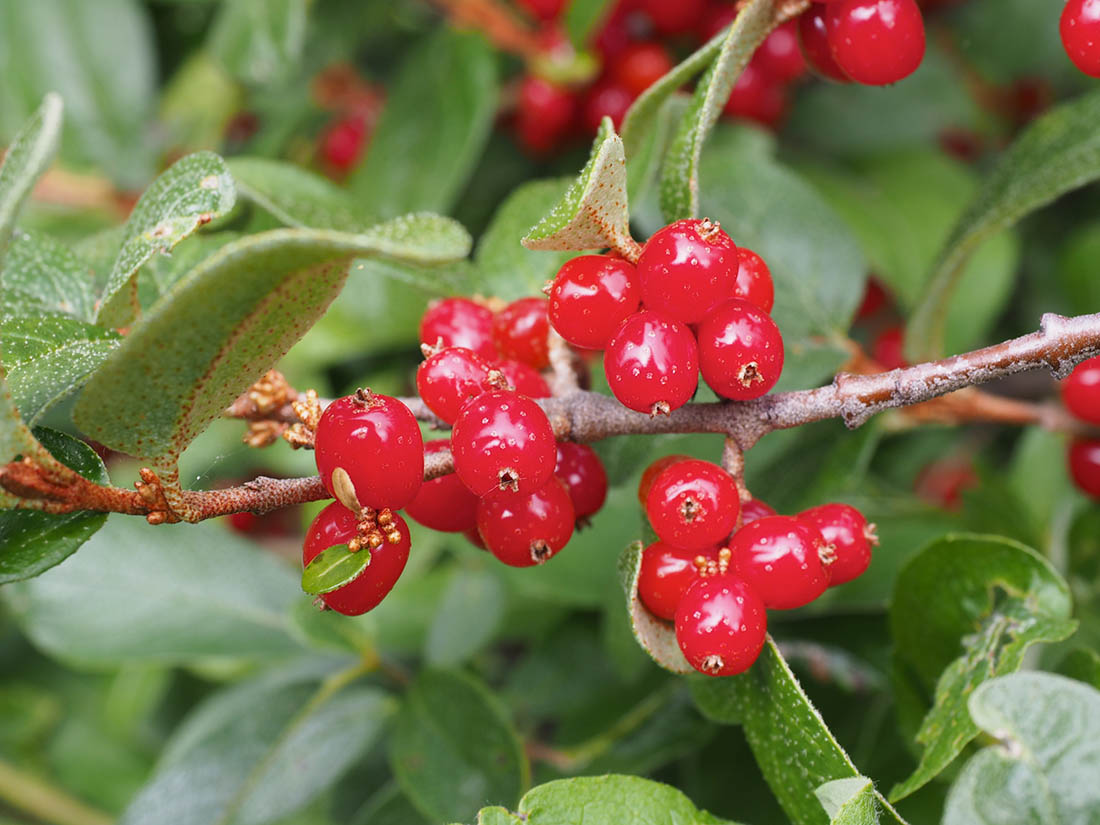
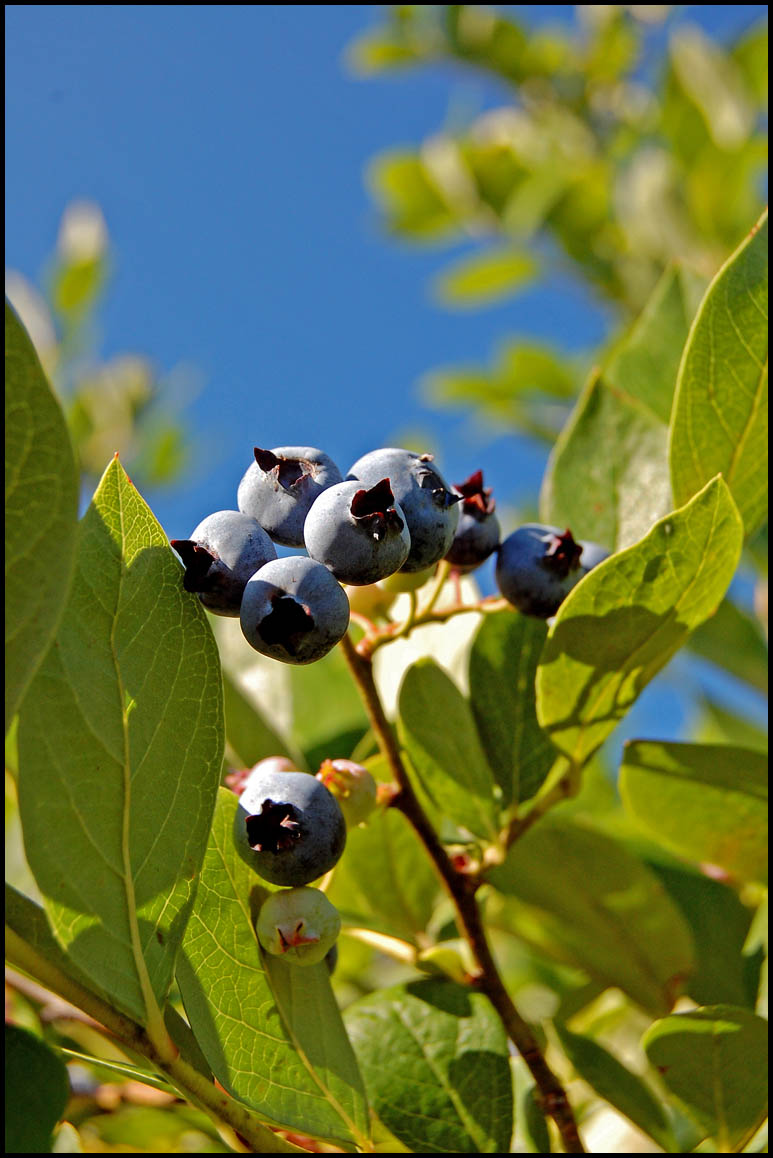
For Indigenous peoples, food was never simply a matter of sustenance; it reflected a larger worldview. The Three Sisters companion plants illustrate Haudenosaunee teachings about interdependence and balance. Wild rice, salmon, caribou and bison shaped entire cultural systems. Among the Xaxli’p (HAH-hlee-p) of the St’át’imc Nation, salmon runs along the Fraser River provided both nourishment and ceremony. Pit cooking, practised from the Pacific Coast to the Plains, involved earth ovens where roots such as camas or meats like salmon were slow-cooked for communal feasts. Berry harvesting was central to many nations, from Mi’kmaq and Anishinaabe families gathering blueberries and blackberries in the east to Interior Salish communities drying soapberries and huckleberries in the west (see also Wild Berries in Canada). Smoking techniques, from Coast Salish cedar-plank houses to Dene and Cree smoke racks, preserved salmon, bison and moose, ensuring survival during long winters while embedding cultural teachings in each step.
Colonization and Disruption
European colonization profoundly disrupted Indigenous food systems (see Colonialism in Canada). Nations were displaced from their territories as early as the 1500s in Newfoundland and Labrador, severing ties to hunting and fishing resources. Natural resource extraction, reserve systems, residential schools and game laws restricted traditional food access, while processed foods such as flour and sugar were introduced. Despite these hardships, families and Elders sought to preserve food traditions and ceremonies to protect foodways.
Beginning in the 19th century, processed foods became a pervasive tool of colonial policy. Rations distributed on reserves or in residential schools, including flour, lard, sugar, salt and canned goods replaced nutrient-dense traditional foods. These foods were not only unfamiliar but also disconnected from Indigenous teachings about harvesting, seasonality and reciprocity. The rapid shift from whole foods such as salmon, wild rice, caribou, roots and berries to processed products contributed to long-term impacts on health, including increased rates of diabetes and heart disease (see also Health of Indigenous Peoples in Canada). More importantly, it disrupted cultural transmission. With fewer opportunities to hunt, fish, gather or cook traditionally, generations of children were severed from the land-based knowledge held within family and community food systems.
Despite these pressures, families and Elders worked continuously to protect food traditions. Elders taught children how to identify edible plants, prepare dried meats and fish and honour animals through ceremony. In many communities, families maintained smokehouses, gardens and berry camps even under restrictive colonial policies. These acts of cultural persistence ensured that key teachings, flavours and practices survived periods of intense disruption. Today, these intergenerational efforts form the foundation for revitalizing land-based food systems and reconnecting youth with ancestral knowledge.
Food Sovereignty and Innovation
Food sovereignty refers to the right of peoples and communities to define their own food systems. This includes how food is grown, harvested, prepared, shared and governed. For Indigenous nations, food sovereignty is inseparable from land rights, cultural revitalization and environmental stewardship (see also Rights of Indigenous Peoples in Canada). It extends far beyond access to food. It includes the ability to maintain relationships with culturally significant species such as salmon, caribou, wild rice, bison and maple. It also encompasses governance over how foods are harvested, who participates in these practices and how knowledge is passed to future generations.
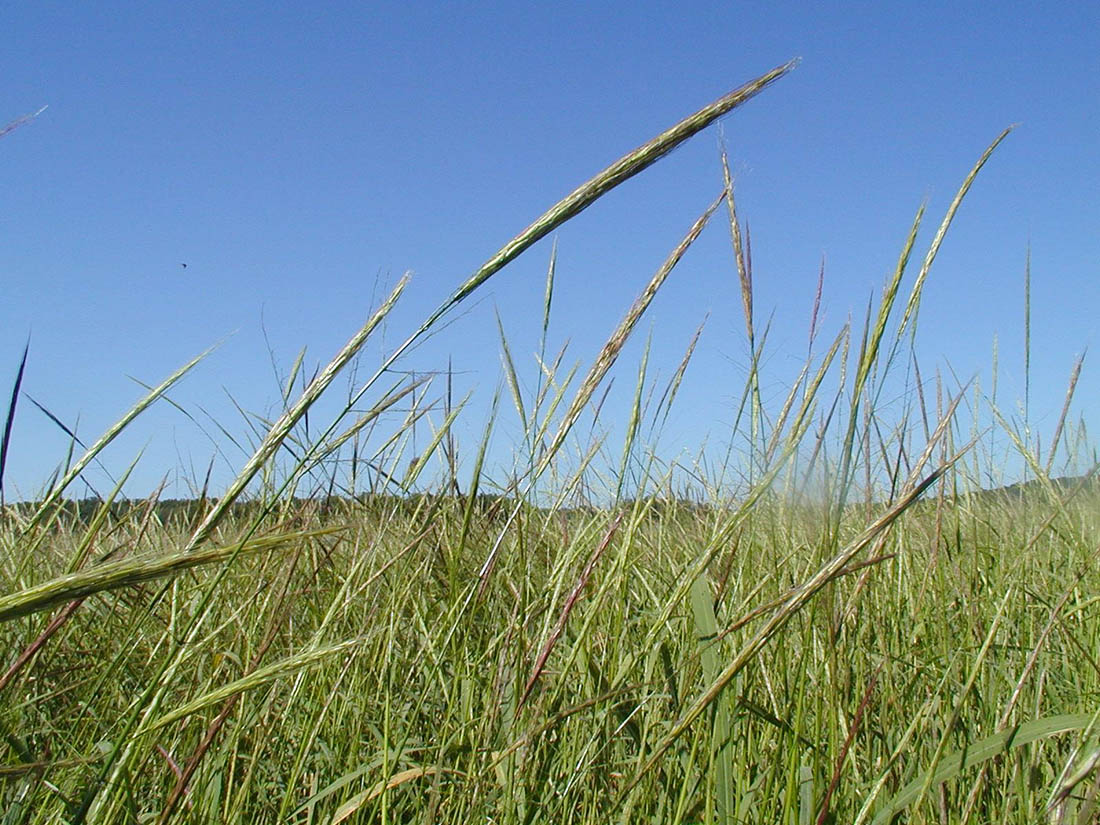
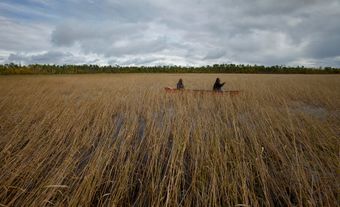
In Canada, Indigenous food sovereignty movements have grown through community-led initiatives that reconnect people with ancestral foodways. These include restoring wild rice beds, protecting salmon rivers, reviving bison herds, reintroducing heirloom seeds and creating land-based education programs. Hunting and fishing rights, affirmed in treaties and case law, remain central to these efforts. They uphold cultural responsibilities and ecological relationships that have existed for millennia. Many communities are also establishing community gardens, greenhouses, shared kitchens and food distribution programs that blend traditional teachings with contemporary food security strategies.
These movements highlight Indigenous leadership in shaping sustainable food futures rooted in cultural knowledge, reciprocity and self-determination.
Contemporary Indigenous Cuisine
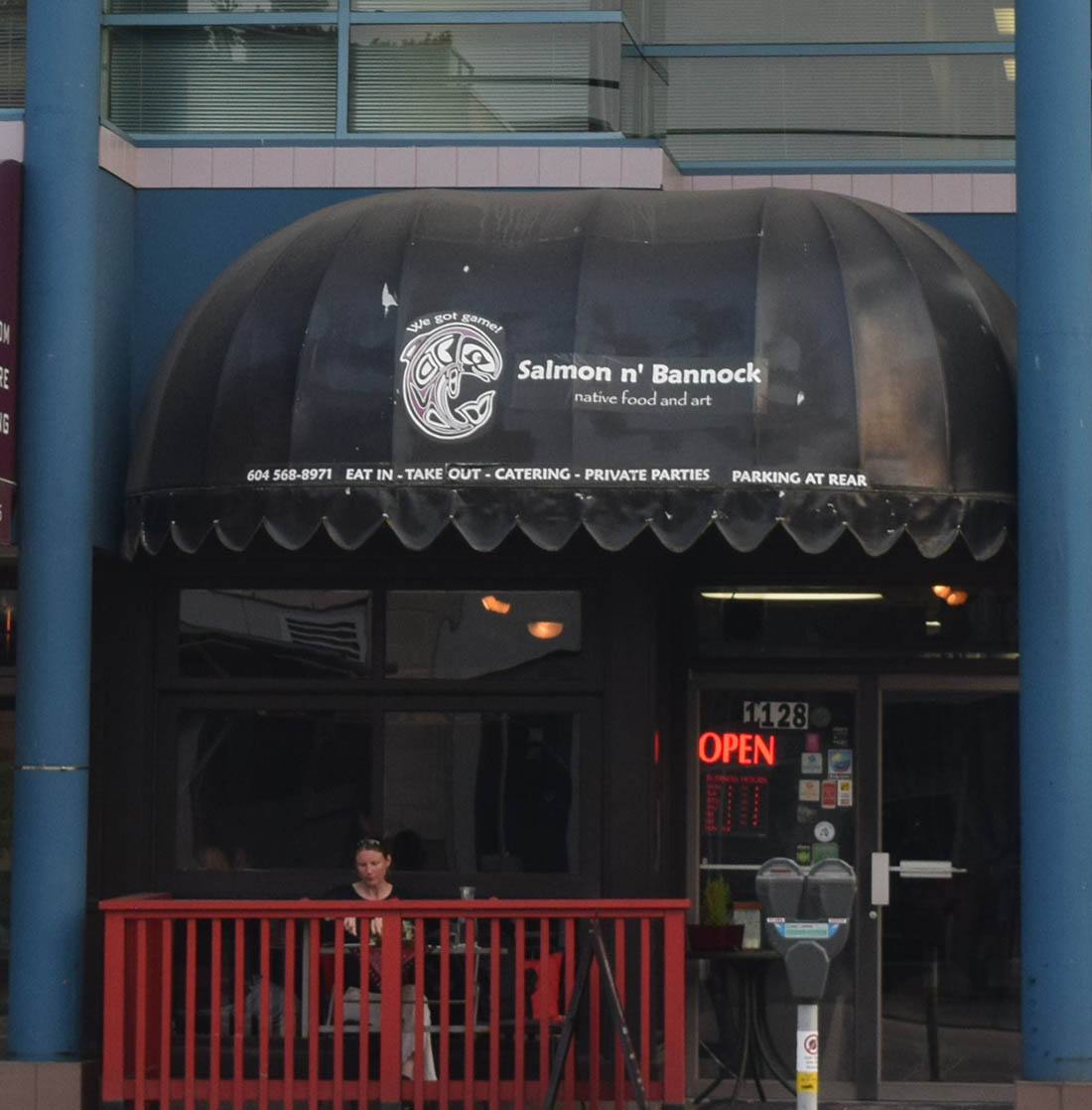
Today, Indigenous chefs, caterers and educators are revitalizing Indigenous cuisines through restaurants, education and media. Salmon n’ Bannock Bistro in Vancouver and NishDish in Toronto highlight traditional and fusion dishes. Chefs Joseph Shawana, Christa Bruneau-Guenther and David Wolfman showcase Indigenous cuisine in contemporary contexts. Wolfman’s television program Cooking with the Wolfman (1999–2017) brought Indigenous fusion cuisine to a national audience. Colleges have developed Indigenous culinary programs. Current menus range from moose stews and venison roasts to creative fusions such as wild rice risotto with roasted squash and sage, smoked pickerel with wild blueberry gastrique, and cod ceviche with strawberry–peach salsa.
Food as Knowledge and Identity
Indigenous cuisine is more than sustenance; it is a knowledge system embodying ecological, cultural and spiritual meanings. Many practices remain active today, while others have been revitalized or remembered through ceremony and teaching. Inuit seal hunting on Arctic sea ice continues as a vital source of food, clothing and cultural teaching. Haudenosaunee cornfields, grounded in the Three Sisters system, are still cultivated in many communities. Plains bison hunts once structured entire societies; though bison were nearly exterminated in the 19th century, bison restoration projects now reconnect nations with this food source. Among the Xaxli’p of the St’át’imc Nation, salmon camps along the Fraser River remain active each summer, passing ecological knowledge and cultural teachings to younger generations. Foodways are both nourishment and memory, anchoring Indigenous identity, resilience and adaptation for the future.