Share on Facebook
 Share on X
 Share by Email
 Share on Google Classroom
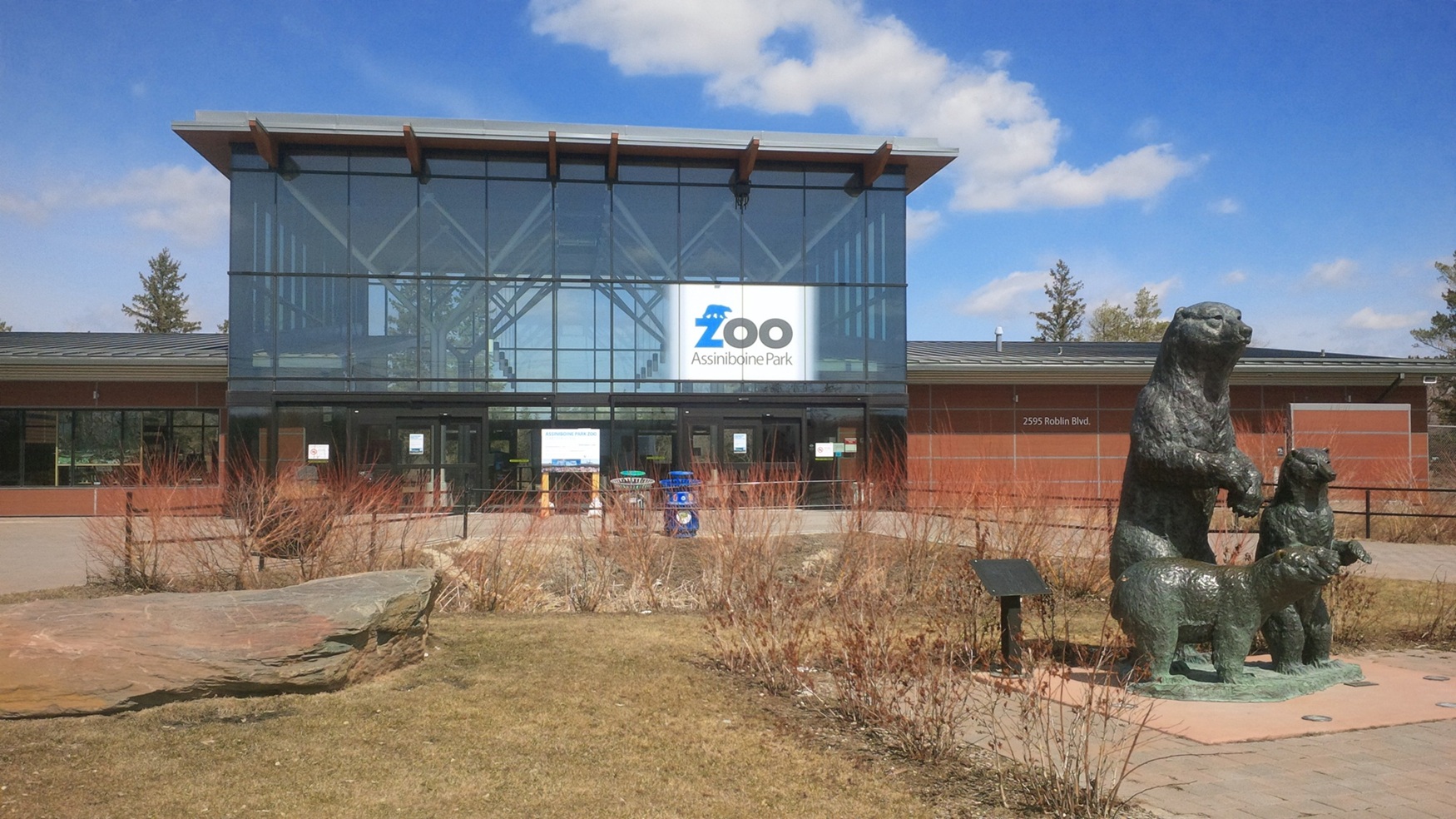
Assiniboine Park and Zoo were established in 1904 as part of Winnipeg’s park planning policy. It is a rare surviving example of a combined park and zoo that remains a thriving and dynamic urban park. The park’s zoo is Canada's oldest remaining zoo. Parks Canada designated the Assiniboine Park and Zoo a national historic event in 2016. The modern Assiniboine Park Conservancy includes an indoor horticultural section in addition to the park and zoo.
This article was created in collaboration with Parks Canada. It is drawn from report number 2014-27, which was prepared to support the Assiniboine Park and Zoo’s designation as a national historic event.
Historical Context
Assiniboine Park and Zoo grew out of Winnipeg’s ambitions to compete with the top commercial centres in North America as well as in response to urban living conditions typical in rapidly developing industrial cities across the continent in the late 19th and early 20th centuries. During this period, western Canada experienced unprecedented growth fuelled by immigration and a wheat boom. During this transformative era, Winnipeg’s ruling elite, composed largely of business and political leaders, utilized their influence to model Manitoba’s young provincial capital, which was advantageously situated in the heart of a rapidly developing nation and well connected by rail, into the leading metropolitan centre for the West.
For Winnipeg’s leaders, parks were beneficial public investments which beautified the city and attracted commercial capital. It was these same businessmen who advocated parks legislation and, in 1892, Manitoba passed the Public Parks Act, a remarkable exploit for a young province of 152,000 compared to Ontario, which had a population of nearly 2 million when it passed its Public Parks Act in 1883. A Public Parks Board was appointed and immediately began acquiring green spaces to establish a system of parks throughout the city together with a large ‘suburban park’ and other ‘breathing spaces.’ Influenced by broad social reforms which sought to improve urban living conditions, Winnipeg’s policy was unlike any other approach to urban park planning then being practiced in Canada since it recognized that parks were essential public services that improved citizens’ physical, mental and moral health.
Winnipeg’s ambitions of being the “Chicago of the North” are exemplified in the hiring of Canada’s eminent landscape architect Frederick Todd, an apprentice of Frederick Law Olmsted who designed New York’s Central Park, to design the 117-hectare Assiniboine Park. Wishing to emulate Winnipeg’s success, other emerging Prairie cities, such as Edmonton and Regina, also retained the services of Todd. From its inception in 1904, Assiniboine Park has functioned as a cultural centre and a hub of urban recreation for the community adapting to the needs of Winnipeggers and remaining an accessible, relevant and much loved space woven into the city’s urban fabric.
Zoo and Park Model
The continued existence of both the Assiniboine Park and Zoo is a rare example of a combined park and zoo model in Canada. Wanting to command the same level of respect as European cities, North American cities also developed zoos during the late 19th and early 20th centuries to form significant and popular cultural landmarks within their urban parks. Many Canadian parks, however, have lost their nature collections for a variety of reasons over the course of the 20th century.

Management of Animals
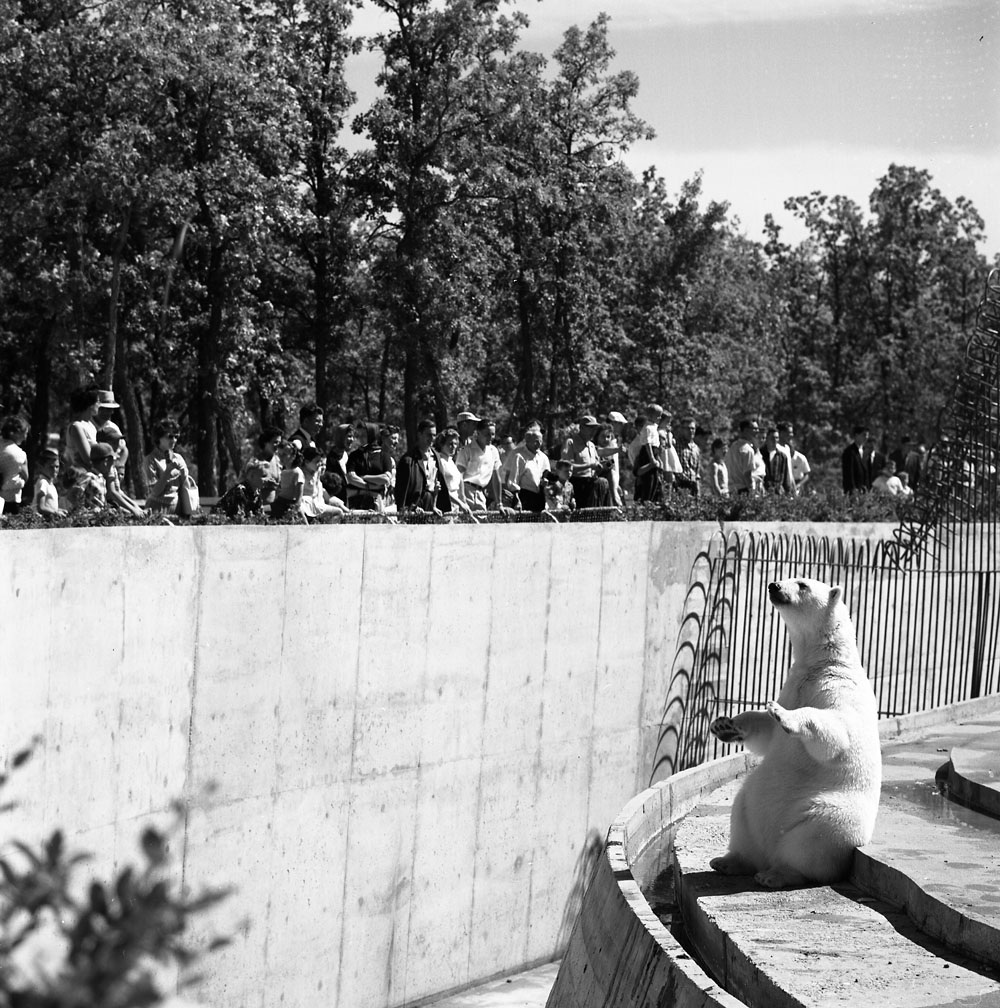
Assiniboine Park Zoo, begun in 1904 when several animals were purchased and put on display in the park, is now Canada’s oldest operational urban zoo. Its development, including the ways in which animals were managed and presented, shifted dramatically throughout the zoo’s history as western ideologies of the relationship between humans and animals evolved. Typical of 19th and early 20th century zoos in the West, the Assiniboine Park Zoo came into being as a menagerie of animals native to western and northern Canada.
The zoo’s approach to displaying animals in pits reflected contemporary ideologies of humans’ dominance over nature. Influenced by scientific and technological breakthroughs, coupled with a growing awareness of habitat and species conservation, by mid-century the zoo was redeveloped following modern international standards and transformed into a living museum with a focus on the educational potential of this popular park attraction. The zoo has continued to reinvent itself amid growing interest in environmental and conservation issues as well as evolving philosophies of the role of zoos in western society.