Share on Facebook
 Share on X
 Share by Email
 Share on Google Classroom
There are about 200 native species of trees in Canada, many of which can live for hundreds of years. It is possible that the very oldest tree in Canada has yet to be identified. Most scientists interested in trees are more concerned with the health of whole forests rather than with the ages of individual trees, meaning they don’t determine the age of every tree they come across. The oldest trees are not generally the largest or the most impressive-looking, and the principal way of finding a living tree’s true age is to measure it by using a tool called an increment borer. Below are some examples of the oldest known trees in Canada, from the temperate rainforests of the Pacific to the ancient forest of the Niagara Escarpment.
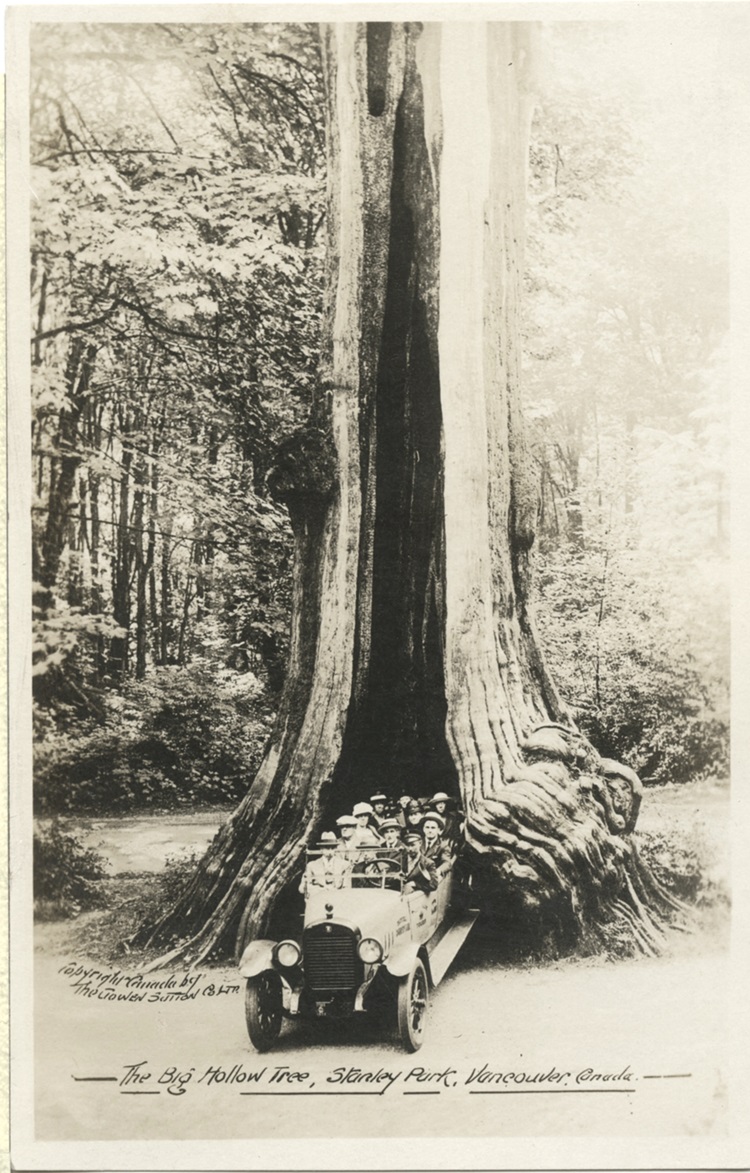
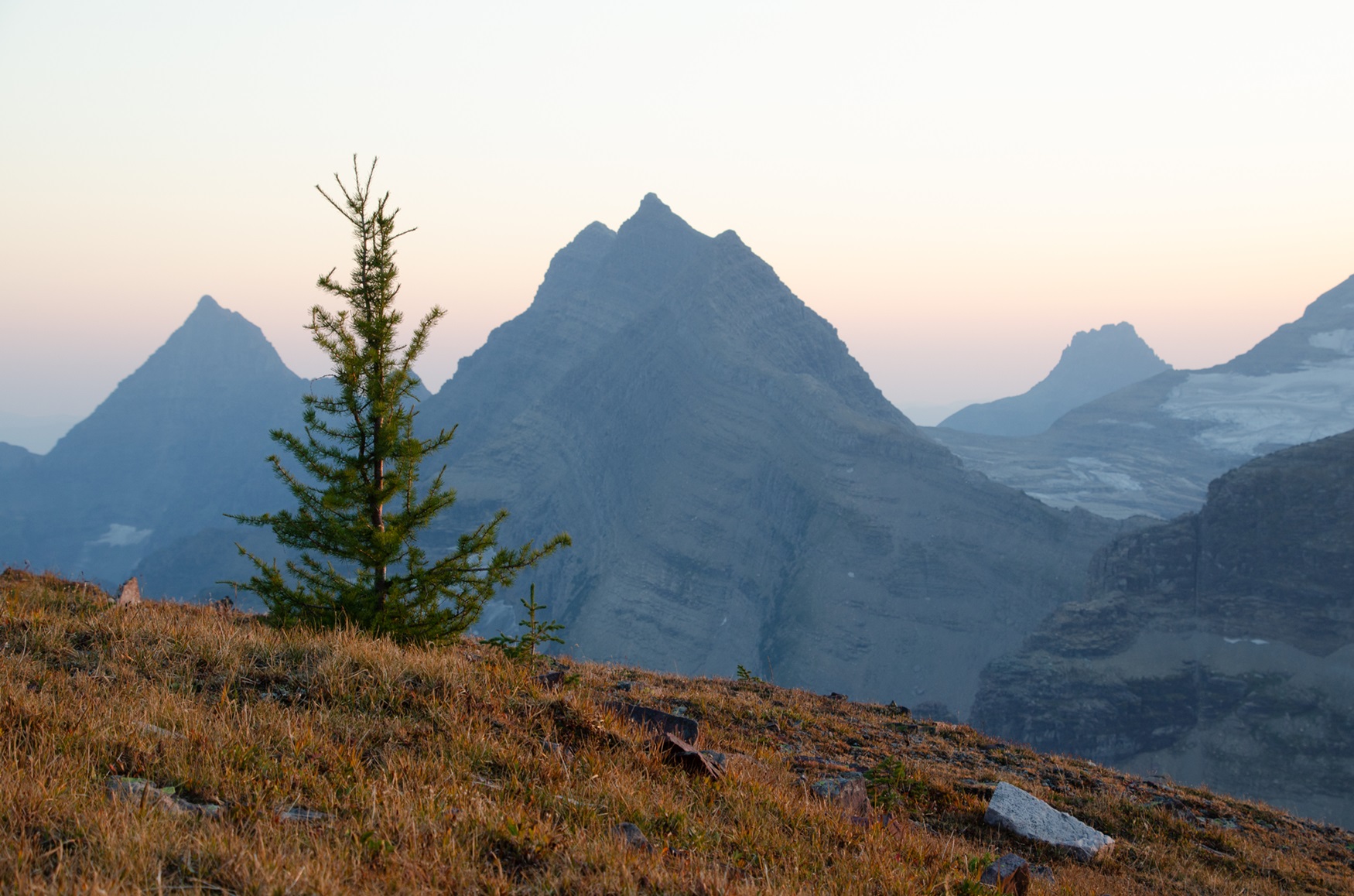
Subalpine Larch (Larix lyallii)
The subalpine larch has a limited range high in the mountains of southern British Columbia and Alberta. It can grow at elevations of up to around 2,200 m, higher than any other trees in its range. Occupying very cold and often windy environments, it typically remains small and stunted. Unlike most conifers, which are evergreen, the subalpine larch is deciduous, meaning it sheds its needles each autumn and grows new ones in the spring. This unique ability allows the tree to live at such remote, isolated altitudes, where it can survive for millennia.
One notable subalpine larch found in E.C. Manning Park, British Columbia, was estimated to be 1,917 years old in 1989. Some individuals may even be older than 2,000 years.
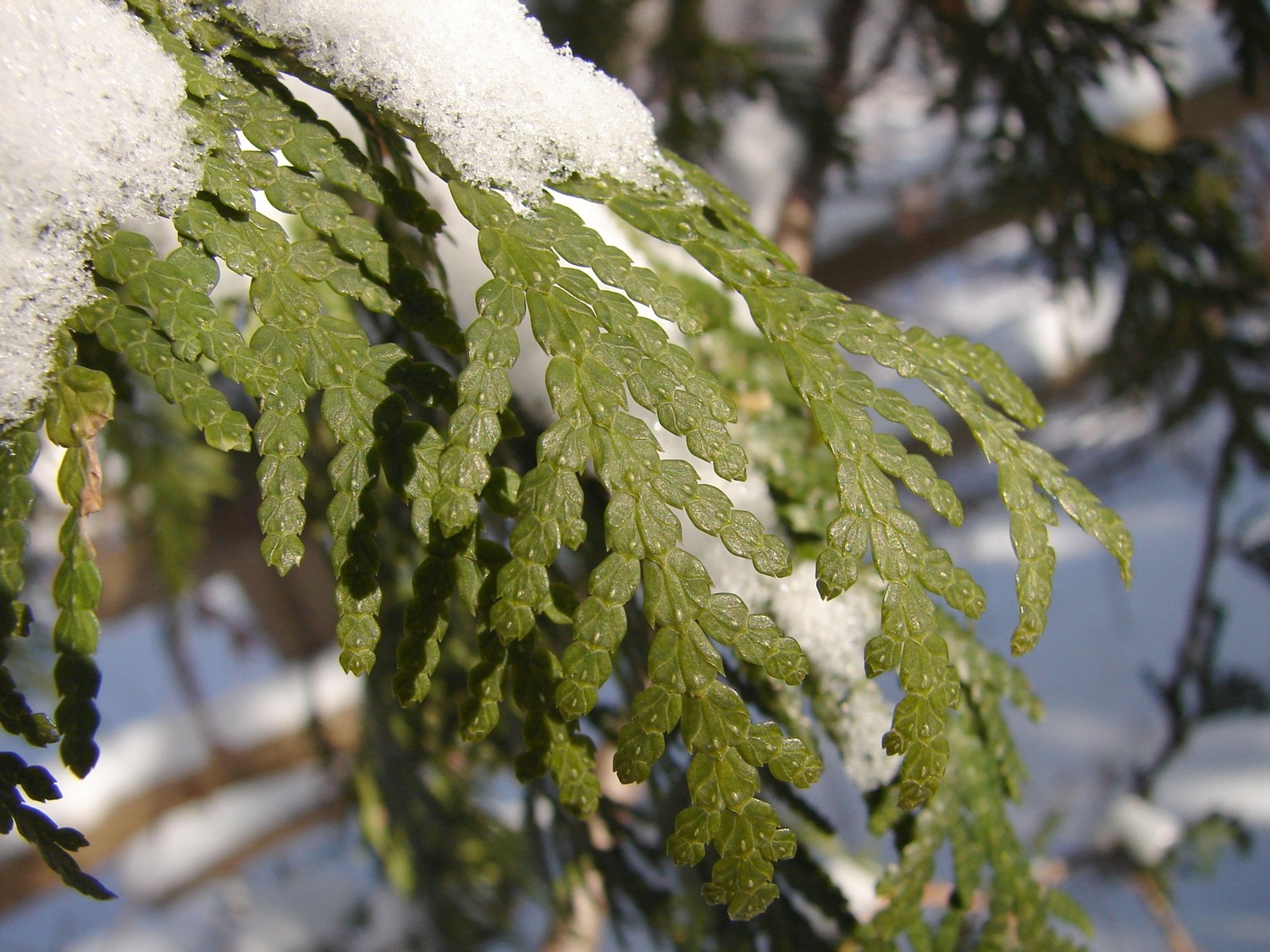
Eastern White Cedar (Thuja occidentalis)
The eastern white cedar populates southeastern Canada, from Nova Scotia to eastern Manitoba, often in swampy areas where the underlying rock is limestone. This coniferous evergreen with scaly, yellow-green leaves can reach heights of 25 m. An ancient group of eastern white cedars occupy the cliffs of the Niagara Escarpment in Ontario, where their distance from humans and predators has allowed some to live for over a thousand years. One currently living tree on the escarpment began growing in the year 688, making it over 1,300 years old. The oldest eastern white cedar on record was a dead tree on the escarpment that had lived for an estimated 1,890 years.

Historically, Haudenosaunee (Iroquois) people boiled its bark and needles into a tea to prevent scurvy. This technique helped save the lives of early French explorers suffering from the disease, giving this long-lived tree the fitting nickname “tree of life.”
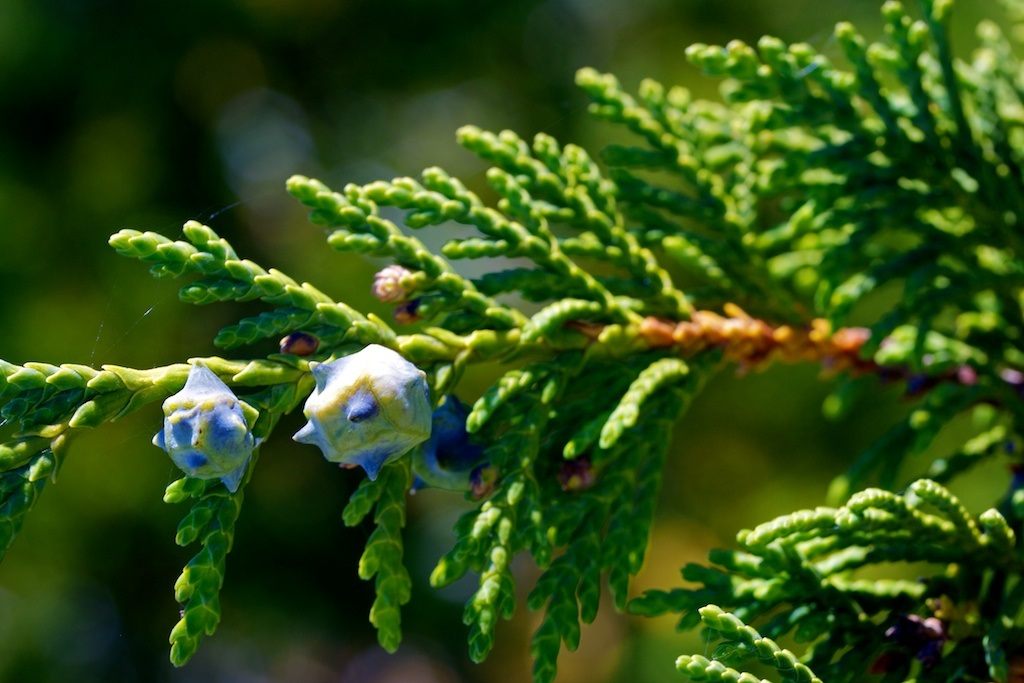
Yellow Cedar (Chamaecyparis nootkatensis)
The yellow cedar is common in the old-growth, temperate rainforests near British Columbia’s Pacific coast, including on Vancouver Island and Haida Gwaii. It is a coniferous evergreen with small, scale-like leaves and can generally grow to 25 m.
Yellow cedars are extremely resistant to fungal rot and insects, which are abundant in the wet ecoregions they live in. Thanks to this resistance, the trees can live for over a thousand years, and may even reach 3,000 years old. Yellow cedars have historically been threatened by human interference, notably by logging, and continue to decline due to climate change. One clear-cut stump discovered in the Caren Range of British Columbia belonged to a tree that may have been as old as 1,835 years.
White Spruce (Picea glauca)
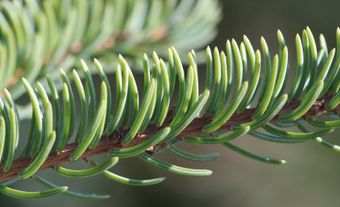
The white spruce is found throughout Canada and may be the longest-living tree in the North. A straight, stiff evergreen conifer, it can grow to around 25 m tall. Its vast range, from Southern Ontario up to the Arctic treeline, is due to the fact that it can survive on a variety of soils and in a wide range of climates. Under the right conditions, white spruce can live for centuries.
In 2004, a white spruce near Kluane Lake, Yukon, was estimated to be more than 668 years old. In the Northwest Territories, several individuals have been identified that are over 500 or 600 years old. In the remote wilderness above the Arctic Circle, some white spruces can live for nearly 1,000 years.

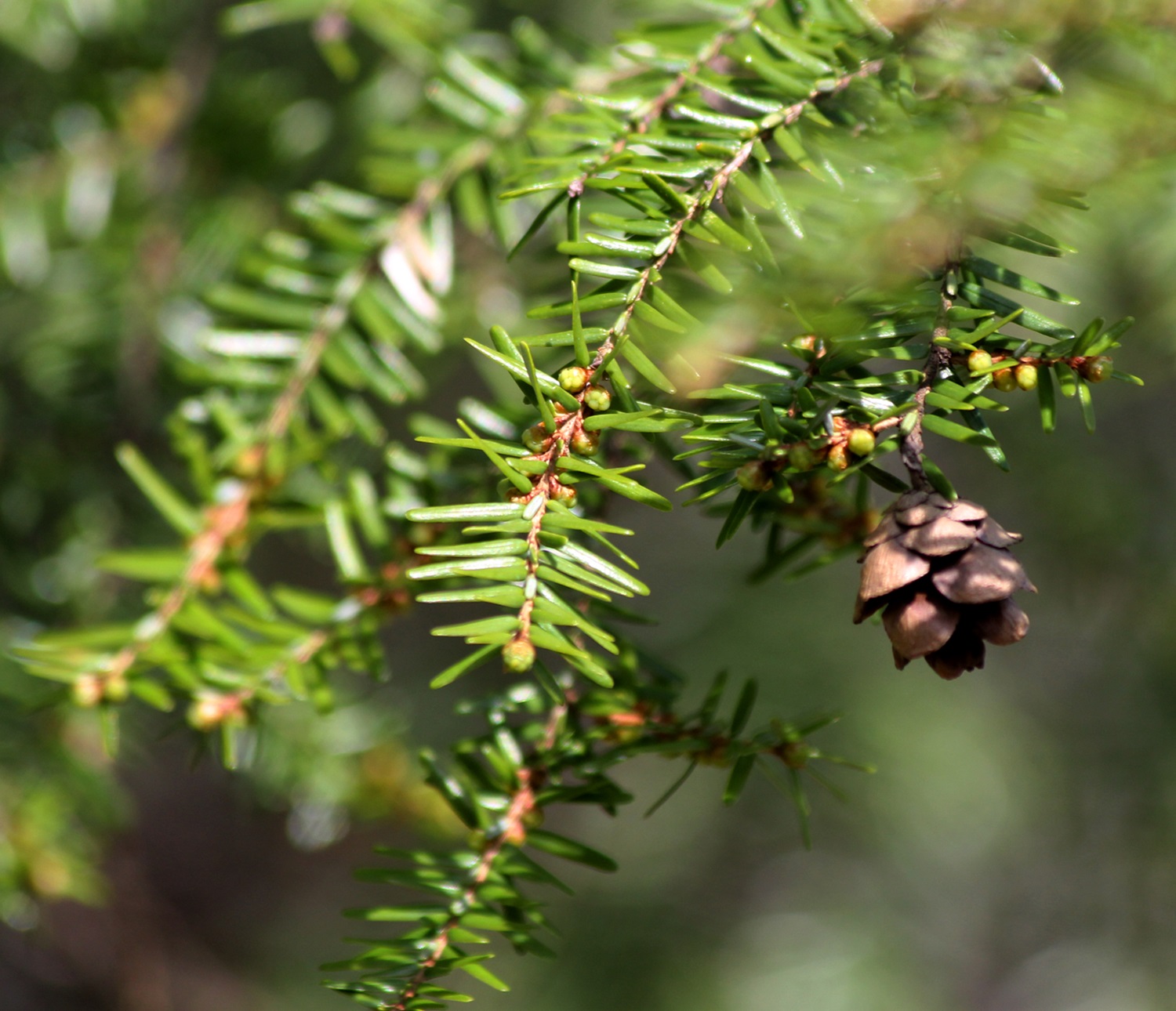
Eastern Hemlock (Tsuga canadensis)
The eastern hemlock is native to Canada’s eastern provinces, from Ontario to Nova Scotia. It is an evergreen conifer that can reach up to 30 m tall. Unlike many trees, the eastern hemlock grows well in shade, meaning it can grow slowly and build up resilience to threats. In recent years, the eastern hemlock has faced significant threats from infestations of the invasive hemlock woolly adelgid, a small insect that attacks and kills hemlock trees (see Four Major Insect Pests of Forests in Canada).
One individual eastern hemlock is the oldest living tree in the Maritimes. In 2021, the 533-year-old tree was discovered near Panuke Lake, Nova Scotia. In other places, eastern hemlocks can live for over 800 years.
Sugar Maple (Acer saccharum)
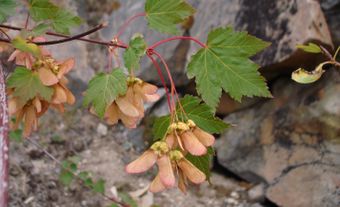
The maple tree is a national symbol of Canada, with the sugar maple likely being the best-known species. This deciduous tree inhabits hardwood forests from Ontario to the Maritimes. It is famous for the brilliant autumn colours of its leaves, as well as for the maple syrup produced from its sap.
The “Comfort Maple” in Pelham, Ontario, is believed to be the oldest sugar maple in Canada. In 1975, the Ontario Forestry Association estimated the tree to be between 400 and 500 years old. The roughly 25-m-tall tree was declared a heritage tree in 2000 under the Ontario Heritage Act.