
Browse "People"
-
Article
Professional Native Indian Artists Inc., or the “Indian Group of Seven”
The Professional Native Indian Artists Inc. (PNIAI) was one of the first independently organized, self-managed Indigenous artists’ collectives and cultural advocacy groups in Canada. It was established in the early 1970s in Winnipeg, Manitoba. PNIAI consisted of seven independent Indigenous painters, Jackson Beardy, Eddy Cobiness, Alex Janvier, Norval Morrisseau, Daphne Odjig, Carl Ray and Joseph Sanchez. Though diverse in their painting styles and cultural backgrounds, the founders of PNIAI were united in their determination to advocate for inclusion, recognition, and equal access to art funding. PNIAI has had a formative and enduring influence on the development of contemporary Indigenous art practice, its critical acceptance and public appreciation. PNIAI initiated an era of increasing activism and empowerment for artists and cultural workers of Indigenous ancestry across the country. PNIAI’s efforts paved the way for later arts organizations such as the Society of Canadian Artists of Native Ancestry and the Indigenous Curatorial Collective (formerly Aboriginal Curatorial Collective). It also helped broaden national awareness of contemporary Indigenous art in Canada.
"https://d3d0lqu00lnqvz.cloudfront.net/media/media/5a4fd186-dfcd-4aa8-b0b4-65d24889a907.jpg" // resources/views/front/categories/view.blade.php
https://d3d0lqu00lnqvz.cloudfront.net/media/media/5a4fd186-dfcd-4aa8-b0b4-65d24889a907.jpg
-
Article
Prudence Heward
Efa Prudence Heward, painter (born 2 July 1896 in Montréal, QC; died 19 March 1947 in Los Angeles, California). Heward specialized in portraits of women, despite the popularity of landscape painting during her lifetime.
"https://d3d0lqu00lnqvz.cloudfront.net/media/media/6c282753-9302-4461-a0ac-92fc6816272d.jpg" // resources/views/front/categories/view.blade.php
https://d3d0lqu00lnqvz.cloudfront.net/media/media/6c282753-9302-4461-a0ac-92fc6816272d.jpg
-
Article
Pudlo Pudlat
Pudlo Pudlat, graphic artist (born 4 February 1916 in Kamadjuak Camp, Baffin Island, NT [now NU]; died 28 December 1992 in Cape Dorset, NT [now Kinngait, NU]). One of the most original contemporary Inuit artists, Pudlo Pudlat included in his imagery icons of the modern technology that brought profound changes to the Canadian North (see also Inuit Art). Working in a combination of acrylic wash and coloured pencils, at his death he had completed 4,500 drawings, around 200 of which had been turned into prints (see Inuit Printmaking). He also created several sculptures.
"https://d3d0lqu00lnqvz.cloudfront.net/PudloPudlat/Pudlo_Pudlat.jpg" // resources/views/front/categories/view.blade.php
https://d3d0lqu00lnqvz.cloudfront.net/PudloPudlat/Pudlo_Pudlat.jpg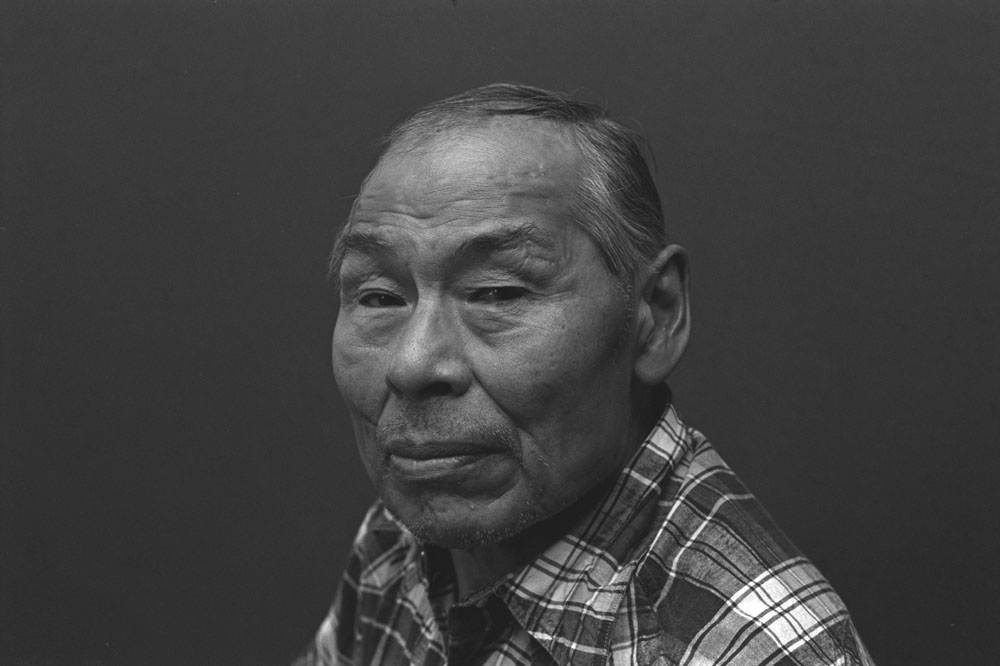
-
Article
Punjabi Canadians
Punjabi refers to an ethnicity as well as a language. In 1947, British India (including Punjab) was partitioned into Pakistan and India. As such, Punjabi Canadians trace their roots to either Indian or Pakistani Punjab. Regional origins shape differences in language, faith and customs across the community. Dominant Punjabi Canadian narratives are centred around Sikh, Indian-origin Punjabis. However, Punjabi Canadians from Pakistan form a smaller but distinct part of the broader Punjabi Canadian community. (See Pakistani Canadians.) According to the 2021 Canadian census, 279,950 Canadians reported being of Punjabi ethnic or cultural origin. Meanwhile, 942,165 Canadians reported having knowledge of the Punjabi language. Moreover, 81.4 per cent of Punjabi Canadians identify as Sikh. Meanwhile, 6.9 per cent identify as Hindu and 6.8 per cent are Muslim. Notable Punjabi Canadians include Ujjal Dosanjh, Jagmeet Singh, Karan Aujla, AP Dhillon, Lilly Singh and Rupi Kaur.
"https://d3d0lqu00lnqvz.cloudfront.net/Vaisakihi-Vancouver-2024.jpg" // resources/views/front/categories/view.blade.php
https://d3d0lqu00lnqvz.cloudfront.net/Vaisakihi-Vancouver-2024.jpg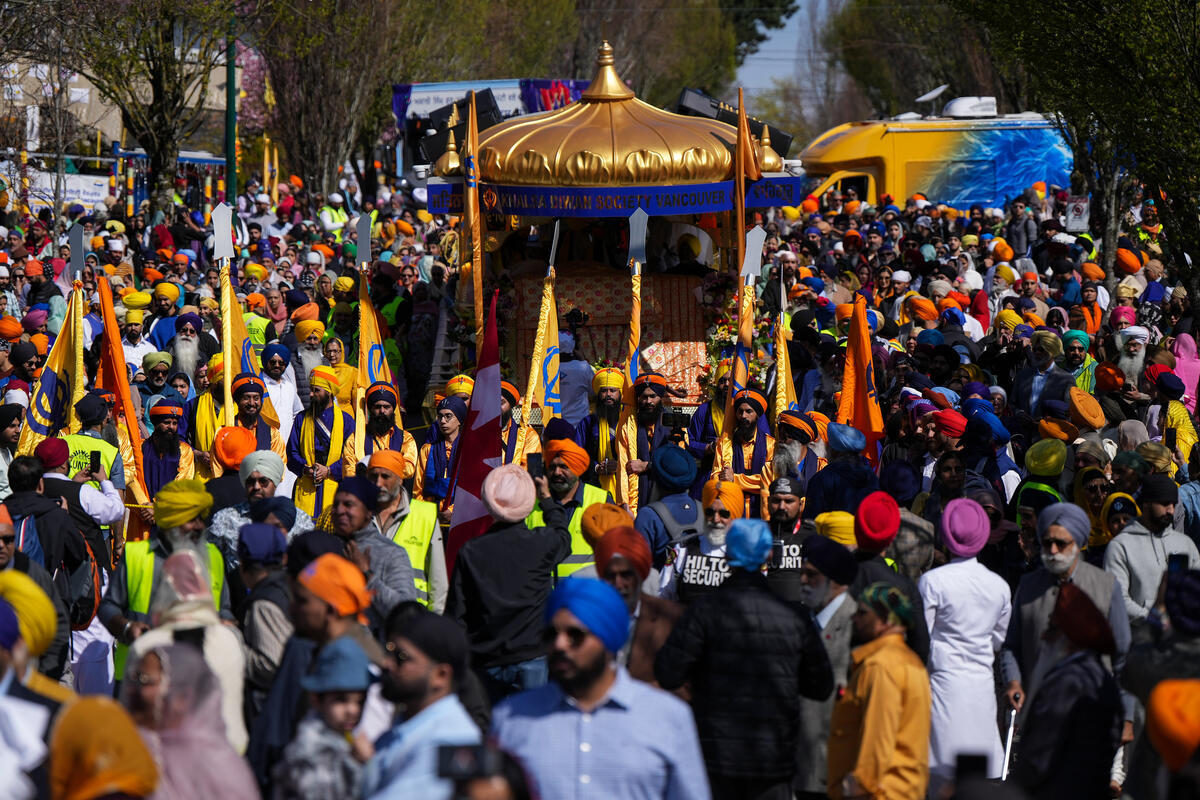
-
Article
Qalipu Mi’kmaq First Nation
Qalipu (pronounced: ha-lee-boo) is a Mi’kmaq First Nation based in Newfoundland and Labrador. The nation was established in 2011 under the Indian Act. According to the federal government, Qalipu has 26,688 registered members in November 2025, making it the second-largest First Nation by population in Canada. The nation’s members hail from 67 different communities across Newfoundland. As of 2020, roughly 95 per cent of Qalipu members live in Newfoundland and Labrador; the other 5 per cent live throughout Canada. The Qalipu Mi’kmaq First Nation currently controls no reserve land. (See also Reserves in Newfoundland and Labrador.)
"https://d3d0lqu00lnqvz.cloudfront.net/Marc Humber article pic.jpg" // resources/views/front/categories/view.blade.php
https://d3d0lqu00lnqvz.cloudfront.net/Marc Humber article pic.jpg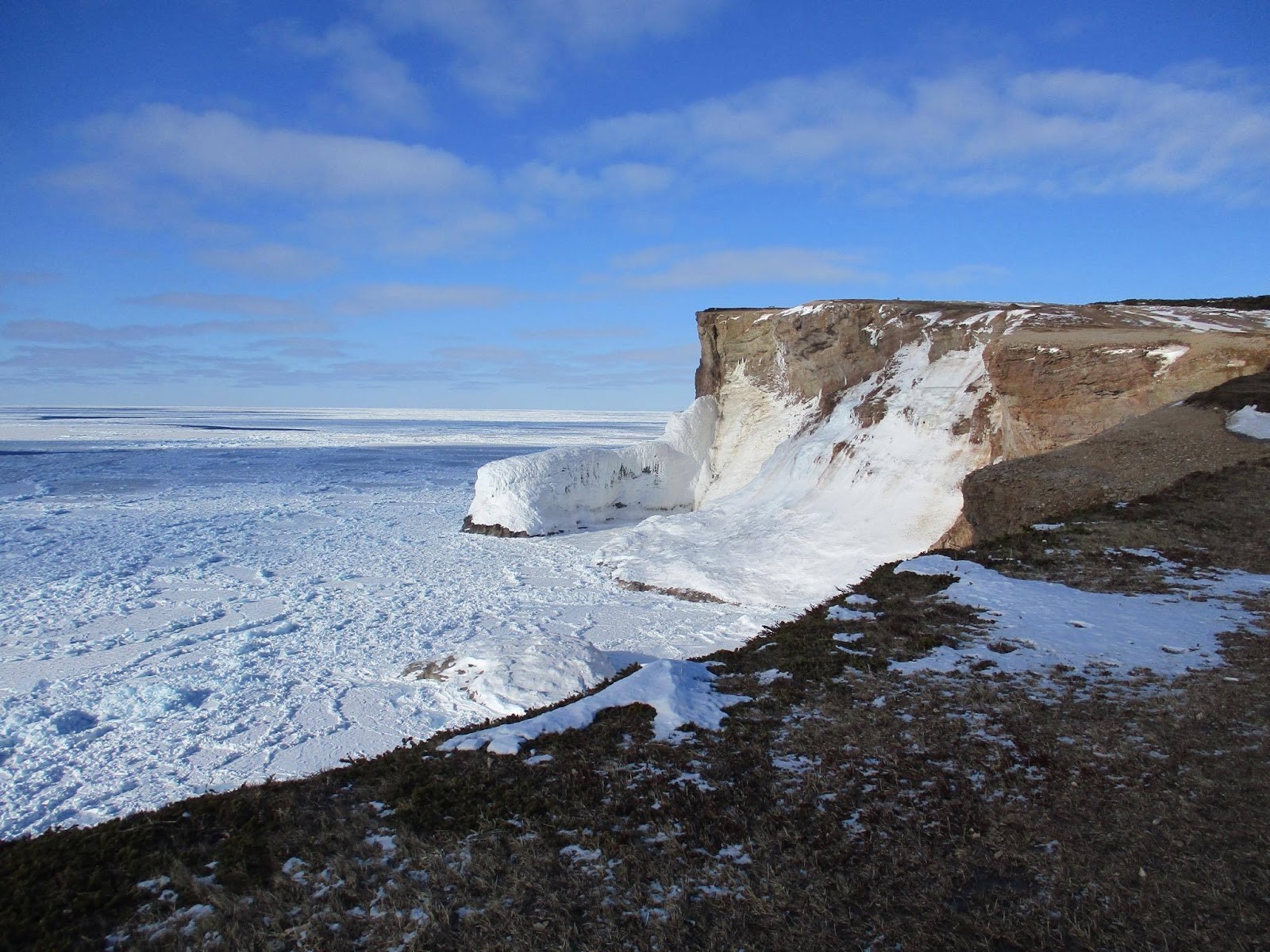
-
Article
Qaqaq Ashoona
Qaqaq Ashoona (also known as Kaka), hunter, sculptor (born 18 August 1928 in Ikerrasak camp, Baffin Island, NT [now NU]; died 2 November 1996 in Cape Dorset, NT [now Kinngait, NU]). Elder son of Inuit artist Pitseolak Ashoona, Qaqaq Ashoona is a central figure in this remarkable creative family which includes his brothers Kiawak and Kumwartok (sculptors), sister Napatchie Pootoogook (graphic artist), as well as wife Mayureak (sculptor and graphic artist) and son Ohitok (sculptor). He began his artistic career at age 18. His sculptures have achieved recognition for the sense of monumentality and strength he gave to animal and human subjects alike.
"https://d3d0lqu00lnqvz.cloudfront.net/media/media/c0bb89a2-48a0-45f0-a18f-afa7c6424682.JPG" // resources/views/front/categories/view.blade.php
https://d3d0lqu00lnqvz.cloudfront.net/media/media/c0bb89a2-48a0-45f0-a18f-afa7c6424682.JPG
-
Article
Qitdlarssuaq
Qitdlarssuaq (also known as Qillarsuaq or Qillaq), Inuit leader and angakkuq (shaman) (born in southeastern Baffin Island, NT; died in 1875 near Cape Herschel, NT).
"https://d3d0lqu00lnqvz.cloudfront.net/media/media/5176d9ce-bf5f-4fdf-9453-c0f71b3128e6.jpg" // resources/views/front/categories/view.blade.php
https://d3d0lqu00lnqvz.cloudfront.net/media/media/5176d9ce-bf5f-4fdf-9453-c0f71b3128e6.jpg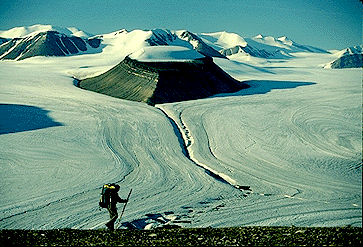
-
Article
Quakers
The Quakers (properly The Religious Society of Friends) are a body of Christians that arose out of the religious ferment of mid-17th century Puritan England. Founder George Fox (1624-91) was the son of a Leicestershire weaver.
"https://thecanadianencyclopedia.ca/images/tce_placeholder.jpg?v=e9dca980c9bdb3aa11e832e7ea94f5d9" // resources/views/front/categories/view.blade.php
https://thecanadianencyclopedia.ca/images/tce_placeholder.jpg?v=e9dca980c9bdb3aa11e832e7ea94f5d9
-
Article
Quatuor Bozzini
The Quatuor Bozzini had its origins in 1994 when sisters Stéphanie (viola) and Isabelle (cello) Bozzini, then students at the Université de Montréal, formed a chamber group with other colleagues.
"https://d3d0lqu00lnqvz.cloudfront.net/media/media/abeb40fa-7d56-4fd9-ba7a-b2790145e125.jpg" // resources/views/front/categories/view.blade.php
https://d3d0lqu00lnqvz.cloudfront.net/media/media/abeb40fa-7d56-4fd9-ba7a-b2790145e125.jpg
-
Article
Quebec City Mosque Shooting
The Quebec City mosque shooting took place in 2017 at the Islamic Cultural Centre of Quebec City, located in the suburb of Sainte-Foy. The gunman pleaded guilty to six counts of first-degree murder and six counts of attempted murder. It was one of the deadliest mass shootings in Canadian history, described as an act of terrorism by both Prime Minister Justin Trudeau and Quebec Premier Philippe Couillard. The event prompted widespread public debate around Islamophobia, racism and the rise of right-wing terrorism in Canada.
"https://d3d0lqu00lnqvz.cloudfront.net/media/new_article_images/QuebecCityMosqueShooting/31852213713_0fbc414412_o.jpg" // resources/views/front/categories/view.blade.php
https://d3d0lqu00lnqvz.cloudfront.net/media/new_article_images/QuebecCityMosqueShooting/31852213713_0fbc414412_o.jpg
-
Article
Quebec Cultural Policies
The evolution of Québec's cultural policy is markedly distinct from that in Canada as whole, in terms of trends and dynamics and through federal action as well as the initiatives in other provinces.
"https://thecanadianencyclopedia.ca/images/tce_placeholder.jpg?v=e9dca980c9bdb3aa11e832e7ea94f5d9" // resources/views/front/categories/view.blade.php
https://thecanadianencyclopedia.ca/images/tce_placeholder.jpg?v=e9dca980c9bdb3aa11e832e7ea94f5d9
-
Article
Quebec Film History: 1970 to 1989
This entry presents an overview of Québec cinema, from the burgeoning of a distinctly Québec cinema in the 1970s, to the production explosion that followed Denys Arcand’s Le déclin de l’empire américain (1986). It highlights the most important films, whether in terms of box office success or international acclaim, and covers both narrative features and documentaries. It also draws attention to an aspect of filmmaking that still has difficulty finding its place: women's cinema.
"https://d3d0lqu00lnqvz.cloudfront.net/media/media/aa8cc00a-320d-4447-bb88-20c45fede6e0.jpg" // resources/views/front/categories/view.blade.php
https://d3d0lqu00lnqvz.cloudfront.net/media/media/aa8cc00a-320d-4447-bb88-20c45fede6e0.jpg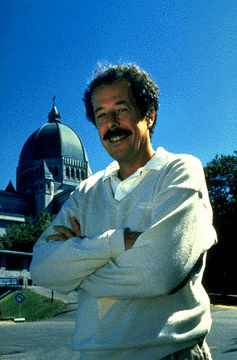
-
Article
Quebec Film History: 1990 to Present
This entry presents an overview of Quebec cinema, from the explosion that followed Denys Arcand’s Le déclin de l’empire américain (1986) to the setback that followed 10 years later and the new wave of filmmaking that emerged at the beginning of the 21st century. It highlights the most important films, whether in terms of box office success or international acclaim, and covers both narrative features and documentaries. It also draws attention to an aspect of filmmaking that still has difficulty finding its place: women's cinema.
"https://d3d0lqu00lnqvz.cloudfront.net/media/media/3fc2649b-c4d7-4fc5-8f8f-d2d67ed75621.jpg" // resources/views/front/categories/view.blade.php
https://d3d0lqu00lnqvz.cloudfront.net/media/media/3fc2649b-c4d7-4fc5-8f8f-d2d67ed75621.jpg
-
Macleans
Quebec's Lt-Gov Resigns
In the end, no one had to tell Jean-Louis ROUX that the show could not go on. One of Canada's most distinguished actors, the 73-year-old Roux had been the subject of controversy ever since his August 8 appointment as Quebec's LIEUTENANT-GOVERNOR.This article was originally published in Maclean's Magazine on November 18, 1996
"https://thecanadianencyclopedia.ca/images/tce_placeholder.jpg?v=e9dca980c9bdb3aa11e832e7ea94f5d9" // resources/views/front/categories/view.blade.php
https://thecanadianencyclopedia.ca/images/tce_placeholder.jpg?v=e9dca980c9bdb3aa11e832e7ea94f5d9
-
Article
Queen Anne
Anne, Queen of England, Scotland and Ireland from 1702 to 1707, Queen of Great Britain and Ireland from 1707 to 1714 (born 6 February 1665; died 1 August 1714 in London, United Kingdom). Anne’s reign was dominated by the War of the Spanish Succession (Queen Anne’s War), which resulted in France ceding the Hudson Bay watershed, Acadia (New Brunswick and Nova Scotia) and Newfoundland to Great Britain under the Treaty of Utrecht. In 1710, Anne received Indigenous leaders known as the Four Kings of Canada, setting precedents for the modern relationship between Indigenous peoples and the Crown. The death of Anne’s last surviving child, William, resulted in the passage of the 1701 of Act of Settlement, which determines the royal line of succession in the United Kingdom, Canada and the other 13 Commonwealth realms to the present day.
"https://d3d0lqu00lnqvz.cloudfront.net/QueenAnne/Queen-Anne-William-Duke-of-Gloucester.jpg" // resources/views/front/categories/view.blade.php
https://d3d0lqu00lnqvz.cloudfront.net/QueenAnne/Queen-Anne-William-Duke-of-Gloucester.jpg