Share on Facebook
 Share on X
 Share by Email
 Share on Google Classroom
Branching off from the east arm of Great Slave Lake in the Northwest Territories, Thaidene Nëné National Park Reserve is rich with Indigenous historical and cultural significance. It spans more than 14,000 km² and lies in the heart of the Thaidene Nëné Indigenous Protected Area. From boreal forest and spanning lakes to subarctic tundra and rushing rivers, this park’s wide array of ecosystems demonstrates the diverse beauty this province has to offer. The land was designated as a national park reserve in August 2019, making it the 49th national park in Canada.
Name
Thaidene Nëné means “The Land of the Ancestors” in Dënesųłiné Yati. For the Łutsël K’é Dene, this land is the heart of their homeland.
Landscape and Wildlife
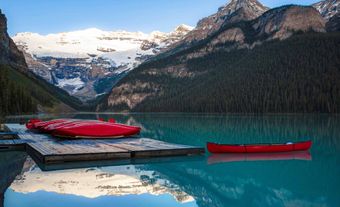
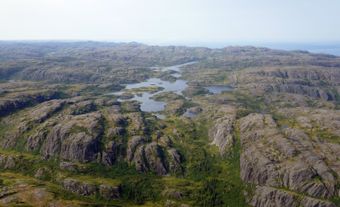
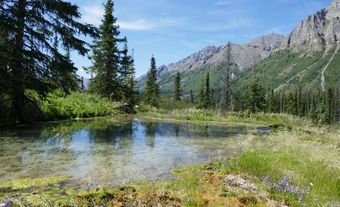
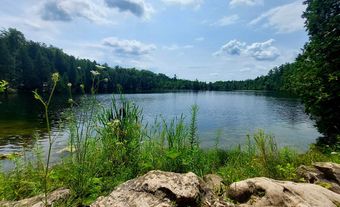
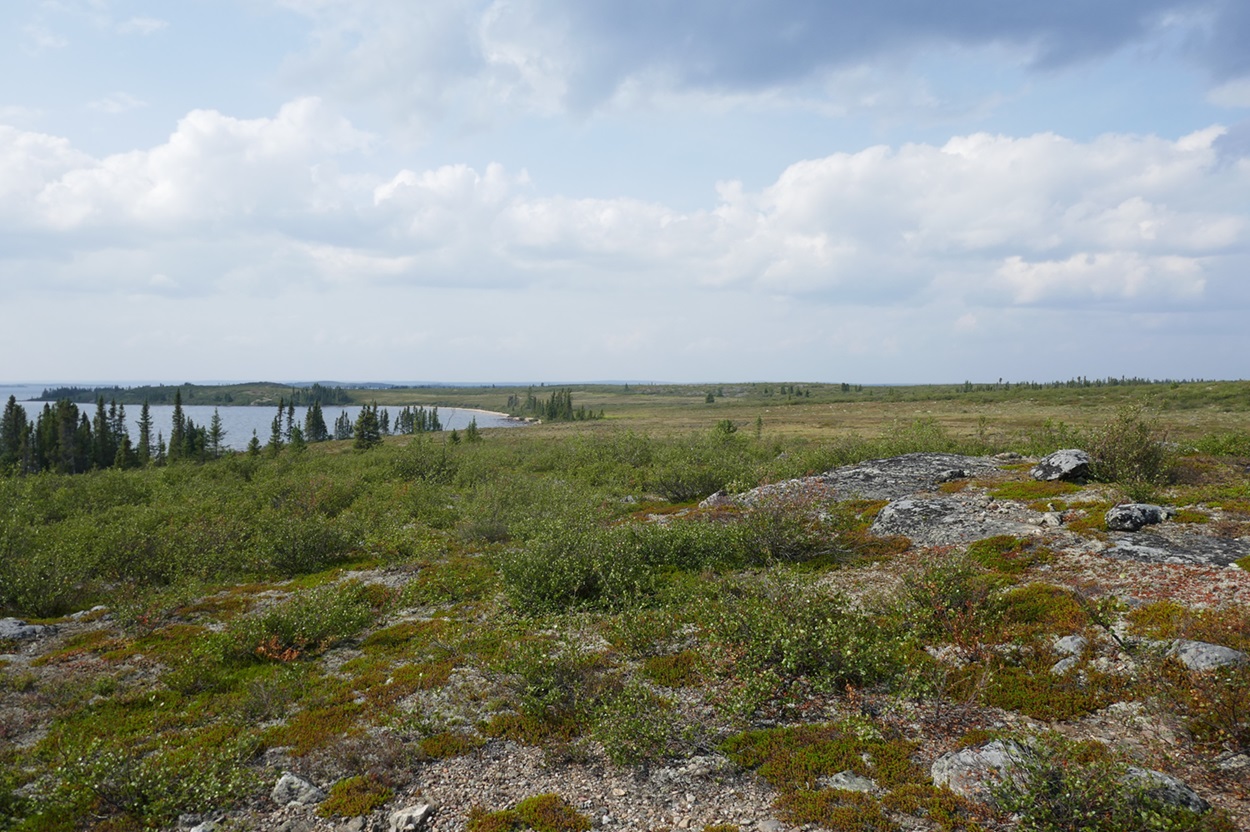
With more than 14,000 km² of land, Thaidene Nëné National Park Reserve houses a variety of landscapes, including boreal forest, tundra and freshwater ecosystems. Flowing rivers, dozens of lakes, rushing waterfalls, lone islands and sharp cliffs are dotted throughout the park, making it the perfect home for countless animals.
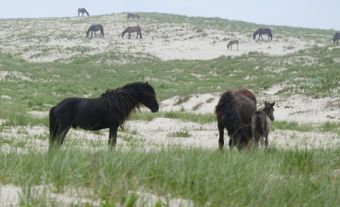
The forest and tundra ecosystems allow caribou, moose, wolves, bears, muskoxen, foxes, lynx and many other small mammals and birds to thrive. The large freshwater lakes and rivers are ideal habitats for lake trout, whitefish and northern pike, as well as beavers and other water-dwelling mammals. Due to the low human activity in this park, it is a haven for plants and wildlife.
Recreation
This park is best suited for experienced backcountry travellers with proper wilderness and first aid skills. With 700 kilometres of Great Slave Lake shoreline, as well as countless intricately woven waterways and lakes, this park is well-known for its angling and portaging opportunities. Visitors can fish for lake trout, Arctic grayling, northern pike, lake whitefish and other fish species.
While there are no designated campsites or hiking trails within the park, visitors are encouraged to wild camp and explore the land using Leave No Trace principles.
Thaidene Nëné is a remote park with no road access, so visitors can take a charter plane, watercraft or snowmobile into the area. Many visitors travel from Yellowknife, located about 190 kilometres outside of the park, or head to the park’s closest community, Łutsël K'é, which is a short 15-minute boat ride away. The community of Łutsël K'é has daily scheduled air charters and is a short boat or snowmobile ride from the park boundary. Multiple other charter operations are also available to provide guides and tours, cultural experiences and transportation. Many of them offer flightseeing tours from prop planes or helicopter, which provide a bird’s-eye view of the vast landscape.
Park Management
The park’s management is shared between Parks Canada and several Indigenous Governments: the Łutsël K’é Dene First Nation, the Northwest Territory Métis Nation, the Deninu Kųę First Nation and the Yellowknives Dene First Nation (see First Nations in the Northwest Territories).
Since this park holds significance to the Indigenous communities in the area, the management board for Thaidene Nëné (Thaıdene Nëné Xá Dá Yáłtı) has created a relationship plan, rather than a management plan, to provide objectives and strategic directions for the preservation of the park. This restricts the idea that there is ownership over the land — which further separates land and people — and encourages a relationship with the land instead.
Did you know?
Fort Reliance, built by the Hudson's Bay Company in 1833, is a national and territorial historic site located in Thaidene Nëné National Park Reserve at the mouth of the Lockhart River. It served as a base of operations for various expeditions led by Captain George Back, a British Royal Navy officer who explored the Canadian Arctic.
Visitor Services
While Thaidene Nëné National Park Reserve is a remote park with no visitor services, a “welcome camp” is set up throughout July to greet visitors in a traditional DenesǫŁine way. Dene traditional knowledge holders and Parks Canada staff welcome guests to the park with tea and bannock, visits around the campfire and cultural practices like hide scraping and drying meat.
Travellers are required to register their visit to the park before arrival so park staff can assist with planning and emergency responses if necessary.
Indigenous Significance
For the Łutsël K’é Dene, this land is the heart of their homeland. The park is situated within the Thaıdene Nëné Indigenous Protected Area, also known as the Land of the Ancestors, and the surrounding Indigenous communities act as environmental stewards for the area.
The land was first sought out as a national park in the 1960s, but was put on hold in the 1970s because members of the Łutsël K’é Dene First Nation were not in favour of the idea. The prospect was brought up again in 2000 by Chief Felix Lockhart in order to protect the landscape from development. Following multiple discussions between the government of the Northwest Territories, Parks Canada, the Łutsël K’é Dene First Nation, the Northwest Territory Métis Nation and other Indigenous groups, the landscape became a designated national park reserve in August 2019.
Did you know?
The community of Łutsël K’é used to be called Snowdrift because it is located at the mouth of the Snowdrift River. It was established as a Hudson Bay trading post in 1925. Today, about 300 people call Łutsël K’é home, and it is only accessible by boat, plane, or snowmobile. It is considered the gateway to Thaıdene Nëné National Park Reserve.