Share on Facebook
 Share on X
 Share by Email
 Share on Google Classroom
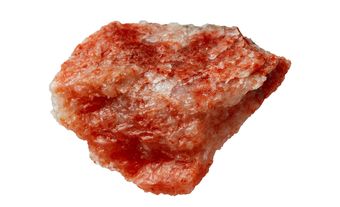
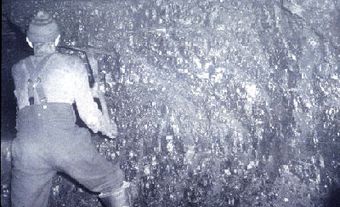
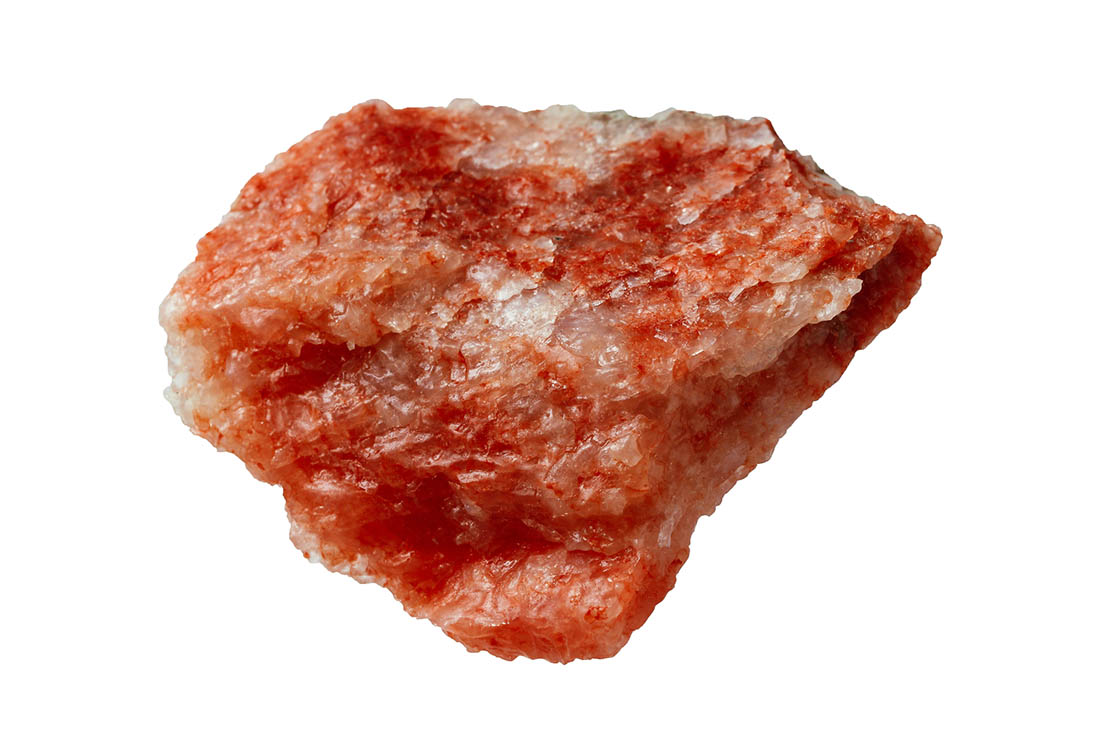
Minerals are natural resources. They are different from fossil fuels like natural gas, oil and coal, though. Unlike fossil fuels, minerals are not made from plants or animals. Canada has a lot of minerals. They are mines everywhere in Canada. In fact, Canada is among the biggest producers of minerals in the world. Minerals found in Canada include gold, potash, uranium, diamonds and cobalt.
This article is a plain-language summary of Mineral Resources in Canada. If you are interested in reading about this topic more in depth, please see our full-length entry, Mineral Resources in Canada.
Mineral Resources in Canada
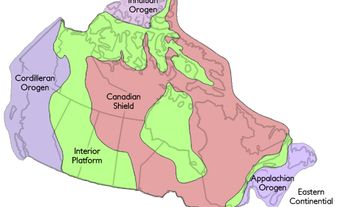
Canada has six geological regions. Five regions and their mineral resources are discussed here. The sixth, the Continental Shelf, is a source of oil and natural gas.
The Canadian Shield makes up about fifty percent of Canada. It has many precious and base metals. Precious metals are rare. They include gold and diamonds. Base metals are common. They include copper, aluminum and zinc.
The Interior Platform is a large area like the Canadian Shield. It stretches from the mountains in the west to the Canadian shield in the east. From north to south, it goes from the Arctic Ocean to the United States. In the western part there is potash, salt, natural gas and coal. The northern area has copper, zinc, gold and nickel. The eastern area has fewer metallic minerals. It does, however, contain much salt.
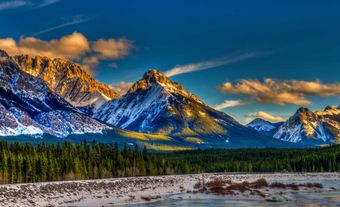
The Canadian Cordillera makes up much of British Columbia, the Yukon and the western part of the Northwest Territories. The western and central areas have minerals like gold, silver, iron and zinc. The east has coal, oil and natural gas.
The Appalachian Orogen is southeast of the Shield and makes up New Brunswick, Nova Scotia, Prince Edward Island, western Newfoundland and parts of Quebec. The region has asbestos, zinc and lead.
The Innuitan Orogen is located in the Arctic. It is thought that this region has a lot of minerals. It is known to have zinc, lead, rock salt and gypsum.
History of Mineral Resources in Canada

Mineral resources have been very important to the development of Canada. In fact, mineral resources drive the Canadian economy. Canada is one of the biggest producers of mineral resources in the world.
18th Century
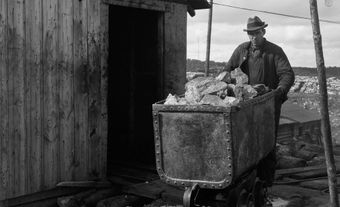
Mining is one of the oldest industries in Canada. In the late 1770s iron ore was mined in Quebec. Gypsum was mined in Nova Scotia in the late 1770s.
19th Century
Iron became a very important mineral in the 19th century. It was key to industrialization around the world. It was one of the main building materials. Iron furnaces were first built in Upper Canada (modern day Ontario) in the early 19th century. At the same time, copper was being produced in Upper Canada too. In Quebec, gold was being mined. It was first found near Quebec City. Later, gold was found in British Columbia. This started a gold rush. Many thousands of people went to region searching for gold. More gold was found in British Columbia later in the century. Much silver, zinc and lead was also found.
Many more minerals were found throughout the rest of Canada at the same time. It was during the 19th century when Canadians discovered that their country had enormous amounts of minerals. There was more gold in Nova Scotia, asbestos in Quebec and nickel-copper in Northern Ontario. More gold was discovered in the Yukon at the end of the 19th century. This led to yet another gold rush. The discovery of so many mineral resources contributed to making Canada wealthier than it had been before.
20th Century
Mining continued to expand during the first half of the 20th century. One reason for this was that the railway now linked Canada from east to west. This made it easier to explore for minerals and to transport minerals. Another reason was the First World War. Many more minerals were needed for the war effort.
Mineral extraction continued to gain momentum following the war. Scores of new mines opened across Canada. Mines were started virtually everywhere in Canada. One of the more important discoveries was uranium. It was found around the Great Lakes and the Northwest Territories. Uranium is a key mineral used in nuclear bombs and nuclear plants.
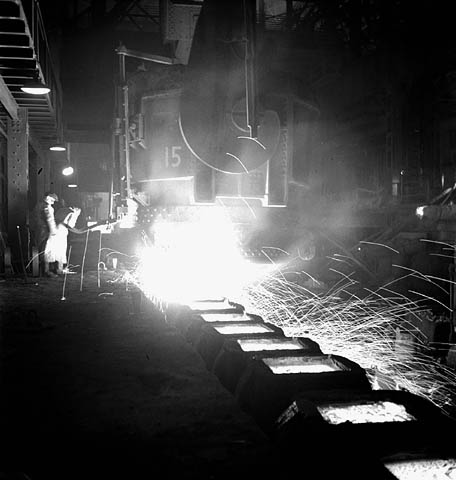
The Second World War brought about even more mineral production in Canada. This was particularly true for steel and aluminum. Both were important to the development of war materials. Following the war, even more minerals were discovered. For instance, nickel was found in Manitoba, while more uranium was found in Saskatchewan and Ontario. Meanwhile, potash was found in Saskatchewan. Later in the 20th century, more gold mines developed in Canada. Some of the major gold mines were started in Quebec, Ontario, British Columbia and Newfoundland.
Controversies
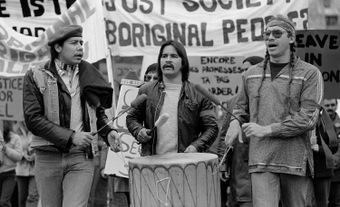
Many more discoveries of natural resources have been made in Canada since the late 20th century. Although they have helped Canada become rich, they have also been controversial. For instance, they have caused labour disputes and fights over land claims between the Indigenous peoples in Canada, the federal government and mining corporations. Mining has also damaged the environment (see Pollution). Many Canadians worry that more damage is going to occur. The controversy will continue in the future.