Share on Facebook
 Share on X
 Share by Email
 Share on Google Classroom
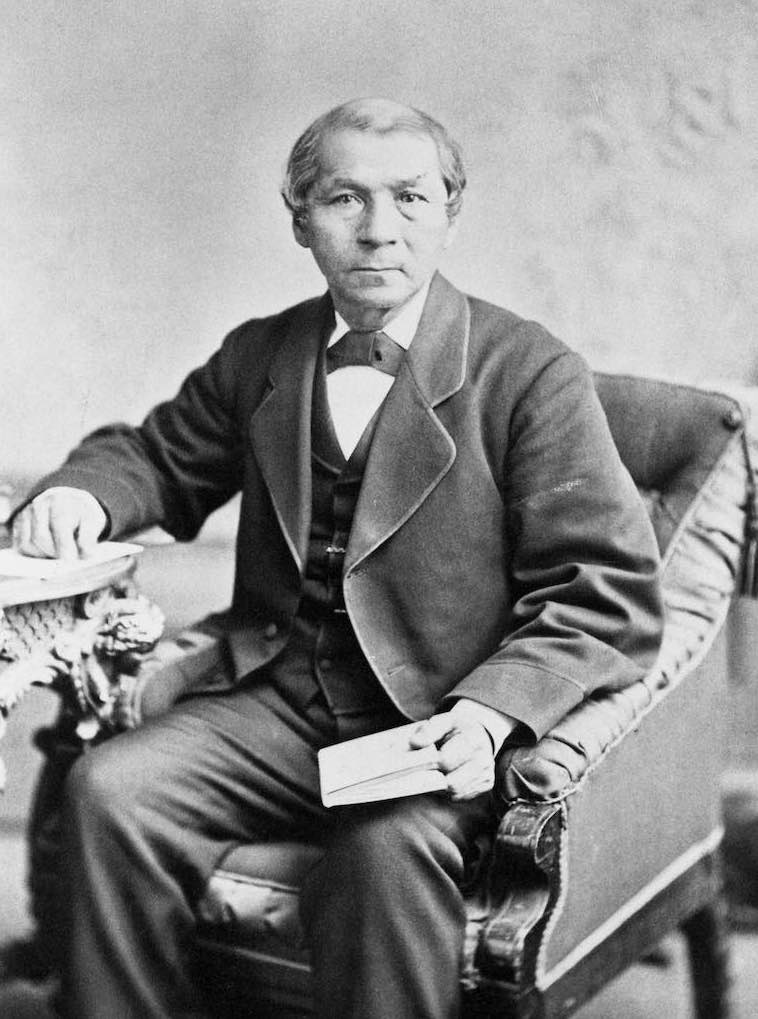
Henry Bird Steinhauer, Shahwahnegezhik (Ojibwe) or Sowengisik (Cree), which may have meant "southern skies," Methodist minister, Indigenous leader (born c. 1818-20 near Lake Simcoe [now Chippewas of Rama First Nation, ON]; died 29 December 1884 at Whitefish Lake, AB). Henry Bird Steinhauer was the first Indigenous missionary in Alberta and helped to establish the community that became Whitefish Lake First Nation.
Early Life
Henry Bird Steinhauer was born near Lake Simcoe, Upper Canada (now Ontario). His father died early in his life and he was raised by his mother and extended family. Around age 10, his mother agreed to his attending a mission school near present-day Belleville, Ontario. Steinhauer joined a choir group that travelled to raise funds for the mission school. At this time, he was known as Shahwahnegezhik. An individual in Philadelphia agreed to sponsor Shahwahnegezhik in his studies. As a result of this sponsorship, Shahwahnegezhik took his benefactor’s last name and became known as Henry Bird Steinhauer. This sponsorship allowed Steinhauer to attend the Seminary of the Genesee and Oneida Conferences (later Cazenovia College) in New York state and Upper Canada Academy in Cobourg, Upper Canada.
Missionary Work
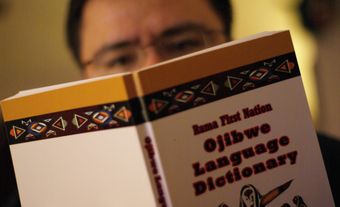
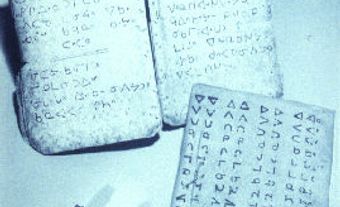
Henry Bird Steinhauer accompanied James Evans to Rupert’s Land in 1840. Steinhauer spoke Anishinaabemowin, which is related to the Cree language. He was chosen to help Evans translate the Bible and hymns into Cree. In 1844, Steinhauer arrived in Norway House (in present-day Manitoba). By 1846, he was serving as the chief translator at Norway House. Around 1850, he was appointed to Oxford House. In 1855, he was ordained by the Canada conference (Methodist) and sent to Lac La Biche, Alberta. In the late 1850s, Steinhauer moved to Whitefish Lake, Alberta, to found an Indigenous Christian community. He promoted agriculture in the community in hopes of ensuring the community would prosper as settlers arrived in the territory.