Share on Facebook
 Share on X
 Share by Email
 Share on Google Classroom
The American Revolution (1775–83) was a rebellion of 13 British colonies on the Atlantic coast of North America. Early in the war, rebel forces invaded Canada. However, they were forced to retreat. American rebels tried to gain support from people in Quebec and Nova Scotia. However, most people in these colonies remained neutral or supported the British government. The American Revolution created the United States and shaped the future of Canada. Thousands of Loyalists migrated to Quebec and Nova Scotia. Their arrival led to cultural and political changes. This included the creation of Upper Canada and New Brunswick. Britain’s Indigenous allies also lost territory. Many Haudenosaunee settled along the Grand River and the Bay of Quinte after the war.
This article is a plain-language summary of the American Revolution. If you are interested in reading about this topic in more depth, please see our full-length entry, Canada and the American Revolution.

Causes
One of the causes of the Revolution was the end of the Seven Years’ War in 1763. Britain defeated France, which gave up most of its North American territories. Without France as a threat, many American colonists felt they no longer needed British military protection. At the same time, Britain introduced new taxes on the colonies. These taxes were to help pay off debts from the war. Many colonists strongly opposed the taxes.
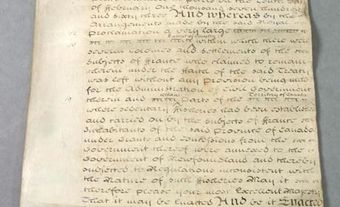
Tensions increased when Britain passed the Quebec Act in 1774. This law protected the rights of Roman Catholics in Quebec, restored French civil law and expanded Quebec’s territory into the Ohio Valley. Many American colonists disliked the Act because they were anti-Catholic and wanted access to western lands for settlement. These disagreements helped push Britain and the colonies toward war. The war started in April 1775.
Response: Colonists and Indigenous Peoples
American colonists in the Thirteen Colonies were divided. Some supported the revolution while others remained loyal to Britain. There was some support for the rebels in Nova Scotia and Quebec. Several Montreal merchants opposed the new taxes. But most French Canadians, especially religious leaders and landowners, remained neutral or loyal to Britain.
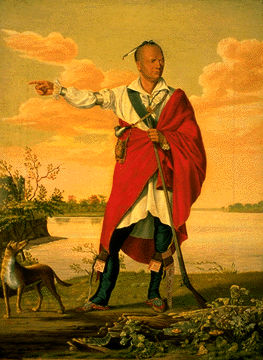
Indigenous communities were also drawn into the conflict. Many members of the Haudenosaunee (Iroquois) and Seven Nations confederacies fought alongside the British army. Leaders like Joseph Brant (Thayendanegea) were valuable allies. Others, however, supported the American rebels.
Invasion of Quebec
In 1775, the Americans launched an invasion of Quebec. One force led by Richard Montgomery moved north through the Richelieu River valley. It captured several forts before taking Montreal without resistance. A second force, led by Benedict Arnold, travelled through the difficult wilderness of Maine toward the town of Quebec. Arnold’s troops suffered from hunger, illness, harsh conditions and desertions. However, they eventually reached Quebec.
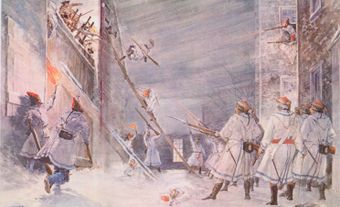
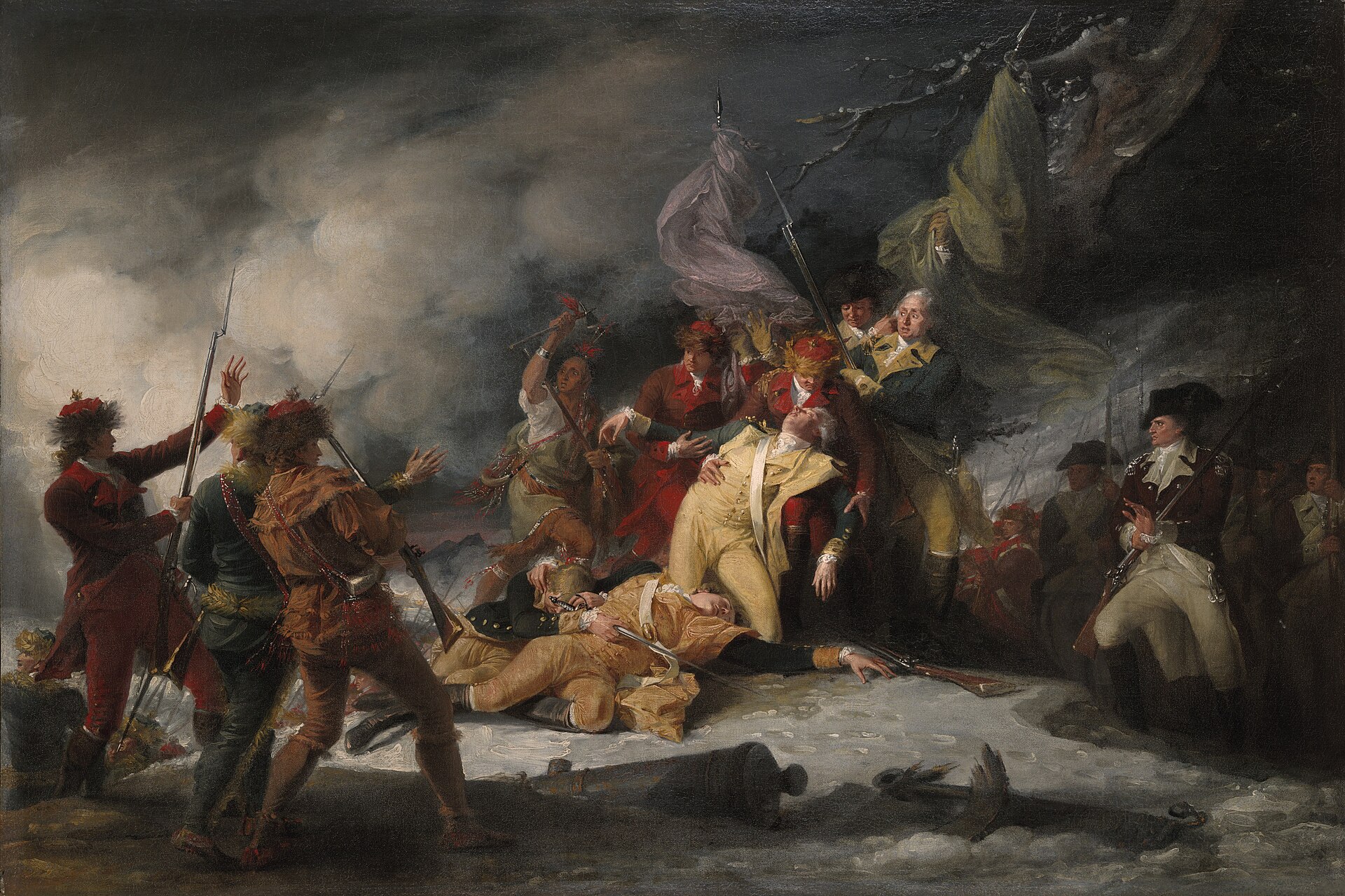
The two American forces joined together and attacked the town of Quebec during a snowstorm on 31 December 1775. The attack failed. Montgomery was killed, Arnold was wounded and hundreds of American soldiers were captured. The Americans remained outside the town through the winter. They continued the siege until spring of 1776. That is when British reinforcements arrived. By June 1776, the invasion had ended.
Nova Scotia
The revolution also affected Nova Scotia. The colony officially remained loyal to Britain. However, some residents secretly supported the American cause. American privateers raided coastal communities. In 1776, a group of rebels and local supporters attacked Fort Cumberland. The British successfully defended the fort. The rebellion collapsed in Nova Scotia.
Significance
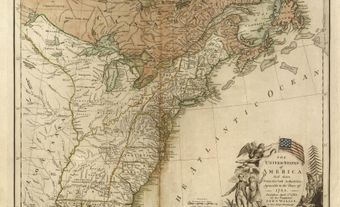
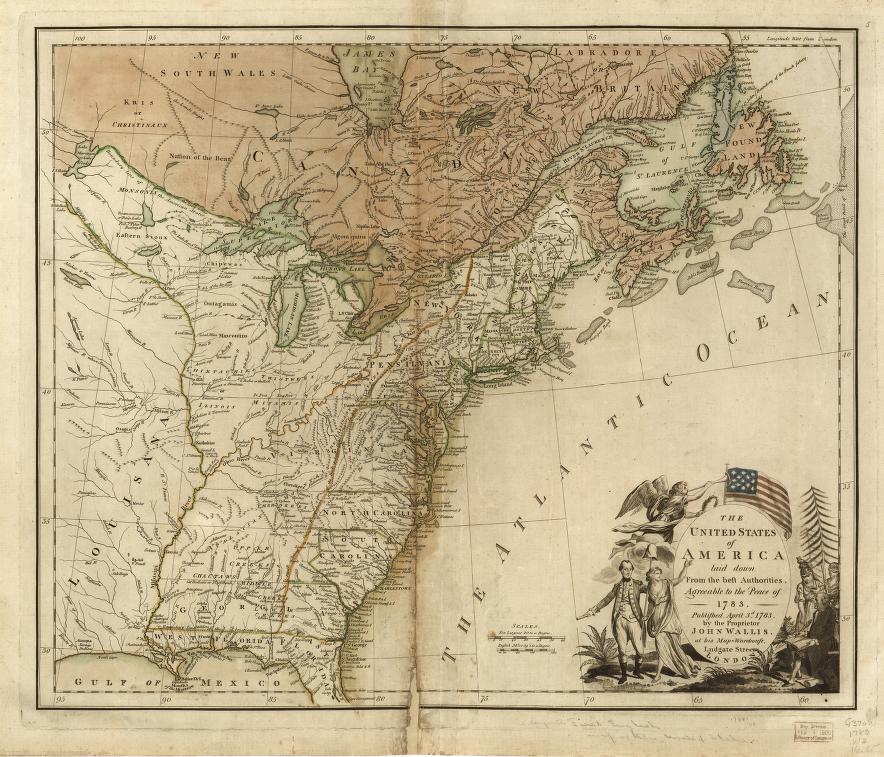
The American colonies declared independence in 1776. Britain officially recognized the United States in the 1783 Treaty of Paris.
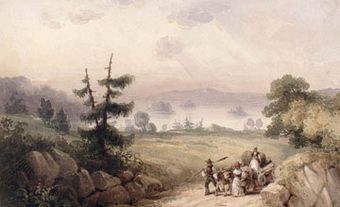
The Revolution had lasting effects on Canada. More than 80,000 Loyalists left the United States. About half of them, including about 3,000 Black Loyalists, settled in Quebec and the Maritime colonies. Their arrival had a major influence on Canadian culture, politics and development. The migration contributed to the creation of Upper Canada and New Brunswick.
When Britain signed the Treaty of Paris, it also gave Haudenosaunee territory to the United States. Indigenous allies were offered money and land in return for their loyalty. Many Haudenosaunee settled along the Grand River and the Bay of Quinte.