Share on Facebook
 Share on X
 Share by Email
 Share on Google Classroom
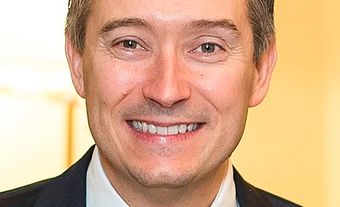
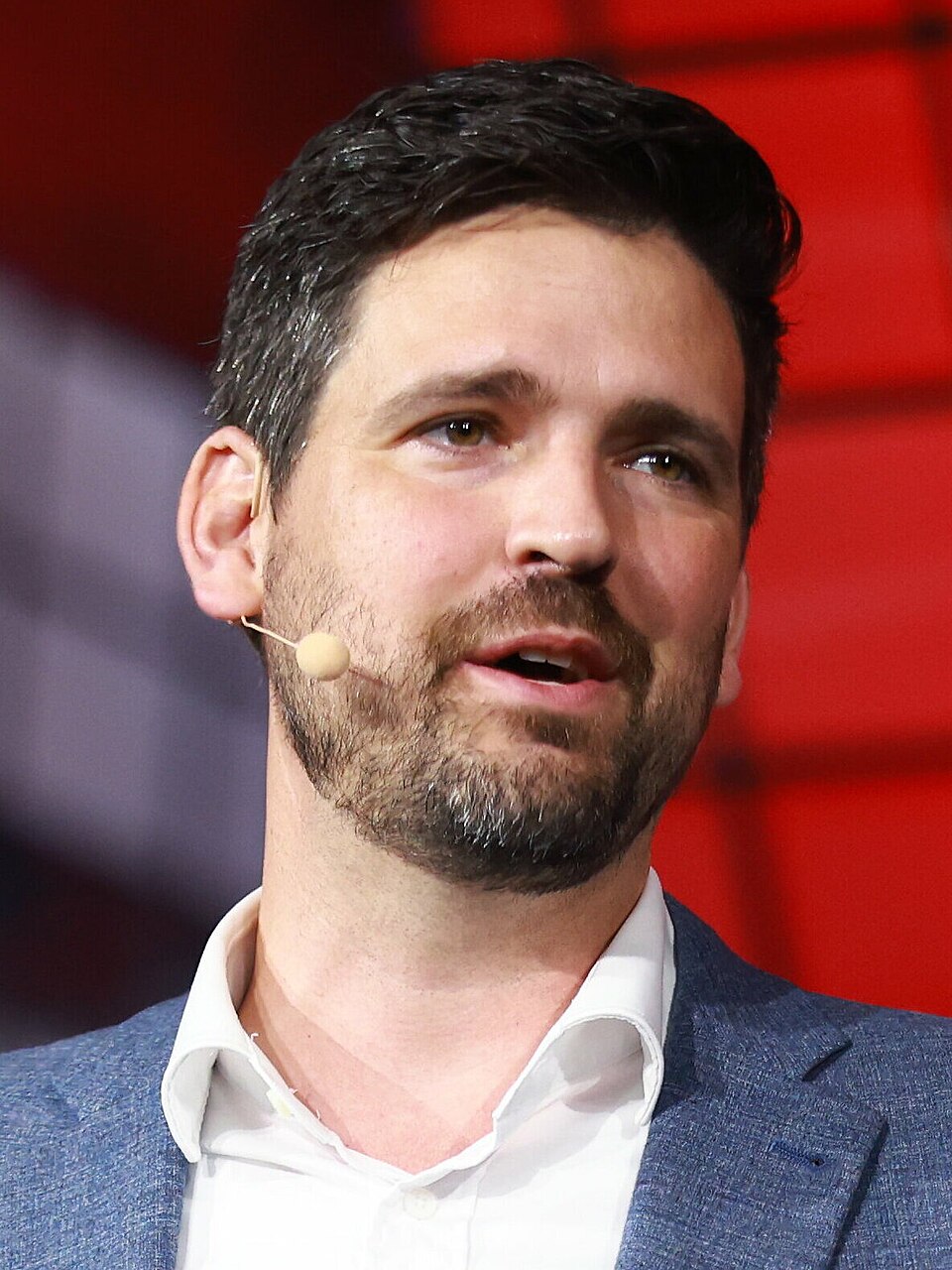
Sean Fraser, minister of Justice and attorney general of Canada and minister Responsible for the Atlantic Canada Opportunities Agency 2025–present, Member of Parliament 2015–present, parliamentary secretary, Cabinet minister, politician, lawyer (born 1 June 1984 in Antigonish, NS). Before entering politics, Sean Fraser was a lawyer and an engaged citizen. In 2015, he was elected as the Liberal Party candidate in the Nova Scotia riding of Central Nova — a longtime Conservative stronghold. Fraser was a parliamentary secretary for various ministries before being appointed minister of Immigration, Refugees and Citizenship in 2021. Fraser also served as the minister of Housing, Infrastructure and Communities. He has been minister Responsible for the Atlantic Canada Opportunities Agency as well as Canada’s attorney general and minister of Justice since May 2025.
Early Life and Education
Sean Fraser grew up in a large family in the rural community of Merigomish, in Pictou County, Nova Scotia. His parents were teachers.
Fraser earned a Bachelor of Science at St. Francis Xavier University in 2006. He was elected president of the university’s Students’ Union and led efforts to have the provincial and federal governments increase their education budgets. In 2009, he earned a law degree at the Schulich School of Law at Dalhousie University. Two years later, Fraser earned a master’s degree in public international law at Leiden University in the Netherlands.
Early Career
Sean Fraser worked as a human rights lawyer in South Africa before beginning his legal career as a commercial litigator with the Calgary-based firm Blake, Cassels & Graydon in 2012.
Back home in Nova Scotia, Fraser became an engaged citizen. He volunteered in his community and served as vice-president of a branch of the United Nations Association in Canada. He was also a research fellow with the Centre for International Sustainable Development Law and offered pro bono legal help to organizations and individuals.
Fraser and his wife, Sarah, have a son and a daughter together.
Entry into Politics
Heading into the 2015 federal election, Nova Scotia’s Central Nova riding had been a conservative stronghold for years. Former federal Progressive Conservative Party leader Peter MacKay had held the seat for 18 years. Many Conservatives had held it before that. In the 2011 election, the Liberal candidate had won only 14 per cent of the riding’s votes. Sean Fraser was nominated by the Liberal Party to be Central Nova’s candidate. In the election on 19 October 2015, the Liberals formed a majority government. Fraser beat the odds to earn 58.2 per cent of the vote to win his riding.
Fraser represented the people of Central Nova and serving on parliamentary committees. In August 2018, he was appointed parliamentary secretary to the minister of Environment and Climate Change. A parliamentary secretary is a member of Parliament who helps Cabinet ministers with routine House of Commons duties, in committee work, and with other tasks outside of Parliament. The job is seen by many as training for those who may someday be in Cabinet.
In the October 2019 federal election, Fraser retained his seat with 46.5 per cent of the vote. Two months later, he was appointed parliamentary secretary to the minister of Finance and to the minister of Middle Class Prosperity and associate minister of Finance. During the COVID-19 pandemic, Fraser earned national exposure as an eloquent spokesperson addressing the government’s fiscal challenges.
In March 2021, Fraser was appointed parliamentary secretary to the deputy prime minister and minister of Finance while continuing as parliamentary secretary to the minister of Middle Class Prosperity and associate minister of Finance.
Cabinet Service
Fraser was re-elected in September 2021, earning 46.2 per cent of the vote. Prime Minister Justin Trudeau appointed Fraser the minister of Immigration, Refugees and Citizenship. Newly appointed ministers receive mandate letters from the prime minister outlining their responsibilities and priorities. Fraser’s 13 priorities were based on his continuing to bring new Canadians to the country according to the 2021–23 Immigration Levels Plan. The plan called for the addition of over 400,000 new Canadians a year for three years.
Fraser’s time as leader of the ministry was challenging. By July 2023, about 2.4 million applicants for entry into Canada were delayed in a process slowed by aging technology, insufficient staff and an overwhelming number of applicants. Opposition leader Pierre Poilievre later called the immigration system broken and demanded changes, including linking the number of new Canadians to housing availability.
In July 2023, a Cabinet shuffle saw Fraser appointed minister of Housing, Infrastructure and Communities. He led the department as it managed an $82-billion, 10-year National Housing Strategy. It sought to work with the private sector and provincial and municipal governments, while coordinating federal departments and agencies to address the national housing shortage by building more homes. As part of the strategy, Fraser also began the allocation of $5.3 billion over nine years to combat homelessness.
Resignation and Reversal
By late 2024, the beleaguered Trudeau government trailed Pierre Poilievre and the Conservatives by more than 20 points in the polls. There was a wave of resignations from both the Liberal caucus and Cabinet as many anticipated a bloodbath in the next election.
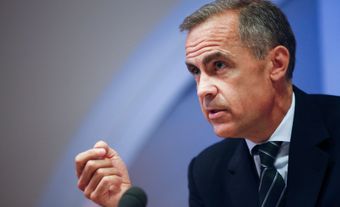
In December 2024, Fraser resigned his Cabinet post and announced that he would not seek re-election in 2025 due to the strain his public service was having on his family. However, in the months that followed, former Bank of Canada governor Mark Carney replaced Trudeau as Liberal leader and prime minister. When Donald Trump was sworn in for a second term as president of the United States, he began threatening Canada’s economy and sovereignty. In March 2025, Fraser announced that he had changed his mind and would run for re-election. Fraser said, “It's an opportunity to demonstrate to my kids that when there are important fights to have, good people need to stand up to bullies.”
Cabinet Minister in Carney Government (2025–Present)
In the April 2025 federal election, the Liberal Party returned to office with a minority government. Fraser won the Central Nova riding with 51.9 per cent of the vote. Prime Minister Carney appointed Fraser the minister Responsible for the Atlantic Canada Opportunities Agency as well as Canada’s attorney general and minister of Justice. As minister of Justice, Fraser is responsible for developing justice policy while ensuring that all actions of the government obey the law. As attorney general, he conducts litigation on behalf of the government while overseeing all prosecutions involving federal law.
Among the initiatives Fraser led in his first months as attorney general and minister of Justice were changes to bail laws and legislation to protect freedom of speech. Fraser also stated that he opposed provincial premiers who were discussing using the notwithstanding clause to pass legislation limiting citizen’s rights. He said, “We are going to stand ardently in defence of the Charter and the rule of law, and thankfully it will be the court and not a federal or provincial government who will make the decisions.”