Share on Facebook
 Share on X
 Share by Email
 Share on Google Classroom
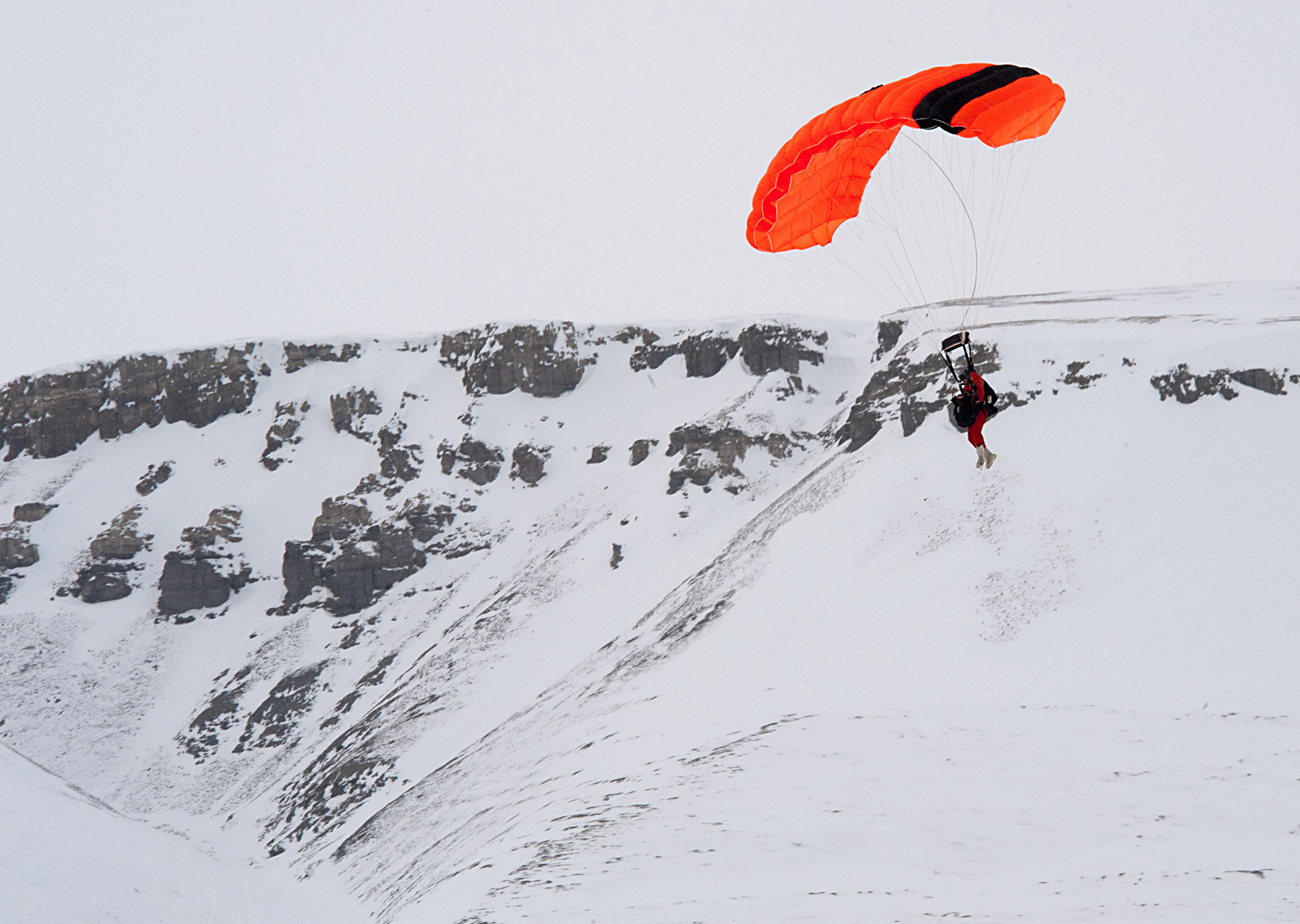
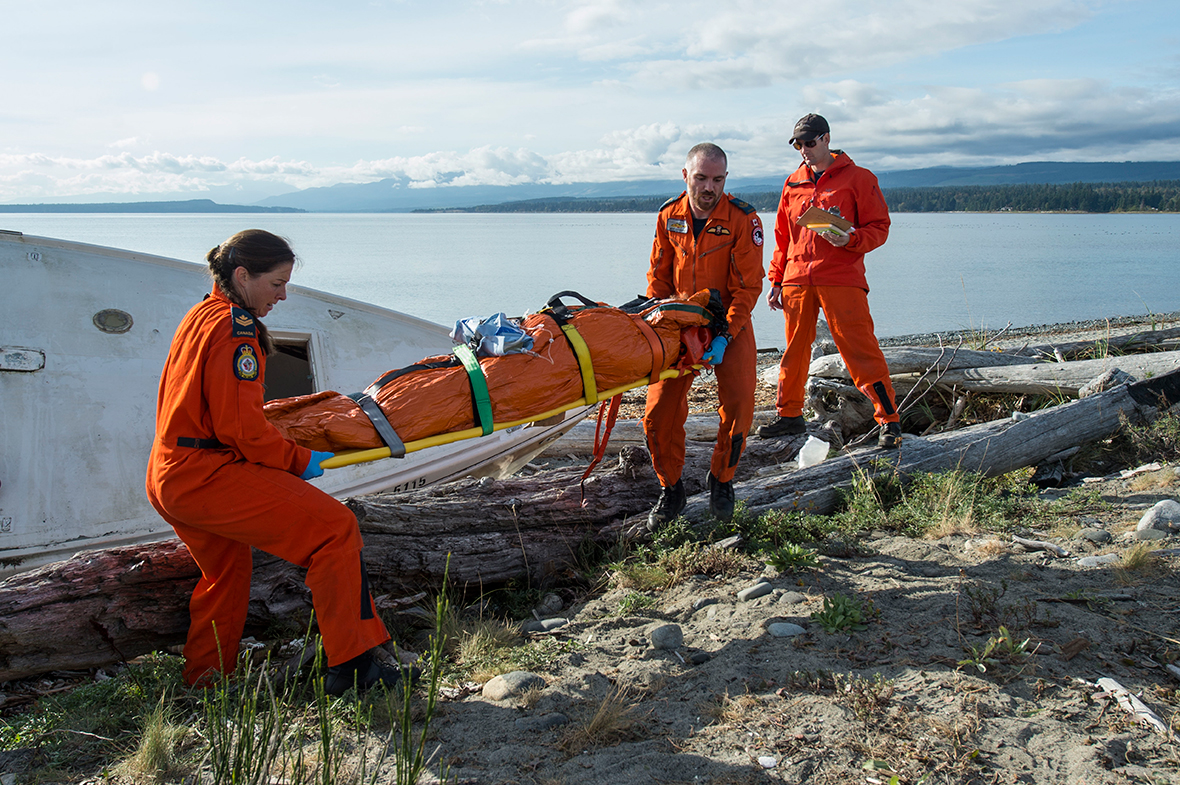
Para-rescue refers to the removal and treatment of casualties in harsh and remote areas by highly trained rescue specialists who deploy from rotary- or fixed-wing aircraft. Since June 1947, the Royal Canadian Air Force (RCAF) has been primarily responsible for search and rescue (SAR) work in Canada, which now includes not only air incidents but also sea incidents and humanitarian assistance. Para-rescue specialists are now known as search and rescue technicians or SAR Techs.
Early History
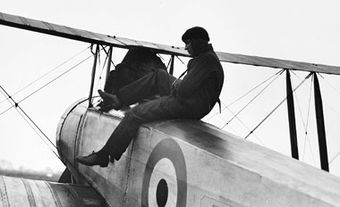
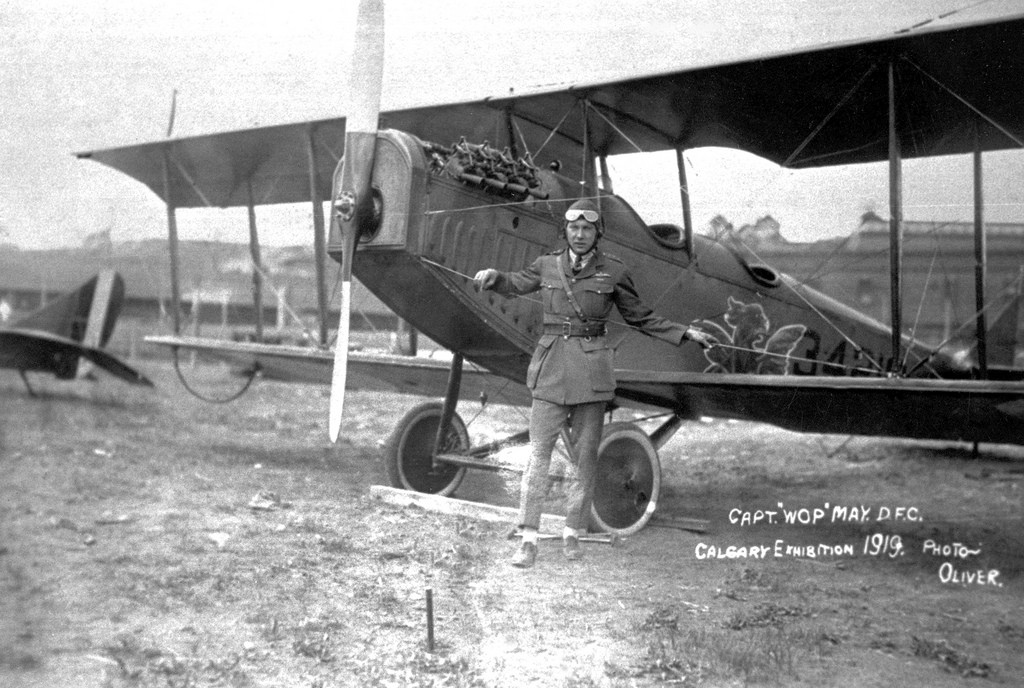
Para-rescue started in Canada through the initiative of Wilfrid “Wop” May, a First World War aviator and noted bush pilot. During the Second World War, May was the general manager of 2 Air Observer School in Edmonton. The Northwest Staging Route started in that city, ferrying aircraft to Alaska, many of which crashed en route. May noted that earlier assistance could have prevented some of the casualties. His solution was to train a group of personnel to parachute to crash sites and support survivors. Their initial parachute training was with the smoke-jumpers of the United States Forestry Service.
In December 1944, the RCAF took over the operation and training of para-rescue specialists. The first course started on 12 February 1945 with 12 volunteers, graduating in early May. The second course, with ten men, started soon thereafter, finishing in mid-August. The next courses would be in 1947, when the RCAF became officially responsible for aviation rescue in Canada.
Background
Shortly after the Second World War, the Government of Canada became a founding member of the International Civil Aviation Organization (which has headquarters in Montreal, Quebec). It was therefore obliged to meet the search and rescue requirements of that organization. In December 1945, Cabinet requested the Cabinet Defence Committee develop a SAR plan that maximized inter-departmental coordination and the use of existing resources.
On 18 June 1947, the Cabinet approved the plan and directed the RCAF to provide resources and an overall organization for aviation rescue in Canada. To this was added maritime SAR incidents on 12 July 1951, after Canada signed the International Convention for Safety of Life at Sea. While the RCAF remained the primary coordinator, the Royal Canadian Navy was responsible for maritime support. (See Search and Rescue in Canada.)
Training
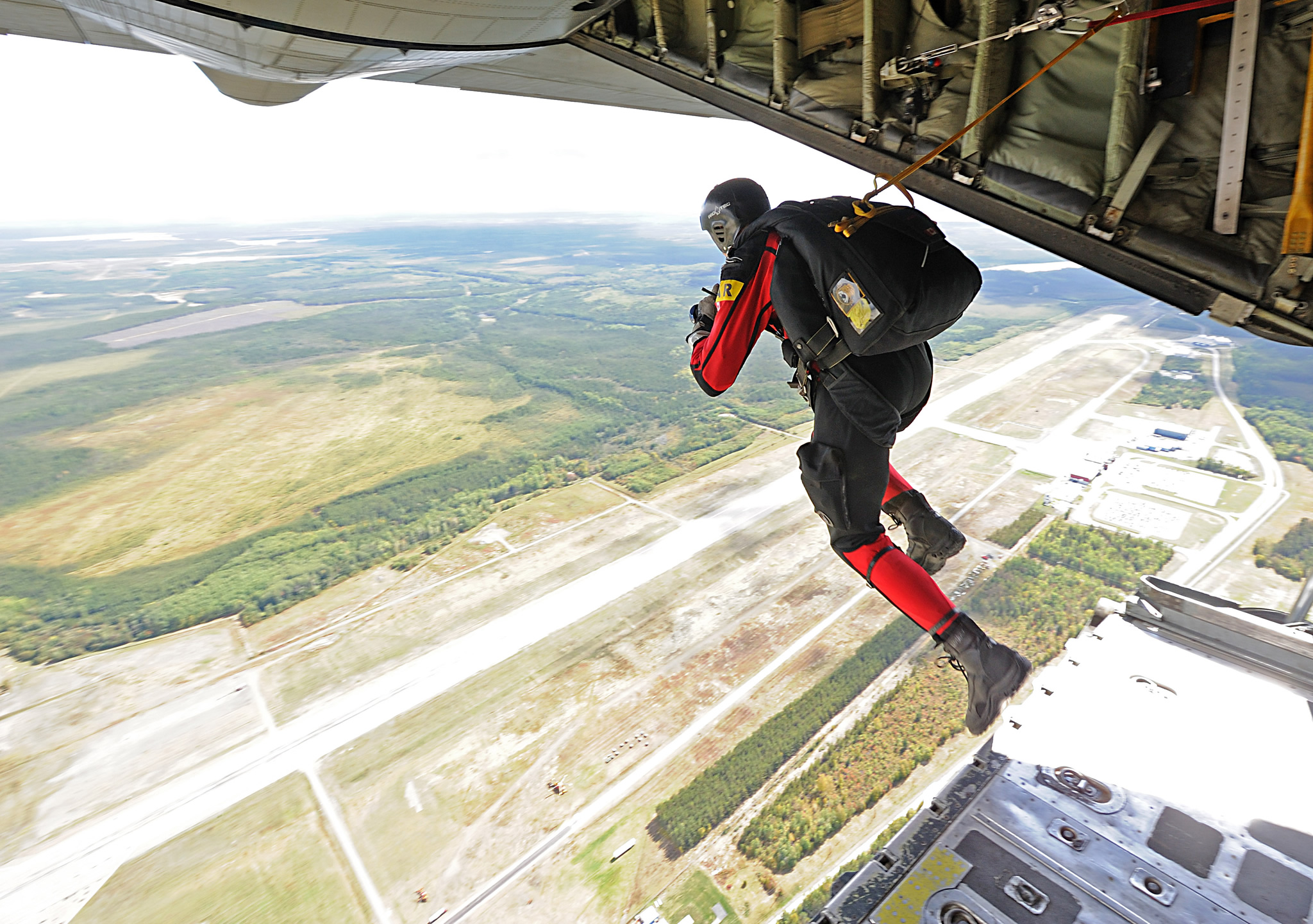
At first, para-rescue was a specialist skill rather than a trade. The volunteers had to be qualified in another trade and remained members of that trade. The initial para-rescue course was 18 weeks long, divided into two 9-week sections. The first section was in Edmonton and the second near Jasper.
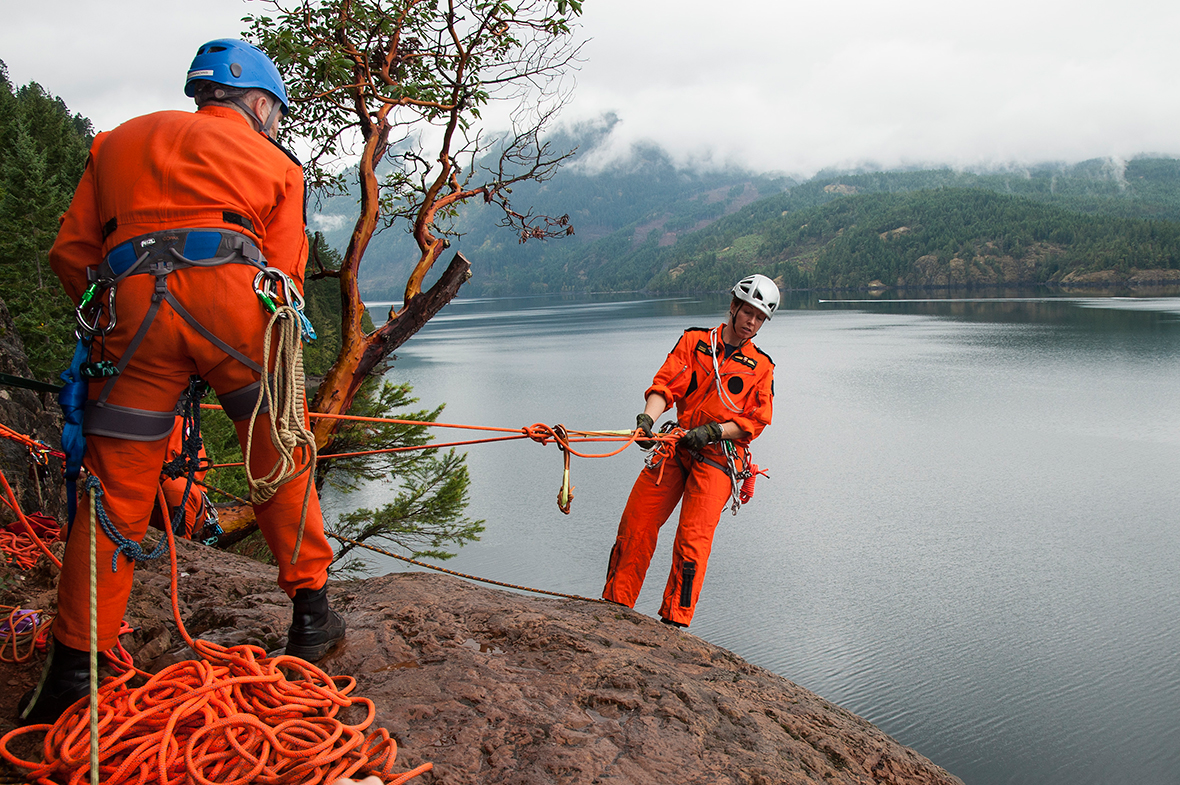
The ground training in Edmonton included SAR organization, history of parachuting, air search methods and techniques, ground search, parachute packing, maintenance and repair, parachute jump training, emergency medical treatment, radio procedures and morse code, Arctic and desert survival, supply dropping, celestial and ground navigation, bush lore (including shelter, raft, snowshoeing and trap construction and usage), casualty evacuation and transport.
The field phase included practical versions of the above (except Arctic and desert survival), as well as mountaineering, glacier traversing and skiing. Students also had to complete 10 jumps: six into an open area and four into a wooded one.
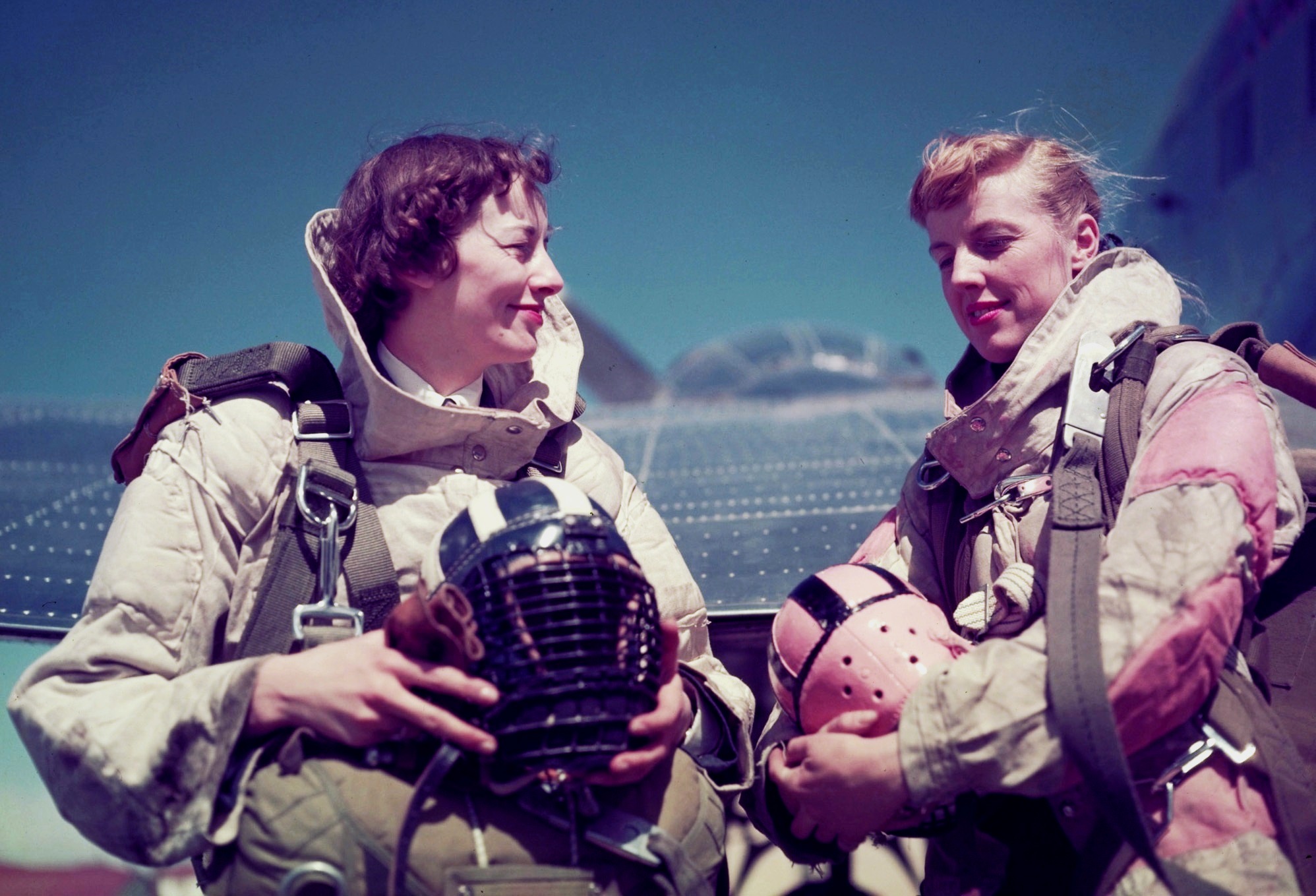
In the early 1950s, the RCAF ran two para-rescue courses for medical personnel. Each course had 16 students: two doctors, five nursing sisters and nine medical assistants. Training was reduced from 18 to 13 weeks, as the medical portion was eliminated from the classroom phase and the practical portion in the field reduced. These courses were discontinued, however, due to competing demands on medical personnel, who had little time to maintain jump status and couldn’t easily be replaced on short notice when emergencies arose. (See also RCAF Para-Belles.)
In 1972, the specialty name was changed from para-rescue to “rescue specialist.” The course also changed as new requirements were identified. In 1975, scuba diving was added, with that part of the course initially run by Fleet Diving Unit (Pacific) in Esquimalt, British Columbia. Trainees now also parachute into water. Medical training also improved, including refresher courses instituted in 1979. Due to an increased demand for rescue specialists and the associated problems with career development, Search and Rescue Technician (SAR Tech) became a trade (rather than a specialty) on 30 September 1979. By 1980, training had increased to six months; in 2025, para-rescue training takes 11 months.
Organization and Squadrons
The RCAF’s first Rescue Coordination Centre (RCC) was formed in November 1946 at Eastern Air Command Headquarters in Halifax. The others were located at Rockcliffe (outside Ottawa), Winnipeg, Edmonton and Vancouver, co-located with RCAF Commands. The Rockcliffe RCC moved to Trenton in 1950, while Edmonton was closed and its duties transferred to Winnipeg in 1959. The Vancouver RCC moved to Victoria in September 1970.
Each RCC was manned 24 hours a day. Equipped with excellent radio services, they could direct the new Communications and Rescue (C&R) and Search and Rescue (SAR) units to begin a search. There was at least one such unit in each RCC area, with two to four para-rescue technicians. By 1972, the number of para-rescue specialists at each SAR unit had increased to ten. Even with this increase, para-rescue personnel worked very long hours.
The SAR units were not static. In the 1950s, several were redesignated as “composite units” but continued their SAR role. After unification of the armed forces in 1968, four composite units became squadrons. There are now five squadrons whose principal role is SAR and three that fly SAR missions among their other tasks. The number of Rescue Coordination Centres was reduced as technology allowed better communications. By 2005, there were three — now renamed Joint Rescue Coordination Centres — in Victoria, Trenton and Halifax. (See Search and Rescue in Canada.)
Aircraft
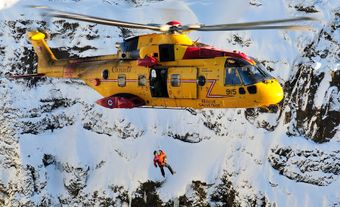
The RCAF’s SAR organization started with Second World War aircraft, including the Avro Lancaster bomber and Consolidated Canso flying boats. The RCAF received its first helicopter in April 1947. The role of the seven Sikorsky S-51s (H-5 Dragonfly in RCAF service) included search and rescue. The first two purchased specifically for SAR were the Grumman CSR-110 Albatross and the Boeing-Vertol CH-113 Labrador, both of which arrived in the early 1960s. Other aircraft would also be used in the SAR role. In the 21st century, new aircraft were procured: the AgustaWestland CH-149 Cormorant began to replace the Labrador in May 2000, and the Airbus CC-295 Kingfisher began to replace the De Haviland CC-115 Buffalo and SAR Lockheed CC-130H Hercules in 2025.
Survival Equipment
Survival equipment has also changed. During early SAR operations, aircraft dropped Second World War–era Lindholme Gear to survivors in the water. Lindholm Gear consisted of five interlinked floating containers, including a large dingy that inflated on hitting the water, plus survival rations. The MA-1 replaced it in 1962 and continued in operation until 1975. SAR Techs now use the SKAD (survival kit air-droppable) that includes life rafts and shelters. In the 1970s, the air force recognized that it needed to be prepared in the case of a major air disaster, especially in the Arctic. After an exercise in March 1976, a major air disaster (MAJAID) kit was developed that included tents, sleeping bags, heaters, food, water and generators.
Satellite Technology
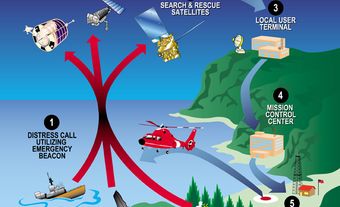
Perhaps the most important development in SAR technology was the introduction of the Search and Rescue Satellite-Aided Tracking (SARSAT) satellites. Along with the Soviet COSPAS ("Cosmicheskaya Sistema Poiska Avariynyh Sudov"), the satellites pick up the signal from emergency location beacons from downed aircraft, maritime vessels and people. The Soviet Union launched their first COSPAS satellite on 29 June 1982. The United States launched their first SARSAT on 28 March 1983. (See International Search and Rescue Satellite System)