Share on Facebook
 Share on X
 Share by Email
 Share on Google Classroom
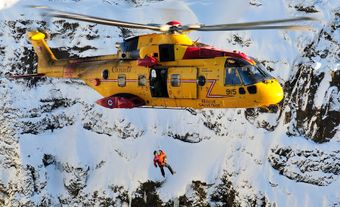
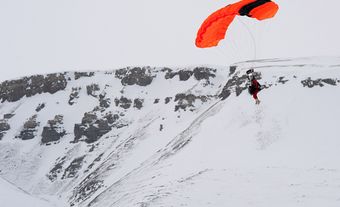
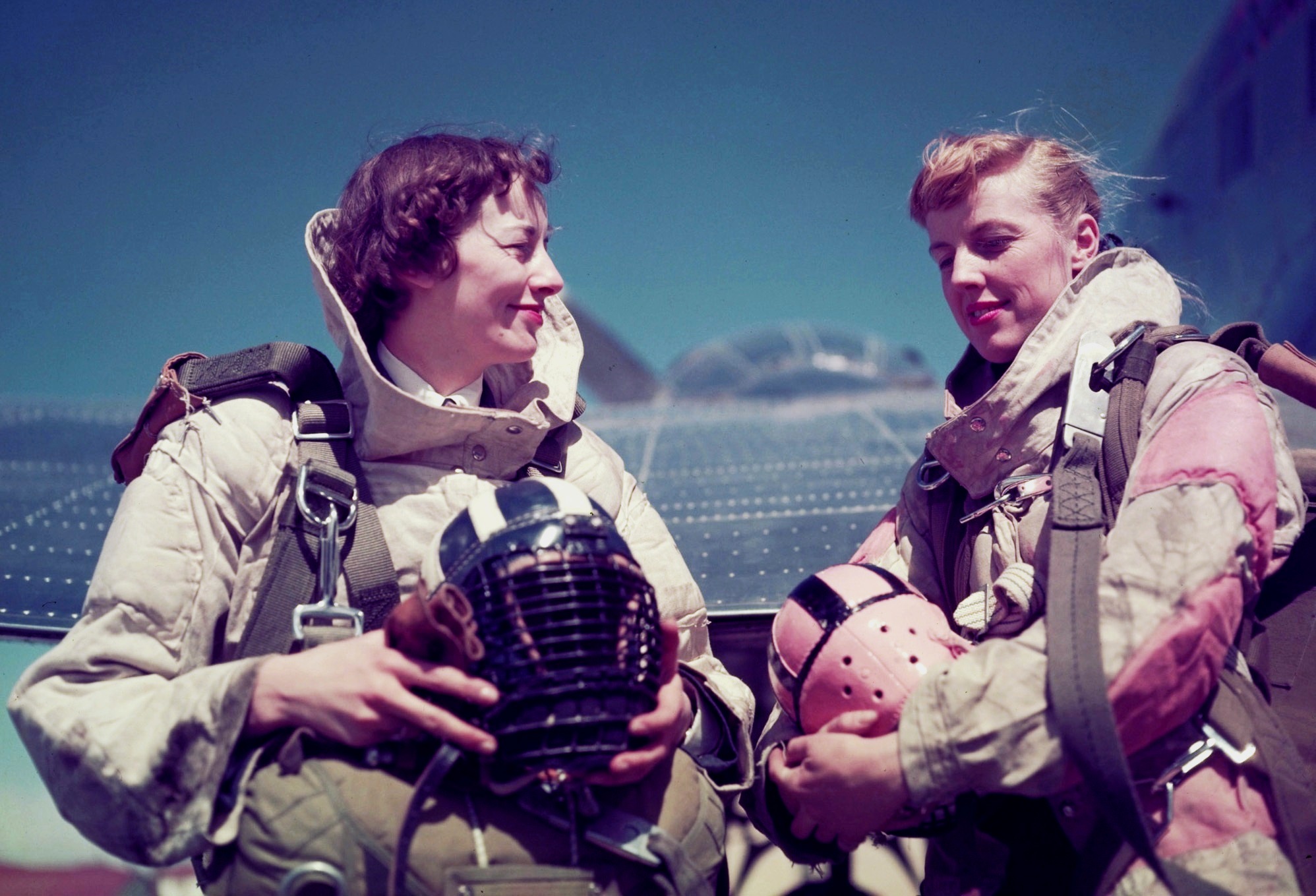
Between 1951 and 1957 the Royal Canadian Air Force (RCAF) had seven nursing sisters who were trained to perform the duties of para-rescue specialists, the early version of today’s search and rescue technicians. Admiringly referred to as “para-belles” or “para-pets” in the press, the nurses were part of a small group of medical professionals trained for para-rescue in the 1950s. No other women would undertake para-rescue/SAR tech training until 1997.
Early Para-Rescue
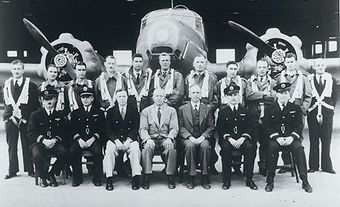
During the Second World War, aviation pioneer Wilfrid “Wop” May started a para-rescue team while serving as manager of No. 2 Air Observer School in Edmonton. The RCAF took over this operation in December 1944 and held two para-rescue courses in 1945 and one in 1947. On completion of para-rescue training, candidates were qualified in a specialty, retaining their regular trade. In June 1947, the government gave the RCAF the task of search and rescue, which meant that more para-rescue specialists were needed.
Para-Rescue Training for Medics
The 1950 course included Wing Commander J.R. Jackson, a doctor and head of the medical service in Northwest Air Command. In April 1951, Jackson recommended that medical personnel should be trained in para-rescue, to prevent casualties among aircraft crash survivors; failure to do so, he argued, would generate public criticism. The Air Staff agreed, and established para-rescue courses with medical personnel.
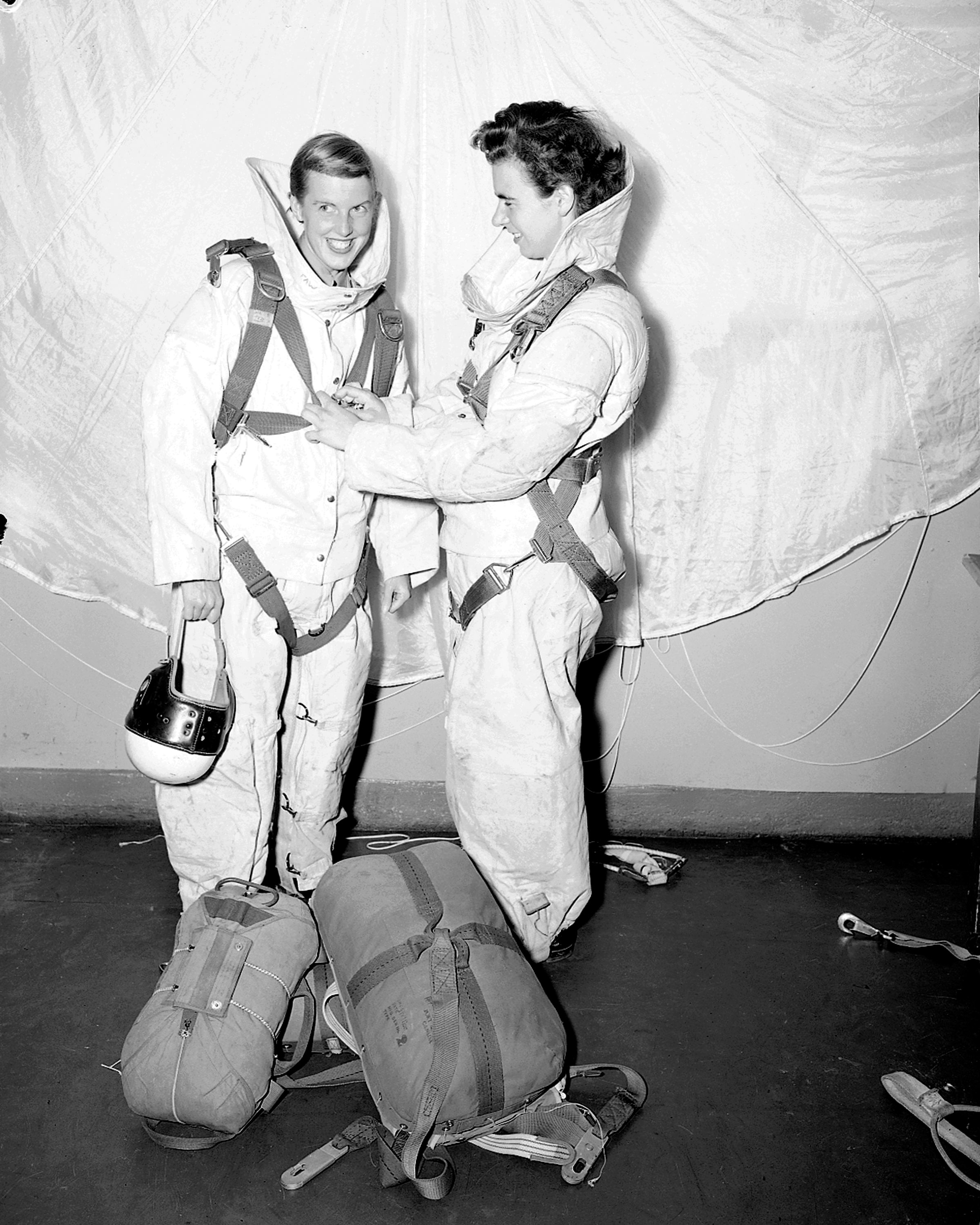
Each course had 16 students: two doctors, five nursing sisters and nine medical assistants. Instead of the normal 18-week course, theirs was decreased to 13 weeks, as the medical portion was eliminated from the classroom phase and the practical portion in the field reduced. The nursing sisters performed the same training as their male counterparts and carried the same amount of weight in equipment.
Nursing Sisters on Course
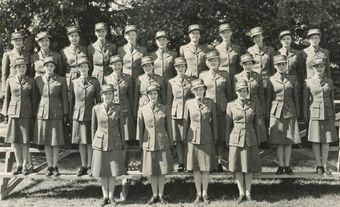
On 16 July 1951, the first group of nursing sisters started the para-rescue course: Flying Officers Muriel Beaton, Marion MacDonald, Marian Neily, Anne Peden and Isabelle Thomson. On 3 September, Neily made the first jump of any para-rescue nurse. Flying Officer Beaton suffered a fractured leg on her first jump, even though she had conducted the landing perfectly.
On 25 October, the course graduated. It was of sufficient importance that Air Marshal Wilfred Curtis, the Chief of the Air Staff, presented the graduates with the newly created para-rescue badge. “Wop” May was a special guest at the ceremony. Because of her injury, Nursing Sister Beaton did not complete the course.
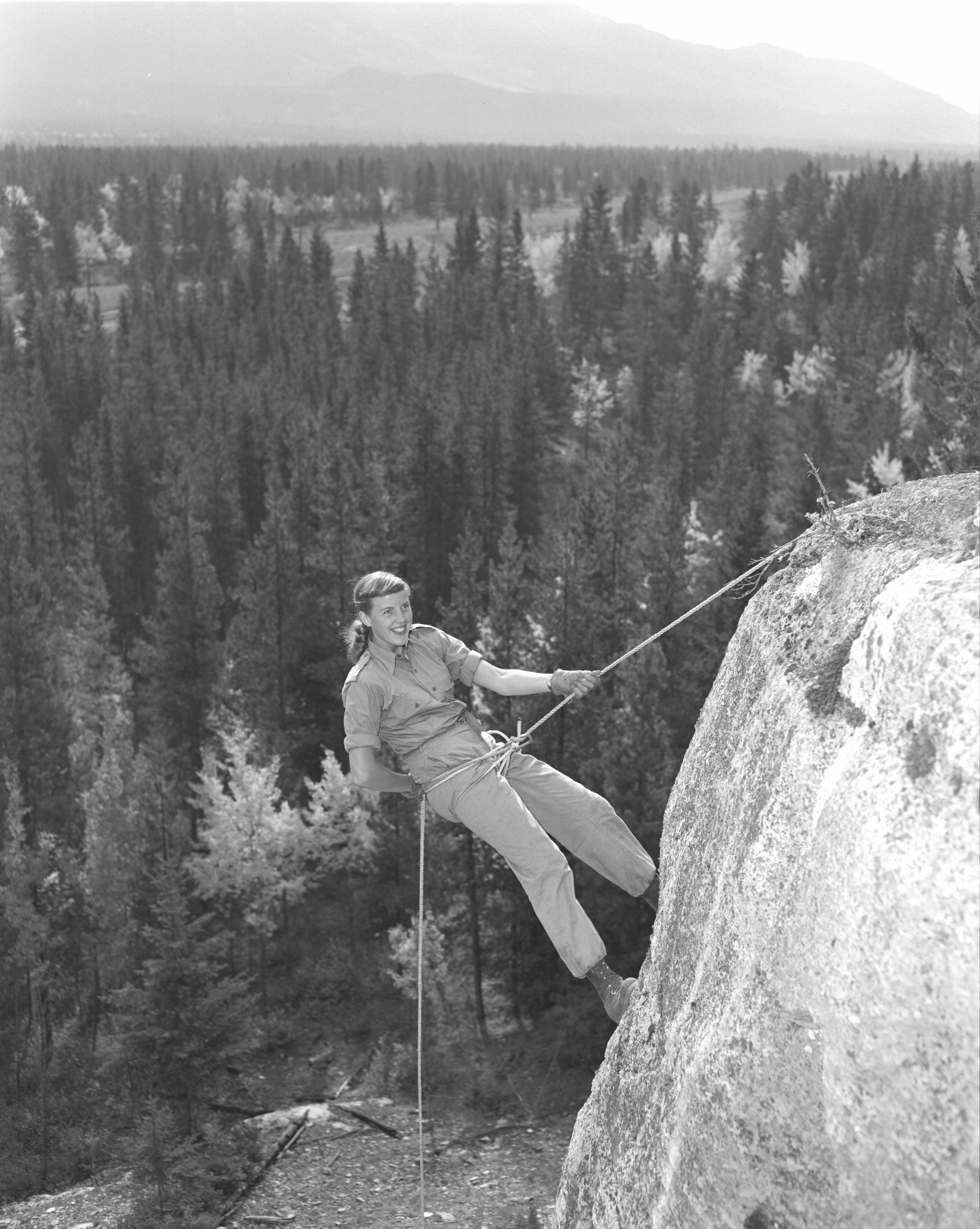
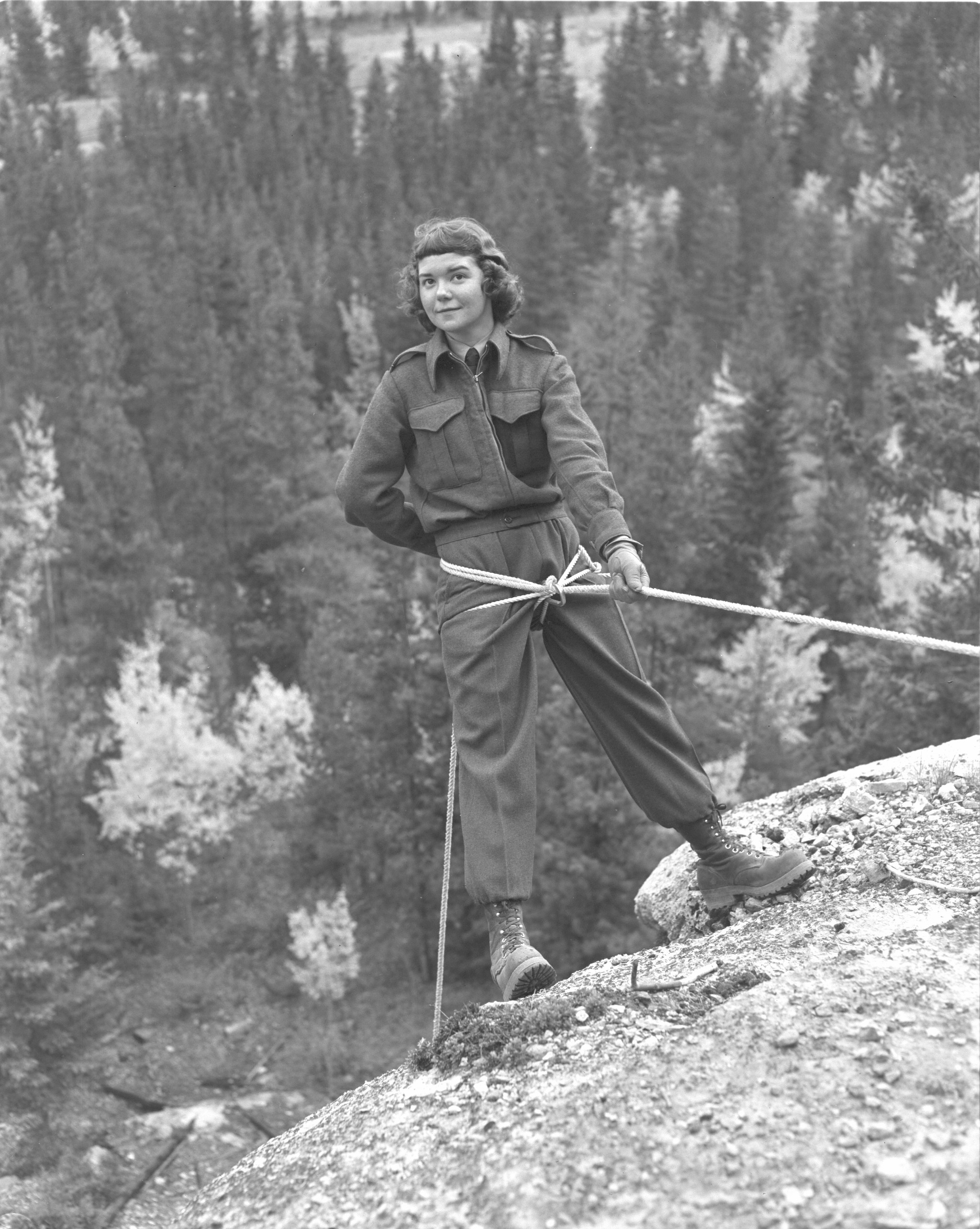
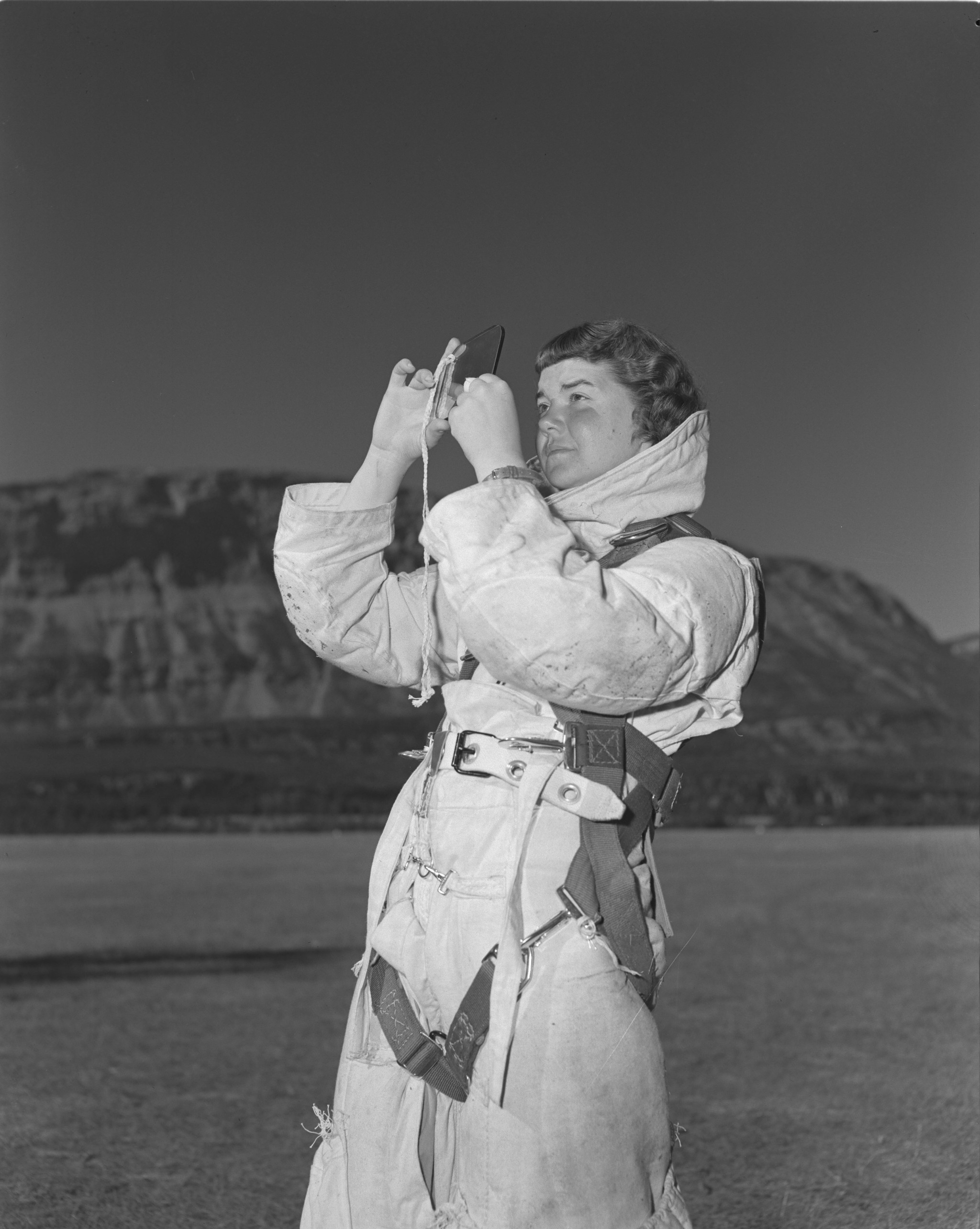
The second all-medical para-rescue course began on 21 January 1952. The nursing sisters were Flying Officers Roberta Bliesner, Marjory Fera, Ruth Kelly, Theresa Shoniker and Grace Woodman. In mid-April, while on the field phase in Jasper, the trainees participated in an actual rescue — a train crash when a passenger locomotive hit a rockslide and tumbled down a 150 m embankment. The course graduated on 21 June 1952. Of the nursing sisters, only Fera, Kelly and Woodman graduated, as the other two women were injured.
After graduating, the para-rescue nursing sisters still had their regular nursing duties to perform at their respective hospitals. They also participated in mercy flights, where a nursing sister accompanied a patient on a military flight, and medical visits to detachments. At the same time, they had to maintain their physical fitness and conduct monthly jumps to remain qualified. In fact, only two courses were held for medical personnel. They were discontinued due to competing demands on doctors and nurses, who had little time to maintain jump status and couldn’t easily be replaced on short notice when emergencies arose.
Operational Jumps
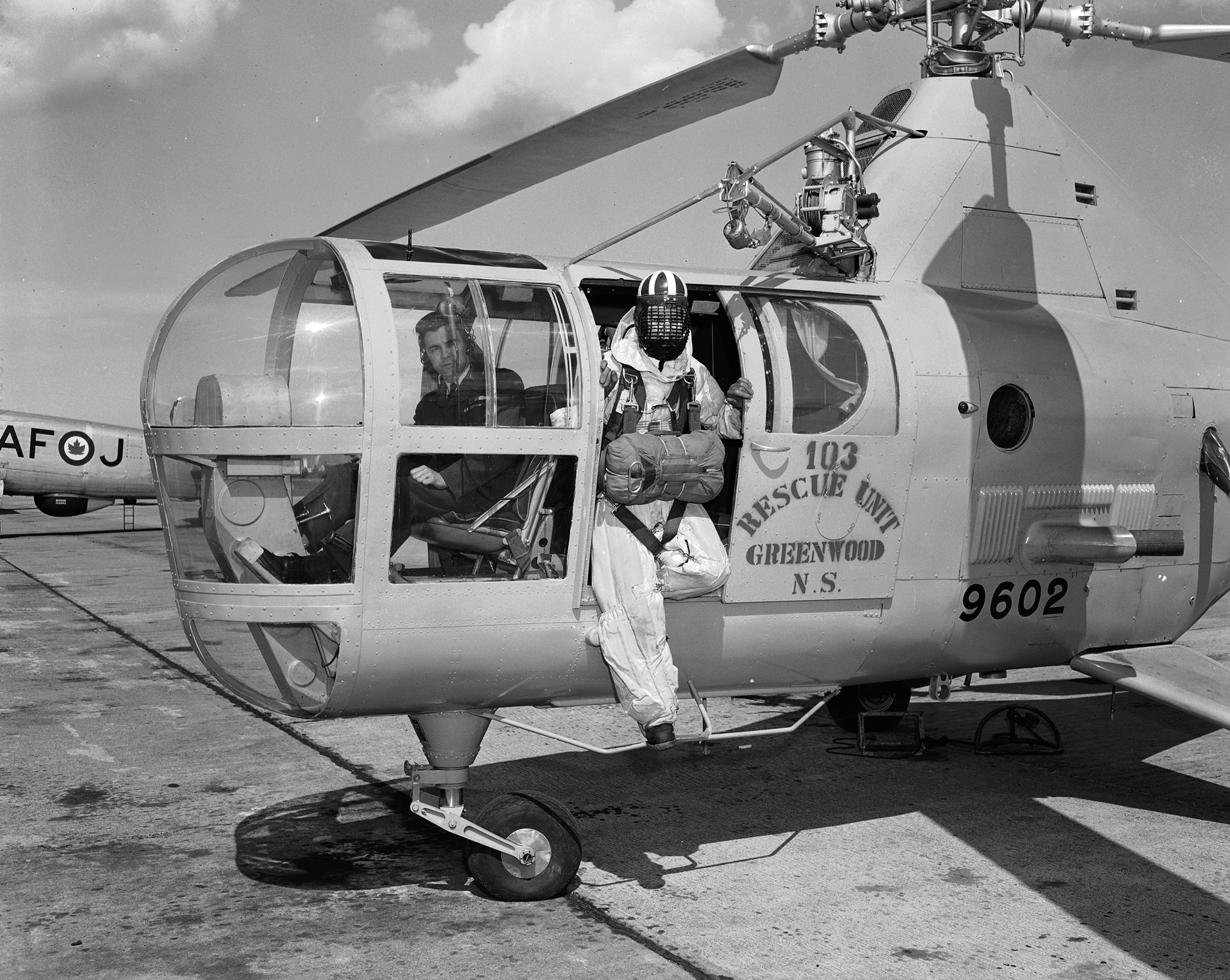
Once qualified, the para-rescue nursing sisters made five jumps in rescue efforts between 1952 and 1955. At the time, para-rescue specialists did not jump very often. In 1952, for example, there were fewer than 10 occasions involving para-rescue jumps. This rate continued in subsequent years.
Nursing Sister Woodman made the first operational jump of any para-rescue nurse on 7 July 1952, only three weeks after she graduated from her course. Woodman was part of a trio, who that evening jumped to the aid of a young surveyor who broke his pelvis while working in the Pitt Lake area northeast of Vancouver. Woodman ended up stuck in a tree 11 metres above ground. She met up with the other jumpers at 5:30 AM the next morning. They transported the patient to a landing zone, and Woodman accompanied him in a US Navy helicopter to hospital. This was likely the first para-rescue jump by any woman in the world.
In July 1952, the RCAF and USAF staged Exercise Signpost in eastern Canada. On the 22nd, a Lancaster bomber and a Vampire jet fighter collided. After the wrecks were found, Nursing Sister Thomson was one of those who jumped to within 9 m of the Lancaster’s fuselage. They found no survivors.
On 28 November 1952, two Sabres collided mid-air during a training flight. Nursing Sister Marion MacDonald and two other rescue specialists parachuted to one of the survivors on the 29th.
The fourth known operational jump occurred after an RCAF Expeditor went missing while on a ferry flight from Summerside to Winnipeg on 9 October 1953. Ruth Kelly was part of the team that jumped to a spot about 1.6 km from the wreck and found the bodies of the two RCAF personnel.
The last operational jump occurred in the early hours of 12 February 1955, when a USAF Boeing B-47 bomber exploded mid-air over northern Saskatchewan. A Saskatchewan Government Airways aircraft found and evacuated one survivor. Nursing Sister MacDonald jumped to a second survivor. This was her second jump involving a rescue, which she described as a “rugged go.”
Glamourization
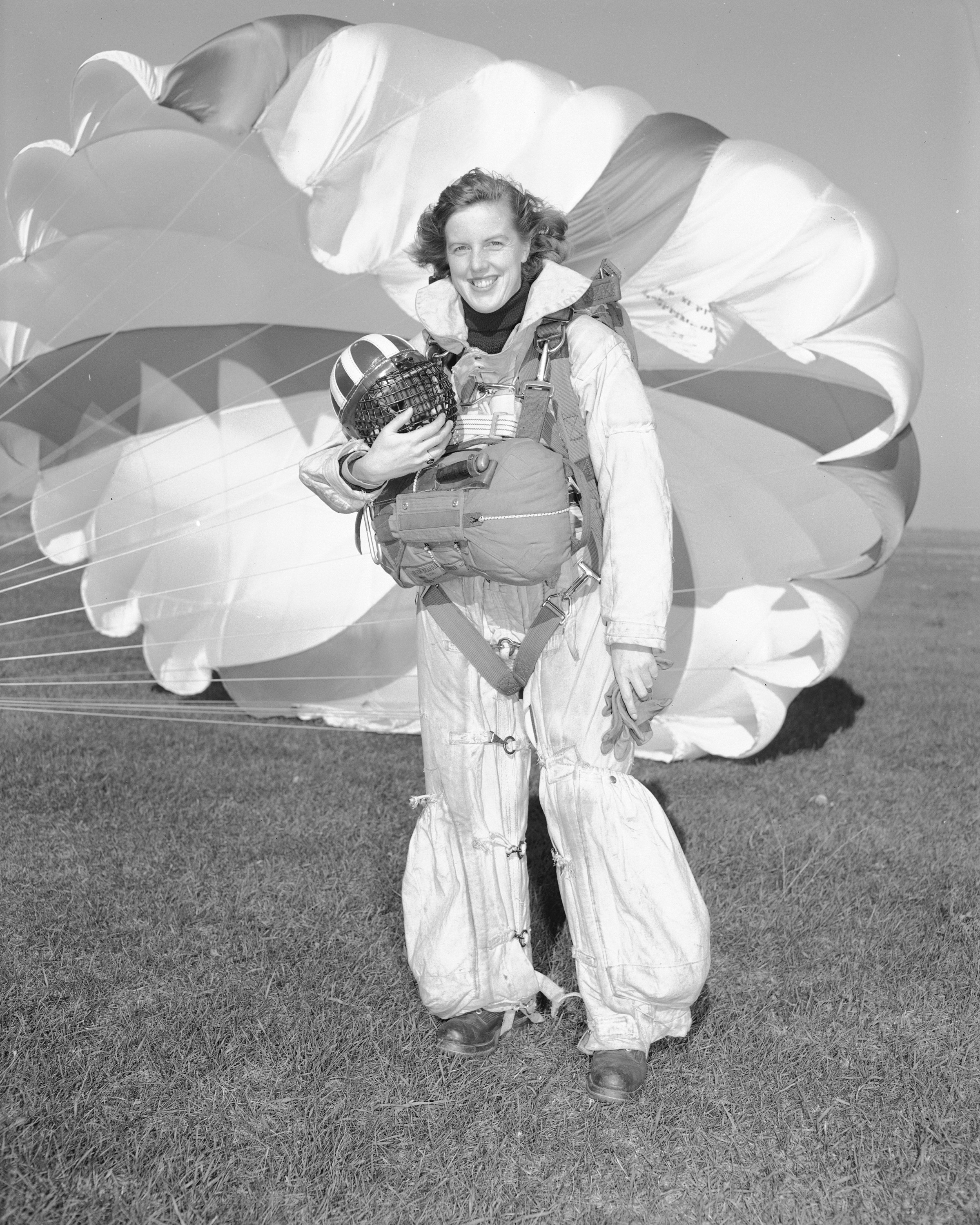
From the start of their para-rescue training, the nursing sisters were glamourized. The media referred to the first course of para-rescue nurses as “para-belles,” “para-pets” and “para-beauty queens”, emphasizing their femininity and attractiveness. “Para-pet” continued to be used, the newspapers indicating that the term was “admiringly” used for the para-rescue nurses.
Significance
By 1955, only four nursing sisters were still jumping out of the original seven: Fera, MacDonald, Neily and Peden. All but Peden would be discharged by the end of February 1957. Four of the para-rescue nurses retired because they married; two were discharged because they reached the end of their service. This was in line with the RCAF’s expectations of nursing sisters’ service. By the end of December 1956, none of the para-rescue nurses were serving in this role.
In terms of their para-rescue roles, the “para-belles” had few operational jumps. This, however, reflects the need for their services rather than their abilities. No other women would undertake para-rescue/SAR tech training until 1997.
RCAF Para-Rescue Nursing Sisters
|
Name |
Enlisted |
Graduated |
Released |
Reason |
|---|---|---|---|---|
|
Course 5 |
||||
|
Muriel Beaton |
21 Jun 50 |
No |
15 Jan 54 |
Marriage |
|
Marion MacDonald |
25 Jan 51 |
Yes |
Mar 56 |
Marriage |
|
Marian Neily |
15 Feb 51 |
Yes |
14 Feb 57 |
End of contract |
|
Anne Peden |
6 Apr 51 |
Yes |
Active into 1960s |
|
|
Isabelle Thomson |
31 Jan 51 |
Yes |
14 Oct 52 |
Marriage |
|
Course 6 |
||||
|
Roberta Bliesner |
23 Sep 50 |
No |
Sep 56 |
End of contract |
|
Marjory Fera |
21 Aug 50 |
Yes |
20 Aug 56 |
End of contract |
|
Ruth Kelly |
4 Jul 51 |
Yes |
12 Oct 54 |
Marriage |
|
Theresa Shoniker |
20 Sep 50 |
No |
31 Jan 54 |
Marriage |
|
Grace Woodman |
8 Aug 51 |
Yes |
13 Jun 55 |
Marriage |