Share on Facebook
 Share on X
 Share by Email
 Share on Google Classroom
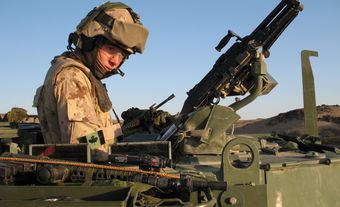
Natural disasters have long been a part of the Canadian experience. Given the country’s geography, climate, vast forests and large bodies of water — coupled with climate change — natural disasters will continue to affect Canada. Since at least 1950, the Canadian Armed Forces (CAF) has helped communities respond to natural disasters, mobilizing its personnel, equipment and expertise to deal with floods, storms, wildfires and other events. The demand for military assistance has grown significantly since 2013.

Background
A natural disaster is an event caused by natural forces that results in serious damage to human life, property and/or the environment. In such cases, the affected community often requires outside assistance. Natural disasters can take many forms. In Canada, the most common are wildfires, floods, storms, extreme temperature events, earthquakes, avalanches and landslides. Canada rarely experiences tsunamis, while volcanic eruptions are unknown.
If local authorities are unable to respond adequately to a natural disaster, they can ask their provincial or territorial government for help. In turn, provinces and territories may ask the CAF for help if the emergency escalates beyond their capabilities.
CAF Assistance to 2013
The CAF has assisted communities with natural disasters, particularly floods, storms and wildfires, since at least 1950.
Floods
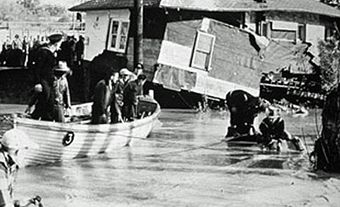
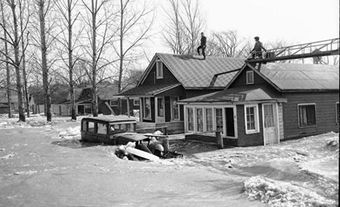
Approximately 5,000 service personnel responded to the Red River Flood of 1950, which saw 100,000 residents (one third of Winnipeg) evacuated, 10,000 homes destroyed and 5,000 buildings damaged. During Operation Saguenay, the CAF response to the Saguenay River Floods of 1996, CAF personnel provided air evacuation and emergency accommodation, while the Red River Floods of 1997 saw more than 8,500 personnel deployed on Operation Assistance. In 2011, flooding along Manitoba’s Assiniboine River resulted in more than 1,800 personnel deployed for Operation Lustre, along with seven helicopters and a patrol aircraft.
Storms
Hurricane Hazel, which hit Toronto in 1954, resulted in more than 800 army reservists called out to aid the stricken city. The Great Ice Storm of early 1998 struck parts of eastern Ontario, southern Quebec and New Brunswick, leaving four million people without electricity. Operation Recuperation saw almost 16,000 CAF personnel deployed to provide humanitarian assistance and help with power restoration.
Another weather-related disaster was Hurricane Juan, which hit parts of Nova Scotia and Prince Edward Island in 2003 and saw some 2,000 military personnel deployed. In 2010, Hurricane Igor, the most powerful storm ever recorded in the Atlantic Basin, hit Newfoundland and Labrador. Operation Lama, the codename for CAF support following the hurricane, resulted in the deployment of more than 1,000 personnel, as well as three ships, three helicopters and a transport aircraft.
Wildfires
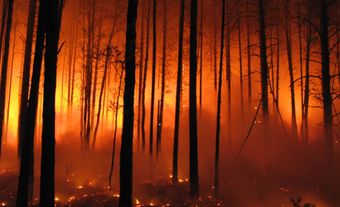
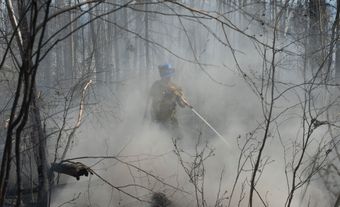
In 2003, about 2,700 CAF personnel, supported by four helicopters, fought massive forest fires in British Columbia in Operation Peregrine.
Operation Lentus (2013–present)
Since 2013, the CAF response to natural disasters has been known as Operation Lentus. The demand for CAF personnel and resources during natural disasters has increased substantially in recent years, and all provinces and territories have received assistance. The table below summarizes this response to 2026.

Operation Lentus Missions, 2013-26
|
Year |
Emergency |
Location |
Response |
|
2013 |
Flood |
AB |
2,300 personnel, 8 helicopters, 1 transport aircraft, vehicles |
|
2014 |
Evacuation of Attawapiskat and Kashechewan First Nations due to floods |
ON |
airlift, Canadian Rangers |
|
Flood |
MB |
500 personnel, 4 helicopters |
|
|
2015 |
Evacuation of Kashechewan First Nation due to floods |
ON |
Canadian Rangers, standby helicopters |
|
Wildfires |
SK |
850 personnel, 230 vehicles, 2 helicopters |
|
|
2016 |
Wildfires |
AB |
65 personnel, 5 helicopters, 1 transport aircraft |
|
2017 |
Ice storm |
NB |
200 personnel, delivery of water and firewood |
|
Evacuation of Kashechewan First Nation due to flood threat |
ON
|
Canadian Rangers
|
|
|
Floods |
NL |
2 helicopters, temporary shelter |
|
|
Floods |
QC
|
2,600 personnel, 1 ship, 7 helicopters, 400 vehicles, 15 small boats |
|
|
Evacuation due to wildfires |
MB |
2 transport aircraft, Canadian Rangers |
|
|
Evacuation due to wildfires |
BC |
2,000 personnel, 4 transport aircraft, 6 helicopters, 150 vehicles |
|
|
2018 |
Evacuation of Kashechewan First Nation due to flood threat |
ON
|
1 transport aircraft, 1 helicopter, Canadian Rangers |
|
Floods |
NB |
60 personnel |
|
|
Floods |
BC |
350 personnel |
|
|
Wildfire |
MB |
2 transport aircraft, 1 helicopter |
|
|
Wildfires
|
BC
|
200 personnel, 1 transport aircraft, 2 helicopters |
|
|
Snowstorm
|
QC
|
15 personnel, 2 transport aircraft, Canadian Rangers |
|
|
2019 |
Floods |
NB, QC, ON |
2,500 personnel |
|
Evacuation of Pikangikum First Nation due to wildfires |
ON |
1 transport aircraft, Canadian Rangers |
|
|
Hurricane Dorian |
NS |
450 personnel, helicopters |
|
|
2020 |
Snowstorm |
NL |
380 personnel |
|
2021 |
Floods |
YT |
personnel |
|
Wildfires |
ON |
airlift, Canadian Rangers |
|
|
Wildfires |
MB |
100 personnel |
|
|
Wildfires |
BC |
300 personnel, standby transport aircraft |
|
|
Tainted water in Iqaluit |
NU |
2 reverse osmosis water purification units and operators |
|
|
Floods |
BC |
personnel, air and land transport |
|
|
Floods |
NL |
2 helicopters |
|
|
2022 |
Hurricane Fiona |
NL |
150 personnel, 1 ship |
|
Hurricane Fiona |
NS |
748 personnel |
|
|
Hurricane Fiona |
PE |
160 personnel |
|
|
2023 |
Wildfires |
AB |
350 personnel |
|
Wildfires |
NS |
100 personnel, 2 specialized firefighting vehicles |
|
|
Wildfires |
QC |
450 personnel |
|
|
Evacuation of Fort Albany and Kashechewan First Nations due to wildfires |
ON |
Canadian Rangers |
|
|
Wildfires |
BC |
300 personnel |
|
|
Evacuation |
QC |
1 transport aircraft, 4 helicopters |
|
|
Wildfires |
NT |
350 personnel |
|
|
Wildfires |
BC |
180 personnel |
|
|
2024 |
Evacuation support for Labrador City due to wildfires |
NL |
Base staff at 5 Wing Goose Bay and Canadian Rangers |
|
Wildfires |
AB |
Firefighters, air support |
|
|
Evacuation of Bunibonibee Cree Nation due to wildfires |
MB |
Air support |
|
|
2025 |
Drinking water disruption in Inuit community of Puvirnituq |
QC |
Canadian Rangers |
|
Evacuation of Pimicikamak Cree Nation and Mathias Colomb First Nation due to wildfires |
MB |
Airlift and logistics support; 2 transport aircraft, 3 helicopters, 170 personnel |
|
|
Evacuation of Sandy Lake First Nation due to wildfires |
ON |
Airlift and coordination support; 2 transport aircraft, 70 personnel |
|
|
Evacuation of Garden Hill First Nation due to wildfires |
MB |
Airlift and logistics support; 2 transport aircraft, 60 personnel |
|
|
Wildfires |
SK |
Firefighters and helicopter |
|
|
Wildfires |
NL |
Firefighters, logistical and transportation support; 100 personnel |
|
|
Wildfires |
NS |
Support for water bombing operations at CFB Greenwood |
|
|
2026 |
Winter power outage Pimicikamak Cree Nation |
MB |
Technical support, 10 personnel |
|
Power outage and water shortage Gjoa Haven |
Nunavut |
Community support; Canadian Rangers; 8 personnel |
|
|
Flood |
MB |
Assessment team; no further support |
|
|
Evacuation of Eabametoong First Nation (Fort Hope) due to wildfire |
ON |
Airlift and logistics support; transport aircraft, Canadian Rangers |
|
|
Evacuation due to wildfires |
BC |
Accommodation at Vernon Cadet Camp |

Disaster Prevention: the CAF and Avalanche Control
The CAF also plays a key role in preventing natural disaster. The 18 km section of the Trans-Canada Highway through Rogers Pass in British Columbia’s Glacier National Park has the highest avalanche rating of any highway in North America.
To counter this threat, Parks Canada operates the largest mobile avalanche control program in the world. Since 1961, Operation Palaci has deployed artillery soldiers every year to Rogers Pass, where they fire 105mm howitzer shells into known avalanche zones to trigger an avalanche. The section of road is then temporarily closed, allowing ploughs to safely remove the snow and keep the highway open.
Competing Demands: CAF Role in the Future
In June 2024, Chief of the Defence Staff General Wayne Eyre stated he was concerned about the CAF’s overall readiness to respond to events in Canada and abroad as it deals with increasing demands to assist with natural disaster response at home. Although the CAF will continue to support civil authorities to respond to natural disasters, that is not its primary role. Provinces and territories must provide first responders and only request CAF support when the situation exceeds their capabilities and no other organizations are able to assist.