Share on Facebook
 Share on X
 Share by Email
 Share on Google Classroom
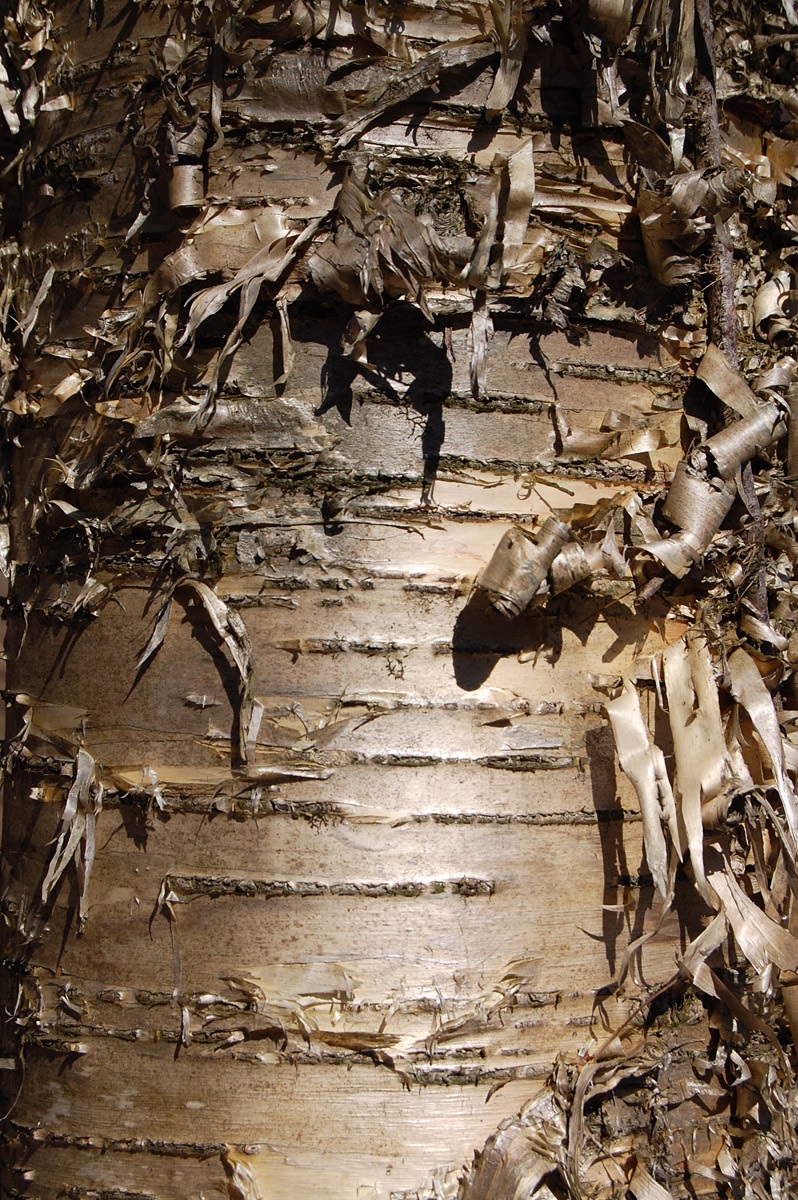
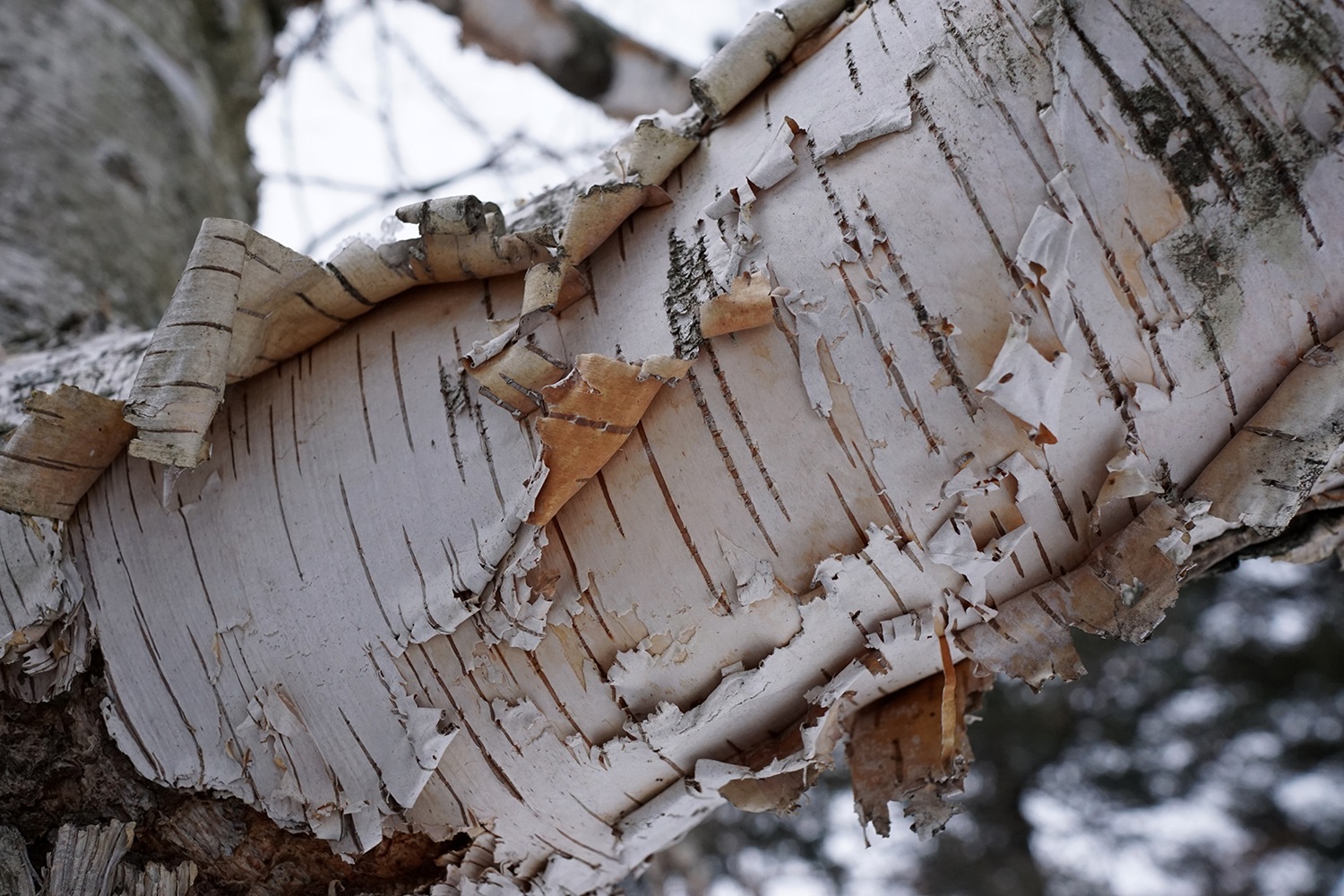
Birches (genus Betula) are trees in the Betulaceae family, of which about 40 species are found throughout the Northern Hemisphere. Nine species are found in Canada, reaching from the southern border to the northern arctic regions. Two birch trees act as provincial emblems: the yellow birch in Quebec and the white birch in Saskatchewan. Birch trees are known for their peeling bark, hard wood and short-lived lifespans. Often, a species is known by multiple names.
Canada’s Birch Trees
|
Species |
Description |
Habitat and Range |
|---|---|---|
|
Betula neoalaskana Alaska paper birch
(Also known as Alaska birch or white birch) |
The Alaska paper birch typically grows up to 15 m and has broad leaves that taper to a sharp point. The upper surface of the leaves are a shiny dark green, while the undersides are a light yellowish green. The bark is thin and smooth, peeling off in layers like paper. It is reddish-brown when young but transitions to white or slightly pink as it ages. |
This tree is found in Yukon, Northwest Territories, British Columbia, Alberta, Saskatchewan, Manitoba and western Ontario. It thrives in wet or poorly drained soils. |
|
Betula kenaica Kenai birch
(Also known as kenai paper birch or red birch) |
The Kenai birch has round, coarsely toothed leaves with a pointed tip. They are dark green on the surface and light green underneath. The bark is papery and can vary from light grey to pink, reddish-brown or dark brown. |
The range of this birch tree is limited in Canada and is only found in Yukon. It is most common in Alaska. |
|
Betula xcaerulea Blueleaf birch
(Also known as blue birch) |
True to its name, the blueleaf birch has blueish-green leaves, darker on the top and lighter underneath. The coarse-toothed leaves are broad at the base and taper to a long tip. The bark is white and peels horizontally along the trunk. This tree can grow up to 35 m. |
This tree is found in Manitoba, Ontario, Quebec, New Brunswick, Newfoundland and Nova Scotia. It can grow in a variety of soils, making it a good ornamental tree. |
|
Betula lenta Cherry birch
(Also known as sweet birch, black birch, mahogany birch or spice birch) |
The cherry birch can reach 20–30 m tall and has ovate leaves with serrated edges. Unlike most birches, this species can live longer than 100 years. The bark is dark cherry red, almost black, and becomes greyish with age. |
This tree is rare in Canada, found in southern Ontario and Quebec, and is most common in the eastern United States. It grows in a variety of soils, from moist, well-drained areas to rocky, shallow ones. |
|
Betula populifolia Grey birch
(Also known as wire birch, white birch or poplar birch) |
The grey birch grows to 12 m and can live for about 50 years. Its triangular leaves have large teeth and end in a long point. The upper surface of the leaves is a shiny green, while the lower surface is a lighter green. The bark is smooth and dark when young, eventually becoming white and peeling as it ages. |
The grey birch is found in the Maritimes, Ontario and Quebec. It is tolerant of many soil types but prefers moist, well-drained soils. |
|
Betula cordifolia Mountain paper birch
(Also known as eastern paper birch or mountain white birch) |
Growing up to 25 m tall, the mountain paper birch has dull-green, serrated, heart-shaped leaves with a tapered tip. The papery white bark peels easily into several layers, revealing a copper-coloured inner bark. |
It is commonly found in Newfoundland, New Brunswick, Nova Scotia, the Gaspé Peninsula along the south shore of the St. Lawrence River and northern Quebec. It grows best in cooler climates and moist soil. |
|
Betula occidentalis Water birch
(Also known as black birch, red birch, river birch or western birch) |
The water birch, growing up to 12 m tall, has small, oval leaves with toothed edges. The upper surface is a shiny, deep yellow-ish green, while the lower surface is lighter. The bark is thin and shiny and, unlike many birch species, does not readily peel. |
This tree is found from northeastern Ontario to central British Columbia and north throughout the territories. It prefers coarse, wet soils and thrives in a variety of climates. |
|
Betula papyrifera White birch
(Also known as canoe birch, silver birch or paper birch) |
The white birch can grow from 25–35 m, depending on the region, and can live for 120 years. Its leaves, dull green on the upper surface and lighter green on the lower surface, are ovate, serrated and pointed. The bark is thin and smooth, often peeling in large sections. Younger trees have very dark bark, which gradually turns white as they age. As the bark peels, the black inner bark is revealed. |
This birch tree is found abundantly in every province and territory. It tolerates a wide range of soil types and can be found from river banks to roadsides to forest edges. |
|
Betula alleghaniensis Yellow birch
(Also known as swamp birch, gray birch or silver birch) |
The yellow birch grows to 25 m and can live for 150 years. It has long, toothed leaves that end in a sharp point, with the upper surface dark green and the lower surface lighter green. The thin bark, starting out shiny reddish-brown and gradually turning dull yellow, peels into shreds that end in tight curls. |
The yellow birch can be found in Newfoundland, Nova Scotia, New Brunswick, Quebec, southern Ontario and southeastern Manitoba. It likes to grow in rich, moist soils in cooler climates. |
Wildlife
Because birch trees are short-lived, their fast-rotting wood provides a rich habitat for insects. Birch trees are home to hundreds of insect species, from aphids to caterpillars. These insects are valuable food sources for birds and insect-eating mammals. Birds like woodpeckers will drill holes in trees to find insects. In turn, woodpecker holes become valuable nest sites for other cavity-nesting species.
Both large and small mammals use different parts of the tree for foraging, safety and shelter. Ungulates like deer and moose forage for leaves and twigs, while smaller animals like porcupines and beavers will eat the bark.
Indigenous Peoples
Birch trees play a significant role in the history and culture of many Indigenous peoples. From canoes to snowshoes and from shovels to furniture, the durable hardwood birch was widely used in many aspects of Indigenous life. Since the bark is waterproof, it was utilized for canoes, wigwam covers and roofs.
Beyond the wood and bark, some Indigenous peoples ground the stems, twigs, leaves and inner bark of young birch trees into tea for stomach problems, while the sap of the tree can be collected to make syrup.
Uses
Birches are among the most valuable trees for reforestation because they grow quickly and provide abundant nutrients to the soil, helping other species grow as well.
For commercial uses, birch’s hardwood is valuable for flooring, furniture, pulp and plywood.
Threats
Birch trees are not subject to many lethal threats, since they are resilient to insects and various climates. Some insects, like the birch leafminer or the late birch leaf edgeminer, can cause mild damage to the leaves but do not kill the tree (see Four Major Insect Pests of Forests in Canada).
Only the cherry birch is classified as endangered by the Committee on the Status of Endangered Wildlife in Canada (COSEWIC).