Browse "Things"
-
Article
Pacifism
Pacifism is an outlook based upon religious or humanitarian belief that condemns war and social violence as inhuman and irrational, if not absolutely and always morally wrong, and therefore demands personal nonparticipation in war or violent revolution as well as a commitment to nonviolent methods of resolving conflicts.
"https://d3d0lqu00lnqvz.cloudfront.net/media/media/9dde7de9-5182-4dab-a6b3-f141ce3c9272.jpg" // resources/views/front/categories/view.blade.php
https://d3d0lqu00lnqvz.cloudfront.net/media/media/9dde7de9-5182-4dab-a6b3-f141ce3c9272.jpg
-
Article
Padlock Act
The Padlock Act (Act Respecting Communistic Propaganda) was a 1937 Quebec statute empowering the attorney general to close, for one year, any building used for propagating "communism or bolshevism" (undefined).
"https://d3d0lqu00lnqvz.cloudfront.net/media/media/22180159-911b-4d85-94c5-fc2a39cd939d.jpg" // resources/views/front/categories/view.blade.php
https://d3d0lqu00lnqvz.cloudfront.net/media/media/22180159-911b-4d85-94c5-fc2a39cd939d.jpg
-
Article
Paintbrush
The paintbrush is a herbaceous plant of genus Castilleja , figwort family, Scrophulariaceae. Most are perennial. The common name, Indian paintbrush, is applied to several species. About 200 species occur worldwide, mostly in
"https://d3d0lqu00lnqvz.cloudfront.net/media/media/e956cb56-7b37-403b-b2fd-5534ec2bfade.jpg" // resources/views/front/categories/view.blade.php
https://d3d0lqu00lnqvz.cloudfront.net/media/media/e956cb56-7b37-403b-b2fd-5534ec2bfade.jpg
-
Article
Painted Turtle
The painted turtle (Chrysemys picta) is the most widespread native freshwater turtle species in North America. In Canada, it is found in all Canadian provinces except Prince Edward Island and Newfoundland and Labrador. It is abundant throughout much of its Canadian range and can be found in various aquatic habitats, including lakes, slow-flowing rivers and wetlands. The painted turtle is broken into three subspecies across Canada: the western painted turtle (Chrysemys picta bellii; BC, AB, SK, MB and ON), the midland painted turtle (Chrysemys picta marginata; ON and QC) and the eastern painted turtle (Chrysemys picta picta; NB and NS).
"https://d3d0lqu00lnqvz.cloudfront.net/paintedturtle/Crowley-Eastern-Painted-Turtle-Chrysemys-picta-picta-1.jpg" // resources/views/front/categories/view.blade.php
https://d3d0lqu00lnqvz.cloudfront.net/paintedturtle/Crowley-Eastern-Painted-Turtle-Chrysemys-picta-picta-1.jpg
-
Article
Paleontology
Paleontology is the study of fossils and gives us knowledge of past life, helps us understand the nature of ancient organisms and provides information about the composition of the biomass of past times. The organisms now living represent a stage in the succession of life forms and, according to the concept of evolution, have descended from past life forms. It is difficult to estimate how many species now exist; the number may be in excess of 45 million. Some authorities estimate that 1.5 million living species (monerans, protistans, fungi, plants and animals) have actually been found and described.
"https://d3d0lqu00lnqvz.cloudfront.net/triceratops/triceratopsspecimen.jpg" // resources/views/front/categories/view.blade.php
https://d3d0lqu00lnqvz.cloudfront.net/triceratops/triceratopsspecimen.jpg
-
Collection
Paleontology
Paleontology is the study of ancient life, often through the examination of fossils. Canada is home to numerous paleontological sites — such as in Joggins, Miguasha and the Badlands — that reveal the lifeforms that inhabited what is now Canada thousands, if not millions, of years ago. From one of the largest Tyrannosaurus rex fossils ever found, “Scotty,” to Tiktaalik, a key evolutionary step in the journey of animals onto land, Canada has been the...
"https://d3d0lqu00lnqvz.cloudfront.net/media/new_article_images/Thanatotheristes/ThanatotheristesKuether.jpg" // resources/views/front/categories/view.blade.php
https://d3d0lqu00lnqvz.cloudfront.net/media/new_article_images/Thanatotheristes/ThanatotheristesKuether.jpg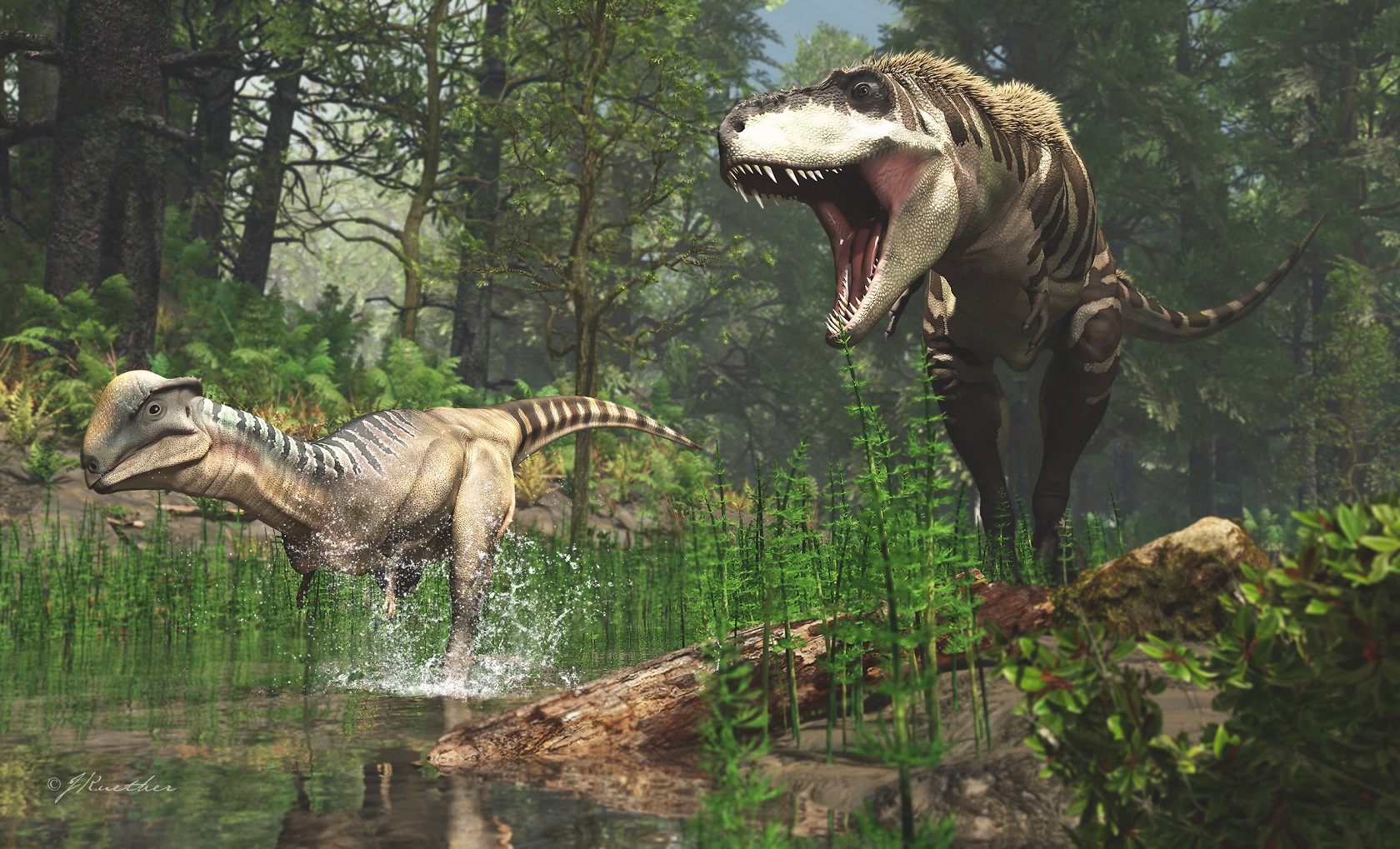
-
Article
Palliser Expedition
The explorers amassed astronomical, meteorological, geological and magnetic data, and described the country, its fauna and flora, its inhabitants and its "capabilities" for settlement and transportation.
"https://d3d0lqu00lnqvz.cloudfront.net/media/media/9b00c791-d42d-4521-8c31-d13761c076cf.jpg" // resources/views/front/categories/view.blade.php
https://d3d0lqu00lnqvz.cloudfront.net/media/media/9b00c791-d42d-4521-8c31-d13761c076cf.jpg
-
Article
Palynology
Palynology is the study of spores and pollen, has many applications in botany, geology and medicine. Spores are primitive reproductive bodies of fungi and some plants. Pollen grains are small male reproductive bodies produced and dispersed by seed plants. Spores and pollen are small (5–100 μm), spherical or oblong structures, identifiable under a compound light microscope. Fine details of the wall structure and sculpture can be seen under the scanning electron microscope (magnification of 20,000 to 40,000×). The detailed structure of the wall (exine layer), and the number and arrangements of pores and furrows in the wall, are the diagnostic characters used in identification. Pollen is a key tool in reconstructing past vegetation and environments (palaeoecology), because the outer wall is both extremely resistant to decay and elaborately and beautifully constructed so that identification to species or family level is possible. Pollen of many plants is discharged into the air annually and falls into lakes and bogs as a "rain" which represents the surrounding vegetation. Many forest regions in Canada produce a total pollen fallout of 30,000 to 60,000 grains per cm2 annually, whereas tundra regions produce fewer than 1,000 grains per cm2 annually.
"https://d3d0lqu00lnqvz.cloudfront.net/blueberry/Bee-pollinating-blueberry-flower.jpg" // resources/views/front/categories/view.blade.php
https://d3d0lqu00lnqvz.cloudfront.net/blueberry/Bee-pollinating-blueberry-flower.jpg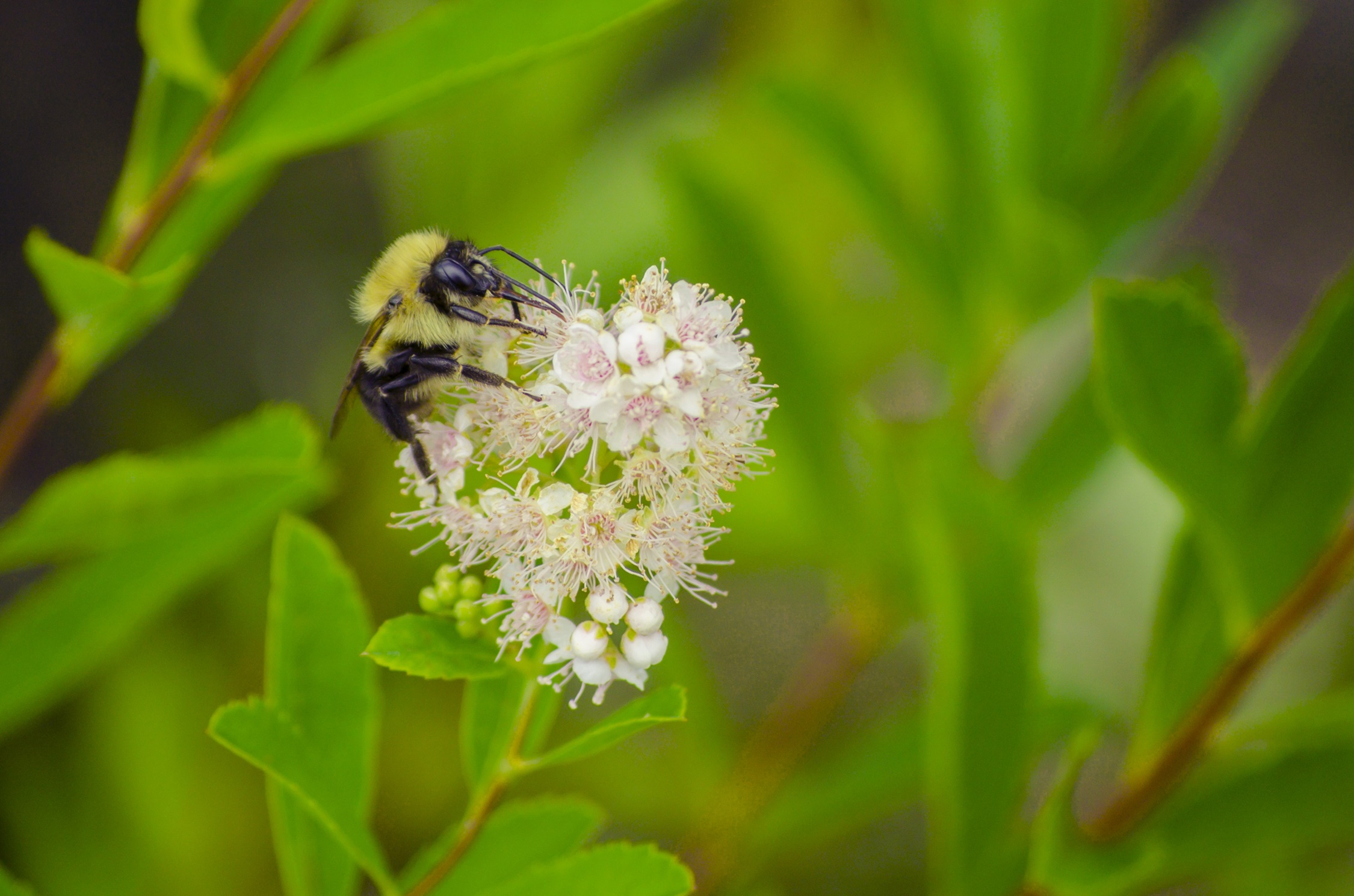
-
Article
Pamajewon Case
The Pamajewon case (1996) (also known as R. v. Pamajewon) was the first case in which First Nations in Canada argued an inherent right to self-government before the Supreme Court. Spearheaded by two Anishinaabe First Nations, Eagle Lake and Shawanaga, the claimants argued that the Indigenous right to self-government included a right to control gambling practices on reserves. The Supreme Court ruled that these First Nations did not have rights to high-stakes gaming under self-government.
"https://thecanadianencyclopedia.ca/images/tce_placeholder.jpg?v=e9dca980c9bdb3aa11e832e7ea94f5d9" // resources/views/front/categories/view.blade.php
https://thecanadianencyclopedia.ca/images/tce_placeholder.jpg?v=e9dca980c9bdb3aa11e832e7ea94f5d9
-
Macleans
Pan Am Games Wrap Up
From the outset, hosting the 1999 PAN-AMERICAN GAMES was seen by many Winnipeggers as a chance to put their city squarely in the international spotlight.This article was originally published in Maclean's Magazine on August 16, 1999
"https://thecanadianencyclopedia.ca/images/tce_placeholder.jpg?v=e9dca980c9bdb3aa11e832e7ea94f5d9" // resources/views/front/categories/view.blade.php
https://thecanadianencyclopedia.ca/images/tce_placeholder.jpg?v=e9dca980c9bdb3aa11e832e7ea94f5d9
-
Article
Pan American Games
The Pan American (Pan Am) Games are a multi-sport event for the nations of the Western Hemisphere, held every four years. They are conducted in a similar manner to the Olympic Summer Games and held one year prior to them.
"https://d3d0lqu00lnqvz.cloudfront.net/media/media/c67889de-3960-4e03-ac9f-67717e9ff947.jpg" // resources/views/front/categories/view.blade.php
https://d3d0lqu00lnqvz.cloudfront.net/media/media/c67889de-3960-4e03-ac9f-67717e9ff947.jpg
-
Article
Pan-Indianism
Pan-Indianism is a movement of Aboriginal resistance to domination and assimilation and is characterized primarily by political and religious expression and solidarity. Key historical figures include Pontiac and Handsome Lake.
"https://d3d0lqu00lnqvz.cloudfront.net/media/media/174cee51-4aca-4a67-ac60-f72697d35862.jpg" // resources/views/front/categories/view.blade.php
https://d3d0lqu00lnqvz.cloudfront.net/media/media/174cee51-4aca-4a67-ac60-f72697d35862.jpg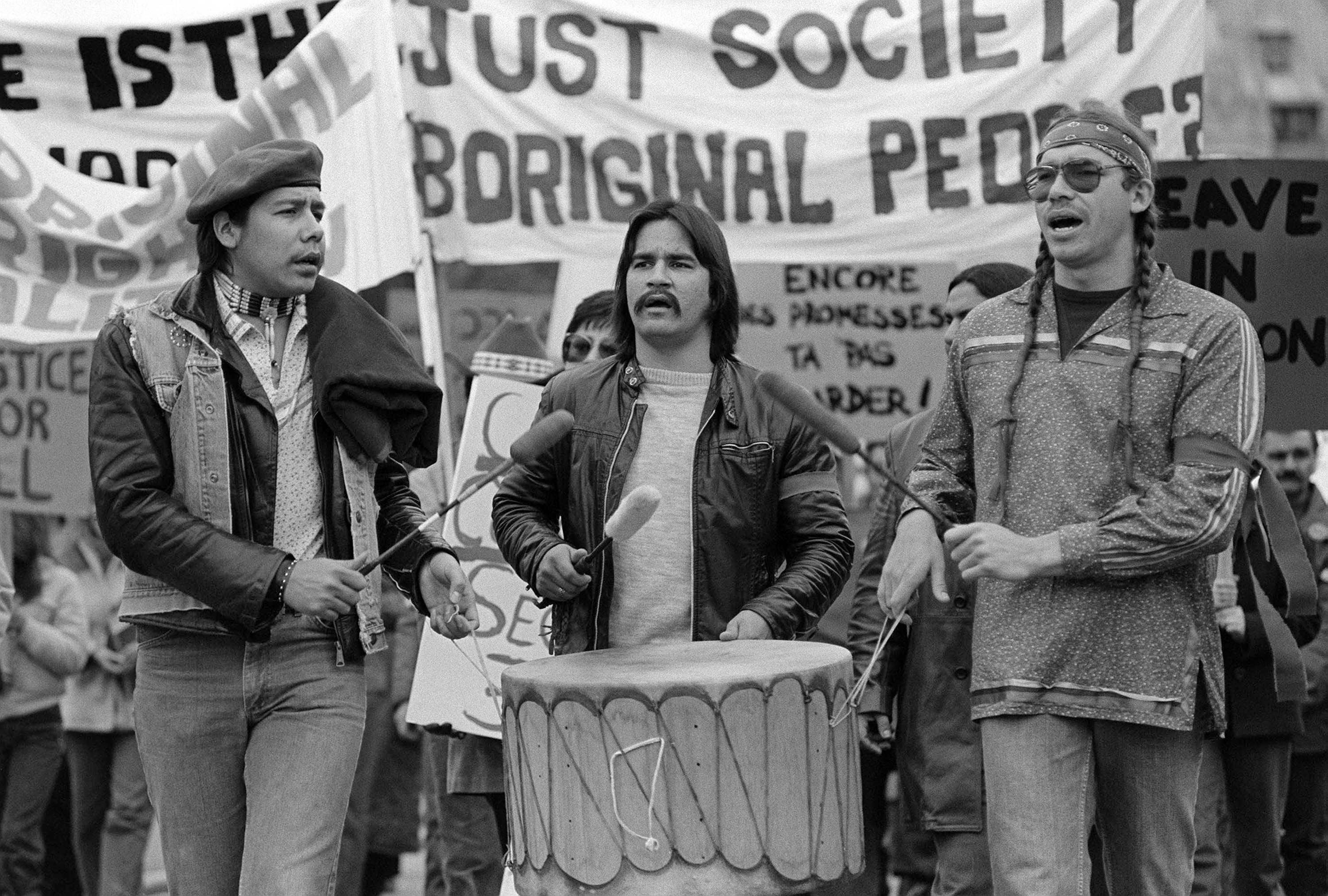
-
Article
Pandemics in Canada
A pandemic is an outbreak of an infectious disease that affects a large proportion of the population in multiple countries or worldwide. Human populations have been affected by pandemics since ancient times. These include widespread outbreaks of plague, cholera, influenza and, more recently, HIV/AIDS and COVID-19. In order to slow or stop the spread of disease, governments implement public health measures that include testing, isolation and quarantine. In Canada, public health agencies at the federal, provincial and municipal levels play an important role in monitoring disease, advising governments and communicating to the public. Click here for definitions of key terms used in this article.
"https://d3d0lqu00lnqvz.cloudfront.net/media/media/933d22b6-a1f6-4f72-9aa4-78cfb4b1a2c8.jpg" // resources/views/front/categories/view.blade.php
https://d3d0lqu00lnqvz.cloudfront.net/media/media/933d22b6-a1f6-4f72-9aa4-78cfb4b1a2c8.jpg
-
"https://thecanadianencyclopedia.ca/images/tce_placeholder.jpg?v=e9dca980c9bdb3aa11e832e7ea94f5d9" // resources/views/front/categories/view.blade.php
https://thecanadianencyclopedia.ca/images/tce_placeholder.jpg?v=e9dca980c9bdb3aa11e832e7ea94f5d9
-
Article
Para-Rescue in Canada
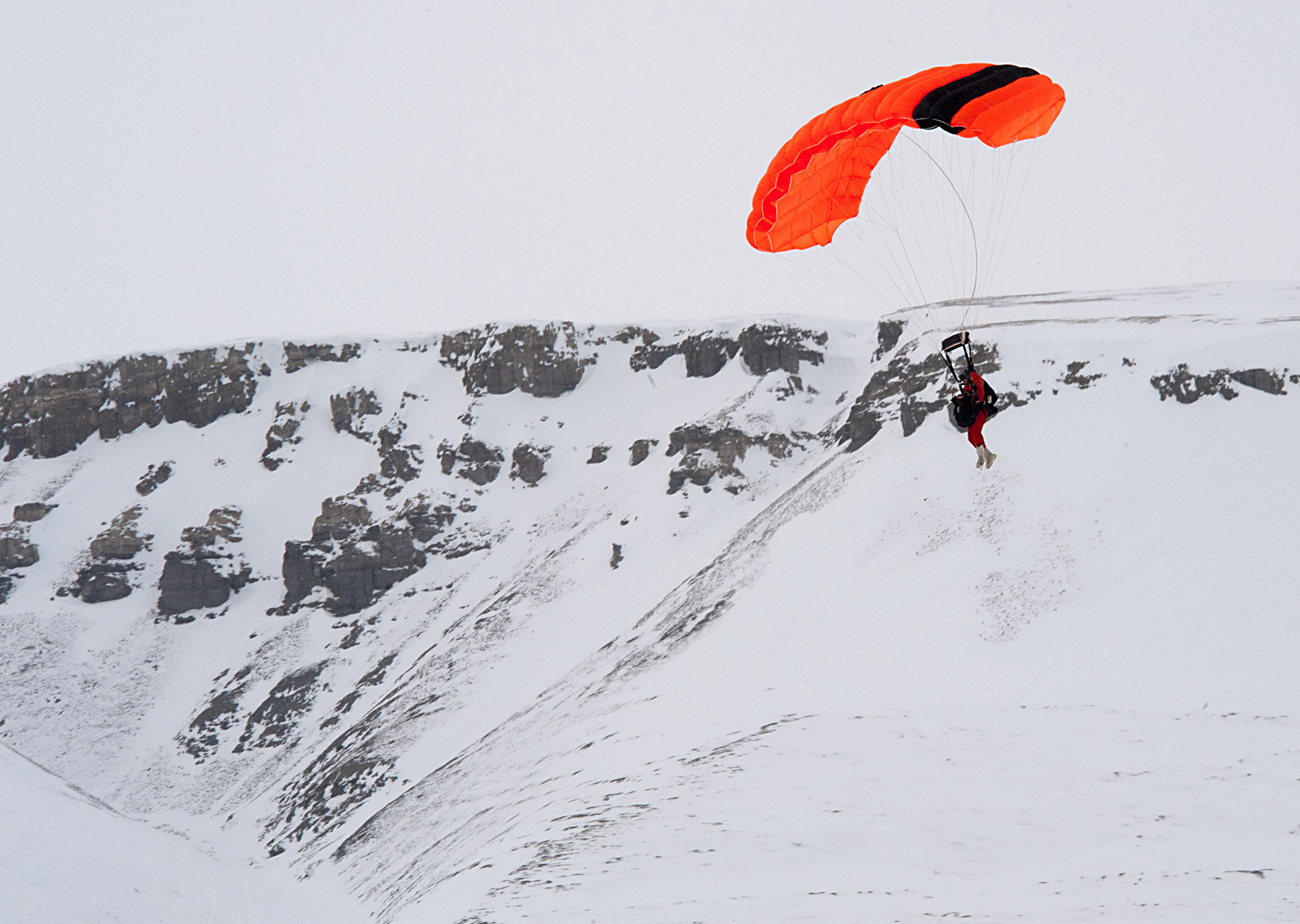
Para-rescue refers to the removal and treatment of casualties in harsh and remote areas by highly trained rescue specialists who deploy from rotary- or fixed-wing aircraft. Since June 1947, the Royal Canadian Air Force (RCAF) has been primarily responsible for search and rescue (SAR) work in Canada, which now includes not only air incidents but also sea incidents and humanitarian assistance. Para-rescue specialists are now known as search and rescue technicians or SAR Techs.
"https://d3d0lqu00lnqvz.cloudfront.net/SAR/SAR-Nunavut.jpg" // resources/views/front/categories/view.blade.php
https://d3d0lqu00lnqvz.cloudfront.net/SAR/SAR-Nunavut.jpg