
Browse "Communities & Sociology"
-
Article
Media Convergence in Canada
Media convergence refers to the merging of previously distinct media technologies and platforms through digitization and computer networking. This is also known as technological convergence. Media convergence is also a business strategy whereby communications companies integrate their ownership of different media properties. This is also called media consolidation, media concentration or economic convergence. (See also Media Ownership.)
"https://thecanadianencyclopedia.ca/images/tce_placeholder.jpg?v=e9dca980c9bdb3aa11e832e7ea94f5d9" // resources/views/front/categories/view.blade.php
https://thecanadianencyclopedia.ca/images/tce_placeholder.jpg?v=e9dca980c9bdb3aa11e832e7ea94f5d9
-
Article
Media Literacy
Media literacy refers to the ability to interpret and understand how various forms of media operate, and the impact those media can have on one’s perspective on people, events or issues. To be media literate is to understand that media are constructions, that audiences negotiate meaning, that all media have commercial, social and political implications, and that the content of media depends in part on the nature of the medium. Media literacy involves thinking critically and actively deconstructing the media one consumes. It also involves understanding one’s role as a consumer and creator of media and understanding the ways in which governments regulate media.
"https://d3d0lqu00lnqvz.cloudfront.net/media/new_article_images/SocialMedia/dreamstime_xl_123237692.jpg" // resources/views/front/categories/view.blade.php
https://d3d0lqu00lnqvz.cloudfront.net/media/new_article_images/SocialMedia/dreamstime_xl_123237692.jpg
-
Article
Music of the Mennonites
The term 'Mennonite' can be used to refer both to members of the various Mennonite churches and, on a more general level, to non-practising descendants of Mennonites.
"https://thecanadianencyclopedia.ca/images/tce_placeholder.jpg?v=e9dca980c9bdb3aa11e832e7ea94f5d9" // resources/views/front/categories/view.blade.php
https://thecanadianencyclopedia.ca/images/tce_placeholder.jpg?v=e9dca980c9bdb3aa11e832e7ea94f5d9
-
Article
Methodism
The movement was first represented in what is now Canada by one of Wesley's followers, Laurence COUGHLAN, who began to preach in Newfoundland in 1766. Yorkshire settlers around Chignecto, NS, in the 1770s were the first sizable group of Methodists in the Maritimes.
"https://d3d0lqu00lnqvz.cloudfront.net/media/media/15c7fc4e-83d2-495c-a288-da377bb62d06.jpg" // resources/views/front/categories/view.blade.php
https://d3d0lqu00lnqvz.cloudfront.net/media/media/15c7fc4e-83d2-495c-a288-da377bb62d06.jpg
-
Article
Music of the Métis
Métis music reflects their mixed ancestry and therefore comprises an amalgam of music styles, languages, and socio-cultural elements.
"https://d3d0lqu00lnqvz.cloudfront.net/media/media/c072de9d-96cf-43ef-9a30-484df15f79df.jpg" // resources/views/front/categories/view.blade.php
https://d3d0lqu00lnqvz.cloudfront.net/media/media/c072de9d-96cf-43ef-9a30-484df15f79df.jpg
-
Article
History of Métis Settlements in Canada
Métis communities are found in many provinces and territories in Canada; however, the only legislated Métis land base is in Alberta. Eight Métis settlements are located across the northern and central-eastern part of the province: Paddle Prairie, Peavine, Gift Lake, East Prairie, Buffalo Lake, Kikino, Elizabeth and Fishing Lake. As of 2021, the settlements cover 1.25 million acres of land and are home to approximately 4,238 people. That year, 3,540 people reported that they were registered members of Métis Settlements in Alberta. The Métis Settlements are self-governing and provide for the protection of Métis culture and identity.
"https://d3d0lqu00lnqvz.cloudfront.net/MetisSettlementsFlag/Metis_Settlements_Flag.gif" // resources/views/front/categories/view.blade.php
https://d3d0lqu00lnqvz.cloudfront.net/MetisSettlementsFlag/Metis_Settlements_Flag.gif
-
Article
#MeToo Movement in Canada
The #MeToo movement protesting sexual violence against women began in the United States in October 2017 in the wake of accusations against Hollywood film producer Harvey Weinstein. Since then, it has rapidly expanded internationally through Facebook, Twitter and other social media platforms. In Canada, #MeToo and its French equivalent, #MoiAussi, have amplified the voices of victims and changed the conversation pertaining to rape, sexual abuse, sexual assault and other forms of sexual violence, harassment and misconduct.
"https://d3d0lqu00lnqvz.cloudfront.net/media/new_article_images/metoo/dreamstime_xl_114828812.jpg" // resources/views/front/categories/view.blade.php
https://d3d0lqu00lnqvz.cloudfront.net/media/new_article_images/metoo/dreamstime_xl_114828812.jpg
-
Article
Metropolitan Methodist Church
Metropolitan Methodist Church, now called Metropolitan United Church, is located at 56 Queen Street East, Toronto. From the 1870s through the 1890s Toronto was proud to call itself a "city of churches."
"https://d3d0lqu00lnqvz.cloudfront.net/media/media/1d02daf3-12da-4733-99e1-930781ab1bc9.jpg" // resources/views/front/categories/view.blade.php
https://d3d0lqu00lnqvz.cloudfront.net/media/media/1d02daf3-12da-4733-99e1-930781ab1bc9.jpg
-
Article
Mi-Carême
Mi-Carême, Mid-Lent, in French Canadian tradition, is the time when people dress up in disguise and go from house to house asking for treats, singing and dancing in the Mumming tradition.
"https://d3d0lqu00lnqvz.cloudfront.net/media/media/1ce9daaa-622c-4aa6-821e-8c6fe26fd740.jpg" // resources/views/front/categories/view.blade.php
https://d3d0lqu00lnqvz.cloudfront.net/media/media/1ce9daaa-622c-4aa6-821e-8c6fe26fd740.jpg
-
Article
Michif
Michif is a language spoken by Métis peoples mostly in parts of Manitoba, Saskatchewan, North Dakota and Montana. Michif is mainly a combination of Cree and French, but the language also borrows from English and other Indigenous languages, including Ojibwe. Michif is considered an endangered language. In 2021 Statistics Canada reported that 1,845 people identified as Michif speakers. While Michif is the most commonly spoken Métis language, it is not the only one; others include: French Cree, French Michif, Bungi and Brayet.
"https://d3d0lqu00lnqvz.cloudfront.net/media/media/8422126e-7f18-4afa-bcb5-87c5f1e6825a.jpg" // resources/views/front/categories/view.blade.php
https://d3d0lqu00lnqvz.cloudfront.net/media/media/8422126e-7f18-4afa-bcb5-87c5f1e6825a.jpg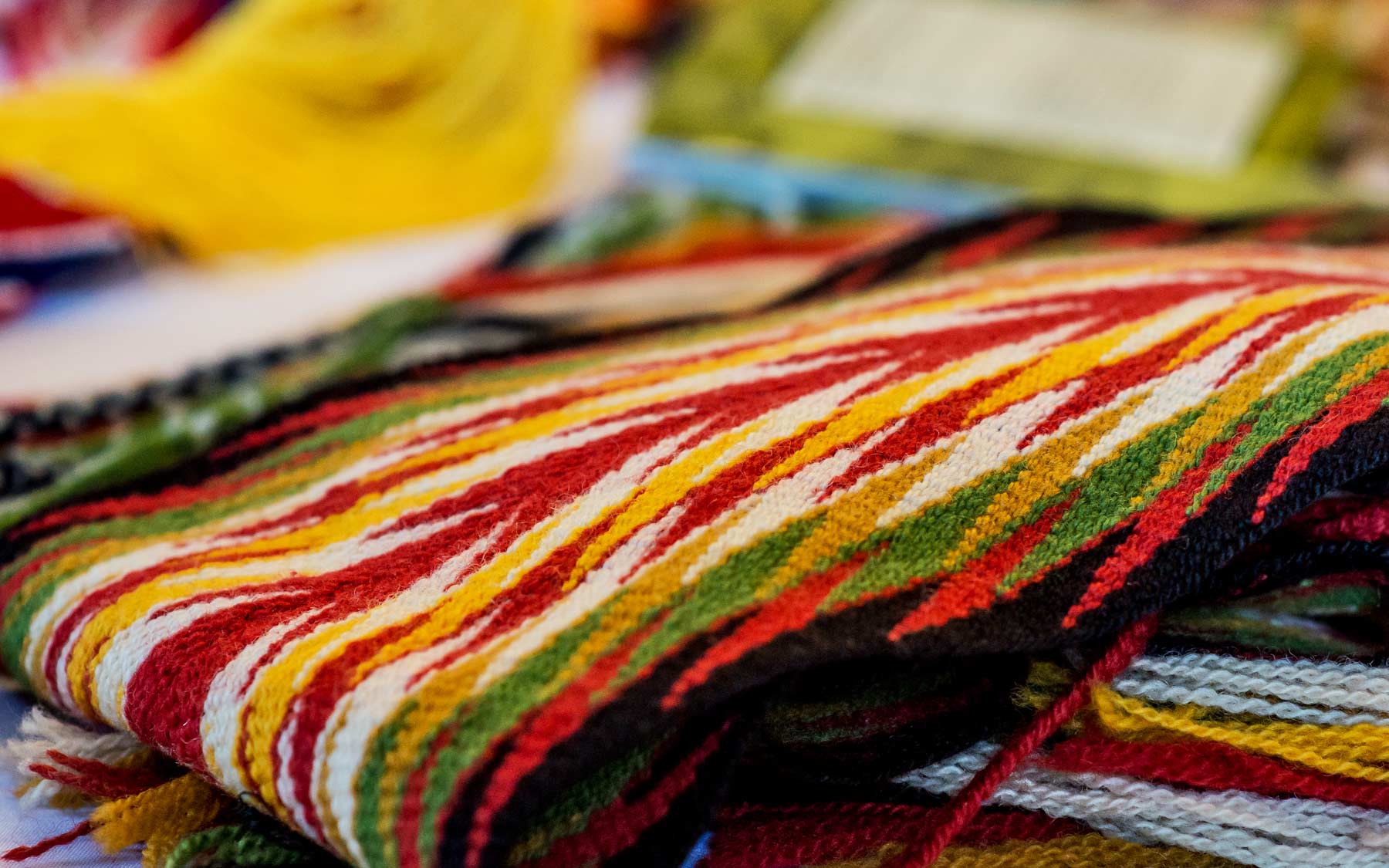
-
Article
Midewiwin
Midewiwin, or Grand Medicine Society, is a spiritual society found historically among the Algonquian of the Upper Great Lakes (Anishinaabe), northern prairies and eastern subarctic. Once widespread, the Midewiwin became less prevalent after the arrival of Europeans in the 18th and 19th centuries. Today, the largest Midewiwin societies are found in parts of Ontario, Manitoba, Wisconsin and Minnesota.
"https://d3d0lqu00lnqvz.cloudfront.net/midewiwin.jpg" // resources/views/front/categories/view.blade.php
https://d3d0lqu00lnqvz.cloudfront.net/midewiwin.jpg
-
Article
Migration
Migration is defined restrictively as a regular movement between alternate sites, one of which is usually a breeding location.
"https://d3d0lqu00lnqvz.cloudfront.net/media/media/57646e15-f83e-46df-a681-c7f1214f0325.jpg" // resources/views/front/categories/view.blade.php
https://d3d0lqu00lnqvz.cloudfront.net/media/media/57646e15-f83e-46df-a681-c7f1214f0325.jpg
-
Article
Military Service Act
The Military Service Act became law on 29 August 1917. It was a politically explosive and controversial law that bitterly divided the country along French-English lines. It made all male citizens aged 20 to 45 subject to conscription for military service, through the end of the First World War. As such, the Act had significant political consequences. It led to the creation of Prime Minister Borden’s Union Government and drove most of his French-Canadian supporters into opposition.
"https://d3d0lqu00lnqvz.cloudfront.net/media/media/1a7b61ee-ed48-4f36-bedd-c816ea64a819.jpg" // resources/views/front/categories/view.blade.php
https://d3d0lqu00lnqvz.cloudfront.net/media/media/1a7b61ee-ed48-4f36-bedd-c816ea64a819.jpg
-
Article
Millenarianism
Millenarianism is the belief that a fundamental transformation of society is coming, one that will bring a golden age of peace and prosperity. Although millenarianism is a Judeo- Christian concept in origin, it has also been associated with other religious, political and social groups.
"https://d3d0lqu00lnqvz.cloudfront.net/media/media/69eb5724-3d71-4cca-857c-6656454c42d5.jpg" // resources/views/front/categories/view.blade.php
https://d3d0lqu00lnqvz.cloudfront.net/media/media/69eb5724-3d71-4cca-857c-6656454c42d5.jpg
-
Article
'Mimkwamlis Potlatch (Memkumlis Raid)
On 25 December 1921, a Potlatch ceremony was held in the Kwakwa̱ka̱’wakw village of ‘Mimkwamlis (also spelled Memkumlis, and also known as Village Island). The Potlatch ceremony was illegal at the time. Officers of the federal government’s Department of Indian Affairs (see Federal Departments of Indigenous and Northern Affairs), as well as the Royal Canadian Mounted Police and, according to some sources, the British Columbia provincial police learned of this Potlatch. They arrested 45 people for participating in the Potlatch. Approximately half of the people were sent to prison for periods ranging from two to three months. Hundreds of precious Kwakwa̱ka̱’wakw ceremonial objects were confiscated. Some of these items were sold to collectors and wound up in museums without the consent of the Kwakwa̱ka̱’wakw people. The arrests related to the ‘Mimkwamlis Potlatch of 1921 were an example of police and government abuse of Indigenous Peoples. It is a further example of the attempted cultural genocide of Indigenous Peoples in Canada (see Genocide and Indigenous Peoples in Canada).
"https://d3d0lqu00lnqvz.cloudfront.net/MimkwamlisPotlatch/umista_cultural_centre_web.jpg" // resources/views/front/categories/view.blade.php
https://d3d0lqu00lnqvz.cloudfront.net/MimkwamlisPotlatch/umista_cultural_centre_web.jpg