
Browse "People"
-
Article
Irene Uchida
Irene Ayako Uchida, OC, geneticist (born 8 April 1917 in Vancouver, BC; died 30 July 2013 in Toronto, ON). Dr. Uchida pioneered the field of cytogenetics in Canada, enabling early screening for chromosomal abnormalities (i.e., changes in chromosomes caused by genetic mutations). She discovered that women who receive X-rays during pregnancy have a higher chance of giving birth to a baby with Down syndrome and other chromosomal abnormalities. She also discovered that the extra chromosome that causes Down syndrome may come from either parent, not only the mother. Click here for definitions of key terms used in this article.
"https://d3d0lqu00lnqvz.cloudfront.net/media/new_article_images/IreneUchida/uchida01.jpg" // resources/views/front/categories/view.blade.php
https://d3d0lqu00lnqvz.cloudfront.net/media/new_article_images/IreneUchida/uchida01.jpg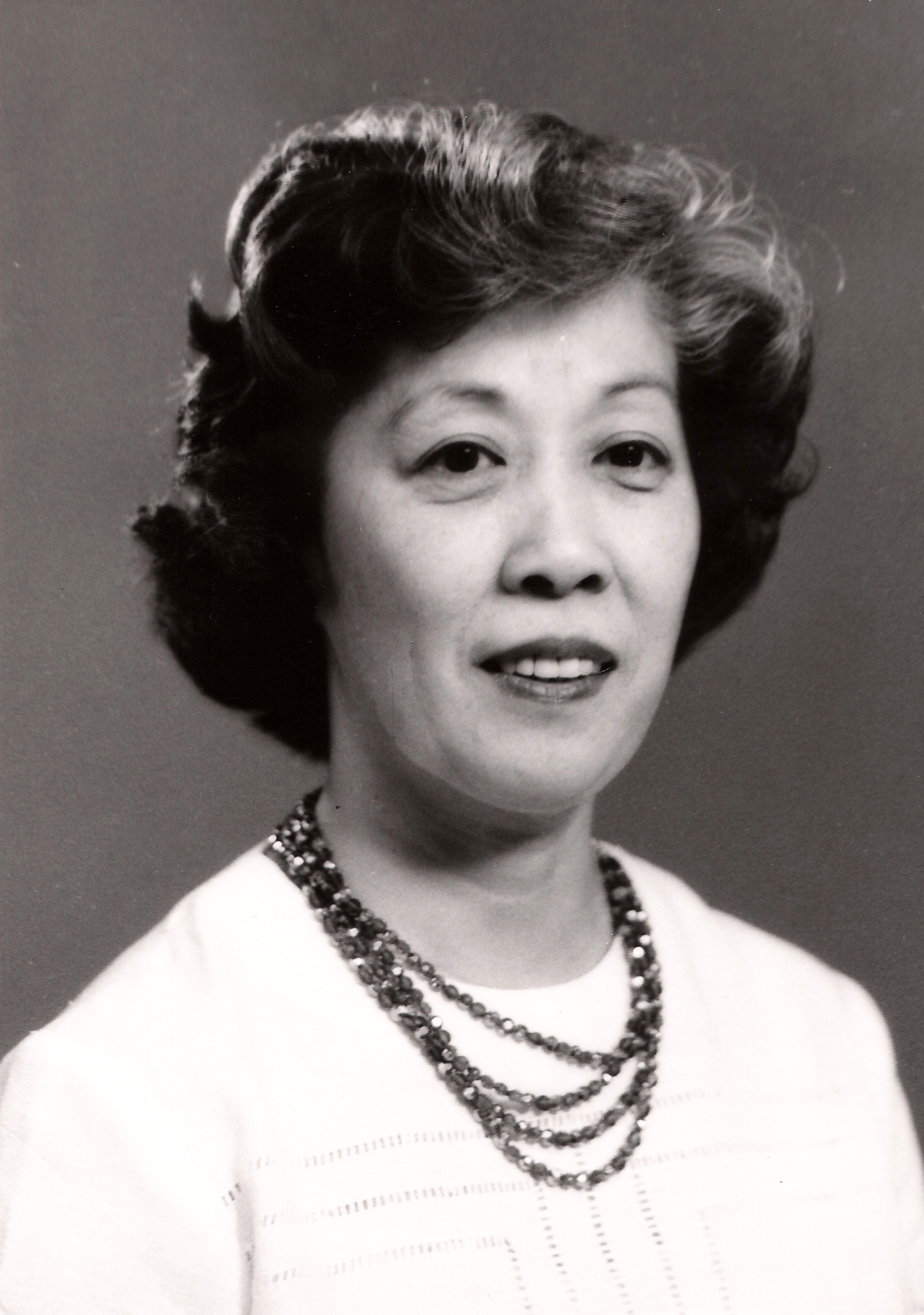
-
Article
Irene Weiss Peery
Irene (Joan) Weiss Peery (b Weiss, m Peery). Pianist, teacher, b Cardston, Alta, 11 Apr 1946; B MUS (Juilliard) 1970, M MUS (Juilliard) 1972, DMA (Peabody Cons) 1987. At eight she was performing major works in Alberta festivals, winning every class she entered for the next eight years.
"https://thecanadianencyclopedia.ca/images/tce_placeholder.jpg?v=e9dca980c9bdb3aa11e832e7ea94f5d9" // resources/views/front/categories/view.blade.php
https://thecanadianencyclopedia.ca/images/tce_placeholder.jpg?v=e9dca980c9bdb3aa11e832e7ea94f5d9
-
Article
Irenee Byatt
Irenee (Irene) Byatt. Contralto, actress, b Vancouver 3 May 1926. After lessons in Victoria, BC, she studied 1948-50 with Albert Whitehead at the RCMT, and 1950-4 with Roy Henderson in England. In 1953 she sang in Messiah at Albert Hall with the London SO under Sir Malcolm Sargent.
"https://thecanadianencyclopedia.ca/images/tce_placeholder.jpg?v=e9dca980c9bdb3aa11e832e7ea94f5d9" // resources/views/front/categories/view.blade.php
https://thecanadianencyclopedia.ca/images/tce_placeholder.jpg?v=e9dca980c9bdb3aa11e832e7ea94f5d9
-
Article
Irish Canadians
The Irish have played an important role in the history of Canada. From their early settlements in Newfoundland, to the larger waves of migrations in the 19th century and the present, the Irish have been ever-present in the Canadian landscape. Irish Canadians have contributed to Canadian society and its economy, and the Irish-Canadian identity continues to be expressed and celebrated. According to the 2021 census, 4,413,120 Canadians reported having Irish origins.
"https://d3d0lqu00lnqvz.cloudfront.net/media/media/1354ebca-0c98-466e-88d2-cbb9b2cabab1.jpg" // resources/views/front/categories/view.blade.php
https://d3d0lqu00lnqvz.cloudfront.net/media/media/1354ebca-0c98-466e-88d2-cbb9b2cabab1.jpg
-
Infographic
Irish Culture in Canada
"https://d3d0lqu00lnqvz.cloudfront.net/media/media/5e849981-e780-4c58-b1e4-9b2879b6056c.png" // resources/views/front/categories/view.blade.php
https://d3d0lqu00lnqvz.cloudfront.net/media/media/5e849981-e780-4c58-b1e4-9b2879b6056c.png
-
Article
Irish Famine Orphans in Canada
Thousands of children became orphans during the 1847 Irish famine migration to British North America. Public authorities, private charities and religious officials all played a part in addressing this crisis. Many orphans were placed with relatives or with Irish families. A considerable number were also taken in by Francophone Catholics in Canada East, and by English-speaking Protestants in New Brunswick. Although many families took in orphans for charitable reasons, most people were motivated by the pragmatic value of an extra pair of hands on the farm or in the household.
"https://d3d0lqu00lnqvz.cloudfront.net/media/media/fd704360-23a5-4333-9dc4-fed52fcc81b8.jpg" // resources/views/front/categories/view.blade.php
https://d3d0lqu00lnqvz.cloudfront.net/media/media/fd704360-23a5-4333-9dc4-fed52fcc81b8.jpg
-
Article
Irish Rovers
The Irish Rovers are a Celtic folk and pop group, founded about 1964 by 5 Irish-born musicians who emigrated to Toronto in their teens. Brothers Will and George Millar were child entertainers in their hometown of Ballymena near Belfast, Northern Ireland.
"https://thecanadianencyclopedia.ca/images/tce_placeholder.jpg?v=e9dca980c9bdb3aa11e832e7ea94f5d9" // resources/views/front/categories/view.blade.php
https://thecanadianencyclopedia.ca/images/tce_placeholder.jpg?v=e9dca980c9bdb3aa11e832e7ea94f5d9
-
Article
Irish Rovers
Irish Rovers. Irish-Canadian pop group formed in Calgary in 1964 by the brothers Will Millar (singer, banjoist, guitarist) and George Millar (guitarist), a cousin, Joe Millar (accordionist), and Jimmy Ferguson (singer).
"https://thecanadianencyclopedia.ca/images/tce_placeholder.jpg?v=e9dca980c9bdb3aa11e832e7ea94f5d9" // resources/views/front/categories/view.blade.php
https://thecanadianencyclopedia.ca/images/tce_placeholder.jpg?v=e9dca980c9bdb3aa11e832e7ea94f5d9
-
Article
Irma LeVasseur
Irma LeVasseur, MD, first French-Canadian female doctor and founder of the Hôpital Sainte-Justine in Montreal and the Hôpital de l’Enfant-Jésus in Québec City (born 20 January 1877 in Québec, QC; died 18 January 1964 in Québec, QC.) Dr. LeVasseur was one of the very few female doctors of her era and was a pioneer in pediatric medicine. She devoted her life to sick children, founding major institutions that continued her work after her death.
"https://d3d0lqu00lnqvz.cloudfront.net/TCEImages/7fdaebf0-3dc9-4958-9417-10d409785386.jpg" // resources/views/front/categories/view.blade.php
https://d3d0lqu00lnqvz.cloudfront.net/TCEImages/7fdaebf0-3dc9-4958-9417-10d409785386.jpg
-
Article
Iroquoian
Iroquoian describes an ethno-cultural and linguistic group of Indigenous peoples that historically lived in the Great Lakes area. Indigenous nations described as Iroquoian include the Haudenosaunee, Wendat (Huron), Neutral, Tionontati (Petun), Wenro, and Erie.
"https://d3d0lqu00lnqvz.cloudfront.net/Iroquoian/IroquoianLanguagesMap.jpg" // resources/views/front/categories/view.blade.php
https://d3d0lqu00lnqvz.cloudfront.net/Iroquoian/IroquoianLanguagesMap.jpg
-
Article
Haudenosaunee (Iroquois)
The Haudenosaunee, or “people of the longhouse,” commonly referred to as Iroquois or Six Nations, are members of a confederacy of Indigenous nations known as the Haudenosaunee Confederacy. Originally a confederacy of five nations inhabiting the northern part of New York state, the Haudenosaunee consisted of the Seneca, Cayuga, Oneida, Onondaga and Kanyen’kehà:ka (Mohawk). When the Tuscarora joined the confederacy early in the 18th century, it became known as the Six Nations. Today, Haudenosaunee live on well-populated reserves — known as reservations in the United States — as well as in off-reserve communities.
"https://d3d0lqu00lnqvz.cloudfront.net/media/media/c78ecb73-d7ac-4834-bc1e-a6d6bf206331.jpg" // resources/views/front/categories/view.blade.php
https://d3d0lqu00lnqvz.cloudfront.net/media/media/c78ecb73-d7ac-4834-bc1e-a6d6bf206331.jpg
-
Macleans
Irshad Manji Challenges Islam
LIKE THOUSANDS of Muslims originally from South Asia, Irshad Manji's parents fled Uganda in the early 1970s to escape the wrath of dictator Idi Amin.This article was originally published in Maclean's Magazine on September 29, 2003
"https://thecanadianencyclopedia.ca/images/tce_placeholder.jpg?v=e9dca980c9bdb3aa11e832e7ea94f5d9" // resources/views/front/categories/view.blade.php
https://thecanadianencyclopedia.ca/images/tce_placeholder.jpg?v=e9dca980c9bdb3aa11e832e7ea94f5d9
-
Article
Irving Abella
Irving Martin Abella, CM, O Ont, FRSC, historian, professor, administrator (born 2 July 1940 in Toronto, ON; died 3 July 2022). Irving Abella was a professor of history at York University from 1968 to 2013. He was a pioneer in the field of Canadian labour history and also specialized in the history of Jewish people in Canada. Abella was co-author of the book None Is Too Many: Canada and the Jews of Europe 1933–1948, which documented antisemitism in the Canadian government’s immigration policies. Abella served as president of the Canadian Jewish Congress from 1992 to 1995 and helped establish the Centre for Jewish Studies at York University. He was a Member of the Order of Canada and the Order of Ontario and a Fellow of the Royal Society of Canada.
"https://d3d0lqu00lnqvz.cloudfront.net/media/media/6d356bb1-8262-40a1-a024-3e8d3226a9da.jpg" // resources/views/front/categories/view.blade.php
https://d3d0lqu00lnqvz.cloudfront.net/media/media/6d356bb1-8262-40a1-a024-3e8d3226a9da.jpg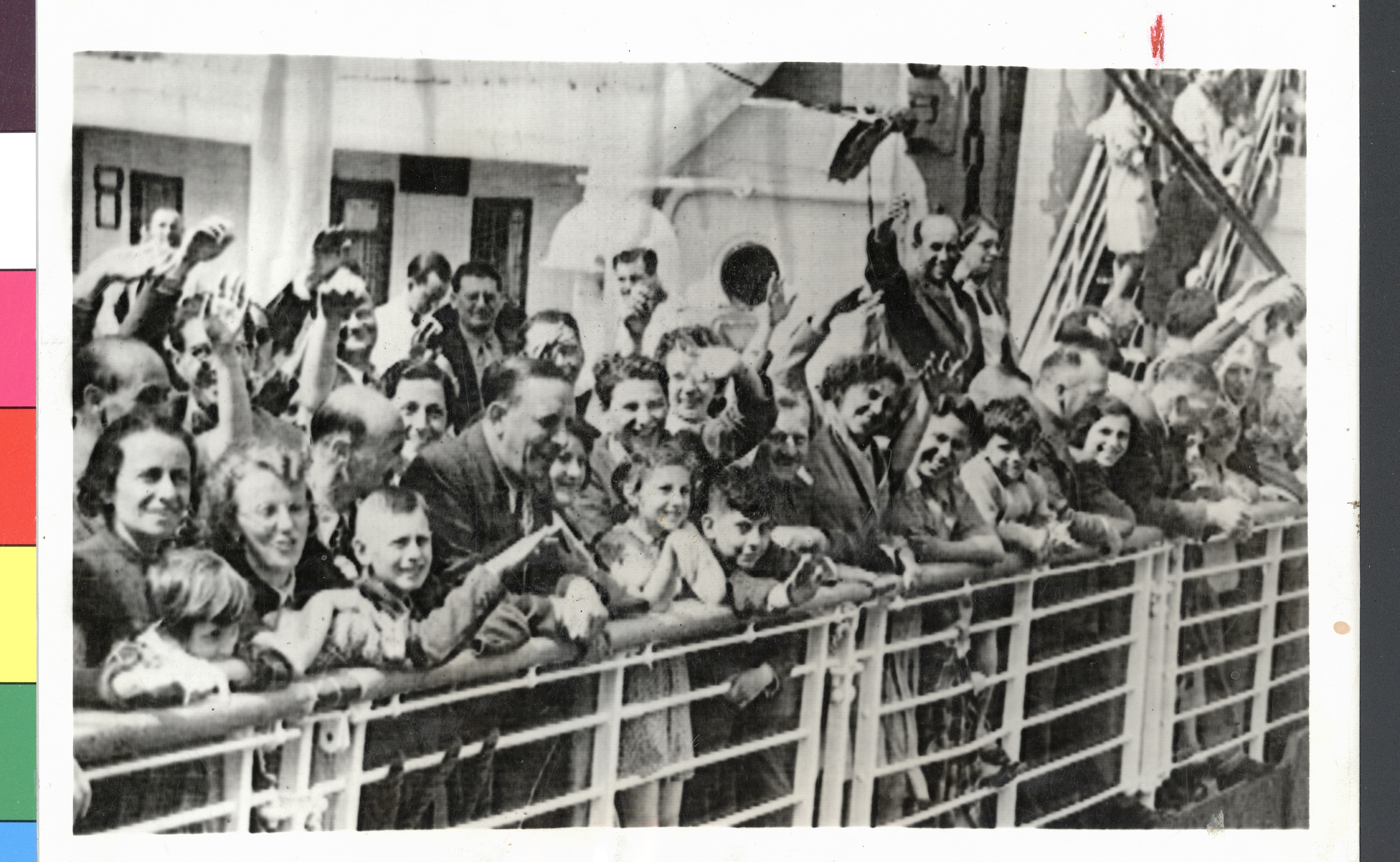
-
Article
Irving Guttman
Irving Allen Guttman, CM, OBC, opera director (born 27 October 1928 in Chatham, ON; died 7 December 2014 in Vancouver, BC). Known as “the father of opera in Western Canada,” Irving Guttman was a visionary leader who mentored and developed many famous singers, and directed dozens of operas in Canada and abroad.
"https://thecanadianencyclopedia.ca/images/tce_placeholder.jpg?v=e9dca980c9bdb3aa11e832e7ea94f5d9" // resources/views/front/categories/view.blade.php
https://thecanadianencyclopedia.ca/images/tce_placeholder.jpg?v=e9dca980c9bdb3aa11e832e7ea94f5d9
-
Article
Irving Kingsbury Fox
Irving Kingsbury Fox, professor, resource planner, conservationist (born at Bolton, Michigan 7 December 1916; died at Smithers, BC 20 July 2006).
"https://thecanadianencyclopedia.ca/images/tce_placeholder.jpg?v=e9dca980c9bdb3aa11e832e7ea94f5d9" // resources/views/front/categories/view.blade.php
https://thecanadianencyclopedia.ca/images/tce_placeholder.jpg?v=e9dca980c9bdb3aa11e832e7ea94f5d9