Browse "Communities & Sociology"
-
Article
Claude de Ramezay
Claude de Ramezay, (born 15 June 1659 in La Gesse, France; died 31 July 1724 in Quebec City). Claude de Ramezay came to New France as an officer in the troupes de la marine. He served as governor of Trois-Rivières (1690–99), commander of Canadian troops (1699–1704), governor of Montreal (1704–24), and as acting governor general of New France (1714–16). Throughout his time in New France, he pursued fur trade and lumber interests. He is also remembered for his home, Château Ramezay. Built in 1705, it is now a museum and one of Montreal’s landmark historical buildings.
"https://d3d0lqu00lnqvz.cloudfront.net/media/new_article_images/ClaudedeRamezay/Claude_de_Ramezay.jpg" // resources/views/front/categories/view.blade.php
https://d3d0lqu00lnqvz.cloudfront.net/media/new_article_images/ClaudedeRamezay/Claude_de_Ramezay.jpg
-
Article
Clear Grits
Clear Grits, Upper Canadian Reformers who became discontented with the conservatism of the Baldwin-LaFontaine ministry after 1849.
"https://thecanadianencyclopedia.ca/images/tce_placeholder.jpg?v=e9dca980c9bdb3aa11e832e7ea94f5d9" // resources/views/front/categories/view.blade.php
https://thecanadianencyclopedia.ca/images/tce_placeholder.jpg?v=e9dca980c9bdb3aa11e832e7ea94f5d9
-
Article
Clement Ligoure
Clement Courtenay Ligoure, physician (born 13 October 1887 in Trinidad; died 23 May 1922 Port of Spain, Trinidad). Dr. Ligoure was Halifax’s first Black doctor and an unsung hero of the Halifax Explosion, as he treated hundreds of patients free of charge in his home medical office. Dr. Ligoure was also instrumental in the formation of the No. 2 Construction Battalion, Canada’s first and only all-Black battalion (see Black Canadians; Caribbean Canadians).
"https://d3d0lqu00lnqvz.cloudfront.net/clementligoure/clementcourtenayligoure.jpg" // resources/views/front/categories/view.blade.php
https://d3d0lqu00lnqvz.cloudfront.net/clementligoure/clementcourtenayligoure.jpg
-
Article
Clerics of Saint-Viateur
A religious congregation founded in 1831 in Vourles (near Lyons), France, by Father Louis-Marie Querbes to educate boys and to help in the general parish ministry.
"https://thecanadianencyclopedia.ca/images/tce_placeholder.jpg?v=e9dca980c9bdb3aa11e832e7ea94f5d9" // resources/views/front/categories/view.blade.php
https://thecanadianencyclopedia.ca/images/tce_placeholder.jpg?v=e9dca980c9bdb3aa11e832e7ea94f5d9
-
Article
Coast Salish
Coast Salish peoples have historically occupied territories along the Northwest Pacific Coast in Canada and the United States. Though each nation is different, Coast Salish peoples generally have strong kinship ties and engage in political, treaty and environmental partnerships.
"https://d3d0lqu00lnqvz.cloudfront.net/media/media/b2896e4c-6595-4766-806c-936eb1f7ba34.jpg" // resources/views/front/categories/view.blade.php
https://d3d0lqu00lnqvz.cloudfront.net/media/media/b2896e4c-6595-4766-806c-936eb1f7ba34.jpg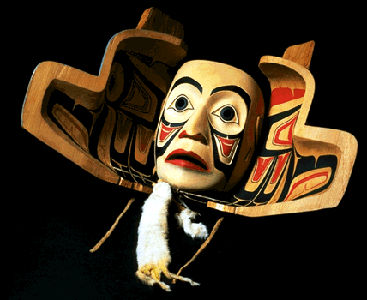
-
Article
Colored Hockey League of the Maritimes
The Colored Hockey League of the Maritimes (CHL) was an all-Black men’s hockey league. Organized by Black Baptists and Black intellectuals, it was founded in Halifax, Nova Scotia, in 1895. It was defunct during and after the First World War, reformed in 1921 and then fell apart during the Depression in the 1930s. Play was known to be fast, physical and innovative. The league was designed to attract young Black men to Sunday worship with the promise of a hockey game between rival churches after the services. Later, with the influence of the Black Nationalism Movement and rising interest in the sport of hockey, the league came to be seen as a potential driving force for the equality of Black Canadians. Canada Post issued a commemorative stamp in honour of the league in 2020. In 2024, the league was declared an event of national historic significance by Parks Canada.
"https://d3d0lqu00lnqvz.cloudfront.net/Coloured Hockey League.jpg" // resources/views/front/categories/view.blade.php
https://d3d0lqu00lnqvz.cloudfront.net/Coloured Hockey League.jpg
-
Article
Columbia River Treaty
The Columbia River Treaty was signed by Canada and the US on 17 Jan 1961 after 15 years of preliminary investigation by the International Joint Commission, and one year (1960) of direct international negotiation. It dealt with the co-operative development of the Columbia River.
"https://thecanadianencyclopedia.ca/images/tce_placeholder.jpg?v=e9dca980c9bdb3aa11e832e7ea94f5d9" // resources/views/front/categories/view.blade.php
https://thecanadianencyclopedia.ca/images/tce_placeholder.jpg?v=e9dca980c9bdb3aa11e832e7ea94f5d9
-
Article
Company of One Hundred Associates
The Company of New France, or Company of One Hundred Associates (Compagnie des Cent-Associés) as it was more commonly known, was formed in France in 1627. Its purpose was to increase New France’s population while enjoying a monopoly on almost all colonial trade. It took bold steps but suffered many setbacks. The company folded in 1663. It earned little return on its investment, though it helped establish New France as a viable colony.
"https://d3d0lqu00lnqvz.cloudfront.net/media/media/e4ec1e55-01c2-4b77-a220-f05a84fd4c9c.jpg" // resources/views/front/categories/view.blade.php
https://d3d0lqu00lnqvz.cloudfront.net/media/media/e4ec1e55-01c2-4b77-a220-f05a84fd4c9c.jpg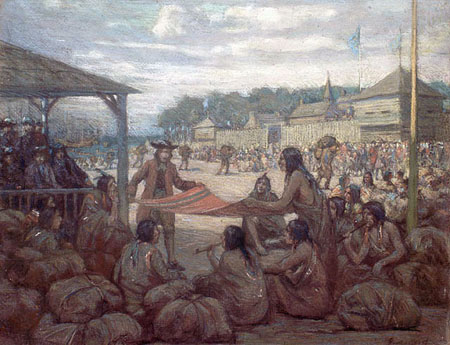
-
Article
Congress of Aboriginal Peoples
The Congress of Aboriginal Peoples (CAP) speaks primarily for Indigenous peoples living off reserve in Canada. In 1993, under the leadership of Jim Sinclair, CAP grew out of a reorganization of the Native Council of Canada (NCC). Since its founding in 1971, the central objective of the NCC, and now CAP, has been to represent the interests of off reserve Status and Non-Status people, Métis and Southern Inuit.
"https://d3d0lqu00lnqvz.cloudfront.net/media/media/35d9c4df-d960-4667-a478-d7eb82199581.jpg" // resources/views/front/categories/view.blade.php
https://d3d0lqu00lnqvz.cloudfront.net/media/media/35d9c4df-d960-4667-a478-d7eb82199581.jpg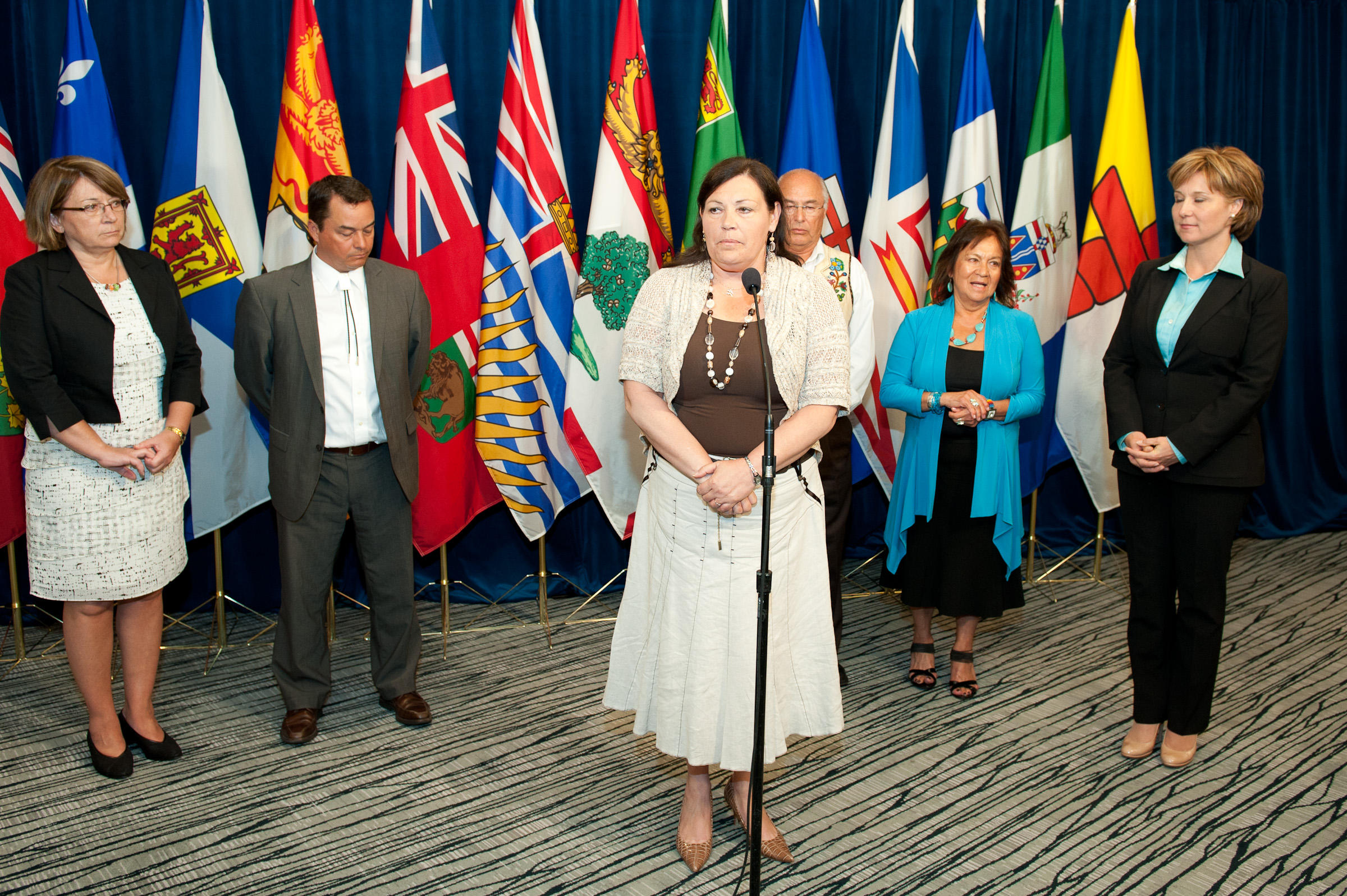
-
Article
Contemporary Indigenous Art in Canada
Contemporary Indigenous art is that which has been produced by Indigenous peoples between around 1945 to the present. Since that time, two major schools of Indigenous art have dominated the contemporary scene in Canada: Northwest Coast Indigenous Art and the Woodland school of Legend Painters. As well, a more widely scattered group of artists work independently in the context of mainstream Western art and may be described as internationalist in scope and intent. Contemporary Inuit art has evolved in parallel with contemporary Indigenous art, producing celebrated artists like Zacharias Kunuk and Annie Pootoogook. (See also Important Indigenous Artists in Canada and History of Indigenous Art in Canada.)
"https://d3d0lqu00lnqvz.cloudfront.net/media/media/8a90dd14-410f-43b4-a0d6-c7b47c511e95.jpg" // resources/views/front/categories/view.blade.php
https://d3d0lqu00lnqvz.cloudfront.net/media/media/8a90dd14-410f-43b4-a0d6-c7b47c511e95.jpg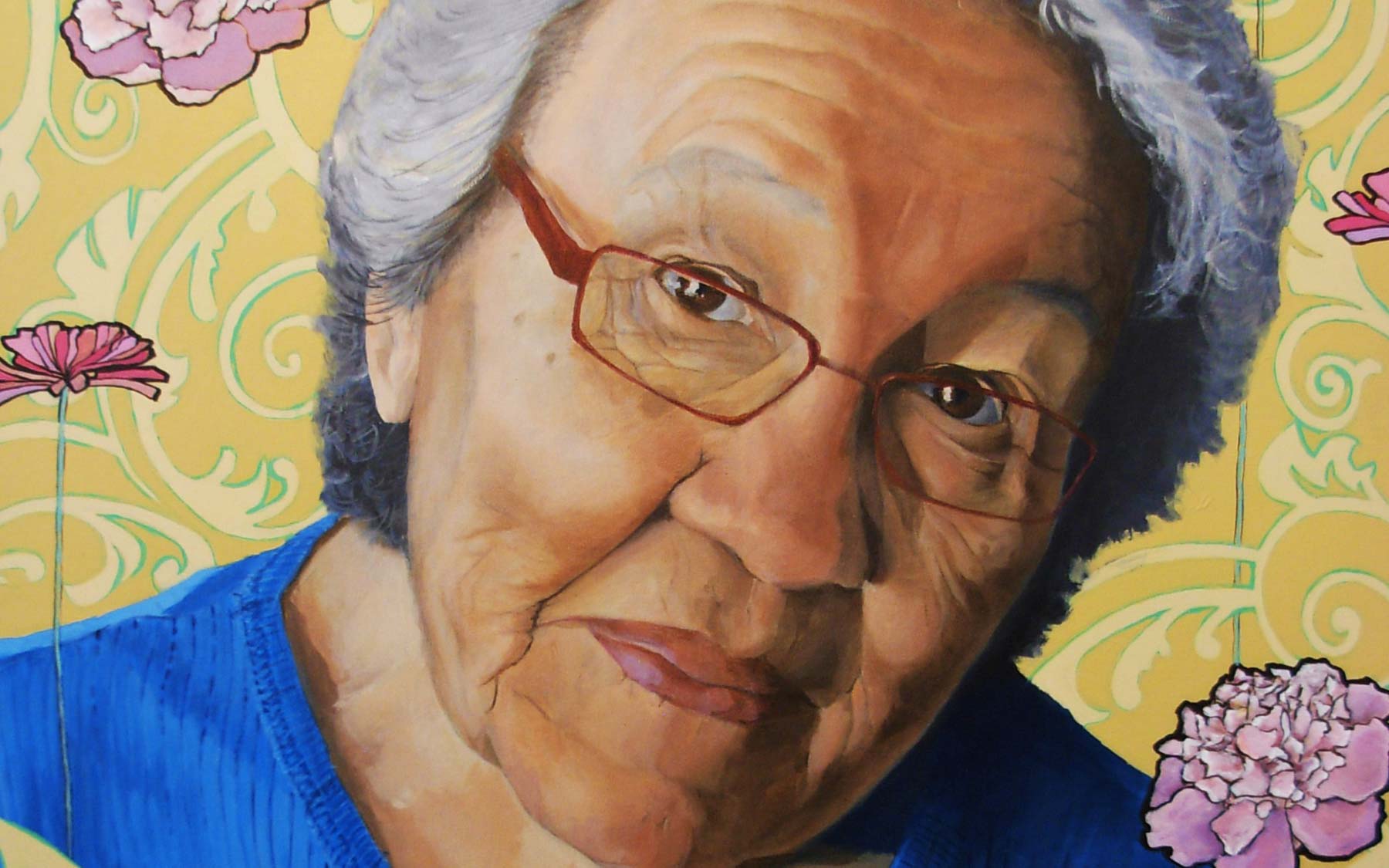
-
Article
Contemporary Acadia
Contemporary Acadia is best known through the voices and images of its artists and festivals, although a significant francophone population living in the Atlantic Canada region identifies itself with this historic and cultural community and is striving to transform it into a modern society (see Acadian Culture).
"https://d3d0lqu00lnqvz.cloudfront.net/media/media/0988fc77-c4b5-410f-8147-ffcf8bb53fa6.jpg" // resources/views/front/categories/view.blade.php
https://d3d0lqu00lnqvz.cloudfront.net/media/media/0988fc77-c4b5-410f-8147-ffcf8bb53fa6.jpg
-
Macleans
Coon Come Fights Separatists
When he was still a young McGill University undergraduate, Matthew Coon Come approached his father with a request.This article was originally published in Maclean's Magazine on February 27, 1995
"https://thecanadianencyclopedia.ca/images/tce_placeholder.jpg?v=e9dca980c9bdb3aa11e832e7ea94f5d9" // resources/views/front/categories/view.blade.php
https://thecanadianencyclopedia.ca/images/tce_placeholder.jpg?v=e9dca980c9bdb3aa11e832e7ea94f5d9
-
Article
Inuinnait (Copper Inuit)
Social organization was based on kinship and on various types of formal partnership, and affiliation between individuals tended to be more a matter of personal choice than is usually found among other Inuit groups.
"https://d3d0lqu00lnqvz.cloudfront.net/media/media/904d87cb-9998-4625-b627-84ca8857abcc.jpg" // resources/views/front/categories/view.blade.php
https://d3d0lqu00lnqvz.cloudfront.net/media/media/904d87cb-9998-4625-b627-84ca8857abcc.jpg
-
Article
Inuit Country Food in Canada
Country food is a term that describes traditional Inuit food, including game meats, migratory birds, fish and foraged foods. In addition to providing nourishment, country food is an integral part of Inuit identity and culture, and contributes to self-sustainable communities. Environmental and socioeconomic changes have threatened food security, making country food more expensive and difficult to harvest. Despite these challenges, the Inuit, in partnership with various levels of government and non-profit organizations, continue to work towards improving access to country food.
"https://d3d0lqu00lnqvz.cloudfront.net/media/media/6d6d0dcf-4f29-4d58-817d-3e2cad84c4b7.jpg" // resources/views/front/categories/view.blade.php
https://d3d0lqu00lnqvz.cloudfront.net/media/media/6d6d0dcf-4f29-4d58-817d-3e2cad84c4b7.jpg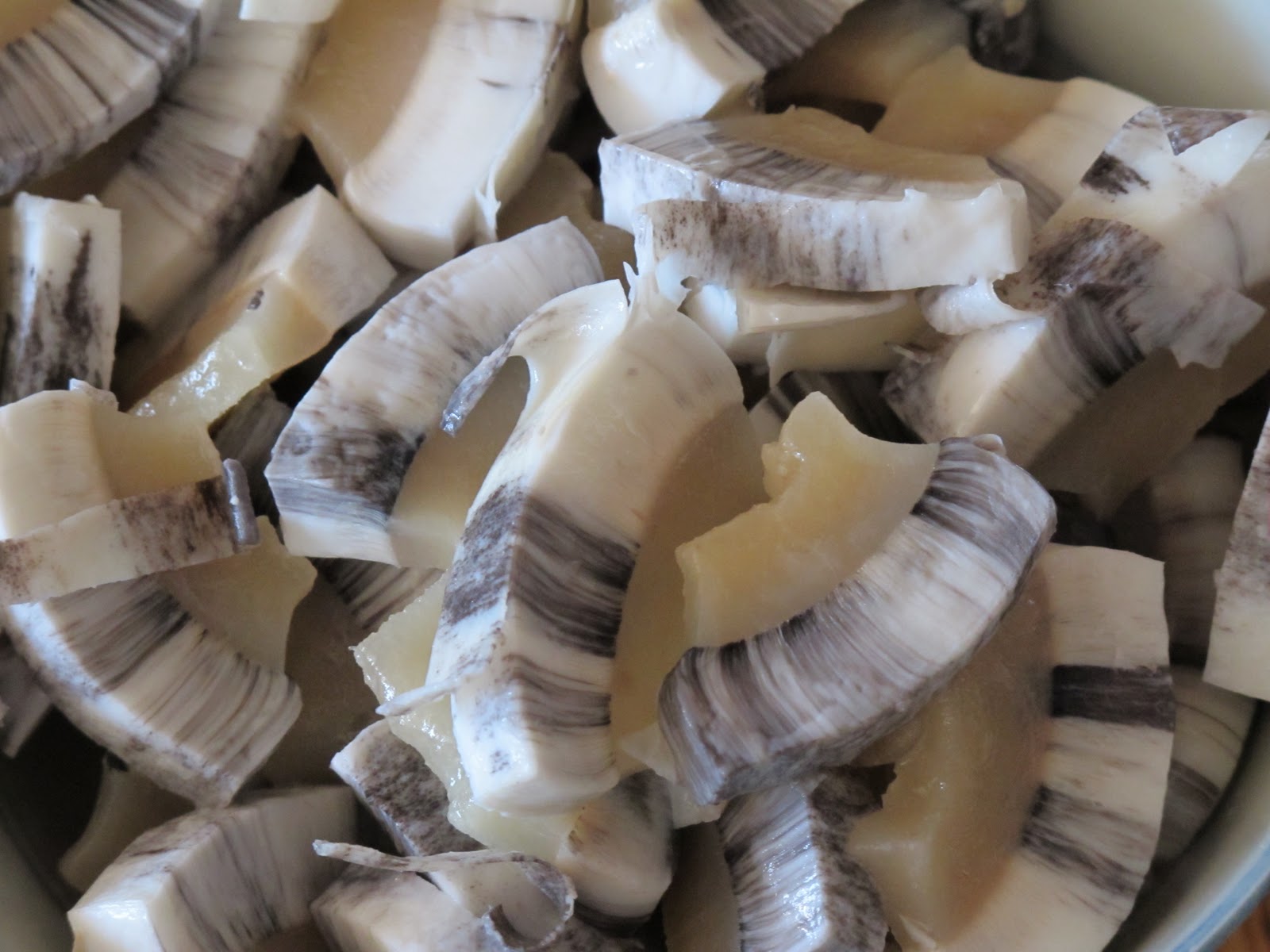
-
Article
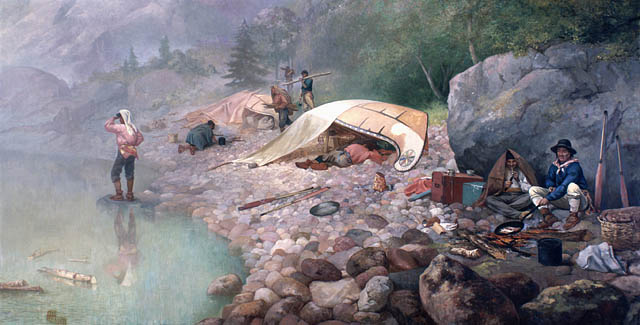
Coureurs des bois
Coureurs des bois were itinerant, unlicenced fur traders from New France. They were known as “wood-runners” to the English on Hudson Bay and “bush-lopers” to the Anglo-Dutch of New York. Unlike voyageurs, who were licensed to transport goods to trading posts, coureurs des bois were considered outlaws of sorts because they did not have permits from colonial authorities. The independent coureurs des bois played an important role in the European exploration of the continent. They were also vital in establishing trading contacts with Indigenous peoples.
"https://d3d0lqu00lnqvz.cloudfront.net/media/media/2a01defb-42f2-4ad3-b7f1-cf7966378002.jpg" // resources/views/front/categories/view.blade.php
https://d3d0lqu00lnqvz.cloudfront.net/media/media/2a01defb-42f2-4ad3-b7f1-cf7966378002.jpg