
Browse "Indigenous Leaders"
-
Article
Rights of Indigenous Peoples in Canada
It is difficult to generalize about definitions of Indigenous rights because of the diversity among First Nations, Métis and Inuit peoples in Canada. Broadly speaking, however, Indigenous rights are inherent, collective rights that flow from the original occupation of the land that is now Canada, and from social orders created before the arrival of Europeans to North America. For many, the concept of Indigenous rights can be summed up as the right to independence through self-determination regarding governance, land, resources and culture.
"https://d3d0lqu00lnqvz.cloudfront.net/media/media/174cee51-4aca-4a67-ac60-f72697d35862.jpg" // resources/views/front/categories/view.blade.php
https://d3d0lqu00lnqvz.cloudfront.net/media/media/174cee51-4aca-4a67-ac60-f72697d35862.jpg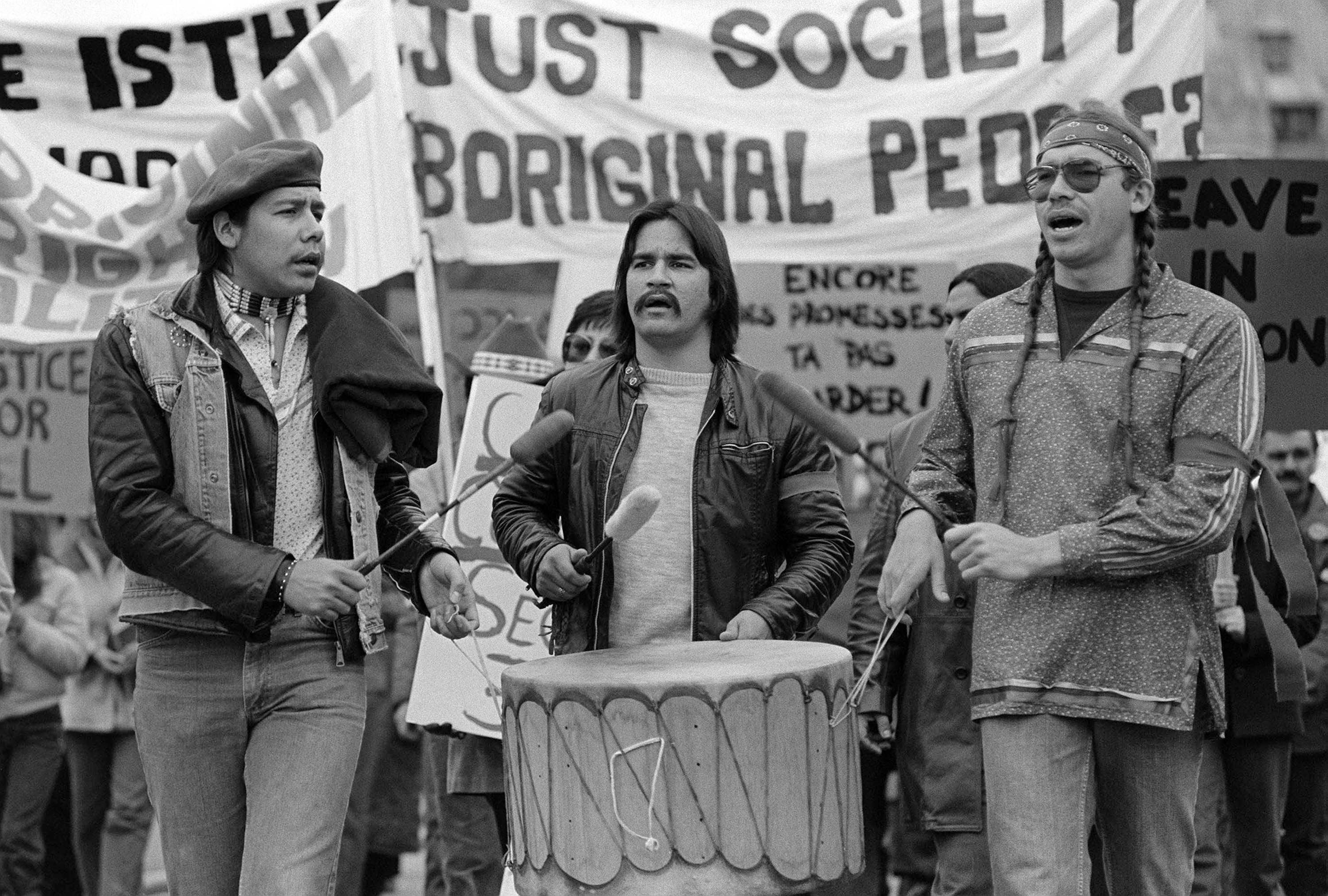
-
Article
Assembly of First Nations
The Assembly of First Nations (AFN) is a political organization representing approximately 900,000 First Nations citizens in Canada. The AFN advocates on behalf of First Nations on issues such as treaties, Indigenous rights, and land and resources. The AFN's Chiefs assemblies are held at least twice a year, where chiefs from each First Nation pass resolutions to direct the organization’s work. There are over 600 First Nations in Canada.
"https://d3d0lqu00lnqvz.cloudfront.net/media/media/42b07144-6118-49ea-b252-501690fca51d.jpg" // resources/views/front/categories/view.blade.php
https://d3d0lqu00lnqvz.cloudfront.net/media/media/42b07144-6118-49ea-b252-501690fca51d.jpg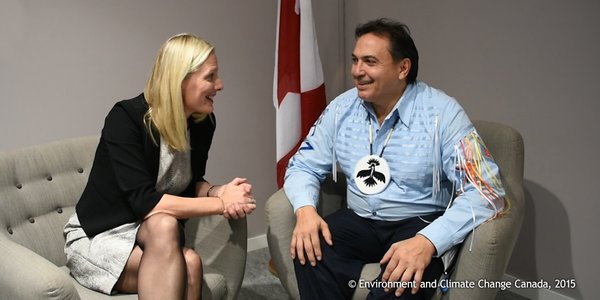
-
Article
Peter Bostonais Pangman
Peter (or Pierre) Bostonais Pangman, Métis leader, bison hunter (born 20 October 1791 in the North Saskatchewan River Valley area, present-day AB; died 4 March 1850 in St. François Xavier, present-day MB). Peter Bostonais Pangman was a skilled hunter who helped provide much-needed bison meat to the Red River Colony. He was actively involved in the Pemmican Wars and events surrounding the Battle of Seven Oaks. As part of the Pembina fur trade, Pangman was a key figure who rallied and inspired the Red River Valley Métis to see and express themselves with an identity separate from surrounding Indigenous peoples. The name Bostonais is variously spelled Bastonnais and Bostonnais.
"https://thecanadianencyclopedia.ca/images/tce_placeholder.jpg?v=e9dca980c9bdb3aa11e832e7ea94f5d9" // resources/views/front/categories/view.blade.php
https://thecanadianencyclopedia.ca/images/tce_placeholder.jpg?v=e9dca980c9bdb3aa11e832e7ea94f5d9
-
Article
Bertha Clark-Jones
Bertha Clark-Jones (née Houle), OC, Cree-Métis advocate for the rights of Indigenous women and children (born 6 November 1922 in Clear Hills, AB; died 21 October 2014 in Bonnyville, AB). A veteran of the Second World War, Clark-Jones joined the Aboriginal Veterans Society and advocated for the fair treatment of Indigenous ex-service people. She was co-founder and first president of the Native Women’s Association of Canada. Clark-Jones devoted her life to seeking equality and greater power for women in Canada.
"https://d3d0lqu00lnqvz.cloudfront.net/media/home-page-images/Bertha-clark-jones.jpg" // resources/views/front/categories/view.blade.php
https://d3d0lqu00lnqvz.cloudfront.net/media/home-page-images/Bertha-clark-jones.jpg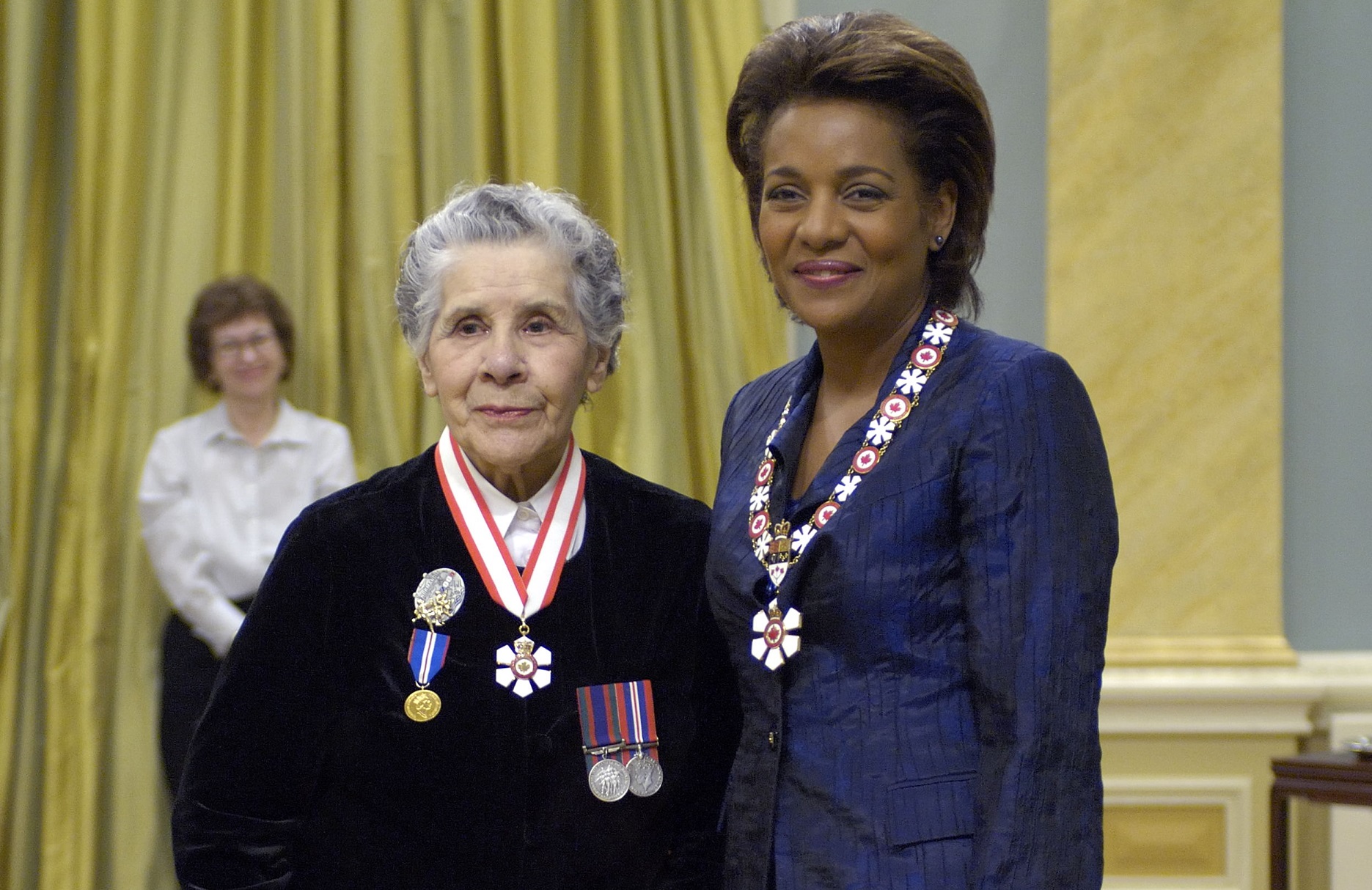
-
Article
Elsie Knott
Elsie Marie Knott (née Taylor), Ojibwe chief, community leader, entrepreneur (born 20 September 1922 on Mud Lake Reserve [now Curve Lake First Nation], ON; died there on 3 December 1995). Knott was the first elected female First Nations chief in Canada, after a 1951 amendment to the Indian Act permitted Indigenous women to vote and participate in band governments. She was also chief of her First Nation for 14 years, from 1954 to 1962 and from 1970 to 1976. Knott was dedicated to preserving the Ojibwe language and was known for her community activism and support of education.
"https://d3d0lqu00lnqvz.cloudfront.net/media/new_article_images/curvelake/curve lake.JPG" // resources/views/front/categories/view.blade.php
https://d3d0lqu00lnqvz.cloudfront.net/media/new_article_images/curvelake/curve lake.JPG
-
Article
Francis Pegahmagabow
Francis “Peggy” Pegahmagabow, Anishinaabe (Ojibwe) chief, Indigenous rights advocate, war hero (born on 9 March 1891 on the Parry Island reserve, ON; died 5 August 1952 at Parry Island, ON). One of the most highly decorated Indigenous people in Canada during the First World War, Pegahmagabow became a vocal advocate for Indigenous rights and self-determination. (See also Indigenous Peoples and the World Wars.)
"https://d3d0lqu00lnqvz.cloudfront.net/Francis Pegahmagabow (2).jpg" // resources/views/front/categories/view.blade.php
https://d3d0lqu00lnqvz.cloudfront.net/Francis Pegahmagabow (2).jpg.jpg)
-
Article
Helen Mamayaok Maksagak
Helen Mamayaok Maksagak, CM, politician, public servant, community leader (born 15 April 1931 in Bernard Harbour, NT [NU]; died 23 January 2009 in Cambridge Bay, NU). Maksagak was the first woman and Inuk to serve as the commissioner of the Northwest Territories. A vocal and engaged advocate for Inuit affairs, she contributed to efforts to establish Nunavut as Canada’s third territory in the 1990s. In March of 1999, she was chosen as the first commissioner of the newly created Nunavut territory; her term lasted until March 2000. Maksagak returned to a formal political role in November 2005, when she was appointed deputy commissioner of Nunavut. In addition to her political career, Maksagak performed advocacy work, focusing on Inuit and, more broadly, Indigenous initiatives, such as improving access to social services.
"https://d3d0lqu00lnqvz.cloudfront.net/media/media/4fc58d24-f4e6-464b-92bf-c9647246118f.jpg" // resources/views/front/categories/view.blade.php
https://d3d0lqu00lnqvz.cloudfront.net/media/media/4fc58d24-f4e6-464b-92bf-c9647246118f.jpg
-
List
Indigenous Women Activists in Canada
An activist is someone who works to bring about social or political change. Many Indigenous people in Canada have been at the forefront of movements that concern issues like the environment, Indigenous and treaty rights, equal access to education and health care, the rights of women and children, and more. Indigenous women have taken up causes that affect their families and communities. This article names some of the many Indigenous women activists in Canada who have effectively championed important causes. (See also Indigenous Women’s Issues in Canada.)
"https://d3d0lqu00lnqvz.cloudfront.net/media/media/a28fc4c4-7840-4edc-ad7e-7bee27a74e64.jpg" // resources/views/front/categories/view.blade.php
https://d3d0lqu00lnqvz.cloudfront.net/media/media/a28fc4c4-7840-4edc-ad7e-7bee27a74e64.jpg
-
Article
Jean Cuthand Goodwill
Jean Cuthand Goodwill, OC, nurse, public servant and Indigenous health and education advocate (born 14 August 1928 on the Poundmaker Cree Nation, SK; died 25 August 1997 in Regina, SK). Cuthand Goodwill was one of the first Indigenous registered nurses in Canada. In 1974, she cofounded Indian and Inuit Nurses of Canada (now known as the Canadian Indigenous Nurses Association). She was a lifelong organizer, writer and educator who promoted First Nations health and culture.
"https://d3d0lqu00lnqvz.cloudfront.net/media/single_use_images/Jean_Cuthand_Goodwill96.jpg" // resources/views/front/categories/view.blade.php
https://d3d0lqu00lnqvz.cloudfront.net/media/single_use_images/Jean_Cuthand_Goodwill96.jpg
-
Article
Jeannette Corbiere Lavell
Jeannette Vivian Corbiere Lavell (called Keewednanung, “North Star” in the Anishinaabe language), CM, activist, educator and community worker (born 21 June 1942 in Wikwemikong, ON). Corbiere Lavell, an Anishinaabe (Ojibwe) woman, was one of several Indigenous women who brought increased public awareness to the gendered discrimination that First Nations women faced because of status law, namely section 12(1)(b) of the Indian Act. Her efforts were central to revising patriarchal (male-dominated) aspects of Canadian legal code.
"https://d3d0lqu00lnqvz.cloudfront.net/media/media/2ea39e9a-9c51-4398-a837-30842473adce.jpg" // resources/views/front/categories/view.blade.php
https://d3d0lqu00lnqvz.cloudfront.net/media/media/2ea39e9a-9c51-4398-a837-30842473adce.jpg
-
Article
Jose Kusugak
Jose Amaujaq Kusugak, ONu, Inuit politician, community leader, teacher, activist, linguist and broadcaster (born 2 May 1950 in Repulse Bay, NT [now Naujaat, NU]; died 18 or 19 January 2011 in Rankin Inlet, Kivalliq, NU). Kusugak was president of Nunavut Tunngavik Inc. from 1994 to 2000. This was the organization responsible for negotiating and implementing the land claim that ultimately resulted in the creation of Nunavut in 1999. For this reason, some consider Kusugak a Father of Confederation. He was also a lifelong advocate for Inuit rights, language and culture.
"https://d3d0lqu00lnqvz.cloudfront.net/JoseKusugak/CanadaPostJoseKusugak.jpg" // resources/views/front/categories/view.blade.php
https://d3d0lqu00lnqvz.cloudfront.net/JoseKusugak/CanadaPostJoseKusugak.jpg
-
Article
Kondiaronk
Kondiaronk, Tionontati chief (born circa 1649; died 2 August 1701 in Montreal, QC). He has been known by several names throughout history, including Gaspar Soiaga, Souoias, Sastaretsi, and Le Rat (the Rat). Kondiaronk was one of the main brokers of the Great Peace of Montreal, signed in 1701. This peace agreement between the French and Haudenosaunee brought to an end almost a century of hostilities marked by atrocities on both sides. (See also Indigenous-French Relations in Canada.)
"https://d3d0lqu00lnqvz.cloudfront.net/Kondiaronk/KondiaronkStamp.jpg" // resources/views/front/categories/view.blade.php
https://d3d0lqu00lnqvz.cloudfront.net/Kondiaronk/KondiaronkStamp.jpg
-
Article
Marie-Anne Day Walker-Pelletier
Marie-Anne Day Walker-Pelletier, CM, chief (born 15 April 1954 in Regina, SK). Day Walker-Pelletier is the longest-serving elected chief in Canadian history. She was chief of Okanese First Nation, located near Fort Qu’Appelle, Saskatchewan, from 1981 to 2020. During her long career, Day Walker-Pelletier accomplished many goals, including establishing the structure, instruments and policies of governance for Okanese First Nation. She also took part in numerous projects related to wellness, social reform and education, focusing primarily on providing support to vulnerable women and children. Day Walker-Pelletier has been a strong advocate for preserving the language, traditions, and treaty rights of Okanese First Nation.
"https://d3d0lqu00lnqvz.cloudfront.net/MarieAnneDayWalkerPelletier/CanadaPostDayWalkerPelletier.png" // resources/views/front/categories/view.blade.php
https://d3d0lqu00lnqvz.cloudfront.net/MarieAnneDayWalkerPelletier/CanadaPostDayWalkerPelletier.png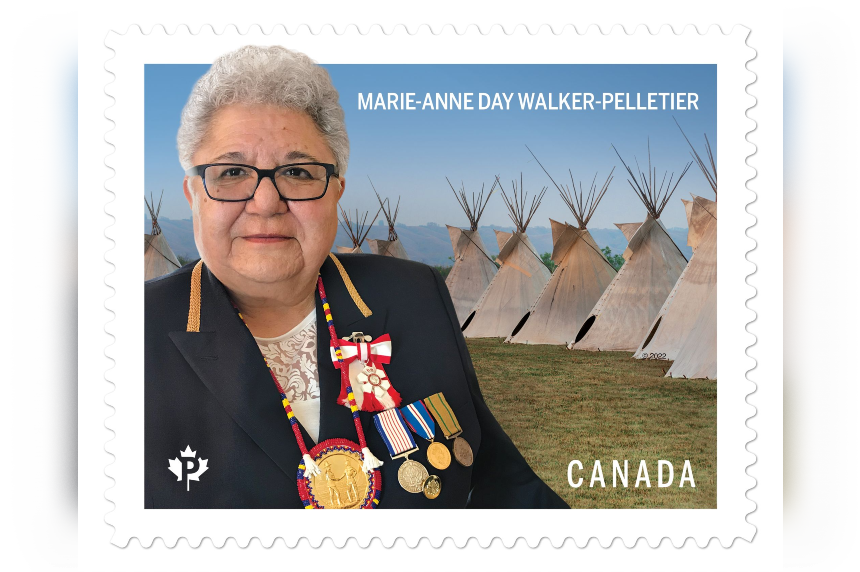
-
Article
Ovide Mercredi
Ovide William Mercredi, O.C., O.M., lawyer, Indigenous leader (born 30 January 1946 in Grand Rapids, MB). Ovide Mercredi is a lawyer and Cree leader. He worked for the recognition of Indigenous Rights.
"https://d3d0lqu00lnqvz.cloudfront.net/OvideMercredi/Ovide_Mercredi_web.jpg" // resources/views/front/categories/view.blade.php
https://d3d0lqu00lnqvz.cloudfront.net/OvideMercredi/Ovide_Mercredi_web.jpg
-
Article
Phil Fontaine
Larry Phillip (Phil) Fontaine, OC, OM, National Chief of AFN, activist, advisor on Indigenous relations (born 20 September 1944 in Sagkeeng First Nation on the Fort Alexander Reserve, MB). Phil Fontaine served as National Chief of the Assembly of First Nations (AFN) for an unprecedented three terms. Under his leadership the AFN negotiated both the Kelowna Accord and the Indian Residential Schools Settlement Agreement. Fontaine has received many honours and awards, including the National Aboriginal Achievement Award, the Order of Canada, and numerous honorary doctorates. In 2017, he launched Recognition2Action, a campaign to legally recognize Indigenous peoples as Founding Nations of Canada.
"https://d3d0lqu00lnqvz.cloudfront.net/media/media/60649c93-5cc7-46e5-8577-1d5cbb6f68ce.jpg" // resources/views/front/categories/view.blade.php
https://d3d0lqu00lnqvz.cloudfront.net/media/media/60649c93-5cc7-46e5-8577-1d5cbb6f68ce.jpg