Share on Facebook
 Share on X
 Share by Email
 Share on Google Classroom
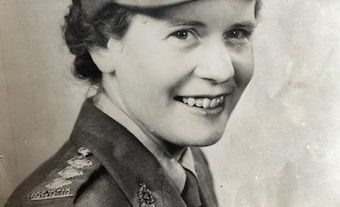
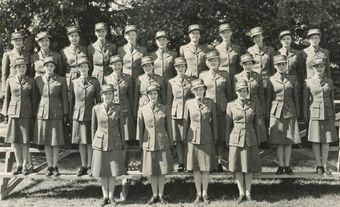
During the Second World War, female physicians joined the Canadian armed forces for the first time as commissioned officers. These trailblazers received the same pay and had the same ranks as men. Female physicians served as anesthetists, bacteriologist and radiologists in hospitals, both at home and overseas. (See also Women in the Canadian Armed Forces and History of the Canadian Armed Forces.)
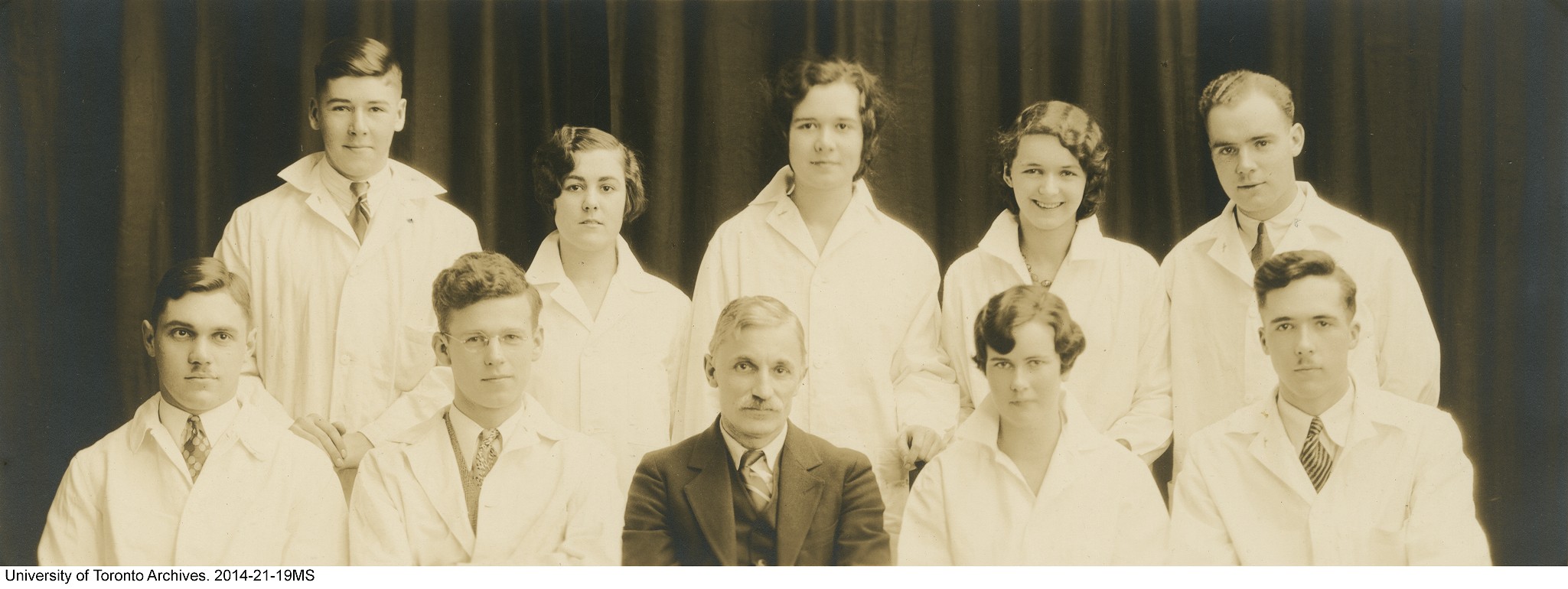
Women in Medicine
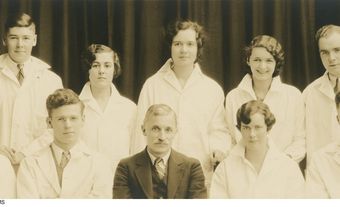
By the Second World War, women had been accepted into medical schools in Canada. At the University of Toronto, for example, women made up about 10 per cent of medical students in the 1930s. Most female medical students came from professional families or those in business. Some didn’t graduate, while others stopped practicing medicine when they married or became pregnant.
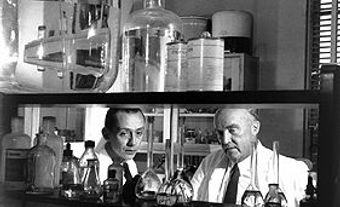
Yet others became well-established, whether in private practice or at institutions like the Women’s College Hospital. In the 1940s, several were admitted as fellows to the Royal College of Physicians and Surgeons of Canada, including Jessie Gray, Marjorie Davis, Jean Flatt Davey and Geraldine Maloney.
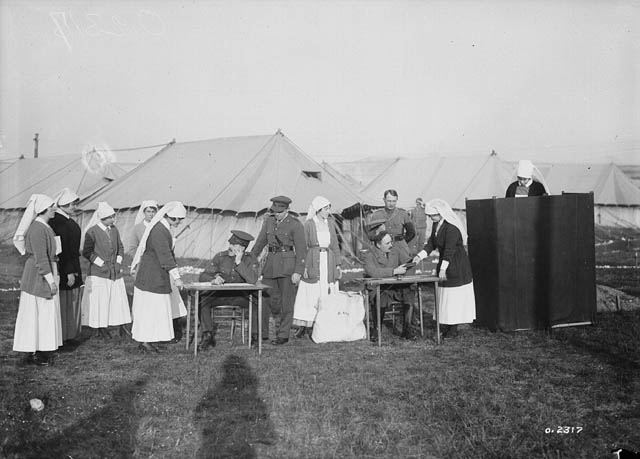
Women in the Armed Forces
Canadian women first answered the call to military service during the North-West Resistance in 1885, when 12 nurses served in military hospitals. Canadian nurses also served during the South African War, caring for sick and wounded in hospitals overseas. Military nurses were a vital part of the Canadian effort during the First World War. More than 3,100 nurses served in the Canadian Expeditionary Force; of that number, approximately 2,500 served overseas.
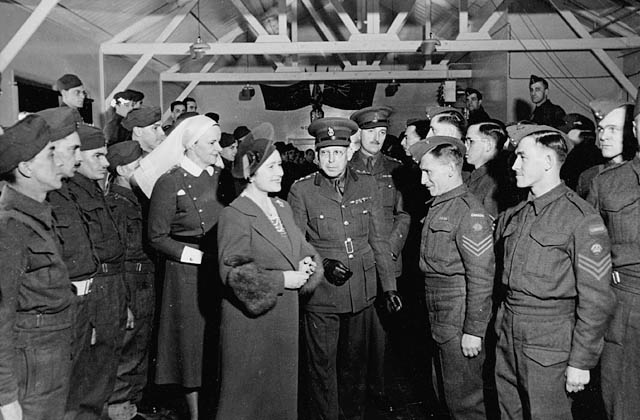
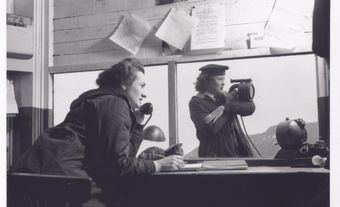
Military nurses played an important role in the Second World War as well, with 4,480 serving in the Royal Canadian Army Medical Corps and in the medical branches of the Royal Canadian Navy and Royal Canadian Air Force. Other military trades and roles were opened to women during the war for the first time. A total of 45,445 women served in the Canadian Women’s Army Corps (CWAC), the Royal Canadian Air Force (Women’s Division) and the Women’s Royal Canadian Naval Service (WRCNS). These women served in clerical and administrative trades as well as communications, intelligence, vehicle and aircraft maintenance, and air traffic control, among others.

Female Physicians in the Armed Forces
Shortly after the outbreak of the Second World War, the Canadian Medical Association began registering doctors to determine how best they could serve during the war. Doctors, both male and female, quickly responded to the questionnaires. As the war progressed, the demand for military doctors grew, both in Canada and overseas. The creation of the CWAC, RCAF Women’s Division and WRCNS also necessitated the development of woman-specific medical care in the armed forces.
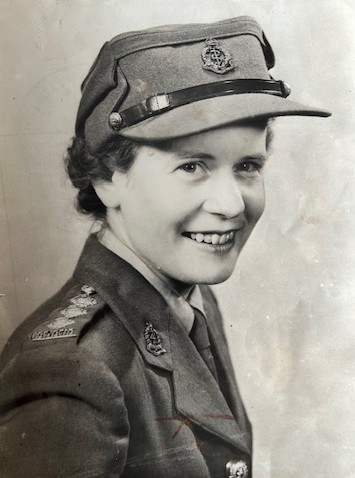
It wasn’t long before the armed forces began recruiting recruit female physicians. The first to be commissioned was Jean Flatt Davey, who was chosen to head the medical branch of the Canadian Women’s Auxiliary Air Force (later the RCAF Women’s Division) in August 1941. She was soon joined by about ten other women doctors in the air force.
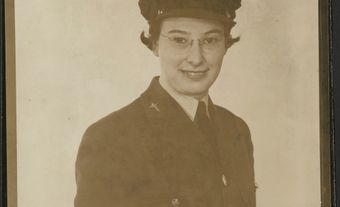
In June 1942, an order-in-council was passed permitting female physicians to join the Royal Canadian Army Medical Corps. “Women Doctors Join RCAMC With Same Rank, Pay as Men,” announced The Globe and Mail in July. The women would receive the same pay and have the same commissioned ranks as men, and would serve as anesthetists, bacteriologists and radiologists in hospitals. Physicians like Geraldine Maloney and Lillian A. Chase quickly volunteered. Maloney, for example, was immediately tasked with examining recruits for the CWAC. She was eventually promoted major and made responsible for all medical services for women in the CWAC.
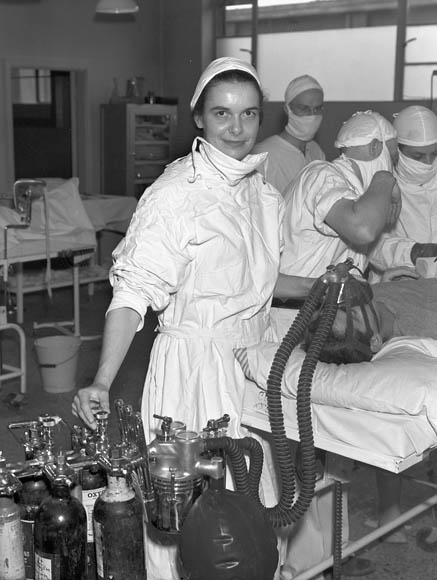
The admission of female doctors was considered newsworthy and The Globe and Mail continued to report on their progress in uniform. In 1944, female physicians in the RCAF Women’s Division were profiled in a photo spread. According to an article in January 1945, there were “58 women doctors in the services, seven in the navy, 40 in the army of whom six are overseas, and 11 in the air force.” Anesthetist Shirley Fleming, for example, served with No. 20 Canadian General Hospital in England while bacteriologist Marion Ross served with No. 15 Canadian General Hospital in England and in North Africa and Italy in support of the Italian Campaign.
Significance
At the time, the admission of female physicians into the armed forces was considered an important development in medicine. According to an article in The Globe and Mailin July 1942:Opening of the Army Medical Corps to women physicians is believed to mark the final step in complete recognition of women doctors on a basis of equality with men. Not many years ago women had to fight for admission to medical schools. The profession was then considered the exclusive preserve of men.
Since the Second World War, the situation has changed significantly. In 2022, for example, female students outnumbered male students in medical faculties across Canada, and women represented about 45 percent of all physicians. In the Canadian armed forces, women made up approximately 20 percent cent of officers in December 2024. Female members of the armed forces are also more likely to serve in medical roles than male members. (See Women in the Canadian Armed Forces and Canadian Women and War.)