Share on Facebook
 Share on X
 Share by Email
 Share on Google Classroom
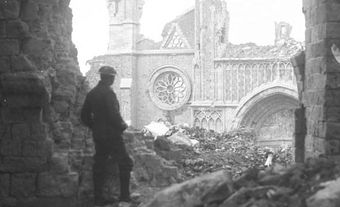
The North Shore (NB) Regiment (NS(NB)R) is a bilingual, primary reserve infantry regiment of the Canadian Army. It is part of the 5th Canadian Division, 37th Canadian Brigade Group. The regiment operates with four armouries with the regimental headquarters and armoury located in Bathurst, New Brunswick, and additional armouries located in Cambellton, Miramichi and Moncton. Regimental battle honours include Passchendaele, Ypres 1917 and Hill 70 (First World War); the Normandy Landing and the Battle of the Scheldt (Second World War).
Early History
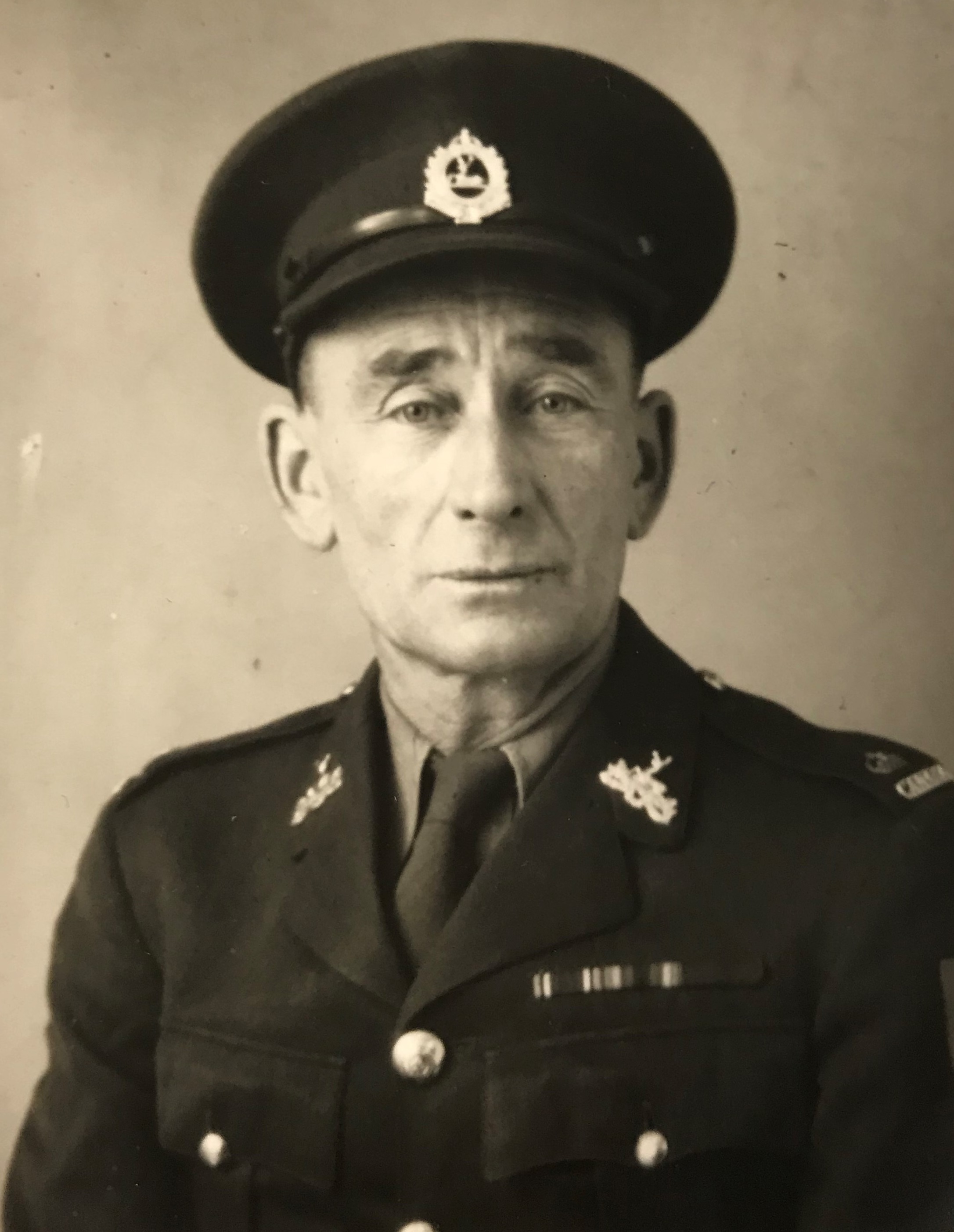
The North Shore (NB) Regiment evolved from the British occupation of the New Brunswick area beginning in the late 1700s. The population of the region grew significantly with the influx of British Loyalists fleeing New England following the American Revolution (1775–83). Colonial militias participated in military action during the War of 1812, the American Civil War (1861–65), and the Fenian Raids (1866–71).
73rd Northumberland
The predecessor of the regiment was the 73rd Northumberland New Brunswick Battalion of Infantry. It was created in Chatham, New Brunswick, on 25 February 1870 by absorbing the local militias. In 1900, the unit was renamed the 73rd Northumberland Regiment.
Members of the regiment volunteered in the South African War (Boer War) in 1899–1902. More than 560 New Brunswickers served in the war, out of a total of about 7,000 Canadians. It was Canada’s first overseas fighting force.
First World War
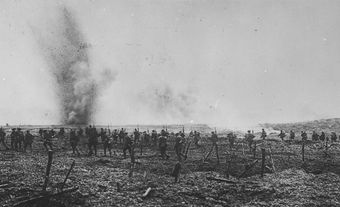
During the First World War, the 73rd Northumberland Regiment did not serve overseas and fight as a unit. Instead, individual members voluntarily transferred to other battalions in the Canadian Expeditionary Force (CEF). Efforts were made to create a North Shore battalion that would serve as a single fighting unit, and the resulting 132nd North Shore Battalion was established on 22 December 1915. On the same date, the 165th Battalion (Acadian) was established and recruited Acadian men throughout the maritime provinces.
According to historian Claude E. Léger in his book Le Premier Régiment North Shore, 1,060 men enlisted in the 132nd from the regions of Campbellton, Dalhousie, Bathurst, and Newcastle and sailed for Great Britain on 26 October 1916. Another 641 men enlisted with the 165th and sailed for Great Britain on 28 March 1917. Both units, however, were broken up in England. According to Léger, some of the men from 165th were transferred to the new Canadian Forestry Corps working in France. Those from the 132nd were dispersed to other units and 197 were killed in action in the battles of Arras, Hill 70, Passchendaele, Amiens, the Hindenburg Line and the Pursuit to Mons. Following the war, the regiment was renamed the Northumberland (New Brunswick) Regiment.
Did you know?
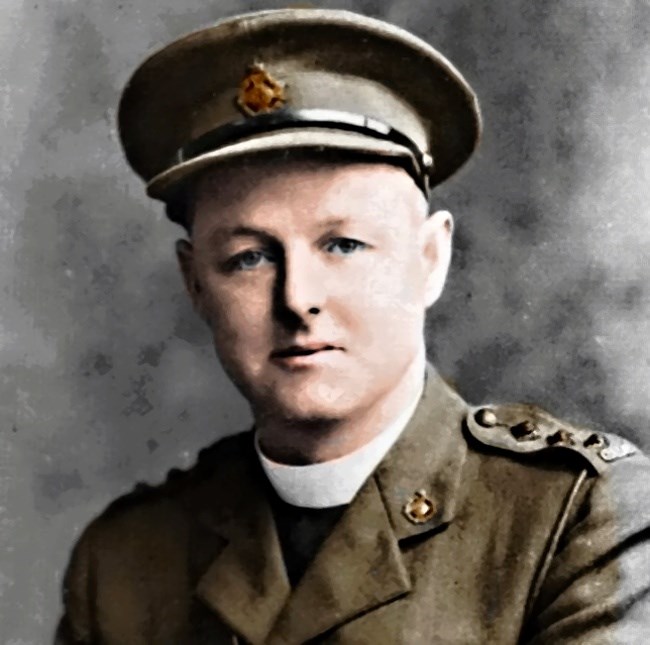
One of the North Shore heroes of the First World War was Herman James Good. Corporal Good received the Victoria Cross for his actions during the Battle of Amiens in August 1918, when he single-handedly captured three German machine gun positions. Later that day, he also captured an artillery battery of three 5.9-inch guns with three men from his section.
North Shore (New Brunswick) Regiment
On 1 April 1922, the First World War units were merged into a new North Shore (New Brunswick) Regiment (NS(NB)R). The name North Shore appears to have originated from the regiment’s location in the north of New Brunswick. Early lists of volunteers show that most of them lived in the counties of Restigouche, Gloucester, Northumberland and Kent, which border Baie des Chaleurs (Chaleur Bay) and the Gulf of St. Lawrence, and the Northumberland Strait.
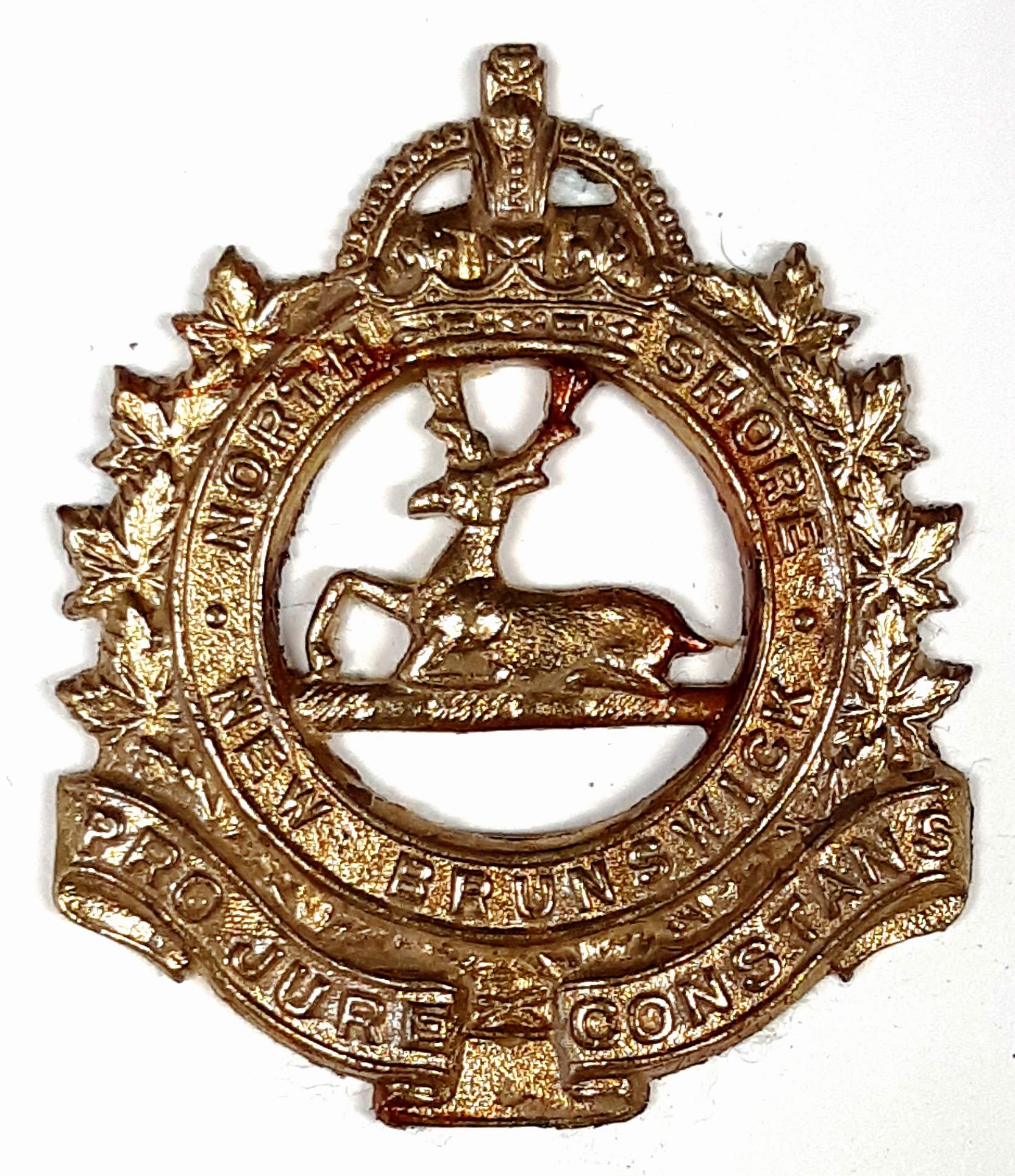
Four years later, the regimental cap badge was also created. It includes the name North Shore New Brunswick, the image of a stag to represent the regiment’s fighting spirit, and their motto “Pro Jure Constans” (Steadfast for the Right).
Second World War
When the Second World War broke out in September 1939, volunteers flocked to recruiting stations. Many were out of work thanks to the Great Depression. By June 1940, the NS(NB)R was at full strength with 948 troops and 24 officers and began training at Woodstock. This group was designated as the 1st Battalion and became part of the Canadian Active Service Force (CASF). About 35 per cent of the group were francophone, while 60 per cent were anglophone and about 5 per cent were Indigenous or Black. Indigenous volunteers were primarily from the Mi’kmaq and Maliseet First Nations. About half of the regiment was Roman Catholic.
At about the same time, the 2nd Battalion was created as a reserve force in the Non-Permanent Active Militia (NPAM) for home defense. Individuals could, however, transfer to the CASF to serve wherever required, including overseas. According to historian Will Bird, over the next two years, approximately 1,000 men transitioned out of the NPAM, most of them to the CAF.
On 5 December 1940, the NS(NB)R (1st Battalion) relocated to Sussex, New Brunswick. There they joined with the Queen's Own Rifles and Le Régiment de la Chaudière to form the 8th Canadian Infantry Brigade. These three regiments fought side by side through most of the war. The 8th Brigade, in turn, was part of the 3rd Canadian Infantry Division, which also included the 7th and 9th Infantry Brigades as well as the Cameron Highlanders of Ottawa and units of the Royal Canadian Artillery (RCA).
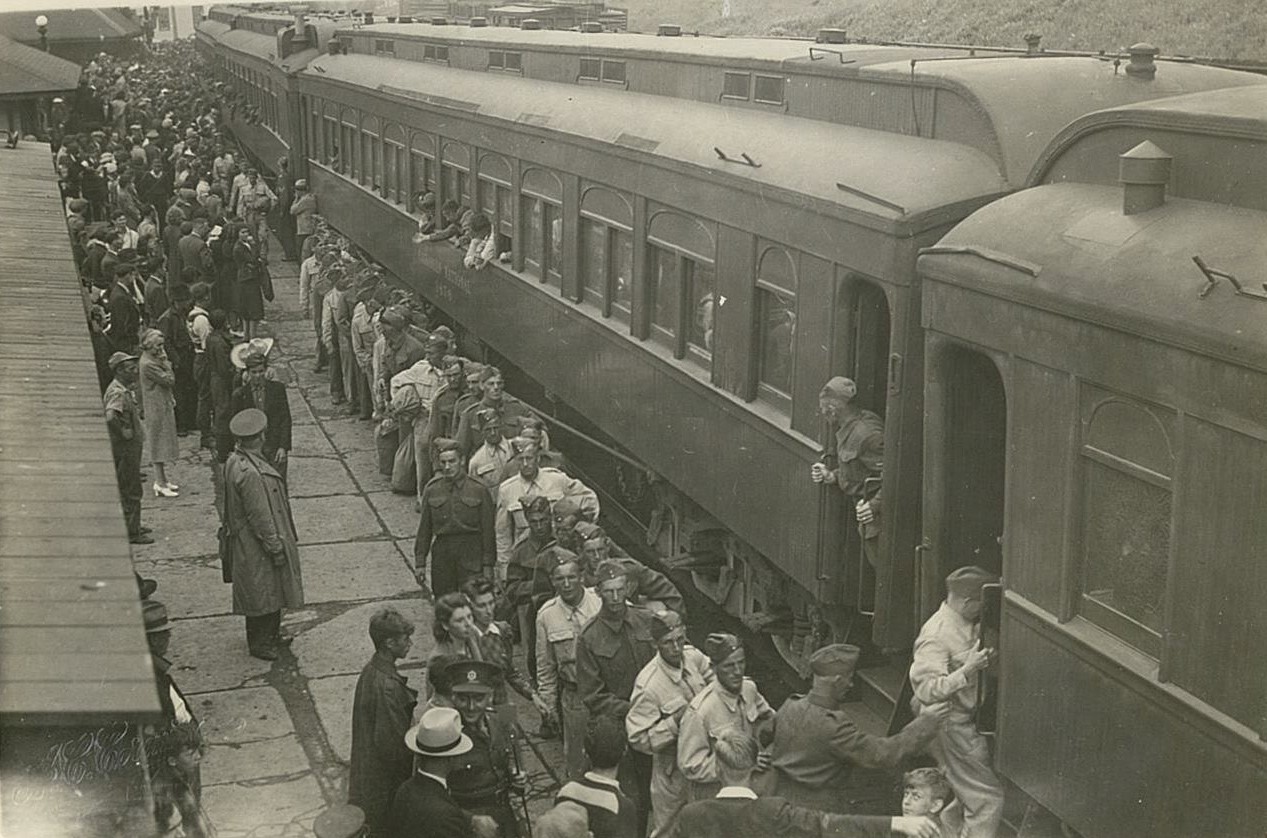
On 21 July 1941, the regiment sailed for Liverpool on the Duchess of York. According to William Bird, “The roads along the harbor [sic] of Halifax were lined with hundreds of cars and waving civilians. Flags were flapping in the breeze and car horns were honking. It seemed that all the world knew what was happening.”
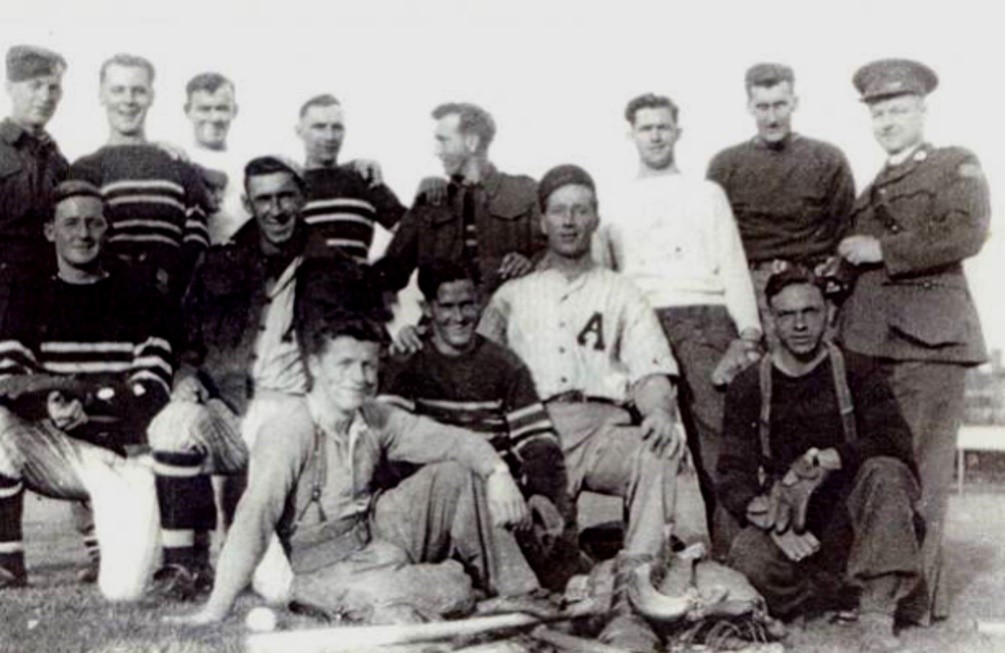
The regiment spent almost three years in intensive training in simulated battles and rehearsing beach landings throughout England and Scotland. When off duty, the NS(NB)R men played hockey and baseball, winning several Canadian Army championships. Their exceptional performance during military evaluations and competitions soon positioned them as one of the top regiments in the Canadian Army. This contributed to the decision to make the 3rd Canadian Infantry Division part of the first wave of the Normandy invasion.
Did you know?
While the regiment was in the United Kingdom, Corporal Aurele Joseph “Howie” Aubie, composed a song called The Old North Shore which became very popular in the pubs as well as the barracks. Howie Aubie was killed during the capture of Cairon, France on 11 June 1944. The Old North Shore however, lived on and grew in popularity. It became the regiment’s unofficial march and is played in most parades attended by the band.
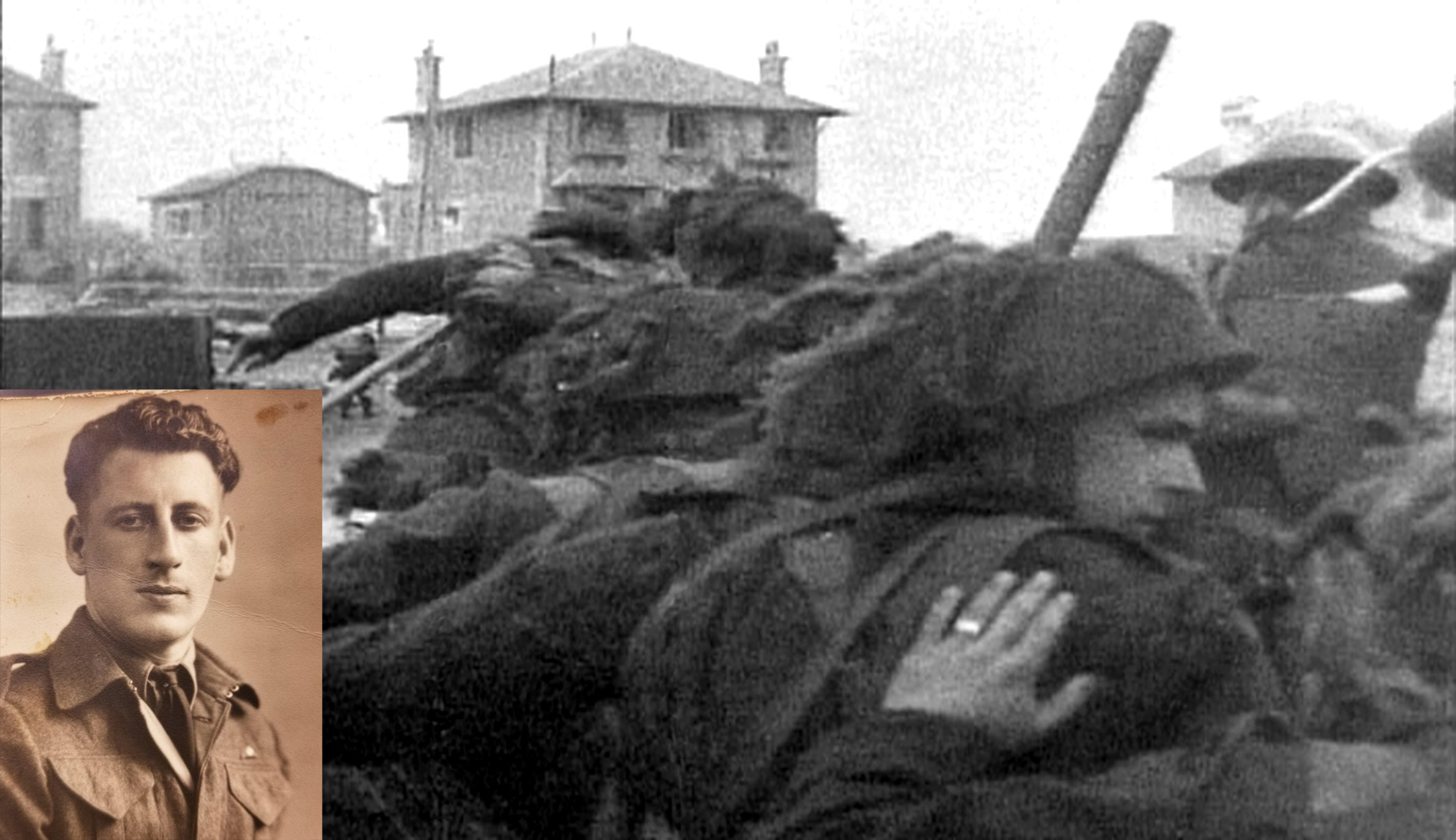
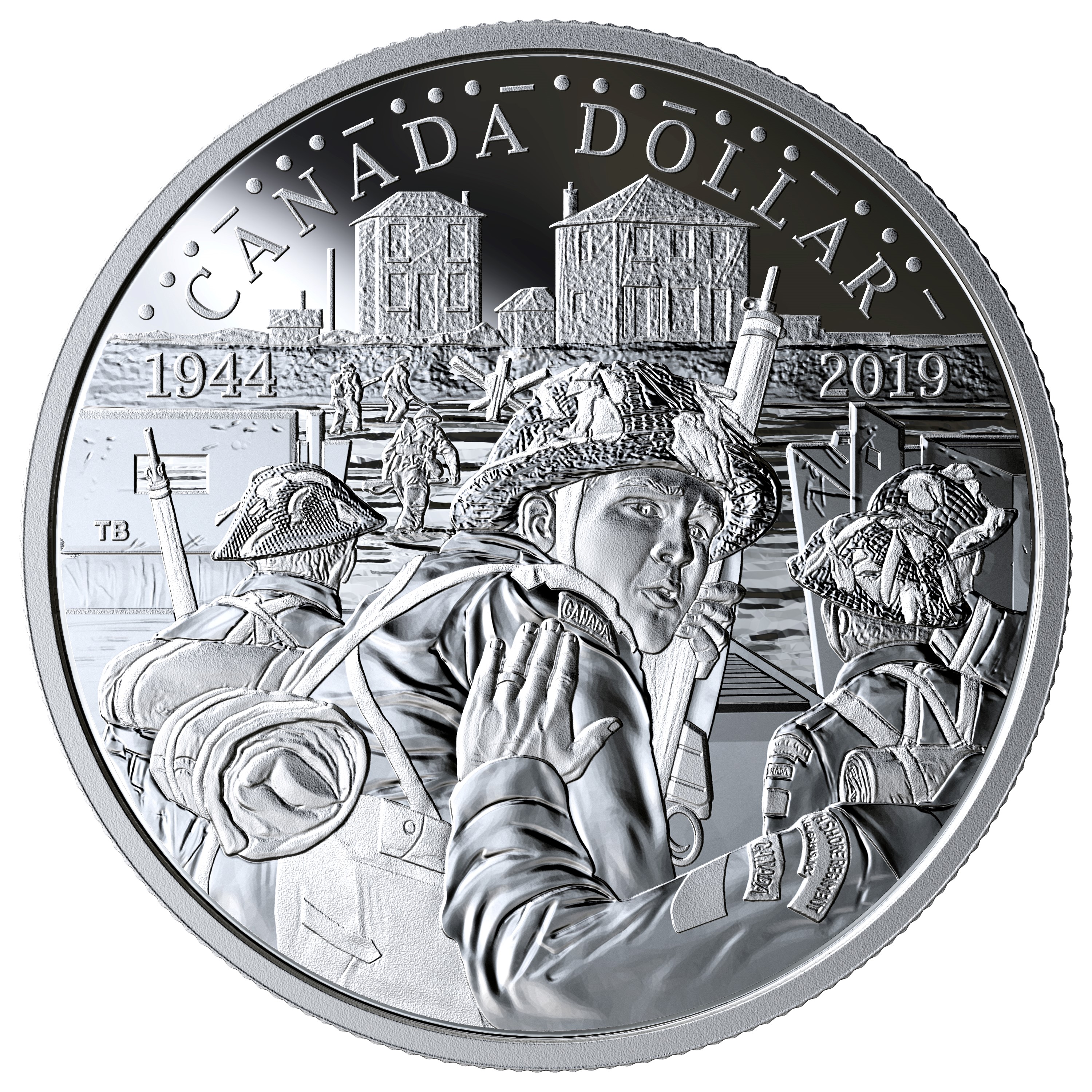
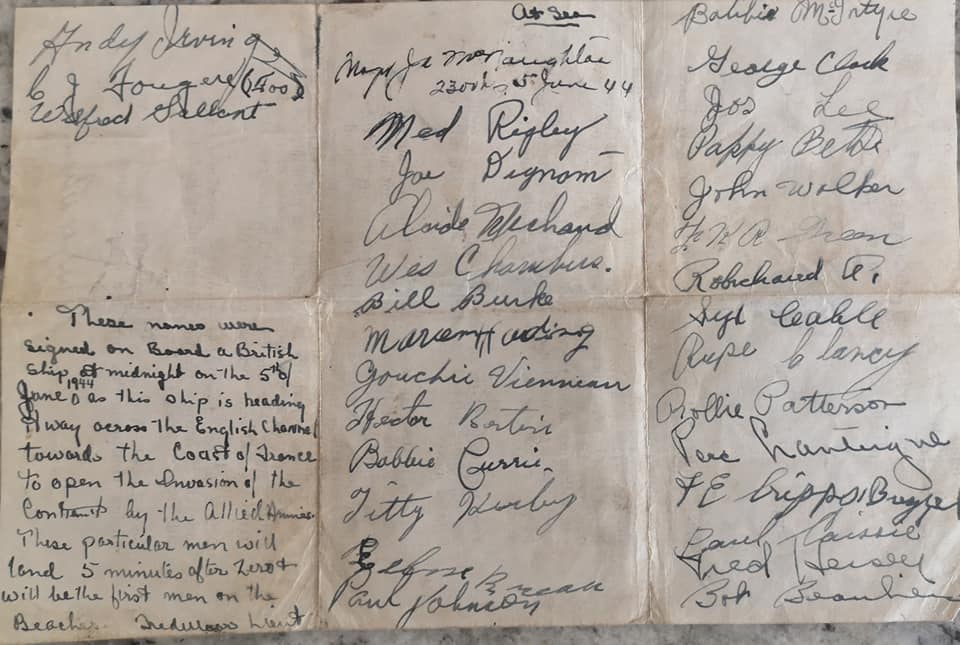
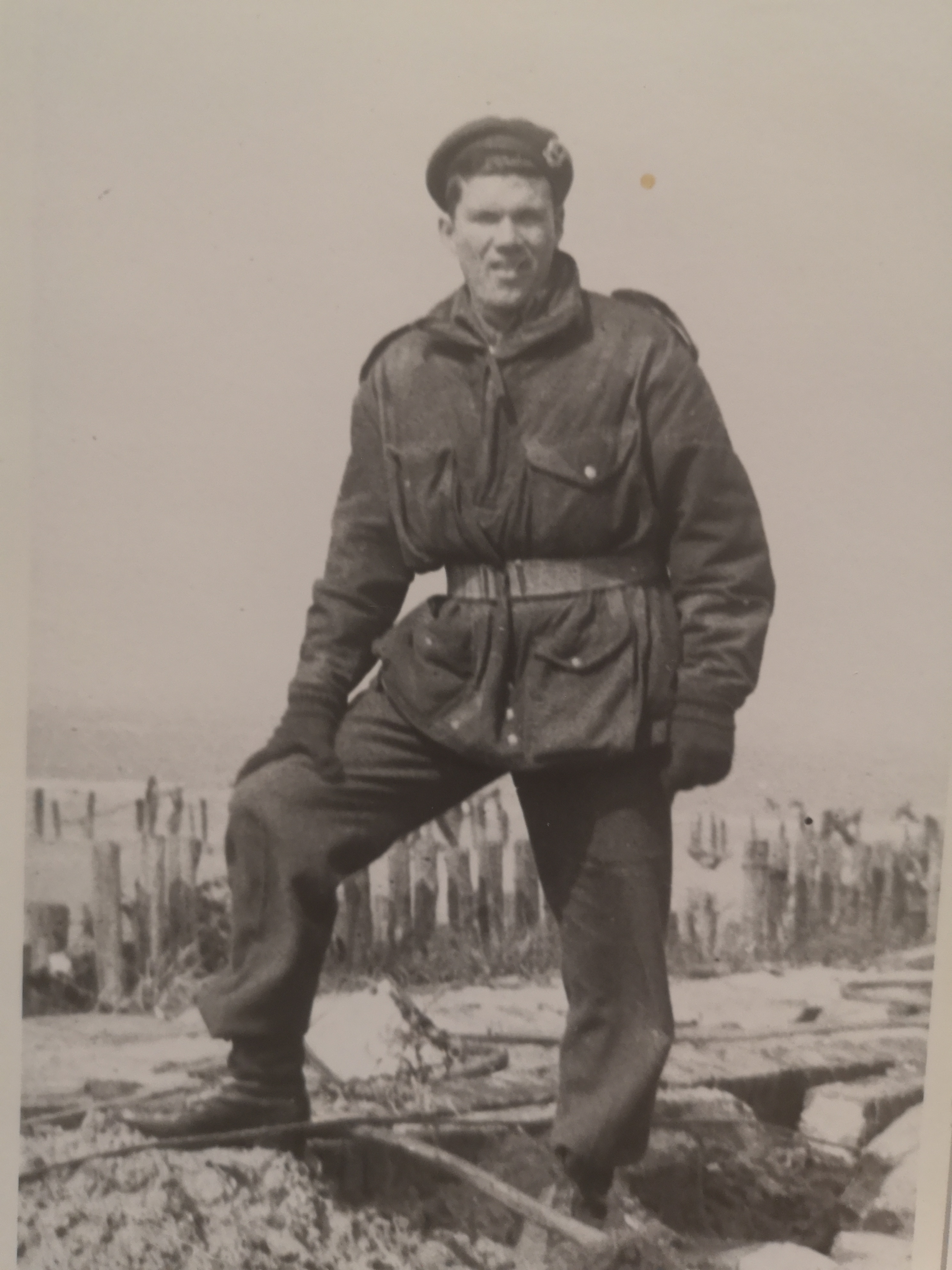
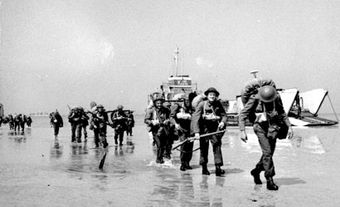
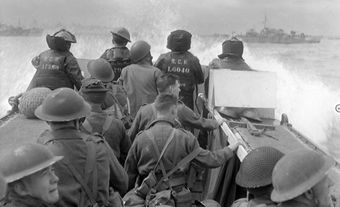
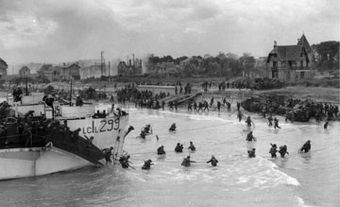
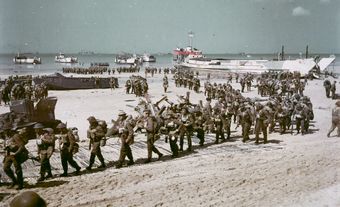
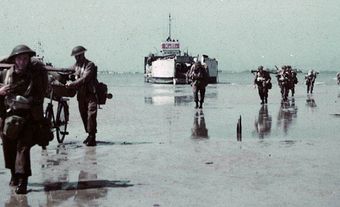
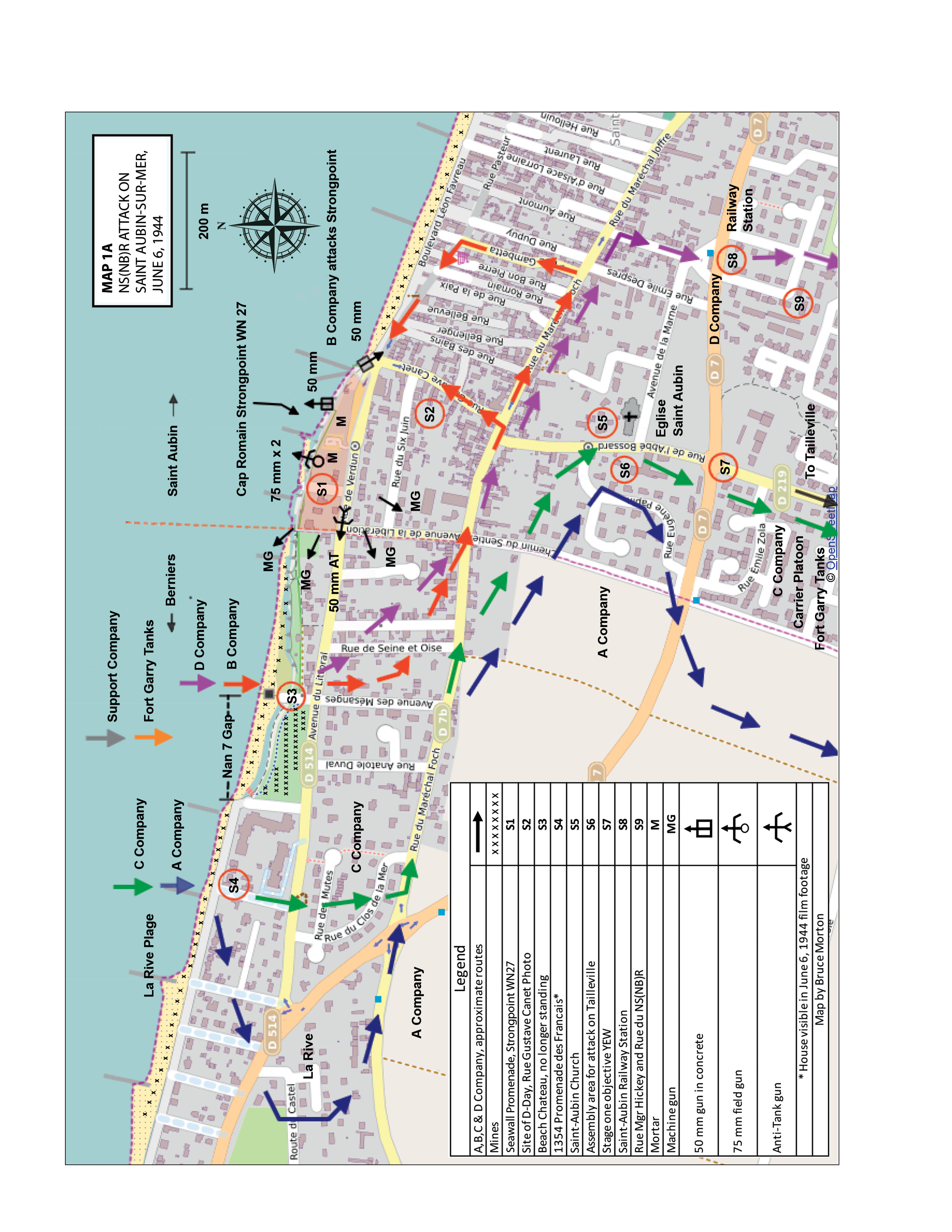
On D-Day (6 June 1944), the NS(NB)R landed on Juno Beach at about 8:00 a.m. under the command of Lt Col Donald B. Buell. They eliminated a German strongpoint (artillery position) defended with 50mm and 75mm guns and mortars and captured the village of Saint-Aubin-sur-Mer by 11:15 a.m. Then they pushed inland and by evening had captured Tailleville. The large number of bilingual men in the regiment was a significant asset during the invasion. They quickly earned the trust of the local French inhabitants and learned valuable information about German forces in the area.
Mid-June was spent fighting in the Mue River Valley, primarily at Cairon and Lasson. From 4 to 9 July, the NS(NB)R fought in the brutal battle of Carpiquet to capture its airfield and provide a launch site for the attack on the German command center at Caen. The attack was successful but the cost to the regiment was 68 killed and 204 wounded. The NS(NB)R also fought at Colombelles, Quesnay Wood, Sassy and Bernay.
In September, the NS(NB)R took part in the Canadian effort to destroy Hitler’s Atlantic Wall and capture the French ports along the English Channel. The ports were needed to accelerate the delivery of supplies to the rapidly advancing front line. The NS(NB)R assignments were the German defenses at Boulogne and Sangatte.
In October, the 3rd Canadian Division, which included the NS(NB)R, earned the nickname “The Water Rats” while fighting in the brutal month-long battle of the Scheldt in the Netherlands. The fighting resulted in 6,367 Canadian casualties. (See Canada and the Battle of the Scheldt.)
In February 1945, the Canadians invaded western Germany, fighting in the flooded Rhineland. (See Canada and the Rhineland Offensive.) On 26 February, the NS(NB)R captured the village of Keppeln at a cost of 28 killed and 56 wounded. In late March, the Canadians crossed the River Rhine into the heart of Germany. In April, the NS(NB)R and other Canadian units turned northwest and completed the liberation of the Netherlands. One of the regiment’s final challenges was capturing the town of Zutphen (6-8 April), during which 15 were killed and 11 wounded. The final days of the war were spent liberating Dutch villages such as Makkum on the Zuider Zee, and capturing German towns such as Leer. At Ostersander, on 4 May, they received orders “Fire only if attached by the enemy”.
The war in Europe ended on 7 May 1945, when Germany surrendered unconditionally to the Allies. Over the course of the war, approximately 2,050 men served overseas with the NS(NB)R, the majority from New Brunswick. Of this number, 371 were killed and 943 wounded. It was a significant contribution from one of Canada’s smallest provinces.
Did you know?
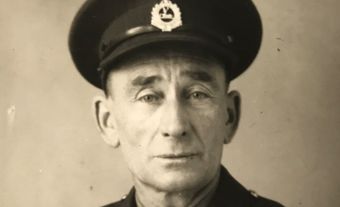
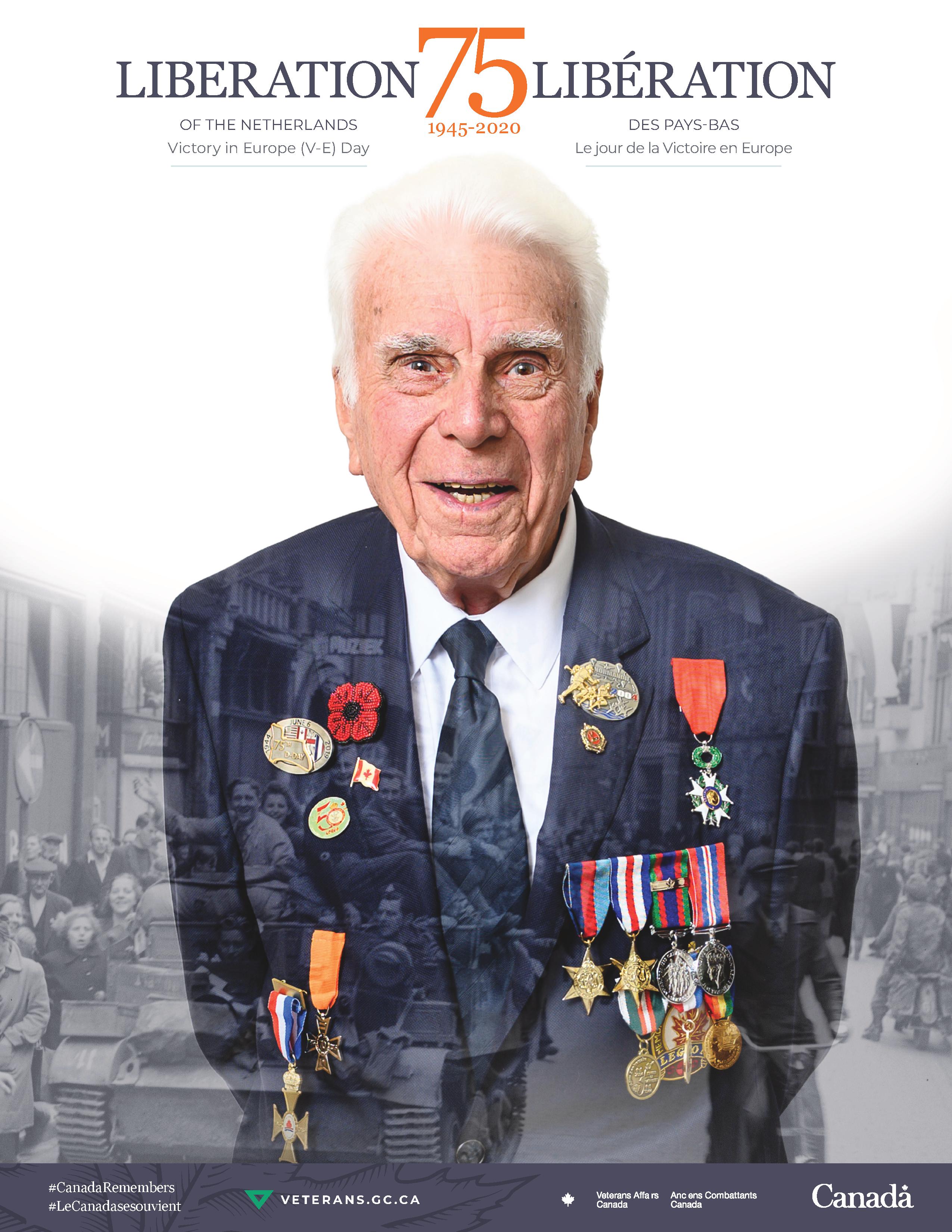
In 2020, Veterans Affairs unveiled a poster commemorating the 75th anniversary of the Liberation of the Netherlands and the Allied victory in Europe. The poster features veteran Norman Kirby, who served with the North Shore (New Brunswick) Regiment during the Second World War.
Challenges and Contributions Since 1945
On 15 January 1946, the overseas 1st Battalion NS(NB)R was disbanded. The 2nd Battalion, established in June 1940, had remained in New Brunswick as a reserve force. A 3rd Battalion was created on 1 June 1945 as part of the occupation force in Germany but was disbanded on 13 April 1946. During the spring of 1946, the 2nd Battalion was redesignated as the North Shore (New Brunswick) Regiment.
Since then, members of the regiment have been involved in peacekeeping efforts and missions with the United Nations and NATO, volunteering for service in Cyprus, Croatia, Rwanda, Bosnia-Herzegovina, and Afghanistan.
Loss and Restoration of Regimental Name
In 1954, the North Shore (NB) Regiment amalgamated with the 28th Field Battery, RCA, and was redesignated the 2nd Battalion, The New Brunswick Regiment (North Shore). Two other New Brunswick regiments, the Carleton and York Regiment and the New Brunswick Scottish, were amalgamated and formed the 1st Battalion, The New Brunswick Regiment (Carleton and York). In 1956, the regiment was redesignated “2nd Battalion, The Royal New Brunswick Regiment (North Shore).”
The changes, however, were never accepted by NS(NB)R veterans or their families or by many New Brunswick residents, who felt that the regiment had earned its place in history during the Second World War. A campaign was initiated to restore the regiment’s name, eventually gaining the support of Peter MacKay, then minister of national defence. The regiment’s original name was officially reinstated during the D-Day parade and ceremony in June 2012.
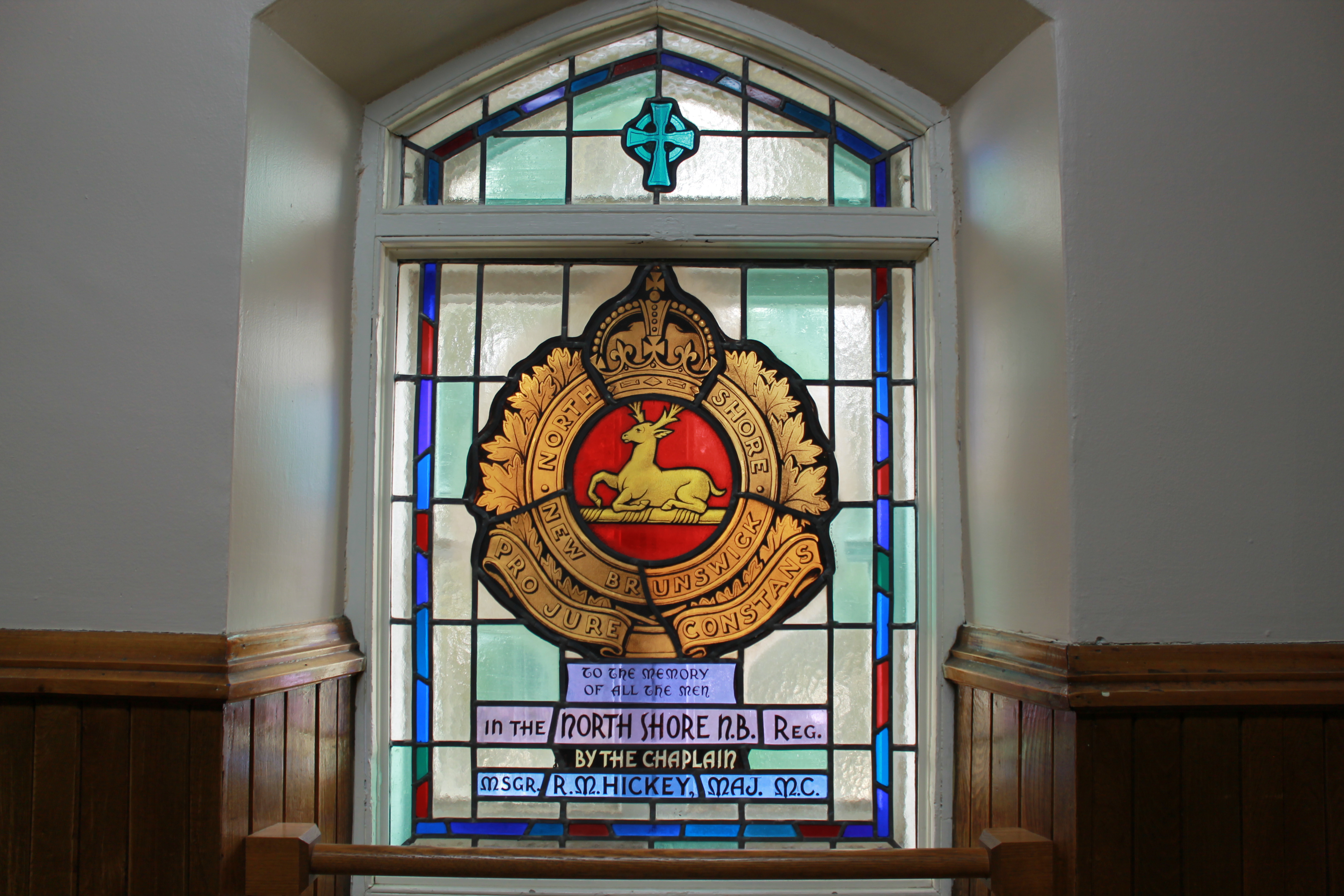
New Brunswick Remembers
In 2019, several events were organized to recognize the 75th Anniversary of D-Day, including a trip to Europe with over 150 students, regiment staff, and veterans’ family members. The trip was repeated in 2024 with 300 participants for the 80th Anniversary of D-Day.
In 2024, a grade 12 history course on the history of the NS(NB)R, developed by teacher Brandon Savage, was offered in five New Brunswick schools. A year later, the French equivalent was offered at École Secondaire Népisiguit in Bathurst, by teacher Samuel Jean, then a sergeant with the NS(NB)R. The courses used the texts Once Hundred Years and Cent Ans by Bruce Morton.
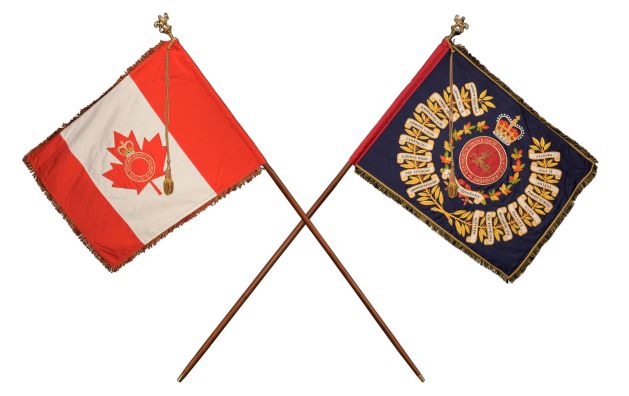
Regimental Colours
The Regimental Colours refer to two flags, the Regimental Colour (regimental flag) and Queen’s Colour (Queen’s flag). They are frequently displayed together and are symbols of pride, honour and devotion to the regiment. To complete the reinstatement of the regiment’s name, a ceremony was held in May 2019 to receive colours. The Regimental Colour displays an image similar to the famous regimental badge with a stag and the regimental motto. This badge was worn by all ranks in the Second World War. The Regimental Colour also includes the battle honours.
Battle Honours
- Defence of Canada 1812–15
- Niagara
- Arras 1917,1918
- Ypres 1917
- Hindenburg Line
- Hill 70
- Amiens
- Pursuit to Mons
- Normandy Landing
- Caen
- Carpiquet
- Bourguébus Ridge
- Faubourg de Vaucelles
- Falaise
- Quesnay Wood
- The Laison
- Boulogne 1944
- Calais
- The Scheldt
- Breskens Pocket
- The Rhineland
- Waal Flats
- The Hochwald
- The Rhine
- Emmerich-Hoch Elten
- Zutphen
- North-West Europe 1944-1945