Share on Facebook
 Share on X
 Share by Email
 Share on Google Classroom
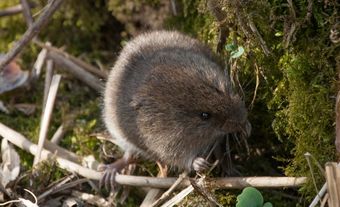
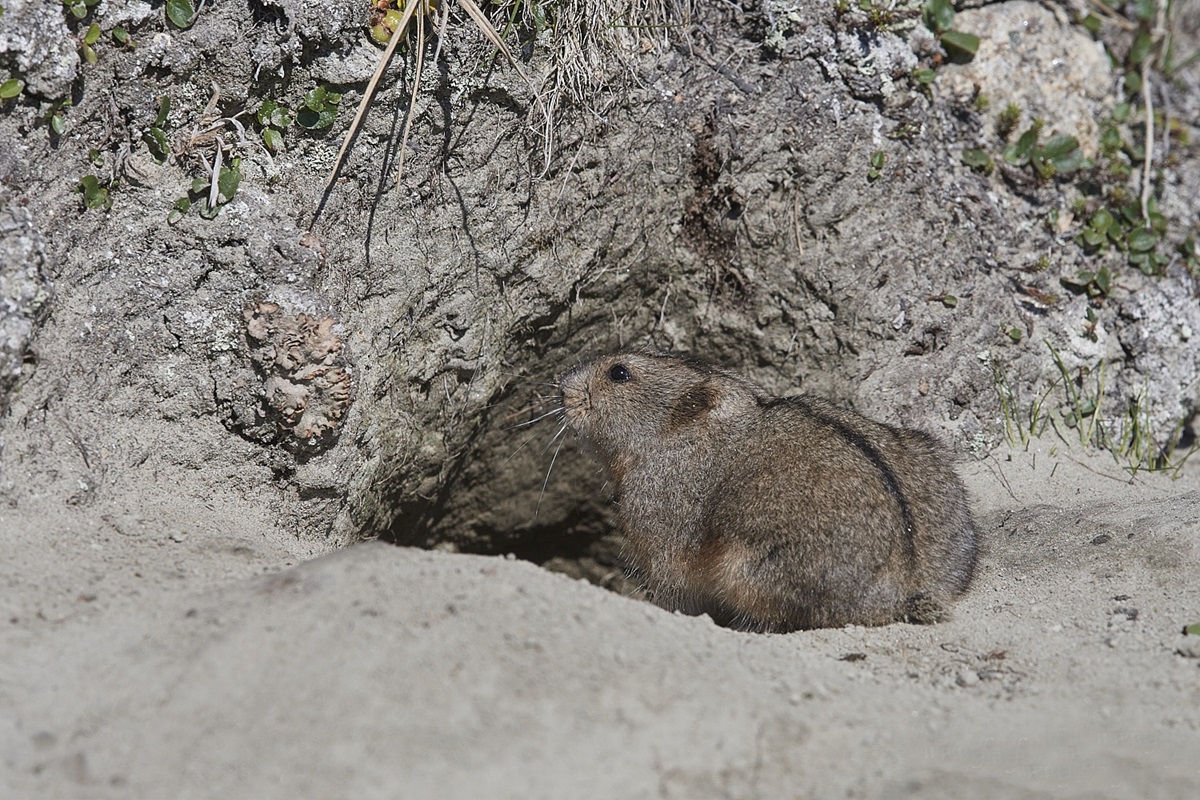
Lemmings are stocky northern rodents related to voles. About 16 species occur worldwide, six of which can be found in Canada: the northern bog lemming (Mictomys borealis), the southern bog lemming (Synaptomys cooperi), the Nearctic brown lemming (also known as the Canadian lemming, Lemmus trimucronatus), the northern collared lemming (Dicrostonyx groenlandicus), the Richardson's collared lemming (Dicrostonyx richardsoni) and the Ungava collared lemming (Dicrostonyx hudsonius). Both the Richardson's and the Ungava collared lemming are endemic to Canada (see Animals Only Found in Canada). Most Canadian lemmings are found in the tundra of the Arctic Archipelago, the Hudson Bay area, Labrador and the Ungava Peninsula.
Description
Lemmings rarely exceed 90 g and 15 cm in length. Their extremities are hidden by, or barely extend beyond, their long brown or grey fur. Collared lemmings are the only rodents that moult to a camouflaging white for winter.
Diet
Lemmings eat willows and herbaceous plants. They are intermittently active day and night, and during winter, forage beneath insulating snow.
Reproduction and Development
Lemmings breed rapidly and every 3–5 years reach peak densities of 60–125 per hectare. Subsequent population declines involve breeding cessation and massive die-offs, but are not caused by predators, disease, starvation, or stress from overcrowding.
Lemming populations are self-regulating: genetically determined behaviours (aggressiveness and tendency to disperse) change with population density and influence the cycle. Although some Canadian lemmings emigrate from crowded areas and some accidentally drown, they do not make spectacular suicide marches to the sea, as related in folklore.
Biological Importance
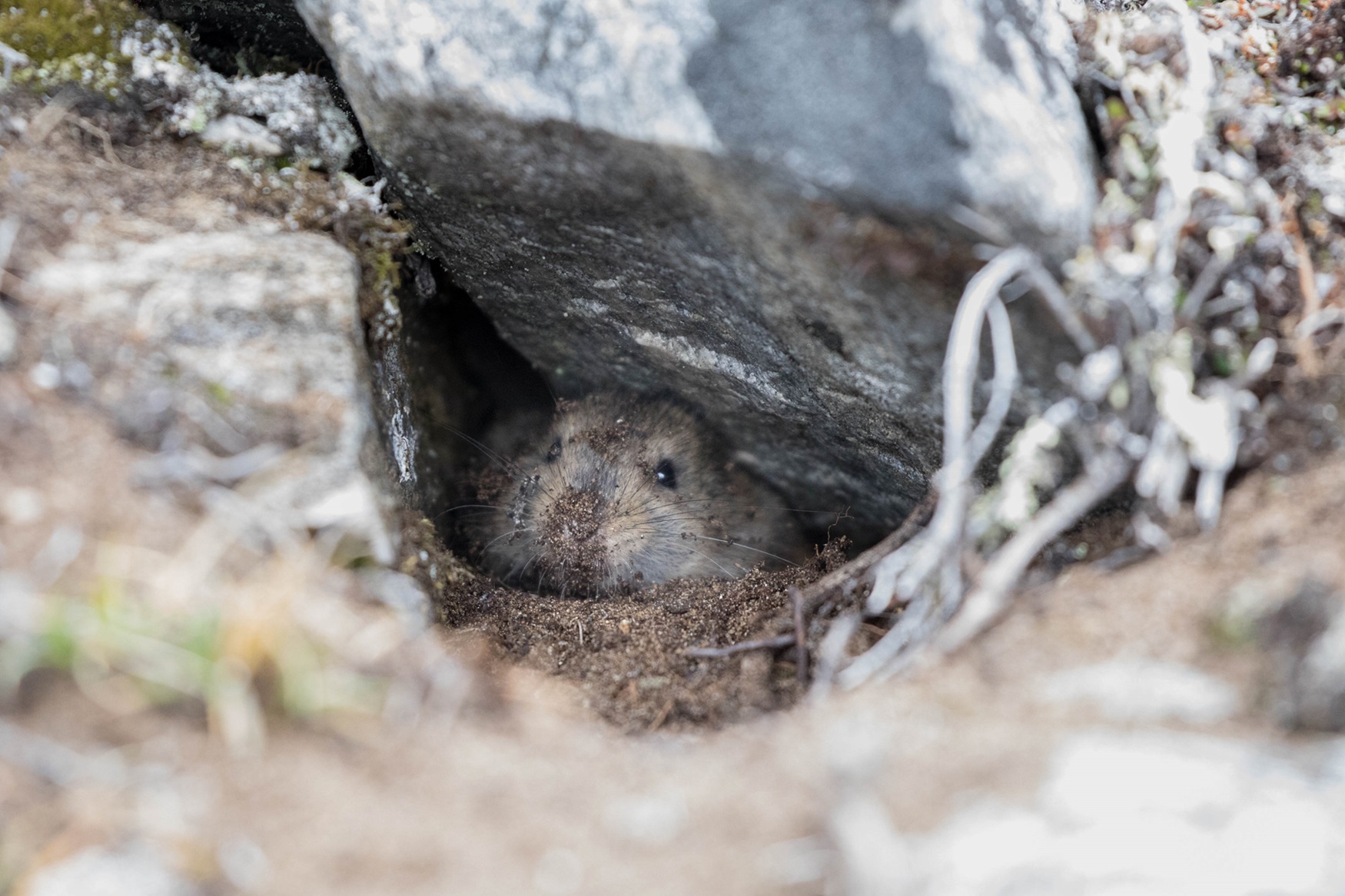
Lemmings are the main food for arctic carnivores, including valuable fur-bearing arctic foxes and weasels, as well as many birds of prey.