Share on Facebook
 Share on X
 Share by Email
 Share on Google Classroom
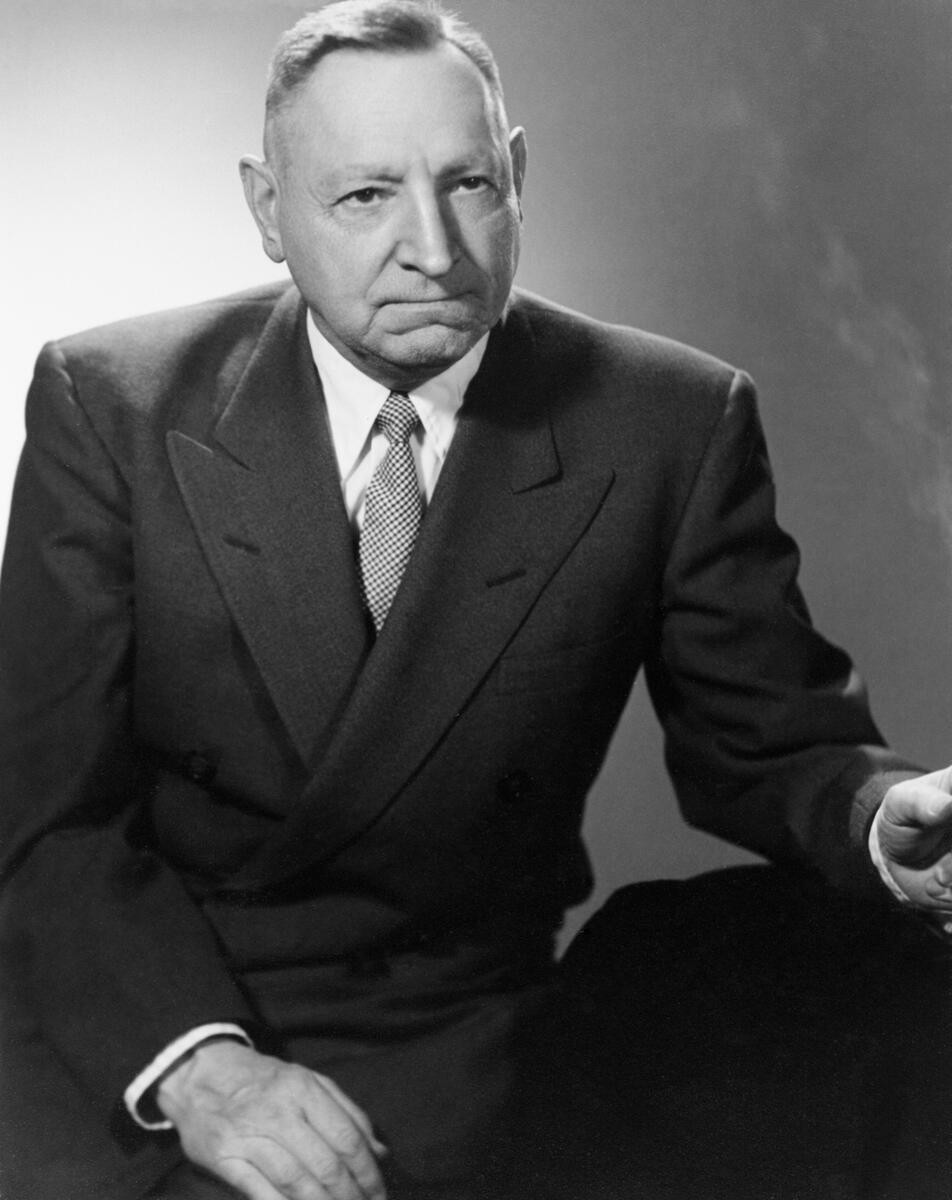
Jacob Bell (J.B.) Barron, lawyer, theatre impresario and owner, real estate developer (born 1 January 1888 in Winnipeg, MB; died 27 September 1965 in Calgary, AB). J.B. Barron was one of the earliest Jewish lawyers to be admitted to the bar in Calgary. He was also a key figure in the arts and cultural evolution of the city as the owner of theatres and theatre impresario. He is credited by sources as the developer of one of Calgary’s earliest and largest mixed-use, high-rise towers, which was built in response to the discovery of oil in 1947 near Leduc, Alberta. (See also Striking Oil in Leduc: the Beginning of Alberta’s Oil Boom.)
Early Life and Education
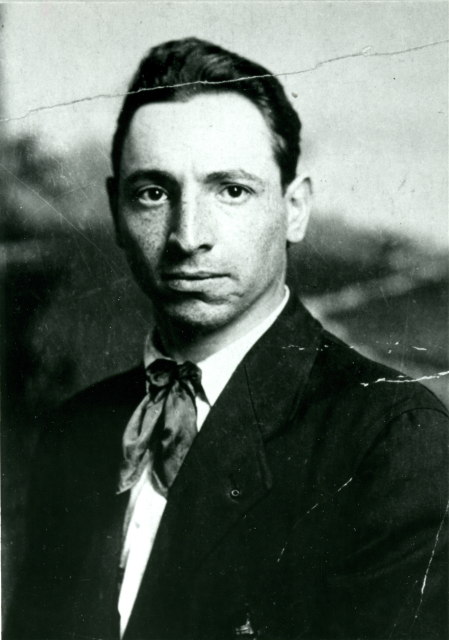
J.B. Barron was the eldest son of Joseph Samuel Barron and Elizabeth Barron (née Belapolsky), who had both immigrated to Canada separately from Kyiv, Ukraine. J.B. Barron’s younger brother, Abraham (Abe), was born in 1889 in Winnipeg. In 1898, Joseph left his family behind in Winnipeg to follow the Klondike Gold Rush in Dawson City, Yukon, where he became a merchant. In 1902, Elizabeth and the two sons joined their father in Dawson City and it is there that J.B. and Abe Barron became the first graduates of Dawson City High School. In 1905, the sons, accompanied by their mother, moved to Chicago, Illinois, where they took up the study of law at the University of Chicago. In 1911, J.B Barron moved to Calgary on the urging of his uncle, Charles Bell, who had recently built the King George Hotel in the young booming city. The following year he became one of the earliest known Jewish lawyers in the city to be admitted to the bar. Abe passed the bar in 1919, and the two brothers set up the law firm, Barron and Barron.
Career as Theatre Impresario and Owner
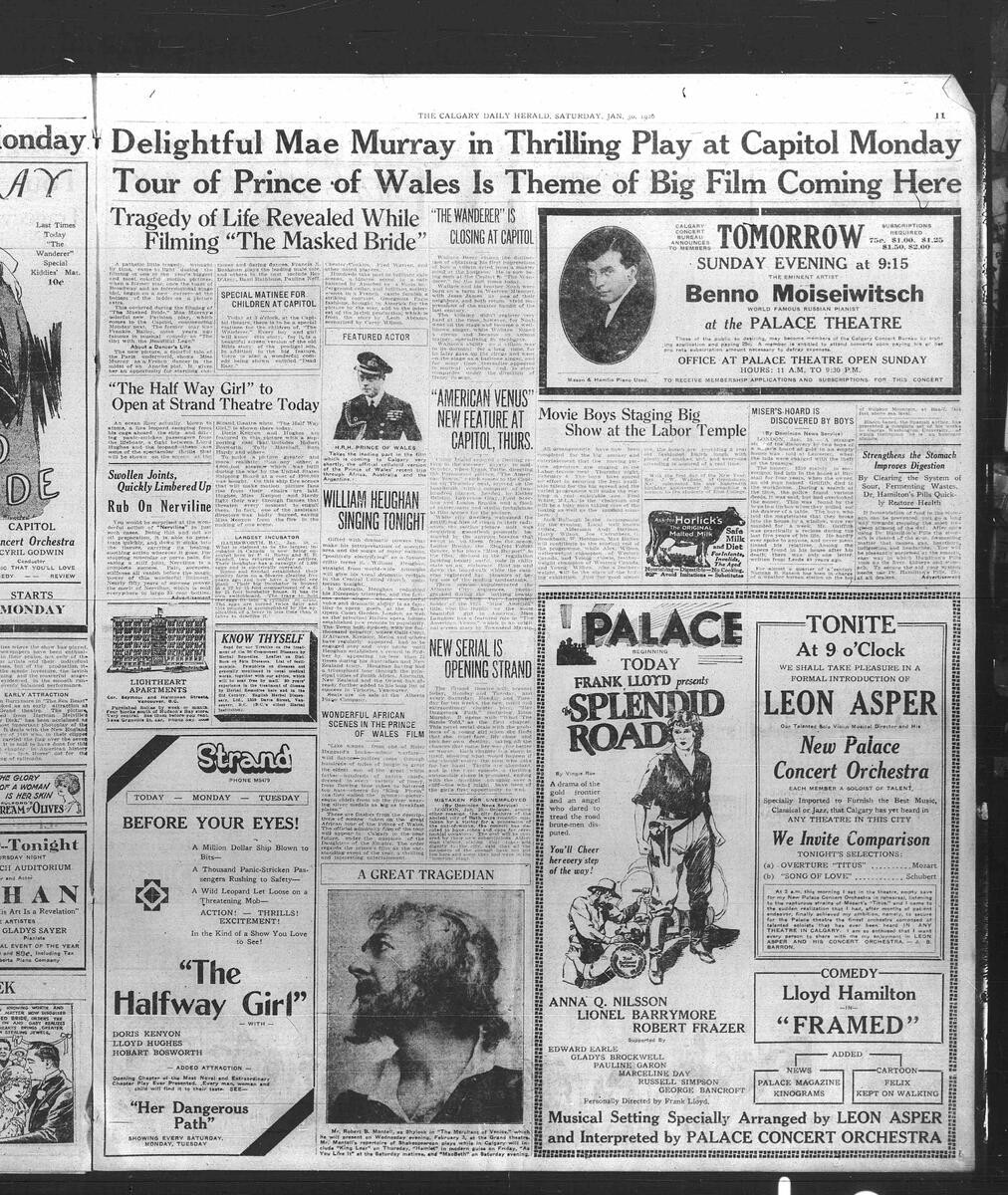
In 1923, while acting as solicitor for Calgary-based Allen brothers, who had built a national movie theatre chain, J.B. Barron acquired his first movie theatre, the Allen’s Palace Theatre. As theatre impresario, he started to bring to Calgary some of the greatest musical luminaries of the time: violinist, Jascha Heifetz, in 1924; pianist, Sergei Rachmaninoff, in 1925; pianist, Benno Moiseiwitsch, and the London String Quartet in 1926. Barron hired recent immigrants, Leon Asper, as conductor and his wife, Cecilia (née Zwet), as pianist for the Palace Concert Orchestra who performed their debut concert to Calgary audiences on 30 January 1926. Barron convinced violinist and conductor, Gregori Garbovitsky, who had initially settled in Winnipeg, to move to Calgary in 1927 where he became the conductor of the Palace Theatre Orchestra and the founding conductor of the third revival of the Calgary Symphony Orchestra. In 1928, Barron lost control of the Palace Theatre and returned to the practice of law full-time with his brother, Abe Barron.
By 1937, J.B. Barron was able to buy another theatre, the Sherman Grand, located in the Lougheed Building, that had been built in 1912 by Senator Sir James Alexander Lougheed, grandfather of the future Premier of Alberta, Peter Lougheed. As theatre impresario, Barron again brought to Calgary some of the greatest musical acts of the day: bandmaster, Giuseppe Creatore, in 1937; San Carlo Opera in 1938, 1944 and 1945; contralto singer, Marian Anderson; and, tenor singer, Lauritz Melchior, in 1940; pianist, Artur Rubinstein, in 1942 and 1944; violinist, Yehudi Menuhin, in 1943; bass-baritone singer, Paul Robeson, in 1946; and Chinese light operas in 1947. He hired violinist Jascha Galperin, who became the concertmaster for the Calgary Symphony Orchestra and who went on to organize the Mount Royal Junior Symphony made up of performers under the age of eighteen who gave a concert in 1942.
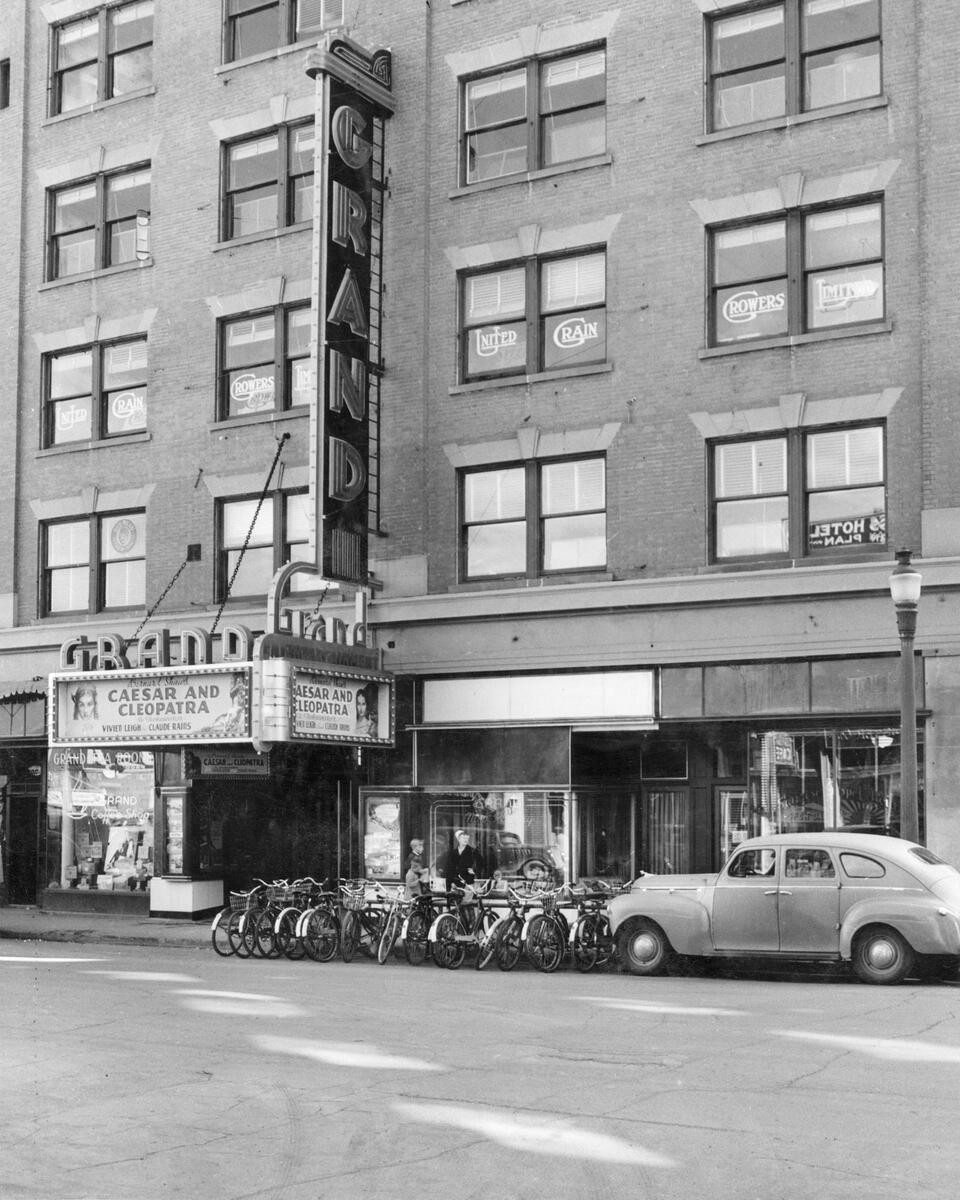
The Winnipeg Ballet (later the Royal Winnipeg Ballet) performed at the Grand Theatre in 1952, 1953 and 1954, as did the National Ballet of Canada in 1952 and 1954.
Barron owned other theatres in Calgary, including the Odeon and the 17th Avenue Drive-In.
Career as Real Estate Developer
On 13 February 1947 oil was struck in Leduc, Alberta, south of Edmonton. ( See also Striking Oil in Leduc: the Beginning of Alberta’s Oil Boom.) J.B. Barron noticed that Calgary had little office space on account of the province’s prolonged economic depression. Virtually no office space had been built since prior to the First World War.
In 1949, after securing a mortgage of $850,000 from Great-West Life Assurance Company and reportedly personally financing the remaining funds for the $1.25 million project, Barron began construction of what would become one of the city’s largest mixed-use developments.
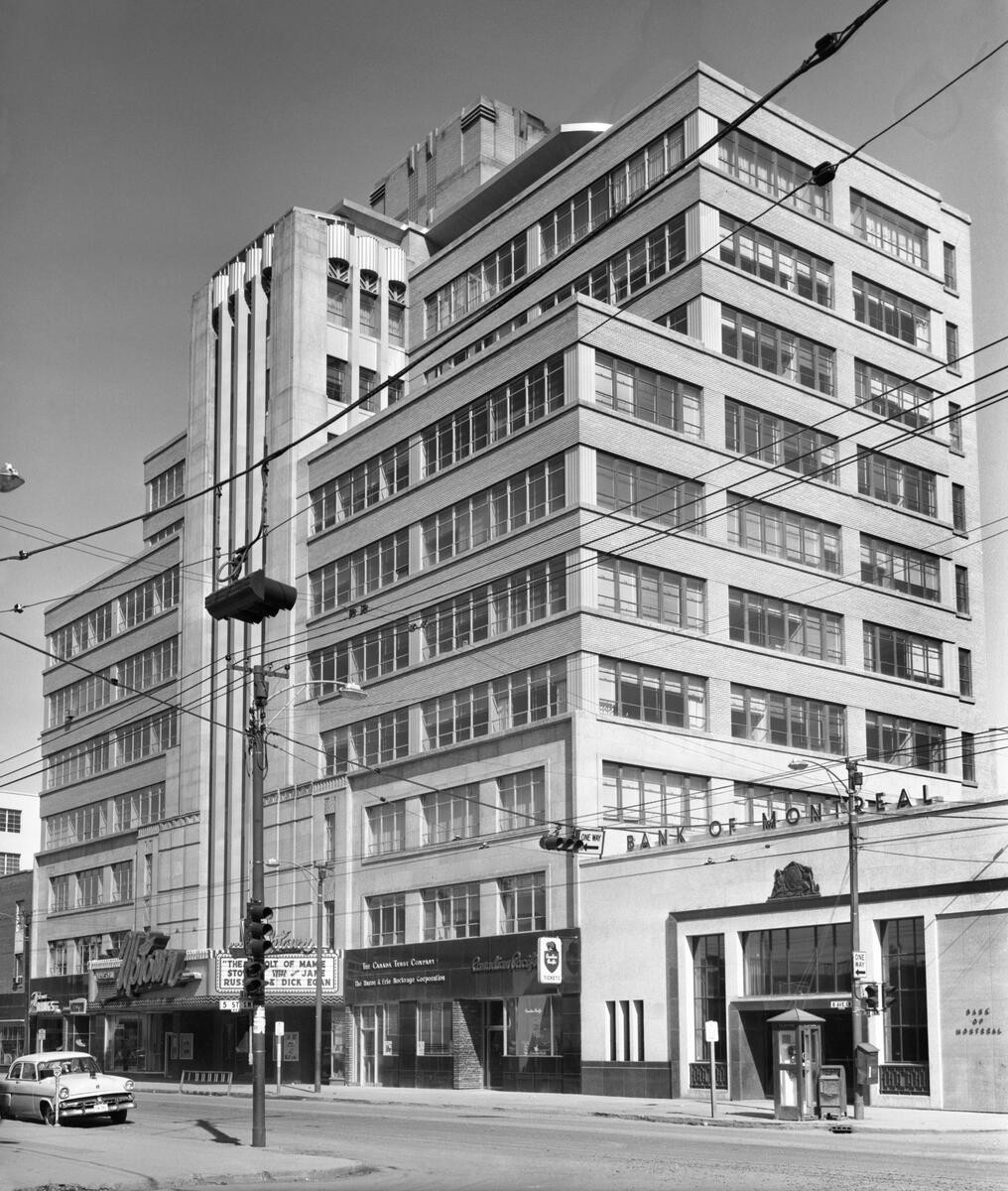
Completed in May 1951, the Barron Building project contained the Uptown Theatre, stores at street level, ten floors for office space and an eleventh floor designed to include office space and a penthouse opening on to a rooftop garden for Barron himself. The Uptown Theatre contained what was described as the “Rolls Royce of movie equipment,” and it showed British and Hollywood productions. The building’s office space attracted Shell Oil co. of Canada, Sun Oil Co, Socony Vacuum Oil Co, Halliburton Oil Well Cementing Co Ltd and other oil companies and prominent businesses. The Barron Building helped secure the oil and gas industry in Calgary, as opposed to Edmonton despite the Leduc oil fields being located closer to the provincial capital. The building inspired the term ‘the oil patch’ for the office towers that were subsequently built around it in the western portion of the city’s downtown. The building also inadvertently helped save from demolition many of the city’s earliest buildings, the collection of which would become Stephen Avenue Walk, a National Historic Site of Canada.
Did you know?
In 2003, Alberta Association of Architects named the Barron Building one of the most significant structures in Alberta. It is considered the best example of Art Moderne/Streamlined Moderne architecture in Calgary. (See also Architectural History: 1914-1967.)
Community Building
Since the passing of Senator Lougheed in 1925, the Lougheed family that had once been at the apex of the city’s political and economic hierarchy, was on the verge of bankruptcy by the 1930s. J.B. Barron proposed a plan to help the Lougheeds by providing them with much-needed cash whereby he would purchase the Sherman Grand Theatre, which was held within the Lougheed Estate. The transaction would break a lease with a manager who was mismanaging the theatre building as well as not utilizing it to its full cultural potential and paying virtually no income to the family from the asset. After purchasing the theatre in 1937, Barron employed twenty-five workers in an economically depressed city who renovated and upgraded the theatre.
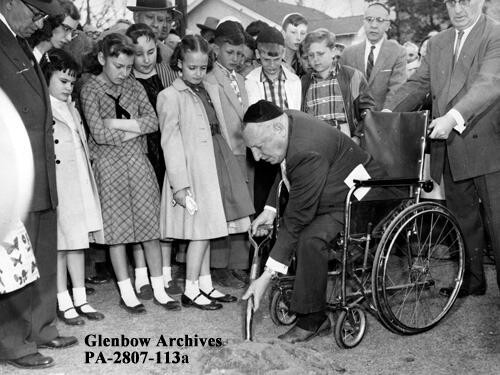
In addition to contributing to the city’s economy and arts and culture sector, Barron was recognized for his involvement in Calgary’s Jewish community. For example, in 1914 J.B. and Abe Barron published Calgary’s first Jewish newspaper, The Canadian Western Jewish Times, which survived only one issue. J.B. Barron’s numerous contributions were acknowledged when he was the honouree for the Jewish National Fund Negev Dinner in 1956. He was also given the honour of breaking ground at the sod-turning ceremony for the construction of the city’s newest synagogue, the Shaarey Tzedec, on 12 April 1959.
Personal Life
In 1914, J.B. Barron married Amelia Helman (1888-1959), a native of Winnipeg, Manitoba and the daughter of John Helman from Odesa, Ukraine, and Esther Helman (née Finkelstein) from Shumsk, Ukraine. Amelia was a teacher and a concert pianist. The couple had three sons: William Joseph Calvin Barron (1915-91), Robert Herbert Lester Barron (1916-2008) and Richard Henry Gerald Barron (1921-2016).
Legacy
J.B. Barron made profound contributions to the arts and cultural development of Calgary as theatre impresario by attracting some of the greatest musical and creative talents of the day. His role in building one of the earliest and largest, mixed-use developments that served to anchor the oil and gas industry in Calgary, subsequently pulling the city out of an economic depression that spanned thirty-five years. Barron is equally recognized as being a community leader and a major donor who supported the growth of the city’s Jewish community.