Share on Facebook
 Share on X
 Share by Email
 Share on Google Classroom
Eulipotyphla is an order of mammals, previously known as Insectivora, containing four living families: shrews (Soricidae), moles (Talpidae), hedgehogs (Erinaceidae) and solenodons (Solenodontidae). One extinct family of West Indian shrews, Nesophontidae, would have also been in this order. There are approximately 500 living species, widely distributed in Africa, Eurasia, North America and northern South America. The about 25 species found in Canada belong to the Talpidae and Soricidae.
Description
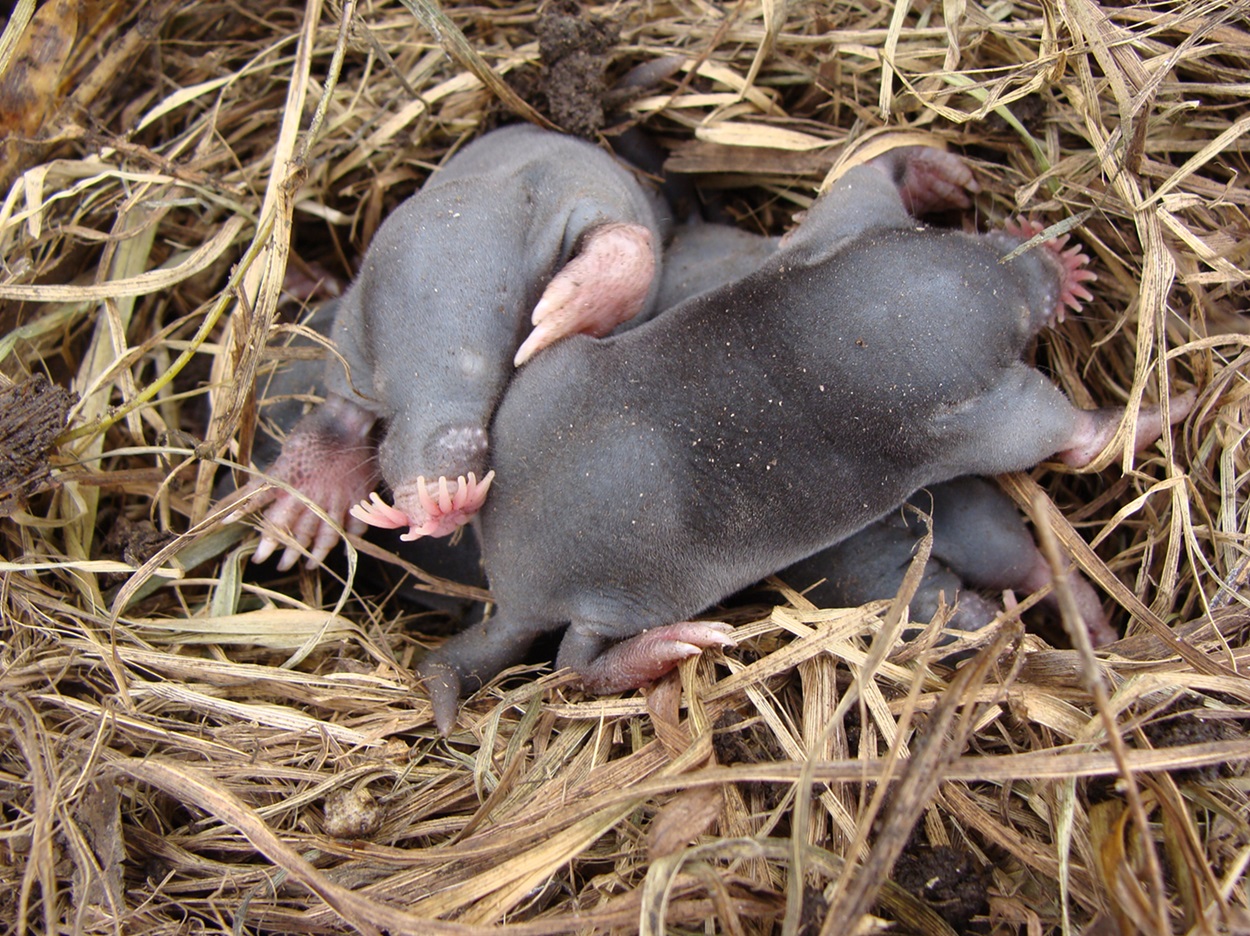
Generally, eulipotyphlans are small, ranging in size from 2 g (Etruscan shrew, Suncus etruscus, the world's smallest mammal) to about 1.5 kg (moon rat, Echinosorex gymnurus). Eulipotyphlans demonstrate some more generalist characteristics, although some (e.g., moles) show adaptations to highly specialized ways of life. They are plantigrade (e.g., walk on the sole and heel) and have five clawed toes on each foot.
The nose tends to be pointed and tubular; eyes and ears are generally small. The tail may be long or greatly reduced. The skull is primitive in form, with a low brain case and a small cranial cavity containing a brain with smooth cerebral hemispheres. The teeth are adapted for crushing or cutting. Although eulipotyphlans primarily eat insects, some species are omnivorous.

Evolution
Many, perhaps all, other orders of placental mammals evolved from the early eulipotyphlans. The order has been traced back to the Cretaceous (144.2–65 million years ago) in Asia and North America. Ancestors of shrews can be traced back to the Oligocene (34–23.7 million years ago) in Europe and North America; those of the males to the late Eocene (about 40 million years ago) in Europe (see Geological History in Canada).