Share on Facebook
 Share on X
 Share by Email
 Share on Google Classroom
Ferry Command was Lord Beaverbrook's attempt at delivering aircrafts to Britain and other European theatres of war during the Second World War. More than 9,000 aircrafts manufactured in Canada and the United States safely arrived in Europe and provided support during the war.
Background
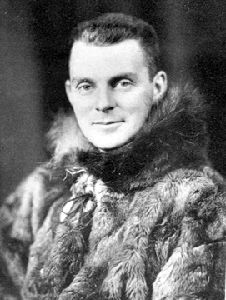
Ferry Command was established early in the Second World War to improve aircraft deliveries to Britain from United States factories, since surface shipping was too slow and the ships themselves were needed for other cargoes. Against the British Air Ministry's advice, Lord Beaverbrook, the Canadian-born minister of aircraft production, asked Sir Edward Beatty of the Canadian Pacific Railway to assemble an organization to fly new multiengine aircraft across the Atlantic.
Success of Ferry Command
A handful of experienced transatlantic flyers from British Overseas Airways Corporation worked with servicemen and civilians of virtually every Allied nation from headquarters in Montreal. At the time, transatlantic flight was in its infancy, yet knowledgeable observers, believing such a scheme to be impossible, were proved wrong.
The CP Air Services Department (established in July 1940) and its successors, the Royal Canadian Air Force Ferry Command and No. 45 Group of RAF Transport Command, eventually delivered more than 9,000 warplanes, losing only about 100. They thus paved the way for mass postwar transatlantic air travel.