Share on Facebook
 Share on X
 Share by Email
 Share on Google Classroom
Alice Stuart Massey, née Parkin, philanthropist and patron (born 1 July 1879 in Fredericton, NB; died 29 July 1950 in Canton, Port Hope, ON). Alice Massey was the daughter of educator Sir George Robert Parkin and wife of Vincent Massey, future governor general of Canada. Alice Massey was well known for her philanthropic work and her support of Canadians serving overseas during the Second World War. She and her husband were important patrons of Canadian arts and education.
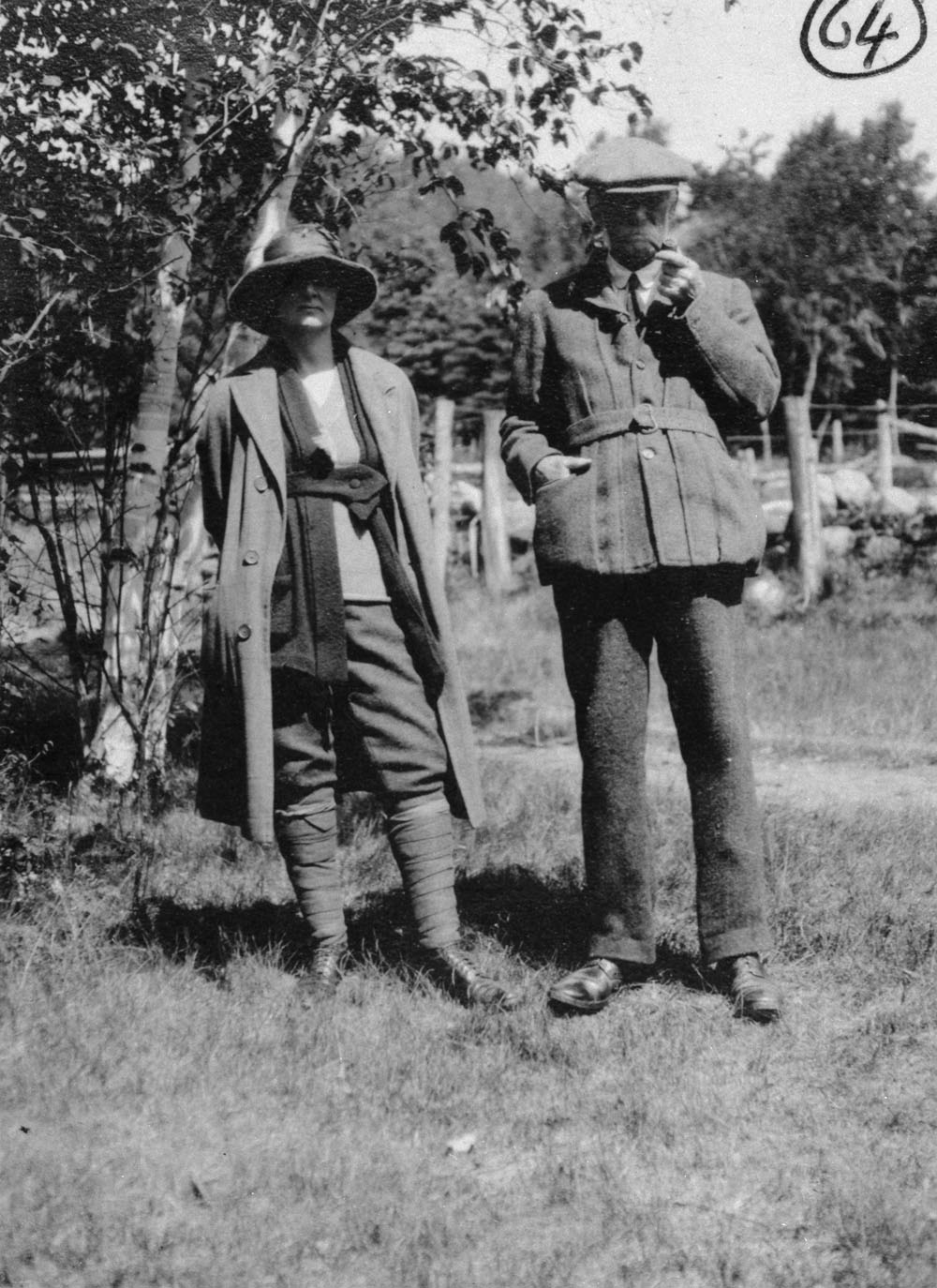
Early Life and Background
Alice Parkin was born in Fredericton, New Brunswick, to Sir George Robert Parkin and Annie Connell Parkin (née Fisher). At the time, her father was headmaster of the Fredericton Collegiate School. The family moved to England in 1889 but returned to Canada in 1895 when George Robert Parkin became principal of Upper Canada College. In 1902, he became the first organizing secretary of the Rhodes scholarship program, and the family settled in Oxford, England.
Alice didn’t have a rigorous academic education. She attended a school in Switzerland for a year or two, then Bishop Strachan School in Toronto (though she didn’t graduate). She could speak some German and French and was involved in the arts; later, she became an accomplished cook. As Claude Bissell, Vincent Massey’s biographer, noted, “[t]he Parkin drive and self-assurance triumphed over her erratic and restricted education.”
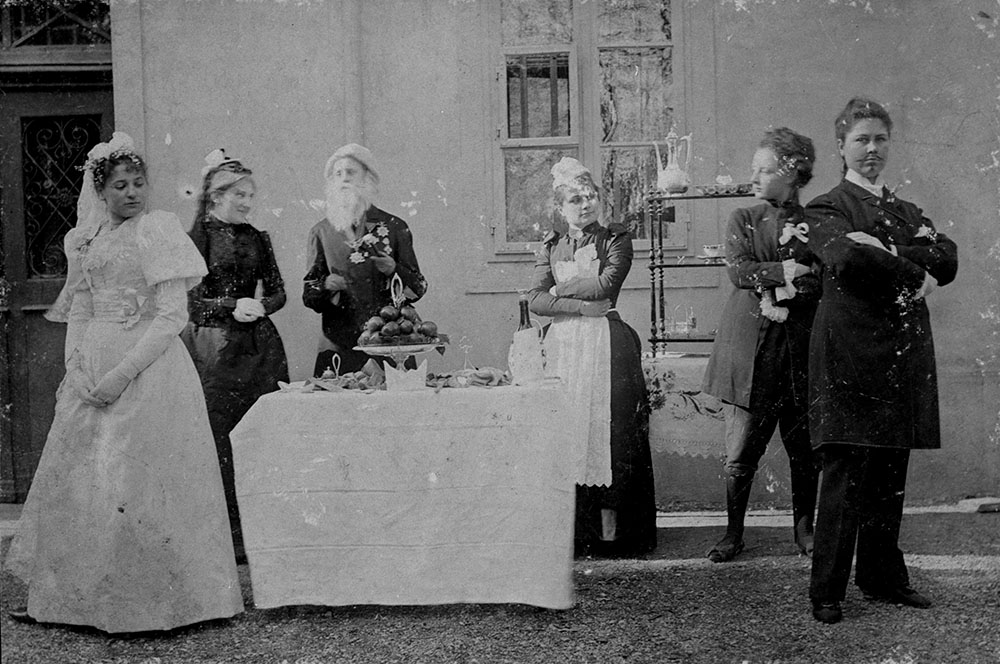
She also benefited from her exposure to influential figures in education, politics and religion. Whether in Canada or England, the Parkin household was a meeting place for leading intellectuals. Among their acquaintances was fellow Canadian Sir William Osler, who became Regius Chair of Medicine at Oxford in 1905.
Marriage to Vincent Massey
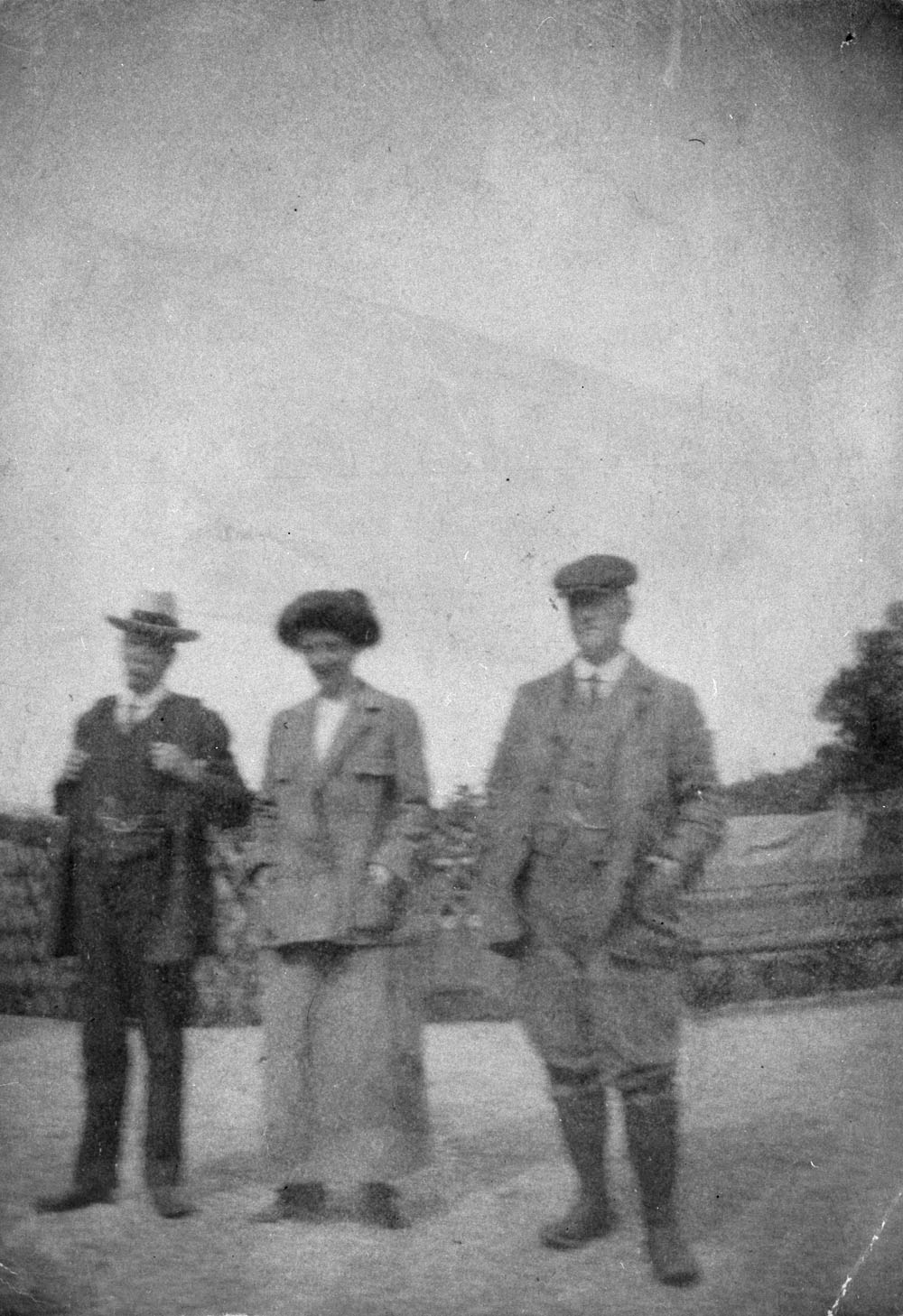
As secretary of the Rhodes trust, Sir George Robert Parkin opened his home to visiting scholars from Canada and other parts of the British Empire. (See also Imperialism.) Among them was Vincent Massey, who studied history at Balliol College in Oxford from 1911 to 1913. In his memoirs, Massey states that he met Alice Parkin a couple of times at her father’s house in Goring-on-Thames, “where the Parkins dispensed generous hospitality to Oxford undergraduates.”
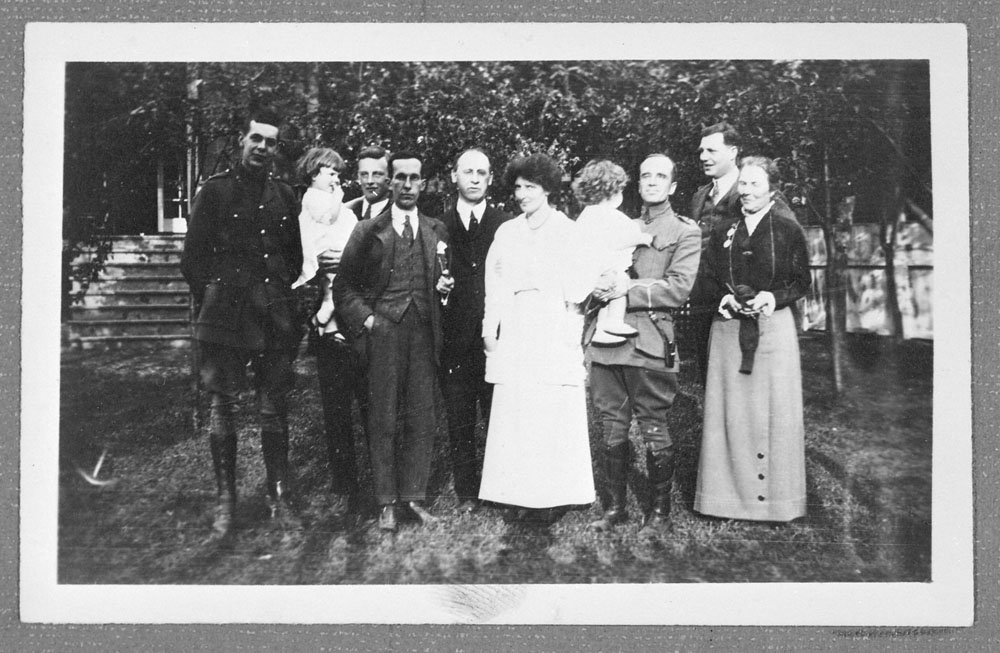
In 1914, Alice Parkin became head of Queen’s Hall, a residence for female students of University College in Toronto. By then, Vincent Massey was dean of the men’s residence at Victoria College and lecturer in history at the University of Toronto. The couple wed on 4 June 1915 in St. George’s Cathedral in the city of Kingston, where Alice’s sister Maude lived with her husband, the educator and historian William Lawson Grant. “It was a ‘quiet wedding,’ but for us it was the prelude to thirty-five years of complete happiness,” Vincent later wrote. They had two children, Lionel (1916–65) and Hart (1918–97).
Massey Foundation and Support for Education
Vincent Massey is well known for his commitment to education and the arts in Canada. Less known is the important role played by his wife. According to Claude Bissell, “Alice thought of herself unashamedly as a housewife.” This did not prevent her from making important contributions in the arts, education, politics and diplomacy.
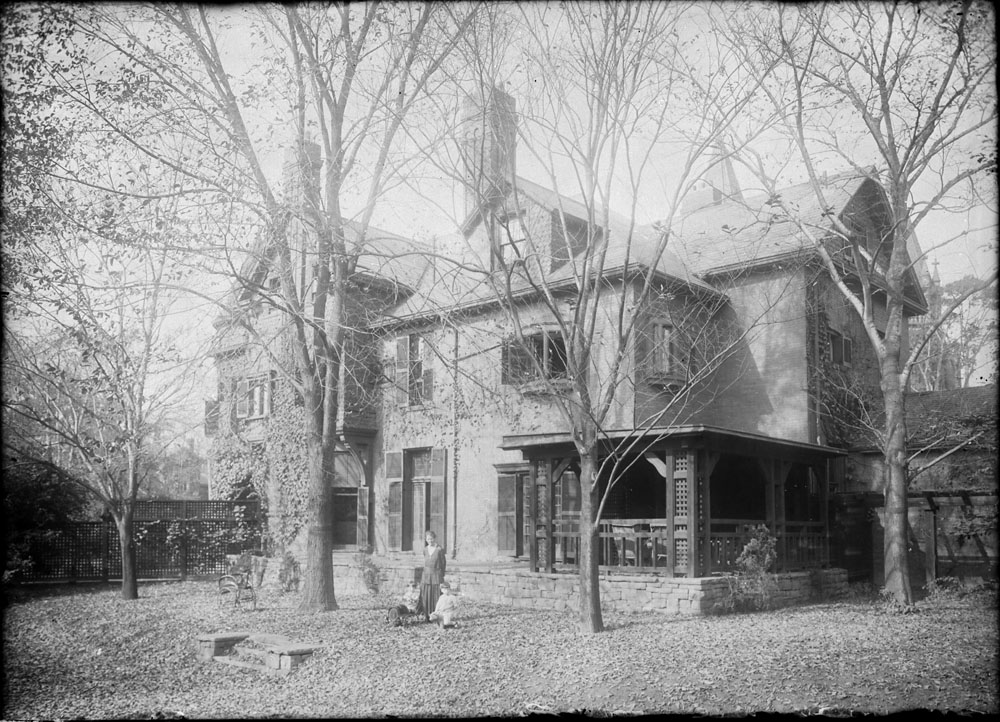
The couple was heavily involved in philanthropic work and continued the legacy of Vincent’s grandfather, Hart A. Massey, through the Massey Foundation. Alice Massey corresponded regularly with artists, educators and organizations during her marriage. She was particularly involved with the Hart House student centre at the University of Toronto.
She also became a spokesperson for better education and employment opportunities for women. Alice was inspired by her experience with women students at the University of Toronto to write Occupations for Trained Women in Canada (1920).

Patron of the Arts
Alice Massey was an amateur painter and member of the Women’s Art Association of Canada. She and her husband were keen collectors of Canadian art. Alice wrote frequently to David Milne, for example, and purchased many of his paintings. She also corresponded regularly with A.Y. Jackson, A. Scott Carter, Edwin Holgate, Lawren Harris, Pegi Nicol, Lilias Newton and Will Ogilvie, among others. The Masseys not only purchased original art but also invited artists into their home. They supported Canadian authors and were involved in theatre and music, supporting musicians like Harry and Frances Adaskin and establishing the Hart House String Quartet and Hart House Theatre. (See also Massey Commission.)
Diplomatic Postings
When Vincent Massey became Canada’s first minister to the United States (1926–30), Alice accompanied him to Washington. From 1935 to 1946, the couple lived in England, where Vincent served as high commissioner for Canada in the United Kingdom. They remained in England throughout the Second World War, where they played a crucial part in the Canadian war effort.
Second World War
In 1939, Alice Massey became honorary president of the Canadian Women’s Club and chair of the organization’s War Emergency Committee. In this role, she received and distributed Canadian donations of money and clothing for English men, women and children affected by German bombing. (In his memoirs, Vincent Massey particularly notes a donation of more than $300 from Indigenous residents of Old Crow, Yukon, collected by Chief Peter Moses of the Vuntut Gwitchin First Nation.)
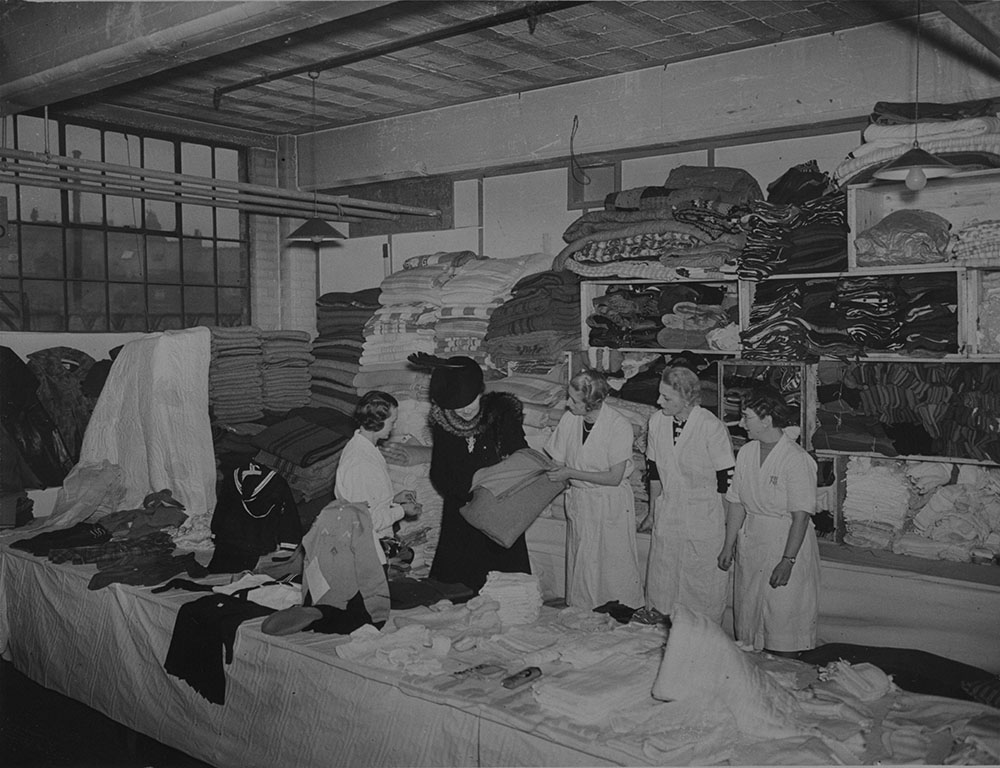
Alice was well known for her commitment to Canadian servicemen and women during the war. She was busy from morning until night, reviewing correspondence and writing letters to mothers and wives of servicemen. She also helped cook and serve thousands of meals at the Canadian Officers’ Club, which she and her husband founded for officers on leave. The couple founded the Beaver Club, a social centre for Canadian servicemen and women in London.
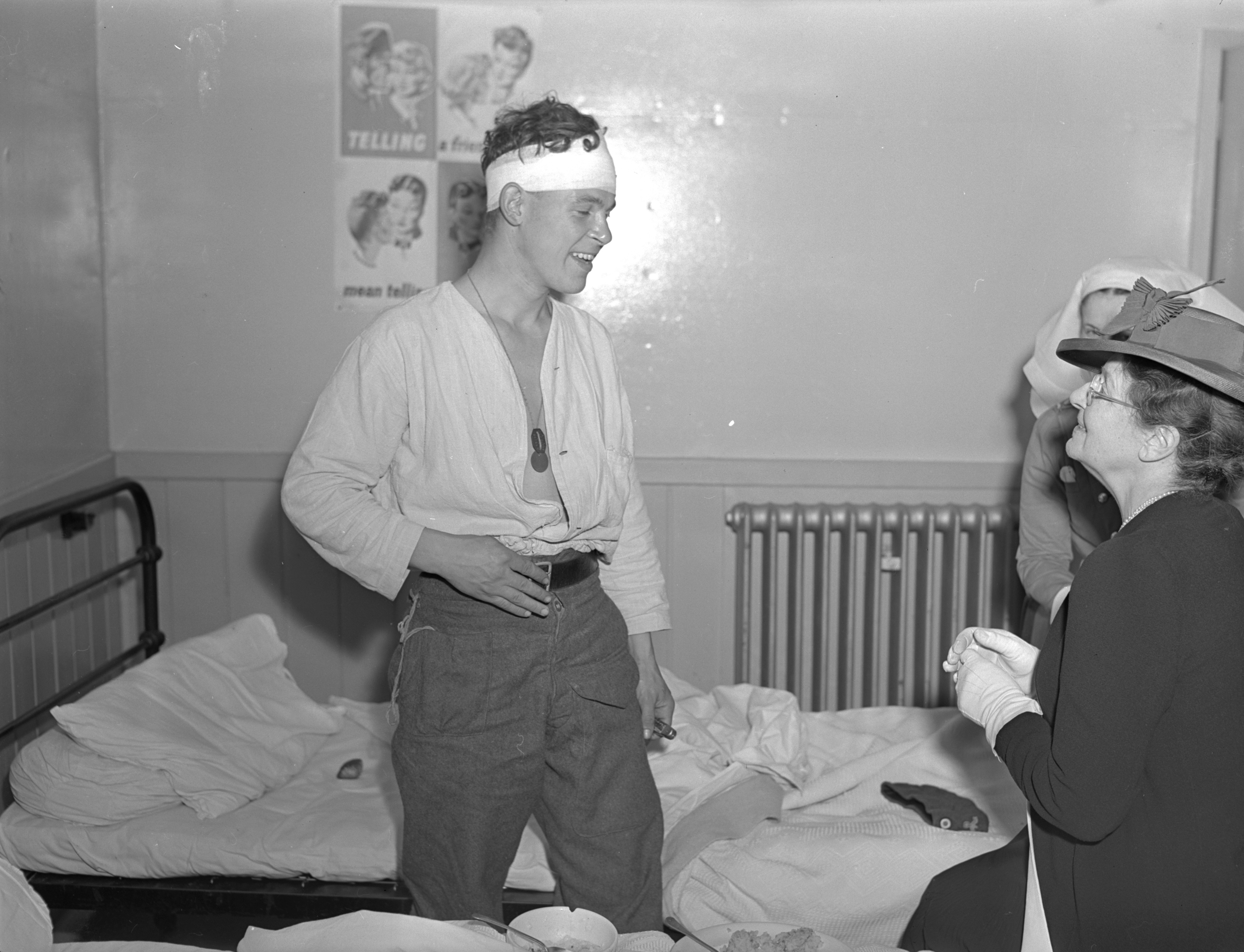
Massey also visited sick and wounded servicemen and, with her husband, established a convalescent home for Canadian officers at Garnons in Herefordshire, England. “She devoted herself heart and soul to promoting the pleasure and well-being of the troops while attentive always to the peace of mind of those at home,” noted The Globe and Mail upon her death in 1950.
Death and Legacy
In 1946, the Masseys returned to Canada, where Vincent became chancellor of the University of Torontoand chair of the National Gallery of Canada. Alice Massey died in 1950 at Batterwood, their family home near Port Hope, Ontario, after a brief illness. Less than two years later, her husband became the country’s first Canadian-born governor general.