
Browse "People"
-
Article
Trina McQueen
Catherine “Trina” Margaret McQueen (née Janitch), OC, broadcast journalist, producer, executive (born 1943 in Belleville, ON). Trina McQueen is a highly respected trailblazer for Canadian women in broadcast journalism. She was the first woman reporter for CFTO in Toronto, the first woman to host CTV’s W5, and the first woman to both report on camera for CBC’s The National and serve as its executive producer. McQueen spent 25 years at the CBC, rising to VP of television news, current affairs and CBC Newsworld and eventually to network program director for CBC English Television. She became the founding president of Canada’s Discovery Channel in 1995 and president and COO of CTV in 2001. Since retiring in 2002, she has taught at the Schulich School of Business at York University, served on the boards of numerous organizations and was vice-chair of TVO. An Officer of the Order of Canada, she has received several lifetime achievement awards and been inducted into multiple halls of fame.
"https://d3d0lqu00lnqvz.cloudfront.net/3610442478_efc1cdd885_c.jpg" // resources/views/front/categories/view.blade.php
https://d3d0lqu00lnqvz.cloudfront.net/3610442478_efc1cdd885_c.jpg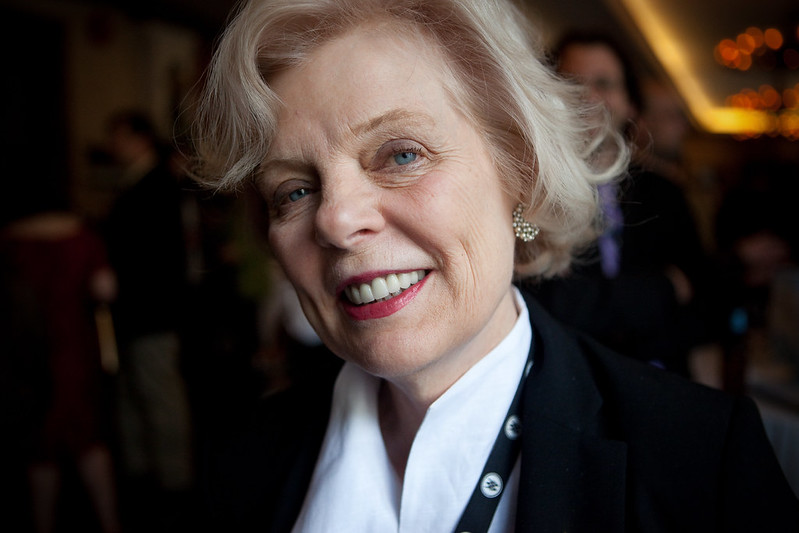
-
Article
Trivedi Vidhya Nandan Persaud
Trivedi Vidhya Nandan Persaud, anatomist (b at Pt Mourant, Guyana 19 Feb 1940). Educated at Rostock, E Ger (MD 1965, DSc 1974), and U of W Indies, Kingston, Jamaica (PhD 1970), Persaud has received international acclaim for his research in embryology, teratology and pathology.
"https://thecanadianencyclopedia.ca/images/tce_placeholder.jpg?v=e9dca980c9bdb3aa11e832e7ea94f5d9" // resources/views/front/categories/view.blade.php
https://thecanadianencyclopedia.ca/images/tce_placeholder.jpg?v=e9dca980c9bdb3aa11e832e7ea94f5d9
-
Article
Truth and Reconciliation Commission of Canada: Calls to Action
The Truth and Reconciliation Commission of Canada (TRC) was officially launched in 2008 as part of the Indian Residential Schools Settlement Agreement. This multi-faceted agreement was intended to compensate survivors for the harms they suffered in residential schools, and to work towards a more just and equitable future for Indigenous peoples. The TRC was also meant to lay the foundation for lasting reconciliation across Canada. The TRC’s six-volume final report was released on 15 December 2015. It argued that the residential school program resulted in cultural genocide and outlined 94 Calls to Action.
"https://d3d0lqu00lnqvz.cloudfront.net/media/media/a042133-v6.jpg" // resources/views/front/categories/view.blade.php
https://d3d0lqu00lnqvz.cloudfront.net/media/media/a042133-v6.jpg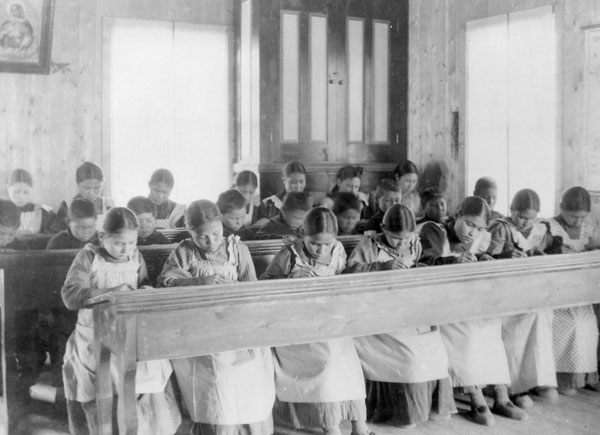
-
Article
Truth and Reconciliation Commission (Plain-Language Summary)
The Truth and Reconciliation Commission (TRC) started working in 2008. It was a result of the Indian Residential Schools Settlement Agreement (IRSSA). The IRSSA recognized the suffering and trauma experienced by Indigenous students at residential schools. It also provided financial compensation (money) to the students. The TRC performed many tasks. It created a national research centre. It collected documents from churches and government. It held events where students told their stories. Also, it did research about residential schools and issued a final report. (See also Reconciliation in Canada.)
"https://d3d0lqu00lnqvz.cloudfront.net/media/media/2bd71aaf-ebc5-44e0-9f91-e4d07b16e81d.jpg" // resources/views/front/categories/view.blade.php
https://d3d0lqu00lnqvz.cloudfront.net/media/media/2bd71aaf-ebc5-44e0-9f91-e4d07b16e81d.jpg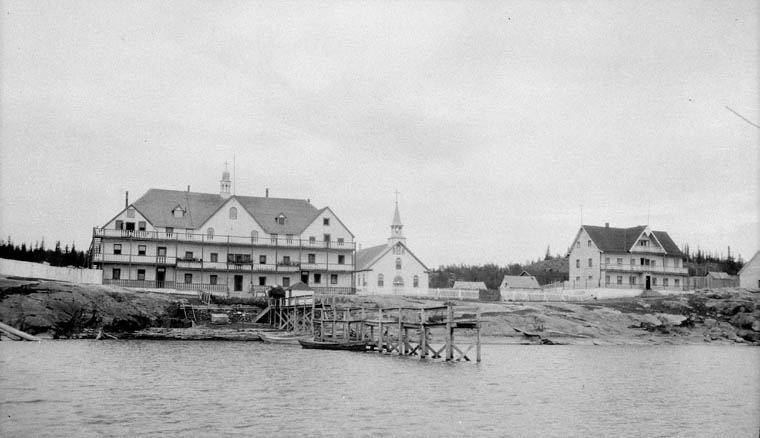
-
Article
Tseshaht (Sheshaht)
The Tseshaht (also Ts’ishaa7ath or Ć̓išaaʔatḥ; formerly Sheshaht) are a Nuu-chah-nulth First Nation living in Barkley Sound and Alberni Inlet, Vancouver Island, British Columbia. As of November 2025, the federal government counted 1,279 registered members of the Tseshaht First Nation, the majority of whom (781) live off reserve.
"https://d3d0lqu00lnqvz.cloudfront.net/media/media/d8ac030b-9728-428c-a546-17223668b49b.jpg" // resources/views/front/categories/view.blade.php
https://d3d0lqu00lnqvz.cloudfront.net/media/media/d8ac030b-9728-428c-a546-17223668b49b.jpg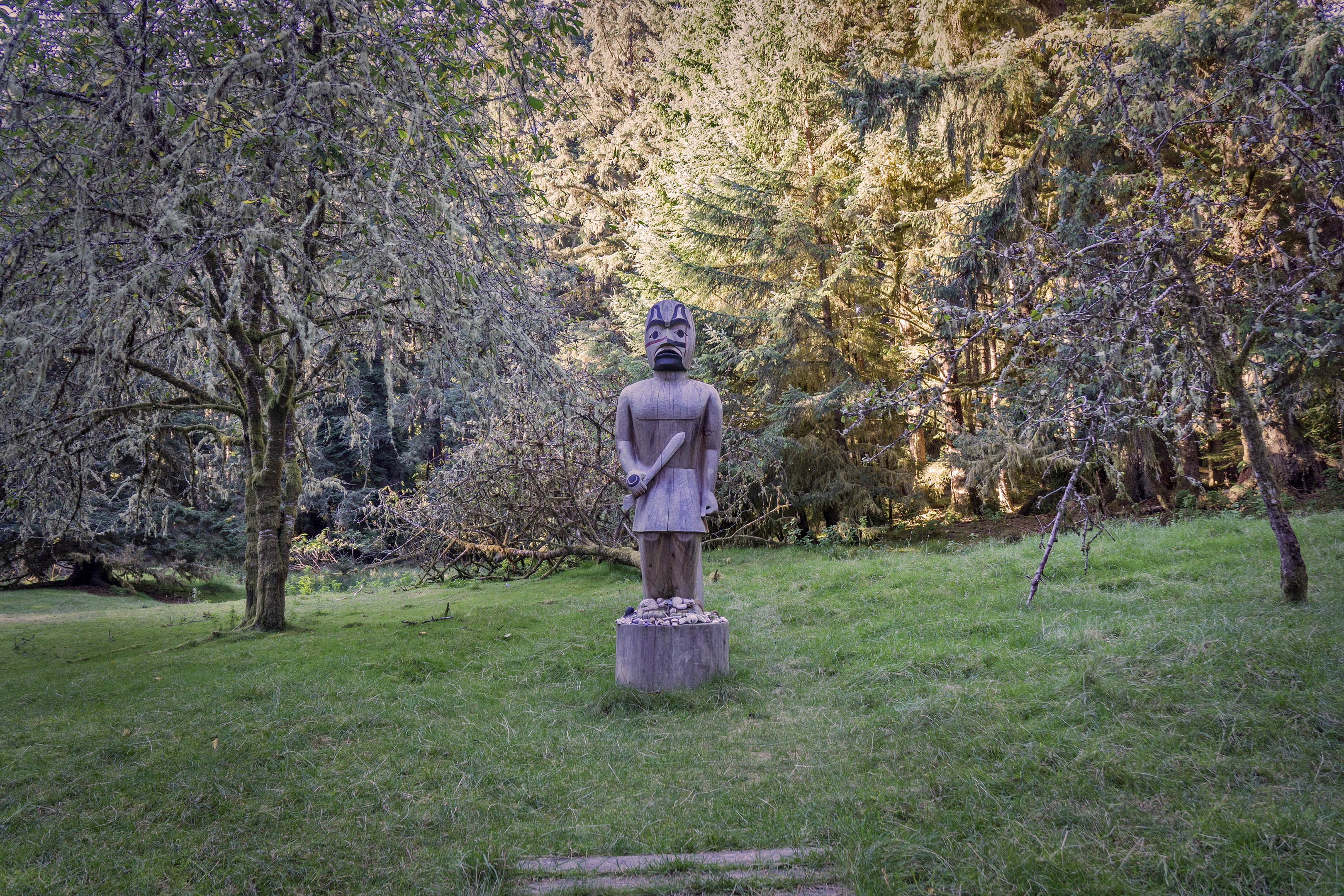
-
Article
Tsetsaut
The Tsetsaut (also known as the Wetaɬ) were a Dene people who lived inland from the Tlingit (Łingít) along the western coast of British Columbia and Southeastern Alaska. Apart from Nisga’a oral tradition and the linguistic research of anthropologist Franz Boas, who lived among the Tsetsaut in the 1890s, little is known about them. The Tsetsaut were decimated by war and disease in the 1800s, their numbers reduced to just 12 by the end of the century. It was once believed that the last of the Tsetsaut people died in 1927 and that their ancient language was no longer spoken. However, as of 2019, there are approximately 30 people from the Tsetsaut/Skii km Lax Ha Nation identifying as Tsetsaut in British Columbia.
"https://d3d0lqu00lnqvz.cloudfront.net/media/media/cce8b2c9-3dd1-46a4-9e5a-8bf2b73404b5.jpg" // resources/views/front/categories/view.blade.php
https://d3d0lqu00lnqvz.cloudfront.net/media/media/cce8b2c9-3dd1-46a4-9e5a-8bf2b73404b5.jpg
-
Article
Ts'msyen (Tsimshian)
Ts’msyen (Tsim-she-yan, meaning “Inside the Skeena River”; sometime spelled Tsimshian or Tsm’syen) is a name that is often broadly applied to Indigenous peoples of the Pacific Northwest Coast. They speak languages of the Ts’msyen language family, including Ts’msyen, Gitxsan and Nisga’a. In the 2021 census, 1,550 people claimed a Ts’msyen languages as their mother tongue and 2,590 people acclaimed knowledge of a Ts’msyen language. Of people claiming knowledge of a Ts’msyen language, 200 people reported the Ts’msyen language as their mother tongue and 445 people claimed knowledge of that specific language. In the 2021 census, 4,800 people claimed Ts’msyen ancestry.
"https://d3d0lqu00lnqvz.cloudfront.net/media/media/31938a10-8f41-41b1-92bb-8096a3025bf3.jpg" // resources/views/front/categories/view.blade.php
https://d3d0lqu00lnqvz.cloudfront.net/media/media/31938a10-8f41-41b1-92bb-8096a3025bf3.jpg
-
Article
Tudor Singers of Montreal/Ensemble vocal Tudor de Montréal
The Tudor Singers of Montreal/L'Ensemble vocal Tudor de Montréal. Mixed choir founded in 1962 by Wayne Riddell to perform unaccompanied music of the 16th and 17th centuries.
"https://thecanadianencyclopedia.ca/images/tce_placeholder.jpg?v=e9dca980c9bdb3aa11e832e7ea94f5d9" // resources/views/front/categories/view.blade.php
https://thecanadianencyclopedia.ca/images/tce_placeholder.jpg?v=e9dca980c9bdb3aa11e832e7ea94f5d9
-
Article
Tupiq
Historically, Inuit used a simple tent, known as a tupiq (the plural form is tupiit), while travelling or hunting during the summer months. Today, the traditional tupiq is rarely used (because modern variations have largely replaced it), but some Inuit elders and communities are working to keep the tupiq, and other Inuit traditions, alive. (See also Architectural History of Indigenous Peoples in Canada.)
"https://d3d0lqu00lnqvz.cloudfront.net/Tupiq/InuitFamilyTupiq1915.JPG" // resources/views/front/categories/view.blade.php
https://d3d0lqu00lnqvz.cloudfront.net/Tupiq/InuitFamilyTupiq1915.JPG
-
Article
Tutchone
Tutchone are an Indigenous peoples in Yukon (see also First Nations in Yukon). Their homeland is the vast plateau dissected by the Alsek and Yukon River headwaters, flanked on the southwest by the Coastal and St Elias mountains and on the northeast by the Selwyn range.
"https://d3d0lqu00lnqvz.cloudfront.net/media/media/7d2699bc-260f-4b3e-b27a-f0d430e23030.jpg" // resources/views/front/categories/view.blade.php
https://d3d0lqu00lnqvz.cloudfront.net/media/media/7d2699bc-260f-4b3e-b27a-f0d430e23030.jpg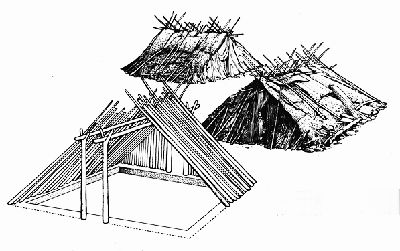
-
List
Twenty Pioneering Newspaperwomen in Canada
Did you know that Canadian women, like writer and suffragist Emily Murphy, have been writing and working for newspapers since the 19th century? The following 20 Canadian newspaperwomen include the first Black woman in North America to publish and edit a newspaper, the first female war correspondent in North America and the first female French-Canadian journalist. Others were literary and drama critics, sports journalists, agricultural writers and editors. Many wrote or edited “women’s pages,” which covered not only recipes, fashion and homemaking tips but also the women’s movement, among other issues. Several were founding members of the Canadian Women’s Press Club (1904).
"https://d3d0lqu00lnqvz.cloudfront.net/media/media/kit-coleman-tweet2.jpg" // resources/views/front/categories/view.blade.php
https://d3d0lqu00lnqvz.cloudfront.net/media/media/kit-coleman-tweet2.jpg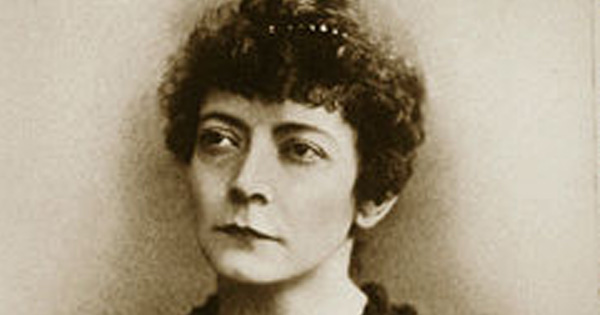
-
Article
Two-Spirit
Two-Spirit, a translation of the Anishinaabemowin term niizh manidoowag, refers to a person who embodies both a masculine and feminine spirit. The concept of two-spirit was first introduced by Elder Myra Laramee. Activist Albert McLeod helped develop the term in 1990 to broadly reference Indigenous peoples in the lesbian, gay, bisexual, transgender and queer (LGBTQ) community. Two-spirit is used by some Indigenous peoples to describe their gender, sexual and spiritual identity. (See also 2SLGBTQ+ Rights in Canada.)
"https://d3d0lqu00lnqvz.cloudfront.net/TwoSpirit/TwoSpiritCanadaPostStamp_resized.jpg" // resources/views/front/categories/view.blade.php
https://d3d0lqu00lnqvz.cloudfront.net/TwoSpirit/TwoSpiritCanadaPostStamp_resized.jpg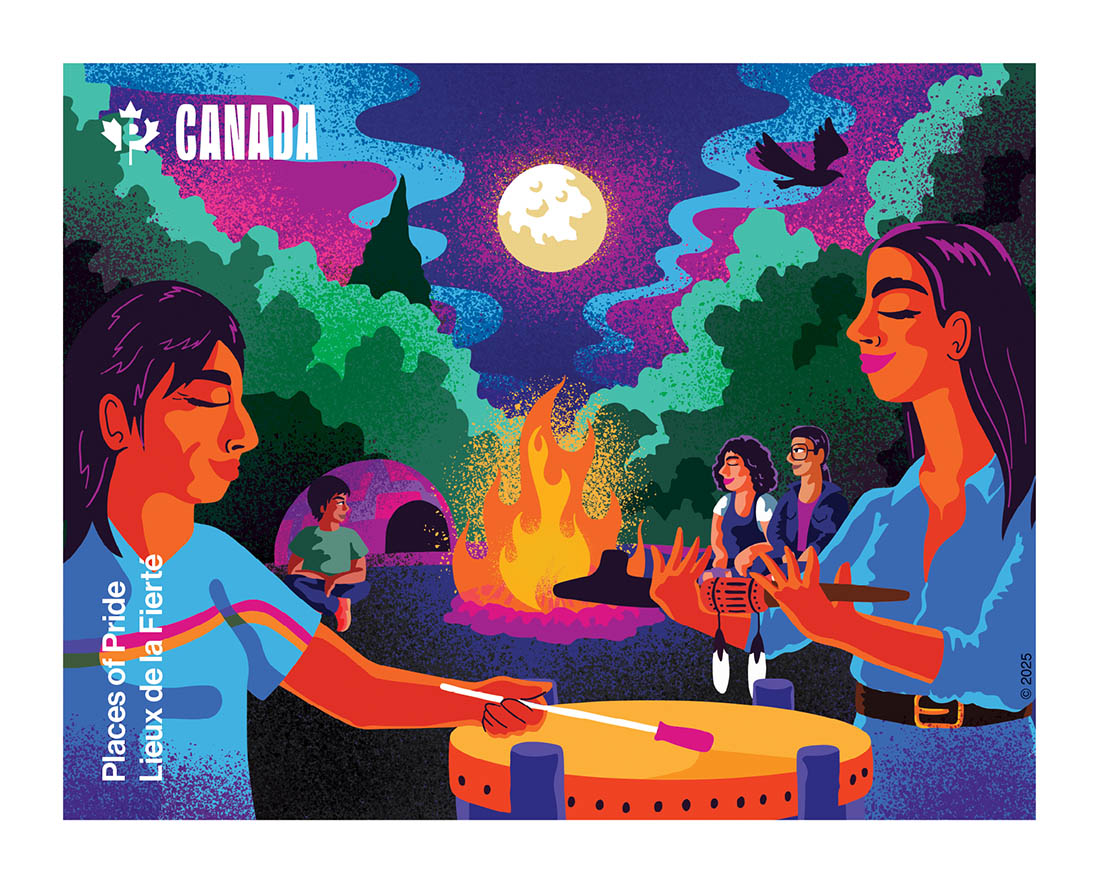
-
Article
Tyendinaga Mohawk Territory
The Mohawks of the Bay of Quinte are part of the Kanyen’kehá:ka or Mohawk Nation. Kanyen’kehá:ka means “People of the Land of Flint.” The Mohawk Nation is in turn part of the Rotinonhsyón:ni (Haudenosaunee or Six Nations Confederacy), which translates in English to “People of the Longhouse.” As of February 2026, there were 11,881 members of the Mohawks of the Bay of Quinte living on Turtle Island and beyond. At that time, 2,090 of these members lived on Tyendinaga Mohawk Territory. The Territory is located on the northeastern shore of the Bay of Quinte, just east of Belleville, Ontario.
"https://d3d0lqu00lnqvz.cloudfront.net/media/new_article_images/Tyendinaga/TyendinagaPowwow.jpg" // resources/views/front/categories/view.blade.php
https://d3d0lqu00lnqvz.cloudfront.net/media/new_article_images/Tyendinaga/TyendinagaPowwow.jpg
-
Article
Bruce Ubukata
Bruce Ubukata. Pianist, organist, harpsichordist, vocal coach, b Goderich, Ont, 3 Sep 1949; BA (Carleton) 1970. Bruce Ubukata studied privately with Greta Kraus in Toronto, Sir Peter Pears at Aldeburgh, and Pierre Bernac at St Jean de Luz, France.
"https://thecanadianencyclopedia.ca/images/tce_placeholder.jpg?v=e9dca980c9bdb3aa11e832e7ea94f5d9" // resources/views/front/categories/view.blade.php
https://thecanadianencyclopedia.ca/images/tce_placeholder.jpg?v=e9dca980c9bdb3aa11e832e7ea94f5d9
-
Article
Uchucklesaht Tribe
Uchucklesaht is a Nuu-chah-nulth First Nation of west Barkley Sound on the west coast of Vancouver Island. As of November 2025, there were 265 registered members, 233 of whom live off reserve.
"https://d3d0lqu00lnqvz.cloudfront.net/media/media/bef3cc60-b45e-4a19-b10f-b8248f21b21b.jpg" // resources/views/front/categories/view.blade.php
https://d3d0lqu00lnqvz.cloudfront.net/media/media/bef3cc60-b45e-4a19-b10f-b8248f21b21b.jpg