
Browse "Indigenous People"
-
Article
Judy Gingell
Judy B. Gingell (née Smith), CM, OY, First Nations leader, Commissioner of Yukon, Elder (born 26 November 1946 near Rancheria, YT). Elder Judy Gingell is an Elder and member of Kwanlin Dün First Nation (see also First Nations in Yukon). For decades, Gingell has been a leader working to advance Indigenous rights in Yukon. She has held executive positions in several First Nations organizations. As chair of the Council for Yukon Indians (now Council of Yukon First Nations), Gingell negotiated and signed agreements to grant First Nations in Yukon land and self-government claims (see also Self-Governing First Nations in Yukon). She was the first Indigenous person appointed as Commissioner of Yukon.
"https://d3d0lqu00lnqvz.cloudfront.net/JudyGingell/CP2766674_resized.jpg" // resources/views/front/categories/view.blade.php
https://d3d0lqu00lnqvz.cloudfront.net/JudyGingell/CP2766674_resized.jpg
-
Article
Leroy Little Bear
Leroy Robert Little Bear, OC, AOE, Niitsitapi (Blackfoot) educator, lawyer, advocate, speaker, author, political activist (born c. 1943 at Blood Indian Reserve, AB). Leroy Little Bear has advised the United Nations, many First Nations and the federal and provincial governments on matters related to the constitution, Indigenous Title, justice and the restoration of the buffalo.
"https://d3d0lqu00lnqvz.cloudfront.net/LeroyLittleBear/CP2878383_resized.jpg" // resources/views/front/categories/view.blade.php
https://d3d0lqu00lnqvz.cloudfront.net/LeroyLittleBear/CP2878383_resized.jpg
-
Article
Deskaheh
Deskaheh (also known as Levi General), Cayuga (Gayogohó:no') chief and speaker of the Six Nations Hereditary Council (born in 1873 on the Six Nations Reserve near Brantford, ON; died on 25 June 1925 at the Tuscarora Reservation, New York). A member of the Longhouse religion, Deskaheh insisted that the Six Nations retain their languages and distinctive culture.
"https://d3d0lqu00lnqvz.cloudfront.net/media/media/17f95d34-9527-484a-990a-1dfca38335bf.jpg" // resources/views/front/categories/view.blade.php
https://d3d0lqu00lnqvz.cloudfront.net/media/media/17f95d34-9527-484a-990a-1dfca38335bf.jpg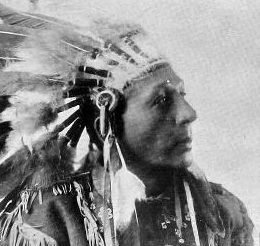
-
Article
Maisie Hurley
Maisie Hurley, née Maisie Amy Campbell-Johnston, Vancouver-area political activist, Indigenous ally (see Indigenous Peoples in Canada), newspaper founder and art collector (born 27 November 1887 in Swansea, Wales; died 3 October 1964 in North Vancouver, British Columbia). Although Hurley had no formal legal training or law degree (see Legal Education), she worked on several legal cases and advocated for Indigenous peoples’ basic human rights as well as for changes to the Indian Act. In 1946, Hurley started a newspaper called The Native Voice that aimed to bring attention to important issues concerning Indigenous communities across Canada (see Rights of Indigenous Peoples in Canada). In 2011, Hurley’s collection of Indigenous art was displayed at the North Vancouver Museum.
"https://d3d0lqu00lnqvz.cloudfront.net/Untitled-11.jpg" // resources/views/front/categories/view.blade.php
https://d3d0lqu00lnqvz.cloudfront.net/Untitled-11.jpg
-
Article
Marie-Anne Day Walker-Pelletier
Marie-Anne Day Walker-Pelletier, CM, chief (born 15 April 1954 in Regina, SK). Day Walker-Pelletier is the longest-serving elected chief in Canadian history. She was chief of Okanese First Nation, located near Fort Qu’Appelle, Saskatchewan, from 1981 to 2020. During her long career, Day Walker-Pelletier accomplished many goals, including establishing the structure, instruments and policies of governance for Okanese First Nation. She also took part in numerous projects related to wellness, social reform and education, focusing primarily on providing support to vulnerable women and children. Day Walker-Pelletier has been a strong advocate for preserving the language, traditions, and treaty rights of Okanese First Nation.
"https://d3d0lqu00lnqvz.cloudfront.net/MarieAnneDayWalkerPelletier/CanadaPostDayWalkerPelletier.png" // resources/views/front/categories/view.blade.php
https://d3d0lqu00lnqvz.cloudfront.net/MarieAnneDayWalkerPelletier/CanadaPostDayWalkerPelletier.png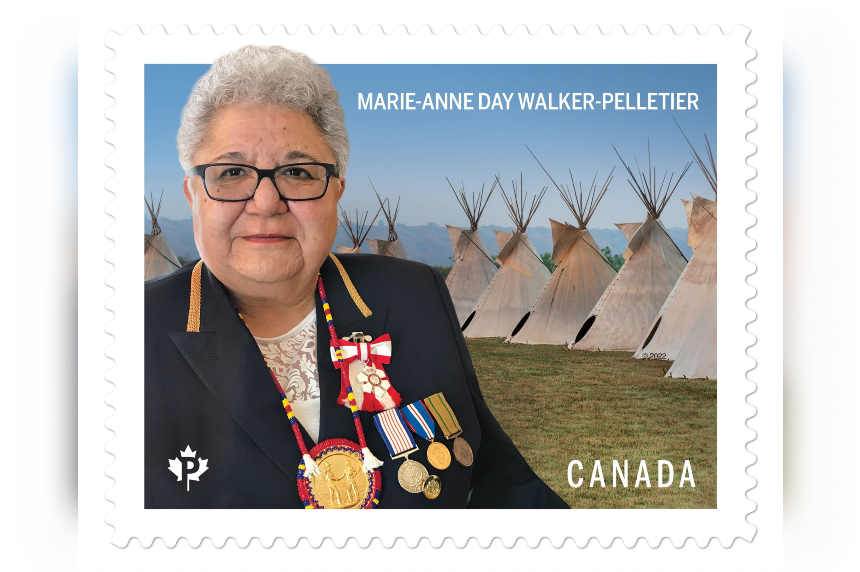
-
Article
Marilyn Buffalo
Marilyn Buffalo, leader, educator, advocate, Indigenous rights policy analyst (born in 1950 in Maskwacis, AB). A member of the Samson Cree Nation, Marilyn Buffalo became the first Indigenous person appointed Advisor on Native Affairs at the University of Alberta. She was also formerly the president of the Native Women’s Association of Canada (NWAC). Buffalo has been heavily involved in advocating for Indigenous rights her entire life, including her work on the Truth and Reconciliation Commission (TRC) and in advocating for Missing and Murdered Indigenous Women and Girls (MMIWG). One of her children is professional skateboarder Joe Buffalo.
"https://d3d0lqu00lnqvz.cloudfront.net/MarilynBuffalo/Marilyn-Buffalo_resized.jpg" // resources/views/front/categories/view.blade.php
https://d3d0lqu00lnqvz.cloudfront.net/MarilynBuffalo/Marilyn-Buffalo_resized.jpg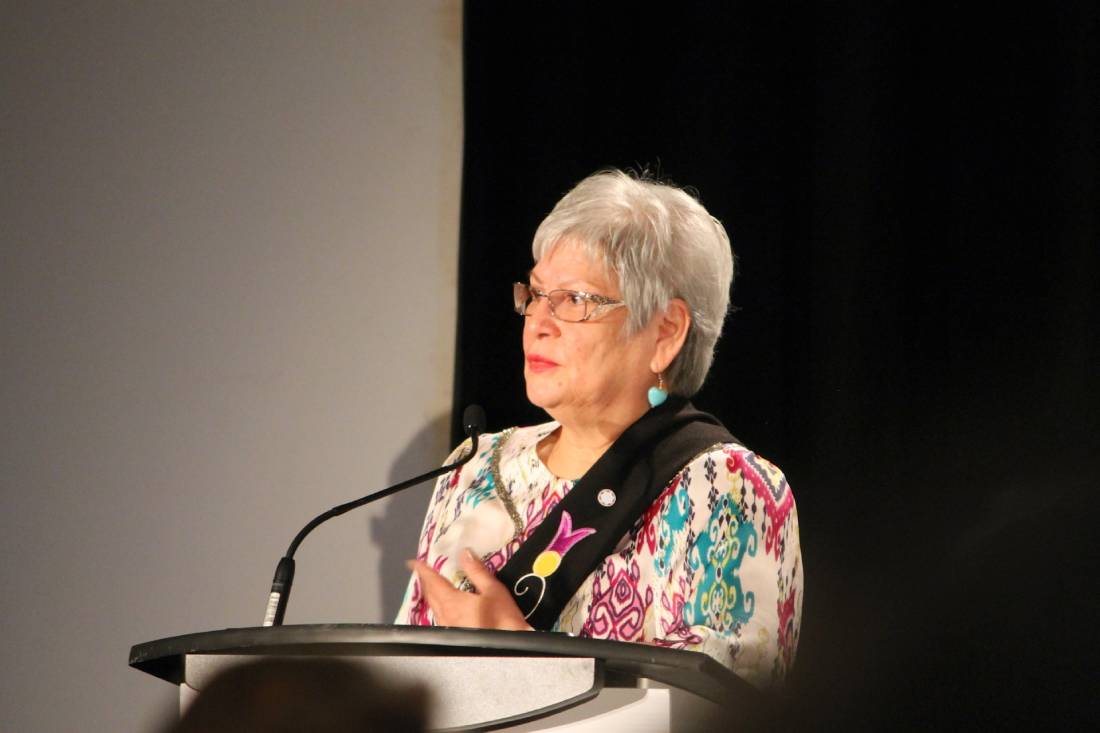
-
Article
Mary Simon
Mary Jeannie May Simon (Ningiukudluk), CC, OQ 30th governor general of Canada, diplomat, civil servant, (born 21 August 1947 in Kangiqsualujjuaq, Nunavik, QC). Mary Simon is an advocate for international cooperation in the Arctic and Indigenous education and rights. She has held multiple roles in the civil service, including secretary and co-director of policy of the Royal Commission on Aboriginal Peoples, secretary to the board of directors of the Northern Quebec Inuit Association, and member of the Nunavut Implementation Commission. She was also the first vice president of the Makivik Corporation and the first Inuk in Canada to hold the rank of ambassador. Simon has served as the president of Inuit Tapiriit Kanatami and of what is now the Inuit Circumpolar Council. From 26 July 2021 to June 2026, Simon served as Canada’s 30th governor general and the first Indigenous person to serve in that role.
"https://d3d0lqu00lnqvz.cloudfront.net/MarySimon.jpg" // resources/views/front/categories/view.blade.php
https://d3d0lqu00lnqvz.cloudfront.net/MarySimon.jpg
-
Article
McIvor Case
The McIvor v. Canada case was about gender discrimination in section 6 of the 1985 Indian Act, which deals with Indian status. Sharon McIvor — a woman who regained status rights after the passing of Bill C-31 in 1985 — was not able to pass on those rights to her descendants in the same way that a man with status could. In her case against the federal government, the British Columbia Supreme Court ruled in 2007 that section 6 did, in fact, deny McIvor’s equality rights under the Canadian Charter of Rights and Freedoms. In response to this case, the federal government introduced new legislation (Bill C-3) in 2011 to counter gender discrimination in the Indian Act.
"https://d3d0lqu00lnqvz.cloudfront.net/McIvorCase/McIvor.jpg" // resources/views/front/categories/view.blade.php
https://d3d0lqu00lnqvz.cloudfront.net/McIvorCase/McIvor.jpg
-
Article
Michelle O’Bonsawin
Michelle O’Bonsawin, justice of the Supreme Court of Canada, lawyer, law professor (born in 1974 in Hanmer, Ontario). Michelle O’Bonsawin was appointed to the Supreme Court of Canada on 1 September 2022, making her the first Indigenous justice to serve on the Court. An Abenaki member of the Odanak First Nation, O’Bonsawin is also Franco-Ontarian. She is known for her expertise on matters relating to Indigenous law and legal issues — in particular the Gladue principles — as well as labour, mental health and privacy issues.
"https://d3d0lqu00lnqvz.cloudfront.net/michelle-obonsawin-rr-hr.jpg" // resources/views/front/categories/view.blade.php
https://d3d0lqu00lnqvz.cloudfront.net/michelle-obonsawin-rr-hr.jpg
-
Article
Missing and Murdered Indigenous Women and Girls in Canada
Missing and murdered Indigenous women and girls in Canada (MMIWG) refers to a human rights crisis that has only recently become a topic of discussion within national media. Indigenous women and communities, women’s groups and international organizations have long called for action into the high and disproportionate rates of violence and the appalling numbers of missing and murdered Indigenous women and girls in Canada. Prior to the launch of the national public inquiry on 8 December 2015, these calls were continually ignored by the federal government. Described by some as a hidden crisis, Dawn Lavell-Harvard, former president of the Native Women’s Association of Canada, refers to MMIWG as a national tragedy and a national shame. In 2015, the Truth and Reconciliation Commission of Canada supported the call for a national public inquiry into the disproportionate victimization of Indigenous women and girls. The National Inquiry’s Final Report was completed and presented to the public on 3 June 2019.
"https://d3d0lqu00lnqvz.cloudfront.net/media/media/2a243145-5d5c-42f2-a98f-bcda497ab7dc.jpg" // resources/views/front/categories/view.blade.php
https://d3d0lqu00lnqvz.cloudfront.net/media/media/2a243145-5d5c-42f2-a98f-bcda497ab7dc.jpg
-
Article
Mumilaaq Qaqqaq
Mumilaaq Qaqqaq, Inuk Member of Parliament (born 4 November 1993 in Baker Lake, NU). In 2019, Qaqqaq became, at age 25, Nunavut’s youngest MP in history, and the first from the New Democratic Party (NDP) since Nunavut became a territory in 1999. Before entering politics, Qaqqaq was a public speaker and activist who raised awareness of the various crises that Inuit face (suicide, food insecurity, housing, climate).
"https://d3d0lqu00lnqvz.cloudfront.net/media/new_article_images/MumilaaqQaqqaq/Mumilaaq_Qaqqaq_CBC_image.jpeg" // resources/views/front/categories/view.blade.php
https://d3d0lqu00lnqvz.cloudfront.net/media/new_article_images/MumilaaqQaqqaq/Mumilaaq_Qaqqaq_CBC_image.jpeg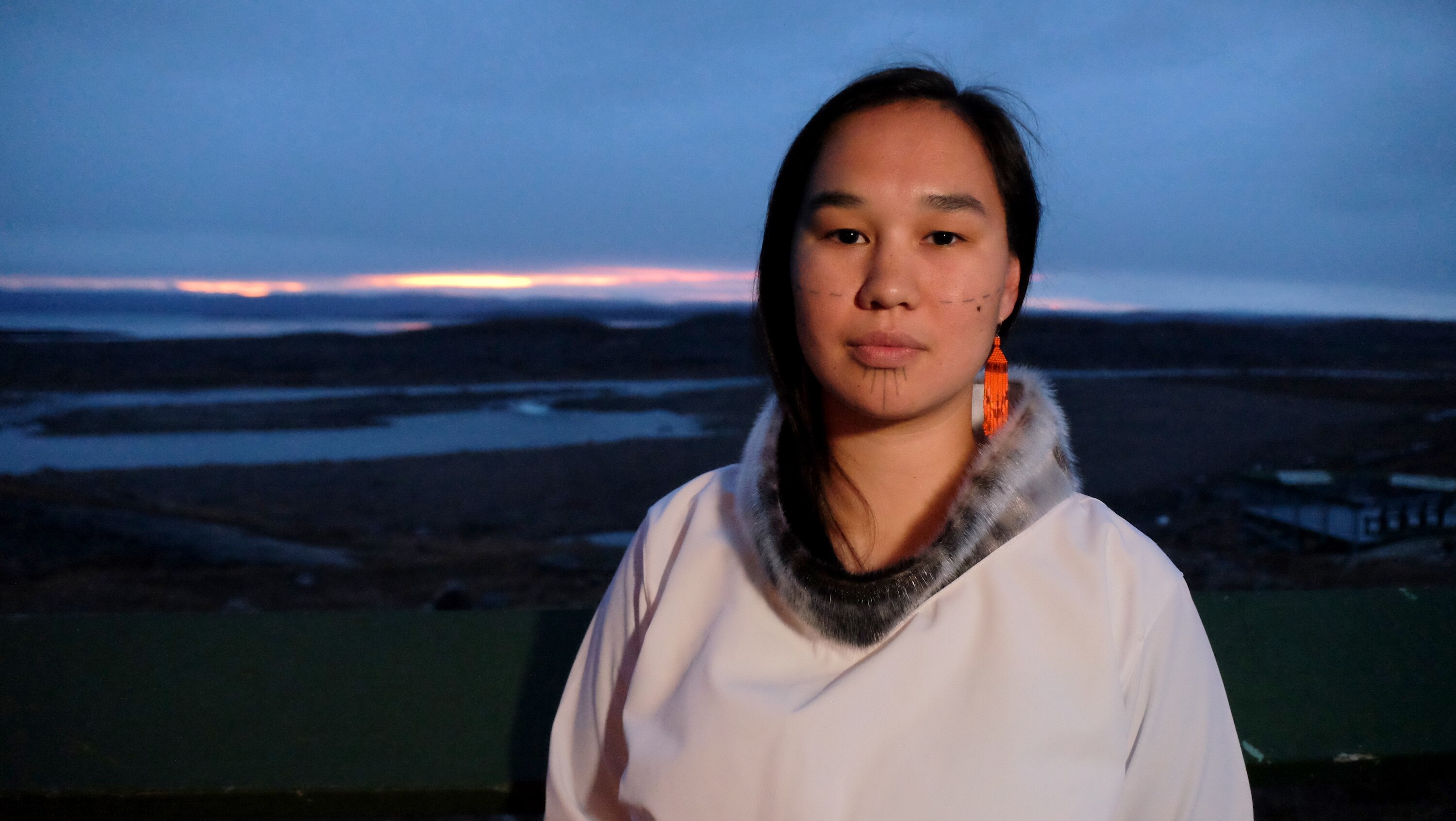
-
Article
Nancy Karetak-Lindell
Nancy Uqquujuq Karetak-Lindell, CM, Inuit leader, senator, politician (born 10 December 1957 in Eskimo Point, NT [now Arviat, NU]). Nancy Karetak-Lindell is an Inuit senator from Nunavut and was the Member of Parliament for Nunavut from 1997 to 2008. She has also served as the president of the Inuit Circumpolar Council Canada. A financial comptroller by trade, Karetak-Lindell had a long career working for Inuit organizations and held a number of government positions prior to becoming a senator (see Senate of Canada). Karetak-Lindell is recognized as the first female parliamentarian to represent the Eastern Arctic, as well as the first person to represent the new riding of Nunavut when it was established. She was also a key figure in the negotiations to create Nunavut in the 1990s.
"https://d3d0lqu00lnqvz.cloudfront.net/NancyKaretak-Lindell/Nancy_Karetak-Lindell_2025_resized.jpg" // resources/views/front/categories/view.blade.php
https://d3d0lqu00lnqvz.cloudfront.net/NancyKaretak-Lindell/Nancy_Karetak-Lindell_2025_resized.jpg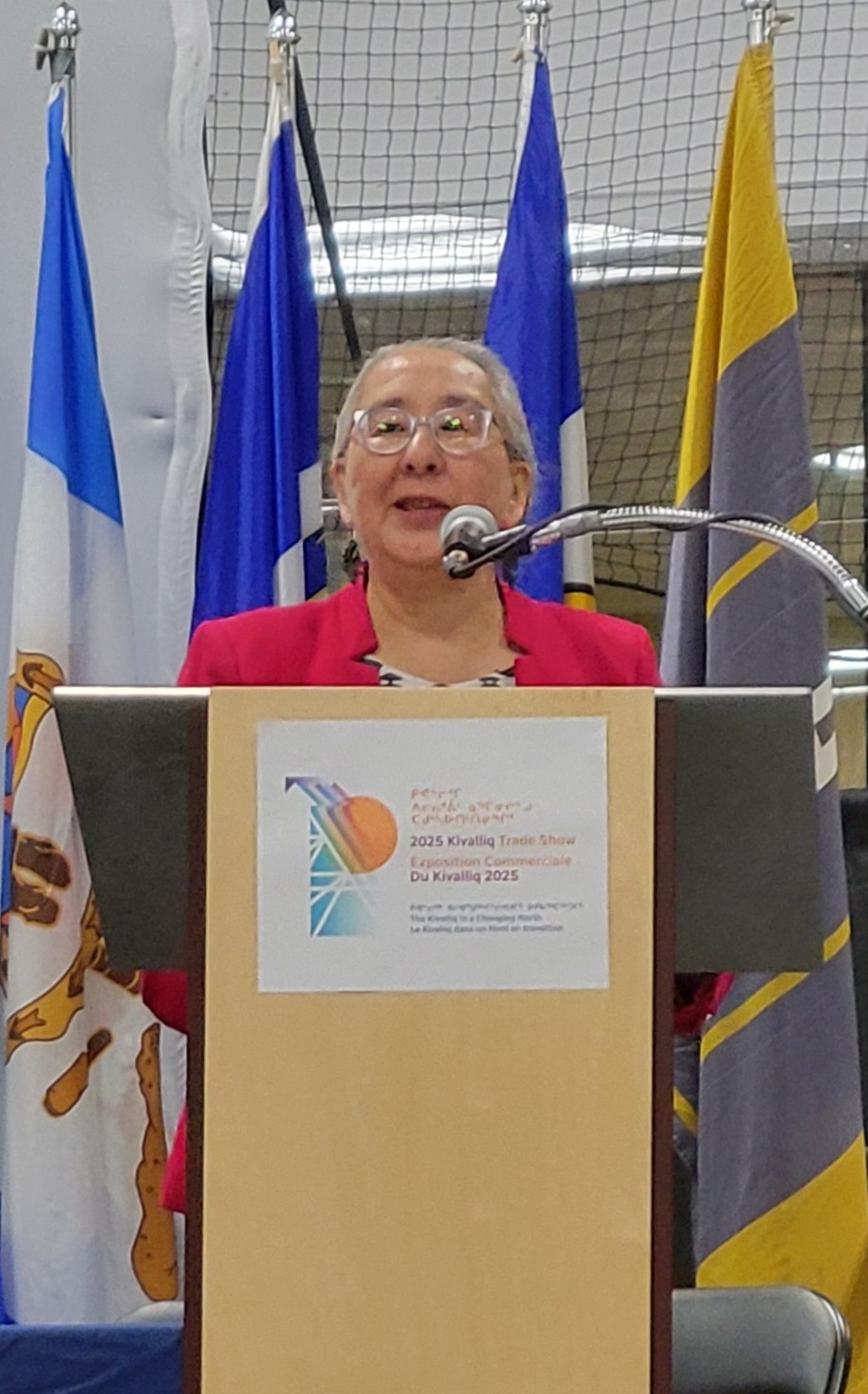
-
Article
Native People's Caravan
The Native People’s Caravan was a cross-country mobile protest that took place in 1974. Its main purpose was to raise awareness about the poor living conditions and discrimination experienced by Indigenous peoples in Canada. It travelled from Vancouver to Ottawa, where the subsequent occupation of a vacant warehouse on Victoria Island, near Parliament Hill, extended into 1975. The caravan brought various Indigenous groups together in protest of broken treaties, as well as a lack of government-supported education, housing and health care. As a result, meetings between Cabinet ministers and Indigenous leaders became more frequent. The protest is remembered as an important turning point in Indigenous activism in Canada.
"https://d3d0lqu00lnqvz.cloudfront.net/media/media/e9e4a925-a033-404d-9819-a3bb46fe9c8e.jpg" // resources/views/front/categories/view.blade.php
https://d3d0lqu00lnqvz.cloudfront.net/media/media/e9e4a925-a033-404d-9819-a3bb46fe9c8e.jpg
-
Article
Nellie J. Cournoyea
Nellie J. Cournoyea, OC, ONWT, premier of the Northwest Territories 1991–95, politician (born on 4 March 1940 in Aklavik, NT). Cournoyea is the first Indigenous woman to lead a provincial or territorial government in Canada.
"https://d3d0lqu00lnqvz.cloudfront.net/IndiLeaderStamps/nellie-cournoyea-stamp.jpg" // resources/views/front/categories/view.blade.php
https://d3d0lqu00lnqvz.cloudfront.net/IndiLeaderStamps/nellie-cournoyea-stamp.jpg
-
Article
Peter Tomkins
Peter Tomkins Jr., Métis leader, political organizer, blacksmith (born 1 January 1899 in Poundmaker Reserve, SK; died June 1970 in High Prairie, AB). In the 1930s, he worked with Jim Brady and Malcolm Norris to build the Métis Association of Alberta (founded 1932, now the Métis Nation of Alberta) and the Indian Association of Alberta (1939). From health care to his work with the Métis settlements, Tomkins promoted improved living conditions for the Métis of Alberta and Saskatchewan. His diplomacy, lobbying and negotiating skills helped get the first Métis-specific legislation passed in Canada in 1938.
"https://thecanadianencyclopedia.ca/images/tce_placeholder.jpg?v=e9dca980c9bdb3aa11e832e7ea94f5d9" // resources/views/front/categories/view.blade.php
https://thecanadianencyclopedia.ca/images/tce_placeholder.jpg?v=e9dca980c9bdb3aa11e832e7ea94f5d9