
Browse "Things"
-
Article
Histoire du Canada depuis sa découverte jusqu'à nos jours
Histoire du Canada depuis sa découverte jusqu'à nos jours, a Canadian classic by François-Xavier GARNEAU, appeared in 4 volumes from 1845-52, tracing French Canada's development from Champlain's voyages of discovery to 1840.
"https://thecanadianencyclopedia.ca/images/tce_placeholder.jpg?v=e9dca980c9bdb3aa11e832e7ea94f5d9" // resources/views/front/categories/view.blade.php
https://thecanadianencyclopedia.ca/images/tce_placeholder.jpg?v=e9dca980c9bdb3aa11e832e7ea94f5d9
-
Article
Historic Dunvegan
One of the most important fur trade sites on the PEACE RIVER, a post operated at Dunvegan from 1805 to 1918. The first post was built by Archibald Norman McLeod of the North West Company to trade with the BEAVER and other First Nations who lived in the middle and upper reaches of the Peace River.
"https://d3d0lqu00lnqvz.cloudfront.net/media/media/1b7019ae-3e5d-4d8a-9491-35e2fb72ca9a.jpg" // resources/views/front/categories/view.blade.php
https://d3d0lqu00lnqvz.cloudfront.net/media/media/1b7019ae-3e5d-4d8a-9491-35e2fb72ca9a.jpg
-
Article
Historic Gardens
Gardens can be viewed, studied and understood as cultural landscapes. Their aesthetic, horticultural, historic and environmental richness as well as their evocative power excite wonder and delight.
"https://d3d0lqu00lnqvz.cloudfront.net/media/media/762a4957-0a7a-4613-857f-80a5fabbdd7f.jpg" // resources/views/front/categories/view.blade.php
https://d3d0lqu00lnqvz.cloudfront.net/media/media/762a4957-0a7a-4613-857f-80a5fabbdd7f.jpg
-
Article
Historic Rockslides in Canada
Historic Rockslides in Canada Site Date Volume m³ Damage Rubble Creek, BC 1855? 25 million unknown Frank, Alberta 29 April 1903 30 million 70 deaths, half a town destroyed Brazeau Lake, Alberta July 1933 5 million telephone lines Hope, BC 9 January 1965 47 million 4 deaths; road buried English Chief River, NWT 5 October 1985 7 million None
"https://thecanadianencyclopedia.ca/images/tce_placeholder.jpg?v=e9dca980c9bdb3aa11e832e7ea94f5d9" // resources/views/front/categories/view.blade.php
https://thecanadianencyclopedia.ca/images/tce_placeholder.jpg?v=e9dca980c9bdb3aa11e832e7ea94f5d9
-
Article
Historica Canada
Historica Canada is a registered charitable organization devoted to enhancing awareness and appreciation of Canadian history and citizenship. Its free programs and educational resources, which include The Canadian Encyclopedia, are offered bilingually and reach more than 28 million users annually. In addition to English and French, as of October 2024 the organization is offering the option of following some of its programs, including the Encyclopedia, in 35 other languages (see Languages in use in Canada). Historica Canada’s head office is in Toronto, but staff are based across the country and travel regularly to promote engagement in a variety of activities.
"https://d3d0lqu00lnqvz.cloudfront.net/TCE_placeholder.png" // resources/views/front/categories/view.blade.php
https://d3d0lqu00lnqvz.cloudfront.net/TCE_placeholder.png
-
Article
Historical Societies
The main purpose of historical societies in Canada is the study and promotion of Canadian history. There are hundreds of historical associations in Canada. Activities include publication of scholarly and amateur works, public education programs, and assistance to and co-operation with archives, museums, heritage groups and other similar organizations.
"https://d3d0lqu00lnqvz.cloudfront.net/YorkPioneers.jpg" // resources/views/front/categories/view.blade.php
https://d3d0lqu00lnqvz.cloudfront.net/YorkPioneers.jpg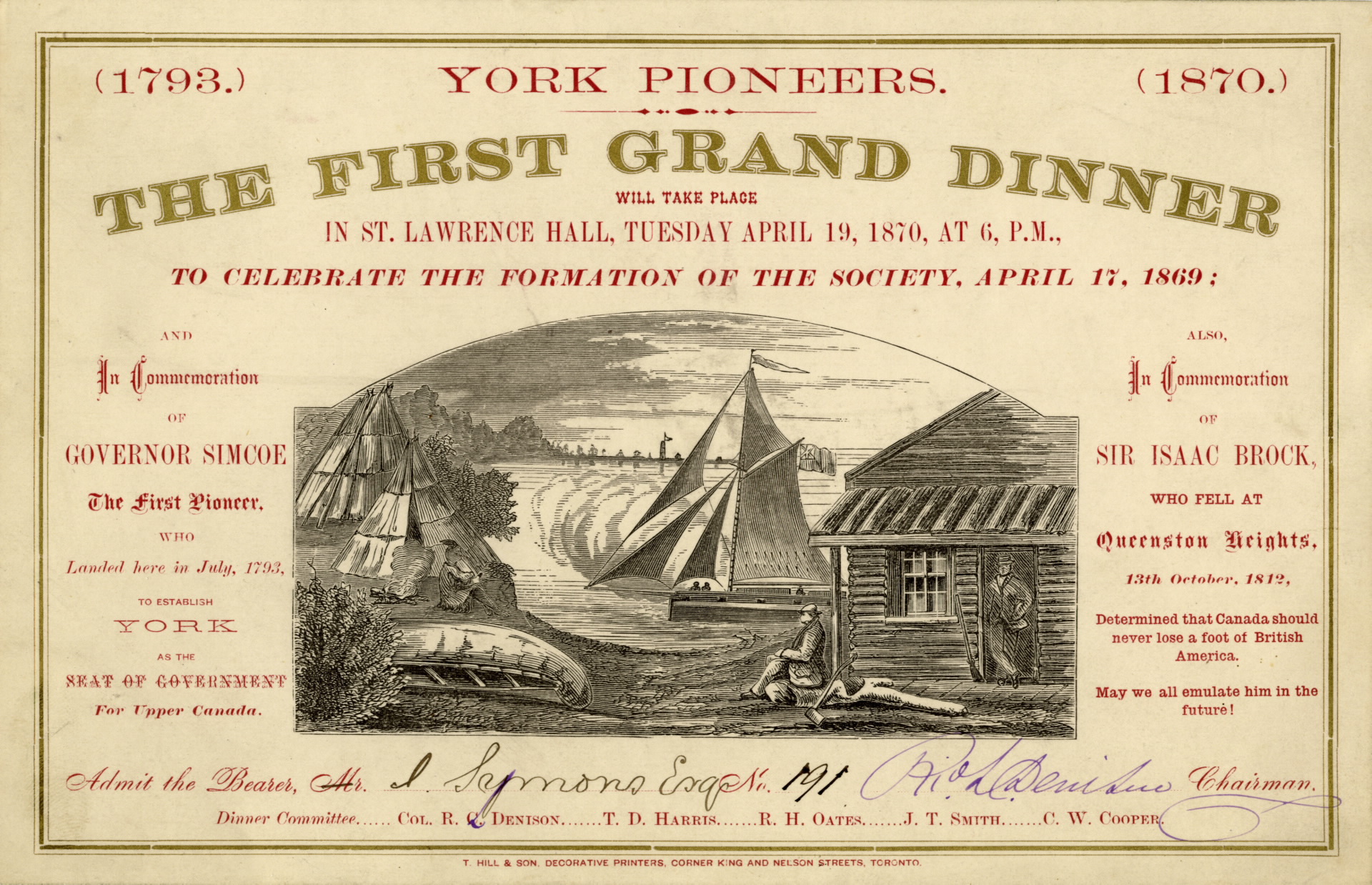
-
Article
Historical Sources
Historians use written, oral and visual sources to develop and support their interpretations of historical events. The historical discipline divides source materials into two categories: primary sources and secondary sources. Both categories are flexible and depend on the subject and era a historian is investigating.
"https://d3d0lqu00lnqvz.cloudfront.net/media/media/58da114a-b3c6-46ec-acb3-f525c1bcca6a.jpg" // resources/views/front/categories/view.blade.php
https://d3d0lqu00lnqvz.cloudfront.net/media/media/58da114a-b3c6-46ec-acb3-f525c1bcca6a.jpg
-
Article
Historical Thinking Concepts
The six “Historical Thinking Concepts” were developed by The Historical Thinking Project, which was led by Dr. Peter Seixas of the University of British Columbia and educational expert Jill Colyer. The project identified six key concepts: historical significance, primary source evidence, continuity and change, cause and consequence, historical perspectives and ethical dimensions. Together, these concepts form the basis of historical inquiry. The project was funded by the Department of Canadian Heritage and The History Education Network (THEN/HiER). Seixas and Tom Morton published a book, The Big Six: Historical Thinking Concepts, that expanded on these concepts.
"https://d3d0lqu00lnqvz.cloudfront.net/media/ht-concepts-en.jpg" // resources/views/front/categories/view.blade.php
https://d3d0lqu00lnqvz.cloudfront.net/media/ht-concepts-en.jpg
-
Article
Historiography
Historiography, the published product of the historian's declared interest in the past; the writing of history. It is not by itself "history," but is by necessity part of the historical record.
"https://d3d0lqu00lnqvz.cloudfront.net/media/media/a75df73a-e1e0-4b27-ba7a-76631cfc6a0e.jpg" // resources/views/front/categories/view.blade.php
https://d3d0lqu00lnqvz.cloudfront.net/media/media/a75df73a-e1e0-4b27-ba7a-76631cfc6a0e.jpg
-
Article
Historiography in English
Canadian historiography in the English language began virtually with British settlement in America. By necessity, it developed regionally, and it was practised by enthusiastic amateurs.
"https://d3d0lqu00lnqvz.cloudfront.net/media/media/c49e83e8-3877-4052-832c-ab1fdd5e4f2b.jpg" // resources/views/front/categories/view.blade.php
https://d3d0lqu00lnqvz.cloudfront.net/media/media/c49e83e8-3877-4052-832c-ab1fdd5e4f2b.jpg
-
Article
Historiography in French
Various descriptive works and narratives dealing with Canada and published in France during the 17th and 18th centuries were entitled "histoires." Although written by Frenchmen who in many cases had only visited New France, these publications profoundly influenced French Canadian historiography.
"https://d3d0lqu00lnqvz.cloudfront.net/media/media/a75df73a-e1e0-4b27-ba7a-76631cfc6a0e.jpg" // resources/views/front/categories/view.blade.php
https://d3d0lqu00lnqvz.cloudfront.net/media/media/a75df73a-e1e0-4b27-ba7a-76631cfc6a0e.jpg
-
Article
History of Acadia
Acadia’s history as a French-speaking colony stretches as far back as the early 17th century. The French settlers who colonized the land and coexisted alongside Indigenous peoples became called Acadians. Acadia was also the target of numerous wars between the French and the English. Ultimately, the colony fell under British rule. Many Acadians were subsequently deported away from Acadia. Over time, as a British colony and then as part of Canada, Acadians increasingly became a linguistic minority. Nonetheless, Acadians have strived to protect their language and identity throughout time.
"https://d3d0lqu00lnqvz.cloudfront.net/media/media/66c056b0-bee3-47a2-9680-5d5a50b5e7eb.jpg" // resources/views/front/categories/view.blade.php
https://d3d0lqu00lnqvz.cloudfront.net/media/media/66c056b0-bee3-47a2-9680-5d5a50b5e7eb.jpg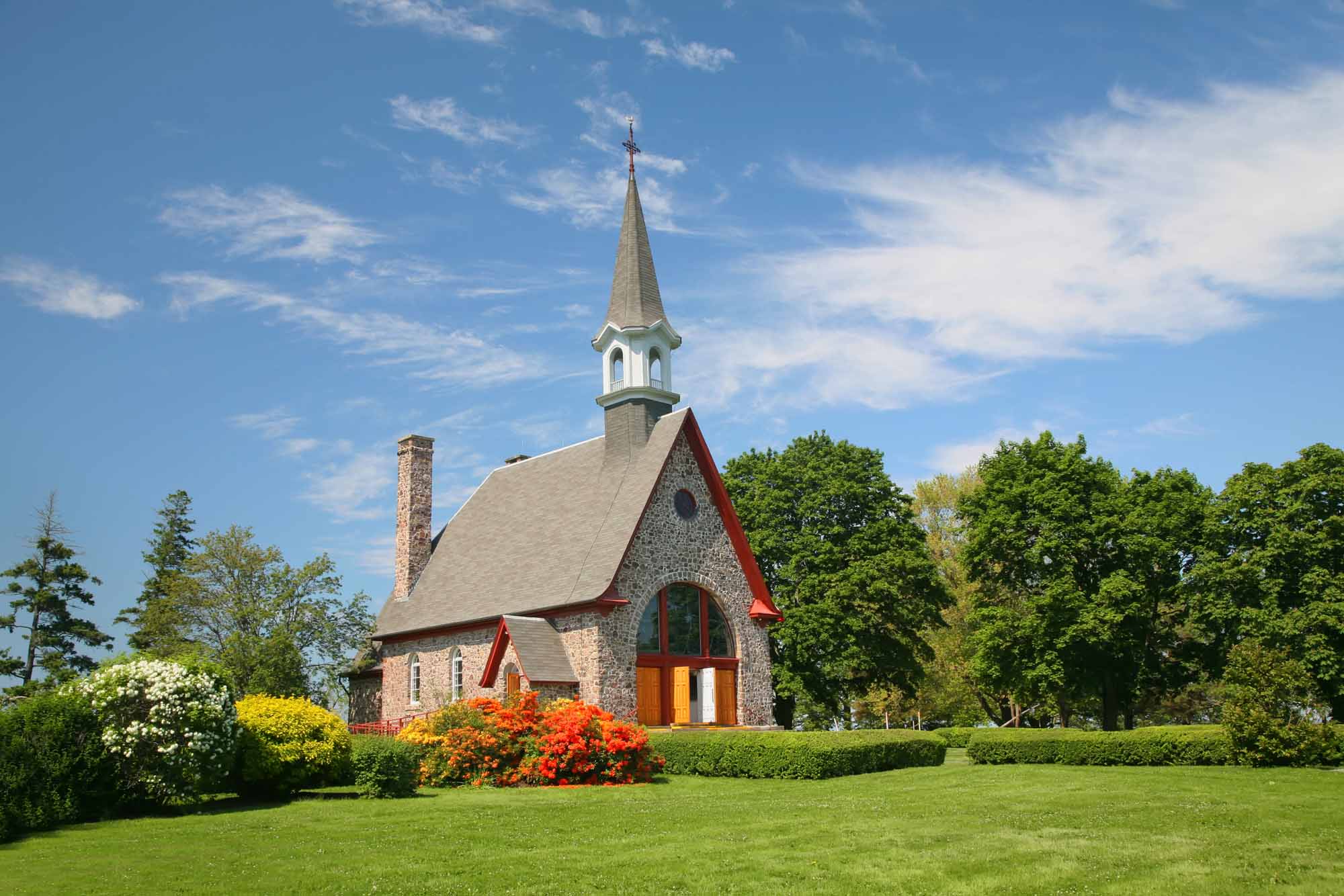
-
Article
History of Agriculture to the Second World War
Canadian agriculture has experienced a markedly distinct evolution in each region of the country. A varied climate and geography have been largely responsible, but, in addition, each region was settled at a different period in Canada's economic and political development. The principal unifying factor has been the role of government: from the colonial era to present, agriculture has been largely state-directed and subordinate to other interests.
"https://d3d0lqu00lnqvz.cloudfront.net/media/media/e1c671ab-3dcf-459c-b108-0bc6e4a86b99.jpg" // resources/views/front/categories/view.blade.php
https://d3d0lqu00lnqvz.cloudfront.net/media/media/e1c671ab-3dcf-459c-b108-0bc6e4a86b99.jpg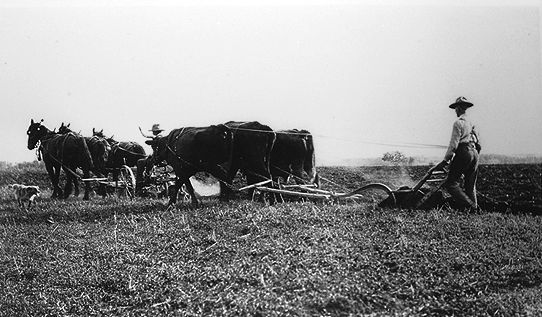
-
Article
History of Birth Control in Canada
Human beings have practised birth control throughout history. However, in 19th-century Canada, this practice was largely forbidden or taboo. It was only in the 1920s that groups of citizens formed to defend birth control. The information, services and products related to this practice became increasingly accessible after the war. During the 1960s, Canada decriminalized contraception and abortion. In the 1970s, the number of organizations and services promoting access to contraception and family planning began to increase. From then on, birth control became an integral part of the public health approach to sexual health.
"https://d3d0lqu00lnqvz.cloudfront.net/media/media/60b165c0-eff9-4770-b2b7-5d78d3be5fe0.jpg" // resources/views/front/categories/view.blade.php
https://d3d0lqu00lnqvz.cloudfront.net/media/media/60b165c0-eff9-4770-b2b7-5d78d3be5fe0.jpg
-
Article
History of Canada in music
A consideration of music which, in retrospect, deals with episodes and personages of Canadian history.
"https://thecanadianencyclopedia.ca/images/tce_placeholder.jpg?v=e9dca980c9bdb3aa11e832e7ea94f5d9" // resources/views/front/categories/view.blade.php
https://thecanadianencyclopedia.ca/images/tce_placeholder.jpg?v=e9dca980c9bdb3aa11e832e7ea94f5d9