Browse "Things"
-
Article
Hemlock Trees in Canada
Hemlock (Tsuga) is a genus of evergreen trees in the Pinaceae family native to North America and central and eastern Asia. At least 10 species of hemlock exist in the world, with only three growing in Canada: the eastern hemlock, western hemlock and mountain hemlock. These trees are often referred to as foundation species, meaning they play a vital role in creating and maintaining the ecosystem in which they reside. For hemlocks, their roles as a food source and habitat for wildlife, as well as their temperature-regulating qualities, make them incredibly valuable.
"https://d3d0lqu00lnqvz.cloudfront.net/oldesttrees/hemlock.jpg" // resources/views/front/categories/view.blade.php
https://d3d0lqu00lnqvz.cloudfront.net/oldesttrees/hemlock.jpg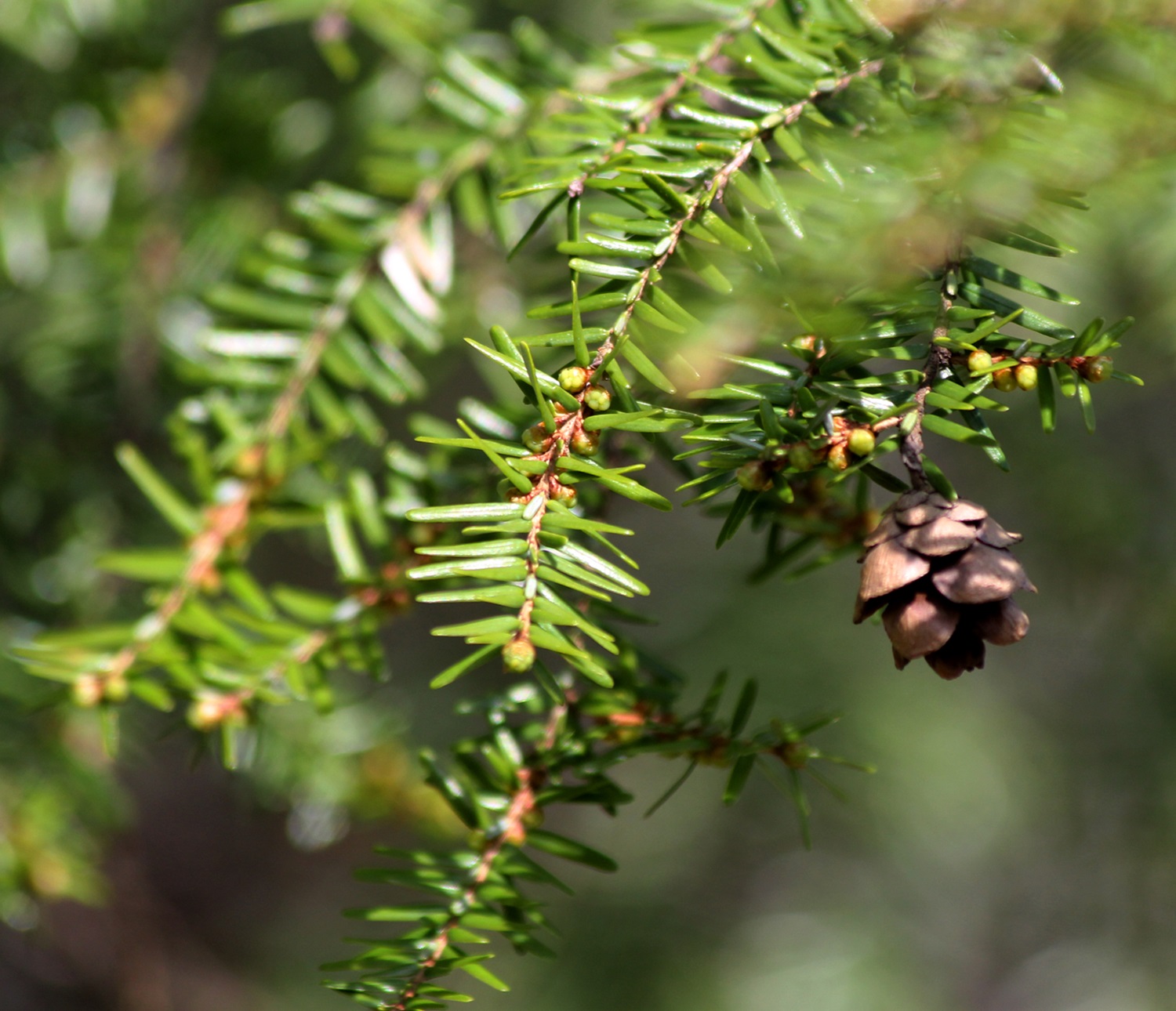
-
Article
Henri J. Breault
Henri Joseph Breault, medical doctor, anti-poisoning advocate (born 4 March 1909 in Tecumseh, ON; died 5 September 1983 in Exeter, ON). Breault is known for spearheading a national campaign to prevent accidental childhood poisonings. He advocated for the development of the Palm-N-Turn, a safety cap that drastically reduced child deaths due to poisoning in Canada and around the world.
"https://d3d0lqu00lnqvz.cloudfront.net/HenriJBreault/hbreaultcmhf-1.jpg" // resources/views/front/categories/view.blade.php
https://d3d0lqu00lnqvz.cloudfront.net/HenriJBreault/hbreaultcmhf-1.jpg
-
Macleans
Hepatitis C Package Controversy
From the moment he first stood in the House of Commons in 1993 as a rookie MP and cabinet minister, Allan Rock claimed to be repulsed by the Kabuki ritual of parliamentary Question Period.
"https://thecanadianencyclopedia.ca/images/tce_placeholder.jpg?v=e9dca980c9bdb3aa11e832e7ea94f5d9" // resources/views/front/categories/view.blade.php
https://thecanadianencyclopedia.ca/images/tce_placeholder.jpg?v=e9dca980c9bdb3aa11e832e7ea94f5d9
-
Article
Heraldry
During the Crusades (11th-13th centuries), the European nations felt the need to identify themselves with crosses of various colours, and at the same time to reduce casualties with improved armour.
"https://thecanadianencyclopedia.ca/images/tce_placeholder.jpg?v=e9dca980c9bdb3aa11e832e7ea94f5d9" // resources/views/front/categories/view.blade.php
https://thecanadianencyclopedia.ca/images/tce_placeholder.jpg?v=e9dca980c9bdb3aa11e832e7ea94f5d9
-
Article
Heraldry Society of Canada
The Royal Heraldry Society of Canada, headquartered in Ottawa, was established in 1966 as the Heraldry Society of Canada to encourage interest in the history and practice of HERALDRY in Canada.
"https://thecanadianencyclopedia.ca/images/tce_placeholder.jpg?v=e9dca980c9bdb3aa11e832e7ea94f5d9" // resources/views/front/categories/view.blade.php
https://thecanadianencyclopedia.ca/images/tce_placeholder.jpg?v=e9dca980c9bdb3aa11e832e7ea94f5d9
-
Article
Herbarium
A herbarium (Lat herba, "herb," formerly any medicinal plant) is a collection of dried specimens of plants mounted on sheets of heavy paper and stored in cabinets or bound in book form, as well as the building that houses such a collection.
"https://thecanadianencyclopedia.ca/images/tce_placeholder.jpg?v=e9dca980c9bdb3aa11e832e7ea94f5d9" // resources/views/front/categories/view.blade.php
https://thecanadianencyclopedia.ca/images/tce_placeholder.jpg?v=e9dca980c9bdb3aa11e832e7ea94f5d9
-
Article
Herbs
Herbs and spices differ largely by usage. Spices are normally more aromatic than herbs, and are often of tropical origin. They may consist of seeds, bark, flower buds, fruits, etc. Herbs are usually leafy and locally grown, and their use extends far back into history.
"https://d3d0lqu00lnqvz.cloudfront.net/media/media/7d61da90-15cd-45d3-9a94-3dca721463a5.jpg" // resources/views/front/categories/view.blade.php
https://d3d0lqu00lnqvz.cloudfront.net/media/media/7d61da90-15cd-45d3-9a94-3dca721463a5.jpg
-
Article
Heritage Canada Foundation
The Heritage Canada Foundationwas established in 1973 under Executive Director R.A.J. Phillips and chairman Hartland M.
"https://thecanadianencyclopedia.ca/images/tce_placeholder.jpg?v=e9dca980c9bdb3aa11e832e7ea94f5d9" // resources/views/front/categories/view.blade.php
https://thecanadianencyclopedia.ca/images/tce_placeholder.jpg?v=e9dca980c9bdb3aa11e832e7ea94f5d9
-
Article
Heritage Conservation
Heritage conservation has assumed a place in contemporary Canadian society because it addresses certain desires, notably for tangible connections to our historical roots and a "sense of place" for those who despair the "anyplace" character of many communities.
"https://d3d0lqu00lnqvz.cloudfront.net/media/media/1ba0fe33-33a6-47ce-af79-eec3df963b06.jpg" // resources/views/front/categories/view.blade.php
https://d3d0lqu00lnqvz.cloudfront.net/media/media/1ba0fe33-33a6-47ce-af79-eec3df963b06.jpg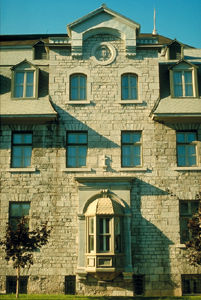
-
Article
Heritage Minutes
The Heritage Minutes collection is a bilingual series of history-focused public service announcements. Each 60-second short film depicts a significant person, event or story in Canadian history. They are produced by Historica Canada, the not-for-profit organization that also publishes this encyclopedia. First released in 1991, the Heritage Minutes have been shown on television, in cinemas and online. They have become a recognizable part of Canadian culture. The collection currently includes 106 episodes.
"https://d3d0lqu00lnqvz.cloudfront.net/media/media/ef617765-aea7-4495-8c0c-0be405231d56.jpg" // resources/views/front/categories/view.blade.php
https://d3d0lqu00lnqvz.cloudfront.net/media/media/ef617765-aea7-4495-8c0c-0be405231d56.jpg
-
Collection
Heritage Minutes
The Heritage Minutes collection is a bilingual series of history-focused public service announcements. Each 60-second short film depicts a significant person, event or story in Canadian history. They are produced by Historica Canada, the not-for-profit organization that also publishes this encyclopedia. First released in 1991, the Heritage Minutes have been shown on television, in cinemas and online. They have become a recognizable part of Canadian culture. The collection currently includes 100 episodes.
"https://d3d0lqu00lnqvz.cloudfront.net/media/media/1bfa3d45-2952-4f79-b7d4-4c6cb6601164.jpg" // resources/views/front/categories/view.blade.php
https://d3d0lqu00lnqvz.cloudfront.net/media/media/1bfa3d45-2952-4f79-b7d4-4c6cb6601164.jpg
-
Article
Heron
The heron (Ardeidae) family of birds comprises 60 species worldwide, 12 in Canada (including true herons, egrets, night herons and bitterns). Most herons are long-legged, long-necked wading birds which look for food (tiny fish, crustaceans, insects, amphibians and reptiles) in shallow fresh or salt water. They have long, rounded, rather broad wings and relatively short tails. They are distinguished from cranes by their position in flight, necks bent and heads supported between their shoulders. All have straight, rather long bills that distinguish them from ibises, which are similar in appearance but have long, curved bills.
"https://d3d0lqu00lnqvz.cloudfront.net/birdclassification/great-blue-heron.jpg" // resources/views/front/categories/view.blade.php
https://d3d0lqu00lnqvz.cloudfront.net/birdclassification/great-blue-heron.jpg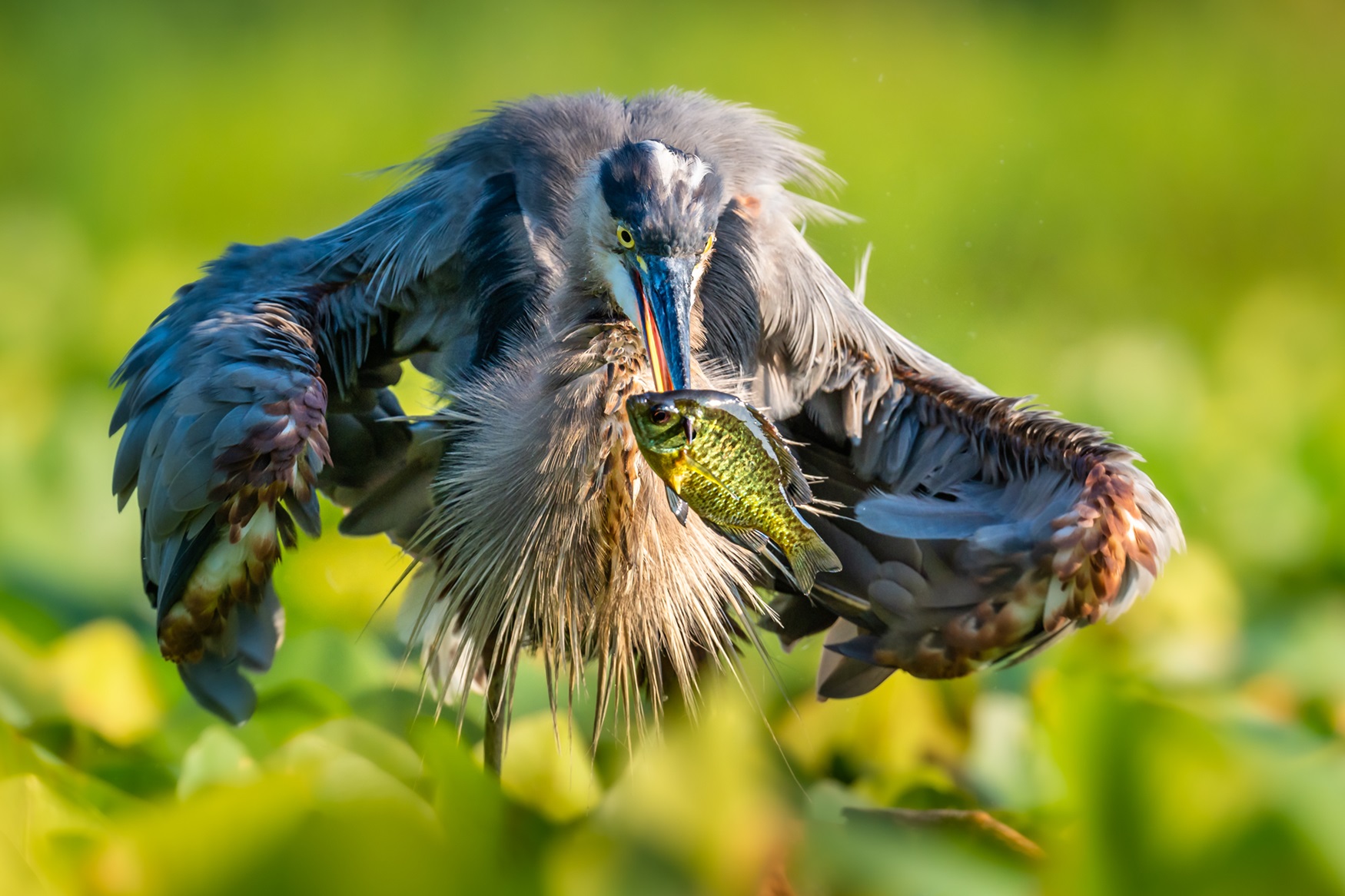
-
"https://d3d0lqu00lnqvz.cloudfront.net/media/media/2280041c-0f68-4bff-b9af-57d165727396.jpg" // resources/views/front/categories/view.blade.php
https://d3d0lqu00lnqvz.cloudfront.net/media/media/2280041c-0f68-4bff-b9af-57d165727396.jpg
-
Macleans
Hi-Tech Education Controversy
The handsome redbrick building, its flag snapping in the breeze, looks every bit the traditional schoolhouse.This article was originally published in Maclean's Magazine on August 26, 1996
"https://thecanadianencyclopedia.ca/images/tce_placeholder.jpg?v=e9dca980c9bdb3aa11e832e7ea94f5d9" // resources/views/front/categories/view.blade.php
https://thecanadianencyclopedia.ca/images/tce_placeholder.jpg?v=e9dca980c9bdb3aa11e832e7ea94f5d9
-
Article
Hiawatha Play
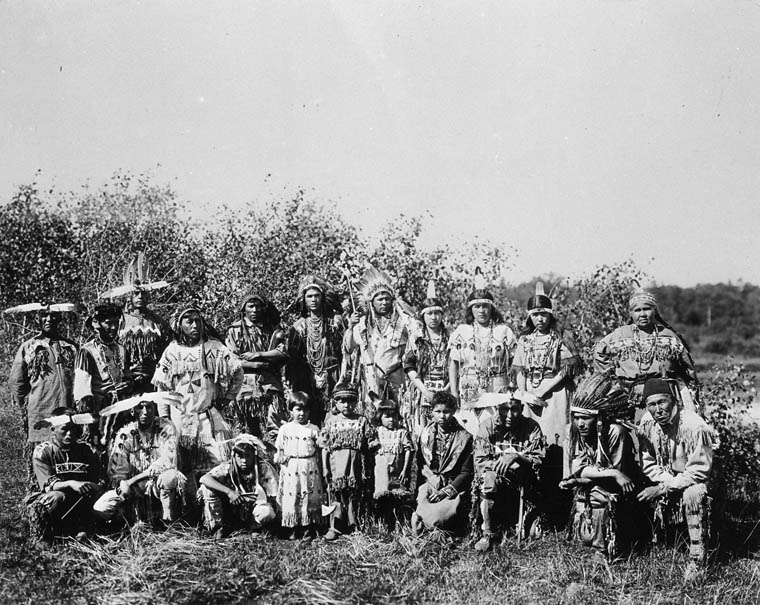
In 1900, the first performance of the Hiawatha Play was undertaken at Kensington Point in Desbarats, Ontario by members of Garden River First Nation. The play was developed by the Canadian Pacific Railway’s colonization agent Louis Olivier Armstrong and Anishinaabe leader George Kaboosa. The Hiawatha Play was performed seasonally in Desbarats from 1900 to 1905. It was relocated to Wayagamug, Michigan, where it was performed from 1905 to 1917 by Anishinaabe, Haudenosaunee and Odawa actors. It also toured, taking the performers to various locales in Canada, the United States, Great Britain and the Netherlands. Performances of the original play by Garden River actors occurred periodically in Sault Ste Marie and at Garden River until at least 1966. Contemporary interpretations of the Hiawatha Play were performed in 2006, 2007 and 2008 at Garden River.
"https://d3d0lqu00lnqvz.cloudfront.net/LOArmstrong/c002685.jpg" // resources/views/front/categories/view.blade.php
https://d3d0lqu00lnqvz.cloudfront.net/LOArmstrong/c002685.jpg