
Browse "Things"
-
Macleans
D-Day Vet's Memorial Centre Opens
GARTH WEBB recounts his fundraising odyssey with bemused fascination, as if luck had everything to do with it. But the story of how the D-Day vet generated $10 million to create a memorial and education centre celebrating Canada's contribution to the SECOND WORLD WAR belies his manner.This article was originally published in Maclean's Magazine on May 26, 2003
"https://thecanadianencyclopedia.ca/images/tce_placeholder.jpg?v=e9dca980c9bdb3aa11e832e7ea94f5d9" // resources/views/front/categories/view.blade.php
https://thecanadianencyclopedia.ca/images/tce_placeholder.jpg?v=e9dca980c9bdb3aa11e832e7ea94f5d9
-
Article
DaimlerChrysler Canada Inc.
DaimlerChrysler Canada Inc., formerly Chrysler Canada Ltd, with its head office in WINDSOR, Ontario, is a major manufacturer and distributor of cars and trucks in Canada. The company manufactures cars and minivans for Canadian, US and export markets.
"https://thecanadianencyclopedia.ca/images/tce_placeholder.jpg?v=e9dca980c9bdb3aa11e832e7ea94f5d9" // resources/views/front/categories/view.blade.php
https://thecanadianencyclopedia.ca/images/tce_placeholder.jpg?v=e9dca980c9bdb3aa11e832e7ea94f5d9
-
Article
Dairy Farming
About 60% of the milk produced is processed into butter, cheese and skim milk powder; the remainder is consumed in liquid form.
"https://d3d0lqu00lnqvz.cloudfront.net/media/media/3ca5cb01-a6f7-4e0f-9563-7c0064380a4f.jpg" // resources/views/front/categories/view.blade.php
https://d3d0lqu00lnqvz.cloudfront.net/media/media/3ca5cb01-a6f7-4e0f-9563-7c0064380a4f.jpg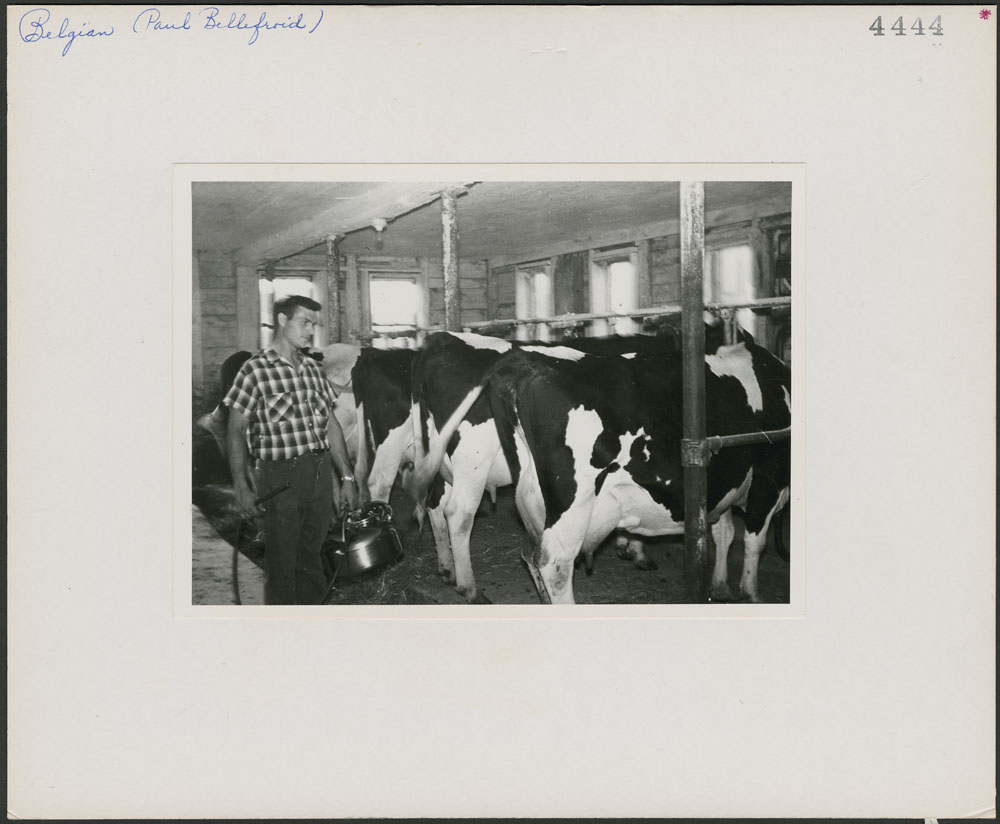
-
Article
Dairy Industry in Canada
Canada's dairy-products industry is made up of companies that process raw milk and cream. Primary products include pasteurized, packaged fluid milk and cream; cheese (natural, process, paste, spreads, curds); condensed, evaporated or powdered milk or cream; creamery butter, butter oil and whey butter; ice cream, ice-cream mix and ice-cream novelties; and frozen desserts (e.g., sherbets, ices). (See also Cheese and Cheese Making.) The industry operates under a supply management system, which controls the supply and stabilizes the price of Canadian dairy. The Canadian dairy manufacturing industry is highly regulated and it complies with regulations set by federal, provincial and industry partners (see Food Legislation).
"https://d3d0lqu00lnqvz.cloudfront.net/dairyindustry/a040598-v8.jpg" // resources/views/front/categories/view.blade.php
https://d3d0lqu00lnqvz.cloudfront.net/dairyindustry/a040598-v8.jpg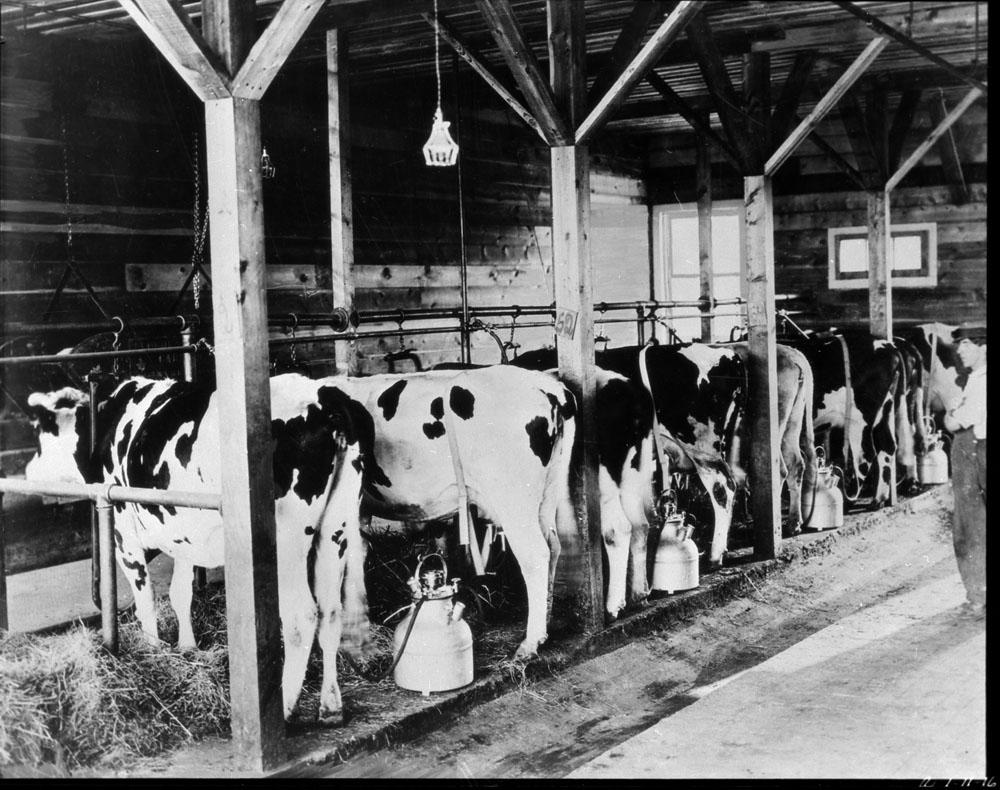
-
Article
Dalhousie University
Its auspicious beginnings were soon marred by governmental indifference and sectarian rivalry. Both the colonial establishment and the college's board of governors were unenthusiastic, favouring instead the precedence of King's College.
"https://thecanadianencyclopedia.ca/images/tce_placeholder.jpg?v=e9dca980c9bdb3aa11e832e7ea94f5d9" // resources/views/front/categories/view.blade.php
https://thecanadianencyclopedia.ca/images/tce_placeholder.jpg?v=e9dca980c9bdb3aa11e832e7ea94f5d9
-
Article
DalTech
DalTech DalTech, previously known as Technical University of Nova Scotia, Halifax, was founded in 1907 by Act of the Nova Scotia Legislature (as Nova Scotia Technical College) and was the result of collaboration by Acadia, Dalhousie, King's College and Mount Allison universities with the Halifax Board of Trade and the Mining Society of Nova Scotia. It was established to afford facilities for scientific research and instruction and professional training in engineering and any other departments...
"https://thecanadianencyclopedia.ca/images/tce_placeholder.jpg?v=e9dca980c9bdb3aa11e832e7ea94f5d9" // resources/views/front/categories/view.blade.php
https://thecanadianencyclopedia.ca/images/tce_placeholder.jpg?v=e9dca980c9bdb3aa11e832e7ea94f5d9
-
Article
Dam
A dam is a structure built across a waterway to control or stop the flow of water. This is called impounding the flow of water. Dams can be built by animals, such as beavers, or constructed by humans. In some cases, they are even formed by natural geological forces.
"https://d3d0lqu00lnqvz.cloudfront.net/media/new_article_images/Dam/Dam.jpg" // resources/views/front/categories/view.blade.php
https://d3d0lqu00lnqvz.cloudfront.net/media/new_article_images/Dam/Dam.jpg
-
Article
Damselfly
Damselfly, thin-bodied, carnivorous insect with 2 pairs of long, membranous, narrow-based wings.
"https://thecanadianencyclopedia.ca/images/tce_placeholder.jpg?v=e9dca980c9bdb3aa11e832e7ea94f5d9" // resources/views/front/categories/view.blade.php
https://thecanadianencyclopedia.ca/images/tce_placeholder.jpg?v=e9dca980c9bdb3aa11e832e7ea94f5d9
-
Article
Dandelion
Dandelions (genus Taraxacum) are perennial, herbaceous plants of the family Asteraceae. Over 1,000 species have been named. Because dandelions reproduce without fertilization, innumerable variants have arisen. The name dandelion comes from the French dent-de-lion, meaning "lion's tooth." Common dandelion (Taraxacum officinale) has many names, including blowball, faceclock, dumble-dor (Newfoundland) and pissenlit (Quebec).
"https://d3d0lqu00lnqvz.cloudfront.net/dandelion/Common_dandelion_-Taraxacum_officinale_in_Finnish_voikukka.jpg" // resources/views/front/categories/view.blade.php
https://d3d0lqu00lnqvz.cloudfront.net/dandelion/Common_dandelion_-Taraxacum_officinale_in_Finnish_voikukka.jpg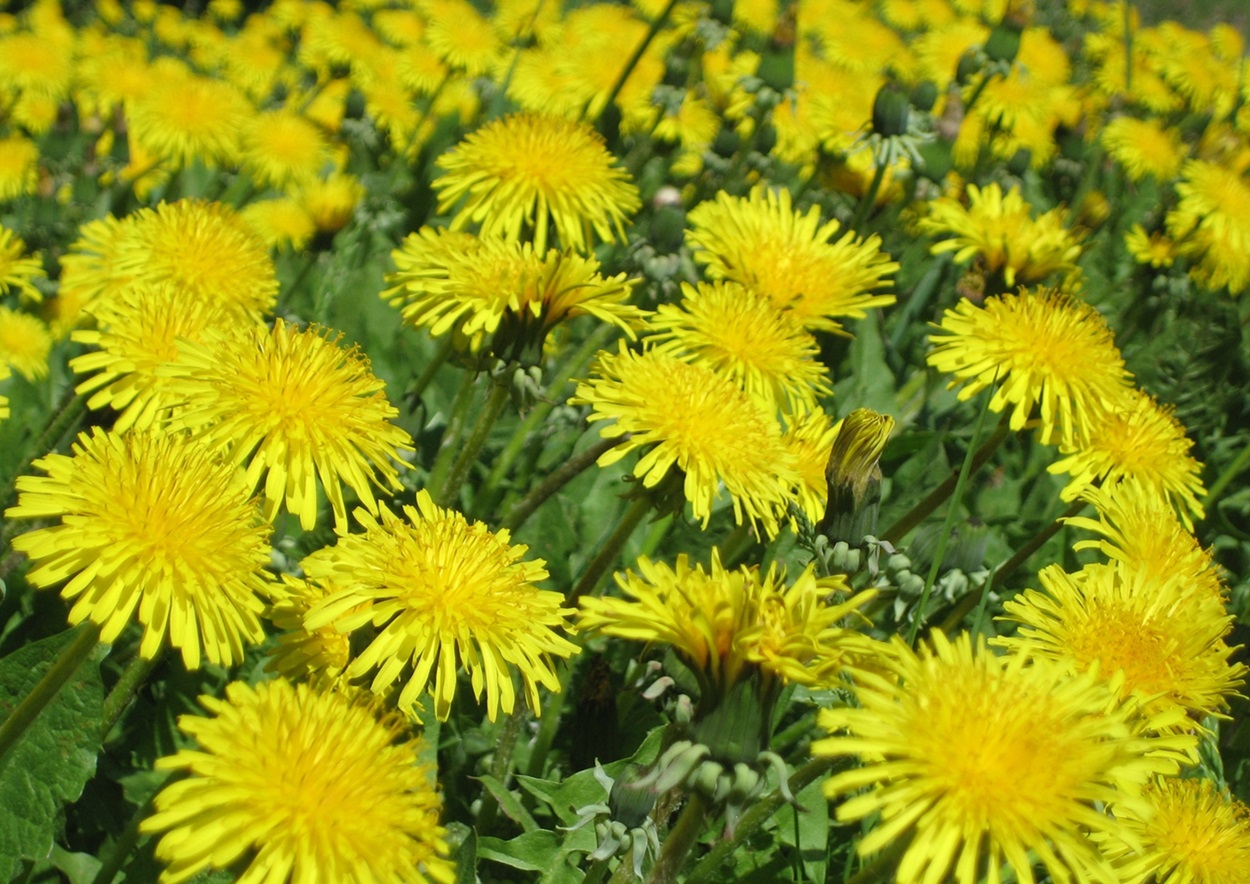
-
Article
Dangerous Offenders
Sentencing in criminal cases serves a variety of purposes, including deterrence, rehabilitation, denunciation and public protection. Purposes predominate depending on, for example, the nature and circumstances of the offence and the offender.
"https://thecanadianencyclopedia.ca/images/tce_placeholder.jpg?v=e9dca980c9bdb3aa11e832e7ea94f5d9" // resources/views/front/categories/view.blade.php
https://thecanadianencyclopedia.ca/images/tce_placeholder.jpg?v=e9dca980c9bdb3aa11e832e7ea94f5d9
-
Article
Daniels Case
On 14 April 2016, the Supreme Court of Canada ruled in Daniels v. Canada that the federal government, rather than provincial governments, holds the legal responsibility to legislate on issues related to Métis and Non-Status Indians. In a unanimous decision, the court found that Métis and Non-Status peoples are considered Indians under section 91(24) of the Constitution Act, 1867 — a section that concerns the federal government’s exclusive legislative powers. Recognition as Indians under this section of law is not the same as Indian Status, which is defined by the Indian Act. Therefore, the Daniels decision does not grant Indian Status to Métis or Non-Status peoples. However, the ruling could result in new discussions, negotiations and possible litigation with the federal government over land claims and access to education, health programs and other government services.
"https://d3d0lqu00lnqvz.cloudfront.net/media/media/7ac02b0f-118b-4ccb-b6dc-81f218b68954.jpg" // resources/views/front/categories/view.blade.php
https://d3d0lqu00lnqvz.cloudfront.net/media/media/7ac02b0f-118b-4ccb-b6dc-81f218b68954.jpg
-
Article
Darke Hall
Performance hall for the Conservatory of Performing Arts (formerly the Regina Conservatory of Music) at the University of Regina, as well as the Regina Symphony Orchestra (1929–70) and the Regina Musical Club (until 2007).
"https://d3d0lqu00lnqvz.cloudfront.net/Darke_Hall.jpg" // resources/views/front/categories/view.blade.php
https://d3d0lqu00lnqvz.cloudfront.net/Darke_Hall.jpg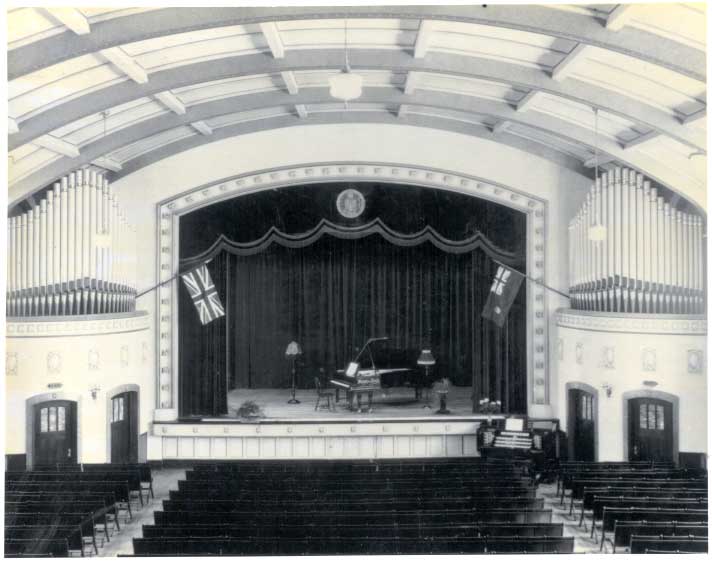
-
Article
Dating in Archaeology
For those researchers working in the field of human history, the chronology of events remains a major element of reflection. Archaeologists have access to various techniques for dating archaeological sites or the objects found on those sites.
"https://d3d0lqu00lnqvz.cloudfront.net/media/media/5f50dd82-a267-475e-8f6b-4e5dcc32b135.jpg" // resources/views/front/categories/view.blade.php
https://d3d0lqu00lnqvz.cloudfront.net/media/media/5f50dd82-a267-475e-8f6b-4e5dcc32b135.jpg
-
"https://thecanadianencyclopedia.ca/images/tce_placeholder.jpg?v=e9dca980c9bdb3aa11e832e7ea94f5d9" // resources/views/front/categories/view.blade.php
https://thecanadianencyclopedia.ca/images/tce_placeholder.jpg?v=e9dca980c9bdb3aa11e832e7ea94f5d9
-
Article
David H. Hubel
David Hunter Hubel, FRS, Nobel Laureate, neurobiologist (born 27 February 1926 in Windsor, ON; died 22 September 2013 in Lincoln, Massachusetts). Dr. David Hubel advanced our understanding of how our eyes transmit and reconstitute the images we see moment by moment to our brains. He was a research scientist who used innovative craftsmanship to design and create the instruments and procedures he used to conduct studies on the visual cortex of the brain. His meticulous observations revolutionized cognitive neuroscience and his pioneering approach to the recording of individual neuronal cells propelled the field forward. Click here for definitions of key terms used in this article.
"https://d3d0lqu00lnqvz.cloudfront.net/davidhubel/davidhubel.jpg" // resources/views/front/categories/view.blade.php
https://d3d0lqu00lnqvz.cloudfront.net/davidhubel/davidhubel.jpg