
Browse "Nature & Geography"
-
Article
Amphibians in Canada
Amphibians are members of a group of tetrapod (four-legged) vertebrate animals derived from fishes and are the common ancestor to mammals and reptiles. Amphibians are characterized by their lack of extraembryonic membranes in their eggs. Amphibians are represented by three living groups: Anura (frogs), Caudata (salamanders) and Gymnophiona (caecilians, tropical, none in Canada).
"https://d3d0lqu00lnqvz.cloudfront.net/jeffersonsalamander/Jefferson-Salamander-Adult.jpg" // resources/views/front/categories/view.blade.php
https://d3d0lqu00lnqvz.cloudfront.net/jeffersonsalamander/Jefferson-Salamander-Adult.jpg
-
Article
Animal Agriculture
Animal agriculture is the practice of breeding animals for the production of animal products and for recreational purposes.
"https://d3d0lqu00lnqvz.cloudfront.net/media/media/723a21ea-1dd8-495d-9842-7cb533bfd984.jpg" // resources/views/front/categories/view.blade.php
https://d3d0lqu00lnqvz.cloudfront.net/media/media/723a21ea-1dd8-495d-9842-7cb533bfd984.jpg
-
Article
Animal Breeding
Domestication was performed through controlled mating and reproduction of captive animals which were selected and mated based on their behaviour and temperament.
"https://d3d0lqu00lnqvz.cloudfront.net/media/media/723a21ea-1dd8-495d-9842-7cb533bfd984.jpg" // resources/views/front/categories/view.blade.php
https://d3d0lqu00lnqvz.cloudfront.net/media/media/723a21ea-1dd8-495d-9842-7cb533bfd984.jpg
-
Article
Animal Disease
The tissues and body fluids of animals are subject to the same types of abnormal structural and functional changes as are those of humans. Causes and circumstances may differ but the disease processes are very similar.
"https://thecanadianencyclopedia.ca/images/tce_placeholder.jpg?v=e9dca980c9bdb3aa11e832e7ea94f5d9" // resources/views/front/categories/view.blade.php
https://thecanadianencyclopedia.ca/images/tce_placeholder.jpg?v=e9dca980c9bdb3aa11e832e7ea94f5d9
-
Article
Animal Issues
Anything involving animals that creates public interest and publicity, no matter how briefly it maintains that interest, may be considered an animal issue.
"https://d3d0lqu00lnqvz.cloudfront.net/media/media/0bc5cdea-4855-4ca6-86fe-ca3705c7c76f.jpg" // resources/views/front/categories/view.blade.php
https://d3d0lqu00lnqvz.cloudfront.net/media/media/0bc5cdea-4855-4ca6-86fe-ca3705c7c76f.jpg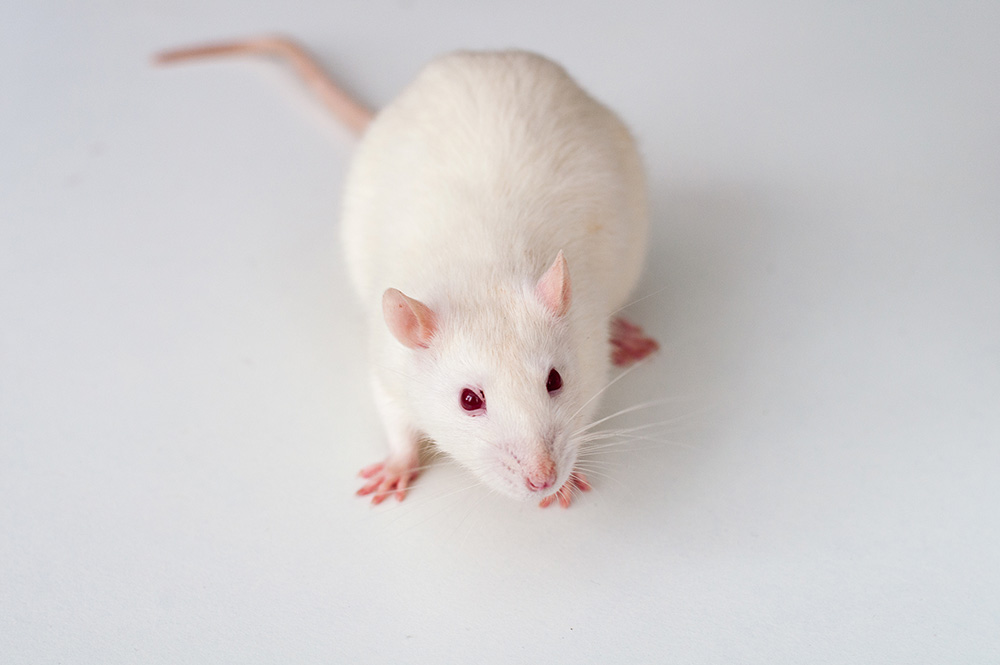
-
Article
Animals in Winter
Winter is the season that begins on 21 December (the winter solstice) and ends on 21 March (the spring Equinox). In Canada, cold and snow are associated with this season. The sun is closest to Earth in January, but it is the sun's radiation striking the land at an oblique angle that makes this season generally cold. The further north, the more oblique this angle becomes, and the colder it gets. Land takes time to cool down in fall and early winter, so the depth of winter does not set in until January, and as Canadians know, winter is by no means over on March 21.
"https://d3d0lqu00lnqvz.cloudfront.net/media/media/40d682a1-b4f6-4cae-b36e-d0ccecd5065c.jpg" // resources/views/front/categories/view.blade.php
https://d3d0lqu00lnqvz.cloudfront.net/media/media/40d682a1-b4f6-4cae-b36e-d0ccecd5065c.jpg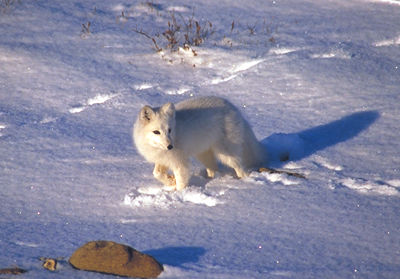
-
Article
Animals Only Found in Canada
Endemic species are species that can be found only in one area of Earth. Canada is home to multiple animals found nowhere else. Given their highly restricted range and often specialized life history, these animals are commonly at risk. While there are many endemic subspecies in Canada (e.g., Peary caribou and wood bison), this list details nine species that can only be found in Canada.
"https://d3d0lqu00lnqvz.cloudfront.net/animalsonlyincanada/salt-marsh-copper.jpg" // resources/views/front/categories/view.blade.php
https://d3d0lqu00lnqvz.cloudfront.net/animalsonlyincanada/salt-marsh-copper.jpg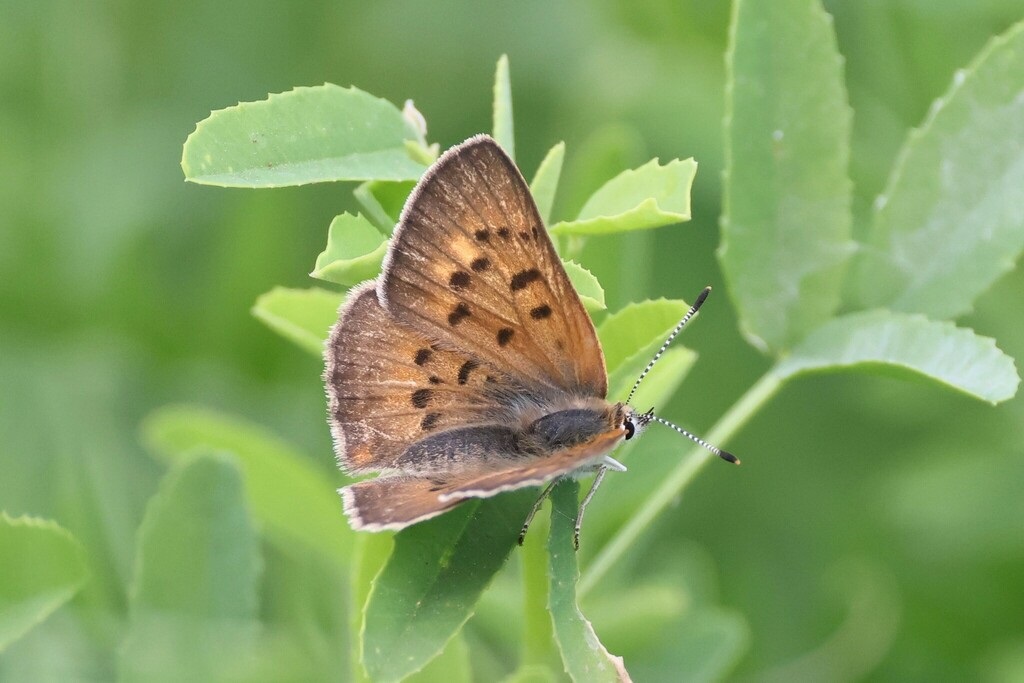
-
Article
Ankylosaurus
Ankylosaurus is a genus of large, armoured dinosaur. It was one of the last non-avian dinosaurs, having lived at the same time as Tyrannosaurus rex, Triceratops and Edmontosaurus annectens at the very end of the Age of Dinosaurs, between 68 and 66 million years ago. Ankylosaurus lived in the northwestern interior of North America, from southcentral Alberta and southern Saskatchewan in the north to Montana, South Dakota and Wyoming in the south. It was the largest representative of a group of herbivorous, armoured dinosaurs called “ankylosaurs," including relatives like Borealopelta, Edmontonia and Euoplocephalus. No complete skeleton of Ankylosaurus has ever been found, but two skulls, ribs, vertebrae, limb bones, armour and one tail club have been discovered.
"https://d3d0lqu00lnqvz.cloudfront.net/ankylosaurus/adult-anky.jpg" // resources/views/front/categories/view.blade.php
https://d3d0lqu00lnqvz.cloudfront.net/ankylosaurus/adult-anky.jpg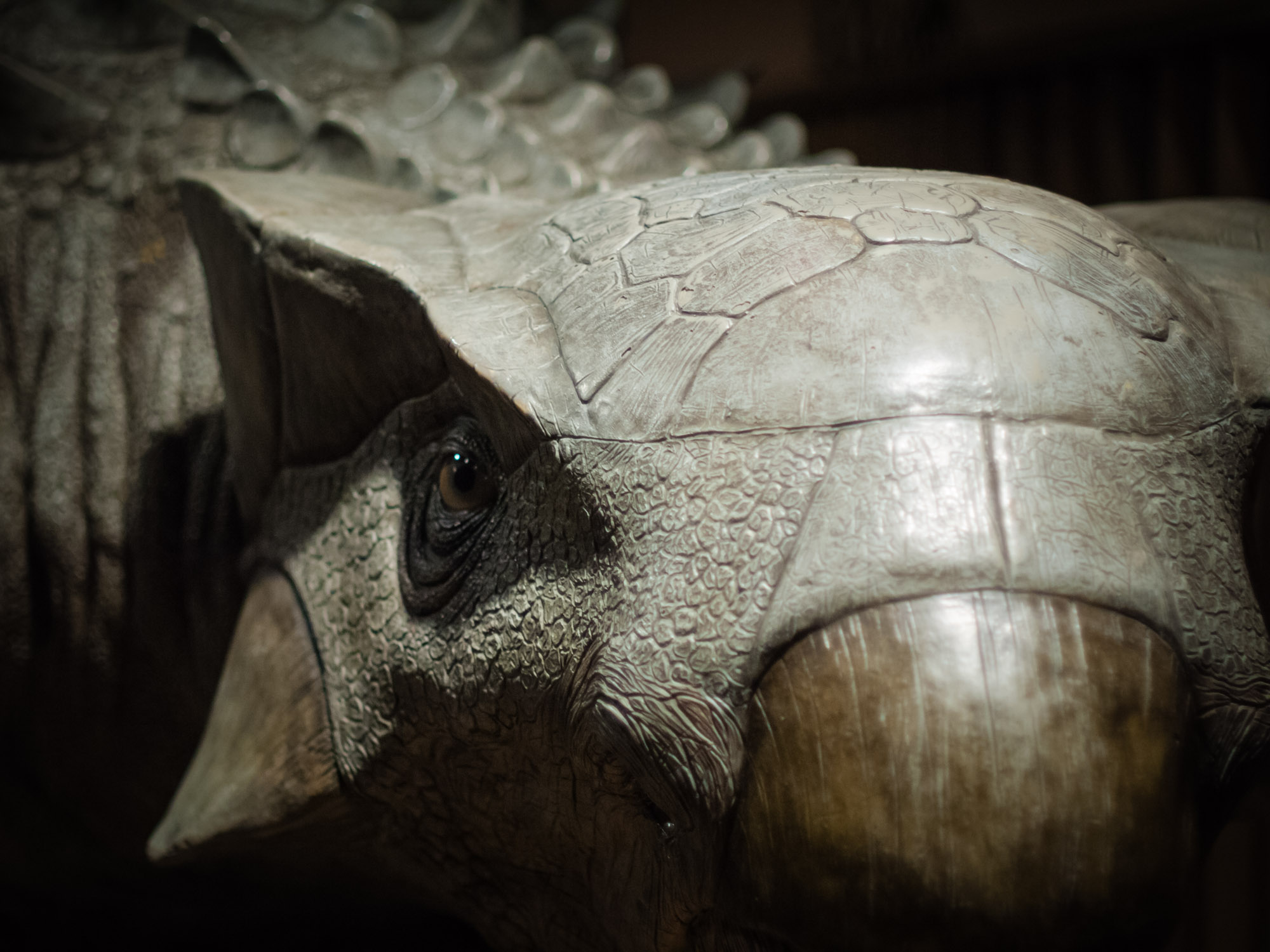
-
Article
Annelida
Annelids are mostly vermiform (worm-shaped), with an anterior (frontal) mouth preceded only by the prostomium, bearing sensory organs; the anus is posterior. Most have bristles (chaetae or setae), usually arranged in 4 groups on each segment.
"https://d3d0lqu00lnqvz.cloudfront.net/media/media/20bc6dfb-ca6b-4940-a009-b7f9d763dac1.jpg" // resources/views/front/categories/view.blade.php
https://d3d0lqu00lnqvz.cloudfront.net/media/media/20bc6dfb-ca6b-4940-a009-b7f9d763dac1.jpg
-
Article
Ant
Ant, common name for small, mostly ground-dwelling social insects of family Formicidae, order Hymenoptera.
"https://thecanadianencyclopedia.ca/images/tce_placeholder.jpg?v=e9dca980c9bdb3aa11e832e7ea94f5d9" // resources/views/front/categories/view.blade.php
https://thecanadianencyclopedia.ca/images/tce_placeholder.jpg?v=e9dca980c9bdb3aa11e832e7ea94f5d9
-
Article
Antimony
Antimony (Sb) is a silvery-white, lustrous, crystalline solid. Uncharacteristically for metals, it is brittle and conducts heat and electricity poorly. Antimony melts at 630°C and boils at 1380°C. The mineral stibnite is the most important source of antimony.
"https://d3d0lqu00lnqvz.cloudfront.net/media/media/4ecfbbad-0ffb-4961-bc83-83e619df823e.jpg" // resources/views/front/categories/view.blade.php
https://d3d0lqu00lnqvz.cloudfront.net/media/media/4ecfbbad-0ffb-4961-bc83-83e619df823e.jpg
-
Article
Apricot
Apricot is the common name for certain members of genus Prunus of the rose family, which produce sweet, round or oblong, nearly smooth fruit (resembling a small peach ), with a large, flat stone. Most cultivars (commercial varieties) originated from the common apricot, Prunus armeniaca. In Canada, apricots are grown primarily in the dry, warm southern interior of British Columbia and in southern Ontario.
"https://d3d0lqu00lnqvz.cloudfront.net/media/media/55dc5bfc-48e3-4779-86de-cc2981e1d1fb.jpg" // resources/views/front/categories/view.blade.php
https://d3d0lqu00lnqvz.cloudfront.net/media/media/55dc5bfc-48e3-4779-86de-cc2981e1d1fb.jpg
-
Article
Arachnida
Arachnida is a large class of chelicerate arthropods (segmented, jointed-limbed animals) including the orders Araneae, Scorpiones, Opiliones, Pseudoscorpiones, Solifugae and the subclass Acari.
"https://d3d0lqu00lnqvz.cloudfront.net/media/media/8eb04cf7-636d-460f-a5d4-bedd5bf6298d.jpg" // resources/views/front/categories/view.blade.php
https://d3d0lqu00lnqvz.cloudfront.net/media/media/8eb04cf7-636d-460f-a5d4-bedd5bf6298d.jpg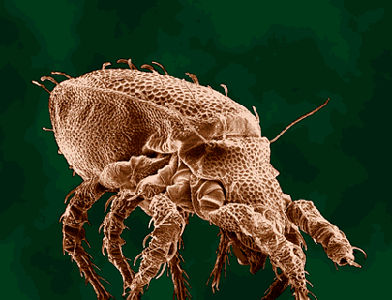
-
Article
Arctic Animals
Arctic animals are those that have adapted physically and behaviourally to the particular conditions of life in the most northerly regions on the planet.
"https://d3d0lqu00lnqvz.cloudfront.net/media/media/76466b5d-e9ad-4752-b340-80f9ba594f83.jpg" // resources/views/front/categories/view.blade.php
https://d3d0lqu00lnqvz.cloudfront.net/media/media/76466b5d-e9ad-4752-b340-80f9ba594f83.jpg
-
Article
Arctic Exploration
Humans have been exploring the North American Arctic for centuries, beginning about 5,000 years ago when Palaeo-Inuit were looking for a homeland, followed by the early Inuit (Thule) — ancestors of the Inuit. European exploration of the same region began with the Norse in the 10th century and, after a short pause, was continued by Englishmen during the Elizabethan era (1558–1603). Over the next several hundred years, explorers ventured to the Arctic in search of resources, scientific knowledge, national prestige, personal fame and a navigable Northwest Passage. The most successful of these explorers adapted to the harsh Arctic environment and adopted the tools and practices of northern Indigenous peoples.
"https://d3d0lqu00lnqvz.cloudfront.net/media/media/638a4852-8110-4fa7-96bd-db84e3e1dcaa.jpg" // resources/views/front/categories/view.blade.php
https://d3d0lqu00lnqvz.cloudfront.net/media/media/638a4852-8110-4fa7-96bd-db84e3e1dcaa.jpg