
Browse "Nature & Geography"
-
Article
Celery
Celery (Apium graveolens var. dulce) is a biennial plant of the Umbelliferae family and it is widely grown as an annual for its nutritious leafstalks.
"https://d3d0lqu00lnqvz.cloudfront.net/media/media/c0a835c8-acb8-48c3-bc72-5ec3cd9b28d8.jpg" // resources/views/front/categories/view.blade.php
https://d3d0lqu00lnqvz.cloudfront.net/media/media/c0a835c8-acb8-48c3-bc72-5ec3cd9b28d8.jpg
-
Article
Centipede
Centipede (class Chilopoda), elongate, flattened terrestrial arthropod. The head bears antennae.
"https://thecanadianencyclopedia.ca/images/tce_placeholder.jpg?v=e9dca980c9bdb3aa11e832e7ea94f5d9" // resources/views/front/categories/view.blade.php
https://thecanadianencyclopedia.ca/images/tce_placeholder.jpg?v=e9dca980c9bdb3aa11e832e7ea94f5d9
-
Article
Cereal Crops
Cereal Crops are members of the grass family grown for their edible starchy seeds. The important cereal crops produced in Canada are wheat, barley, oats, rye and corn.
"https://d3d0lqu00lnqvz.cloudfront.net/media/media/ee4480f5-05e5-41fe-aa30-eb9cbf134135.jpg" // resources/views/front/categories/view.blade.php
https://d3d0lqu00lnqvz.cloudfront.net/media/media/ee4480f5-05e5-41fe-aa30-eb9cbf134135.jpg
-
Article
CESAR
The main objective of the multidisciplinary expedition was to carry out a geological survey of the ridge. Researchers, therefore, brought a veritable geotechnical arsenal to bear on the polar ice to gather seismic, gravimetric, bathymetric and other data.
"https://thecanadianencyclopedia.ca/images/tce_placeholder.jpg?v=e9dca980c9bdb3aa11e832e7ea94f5d9" // resources/views/front/categories/view.blade.php
https://thecanadianencyclopedia.ca/images/tce_placeholder.jpg?v=e9dca980c9bdb3aa11e832e7ea94f5d9
-
Article
Cetacea
Cetacea, order of mammals consisting of whales, dolphins and porpoises. It includes about 80 living species, with worldwide distribution.
"https://d3d0lqu00lnqvz.cloudfront.net/media/media/d1263a8e-8f85-435e-bdc9-53067e86cf75.jpg" // resources/views/front/categories/view.blade.php
https://d3d0lqu00lnqvz.cloudfront.net/media/media/d1263a8e-8f85-435e-bdc9-53067e86cf75.jpg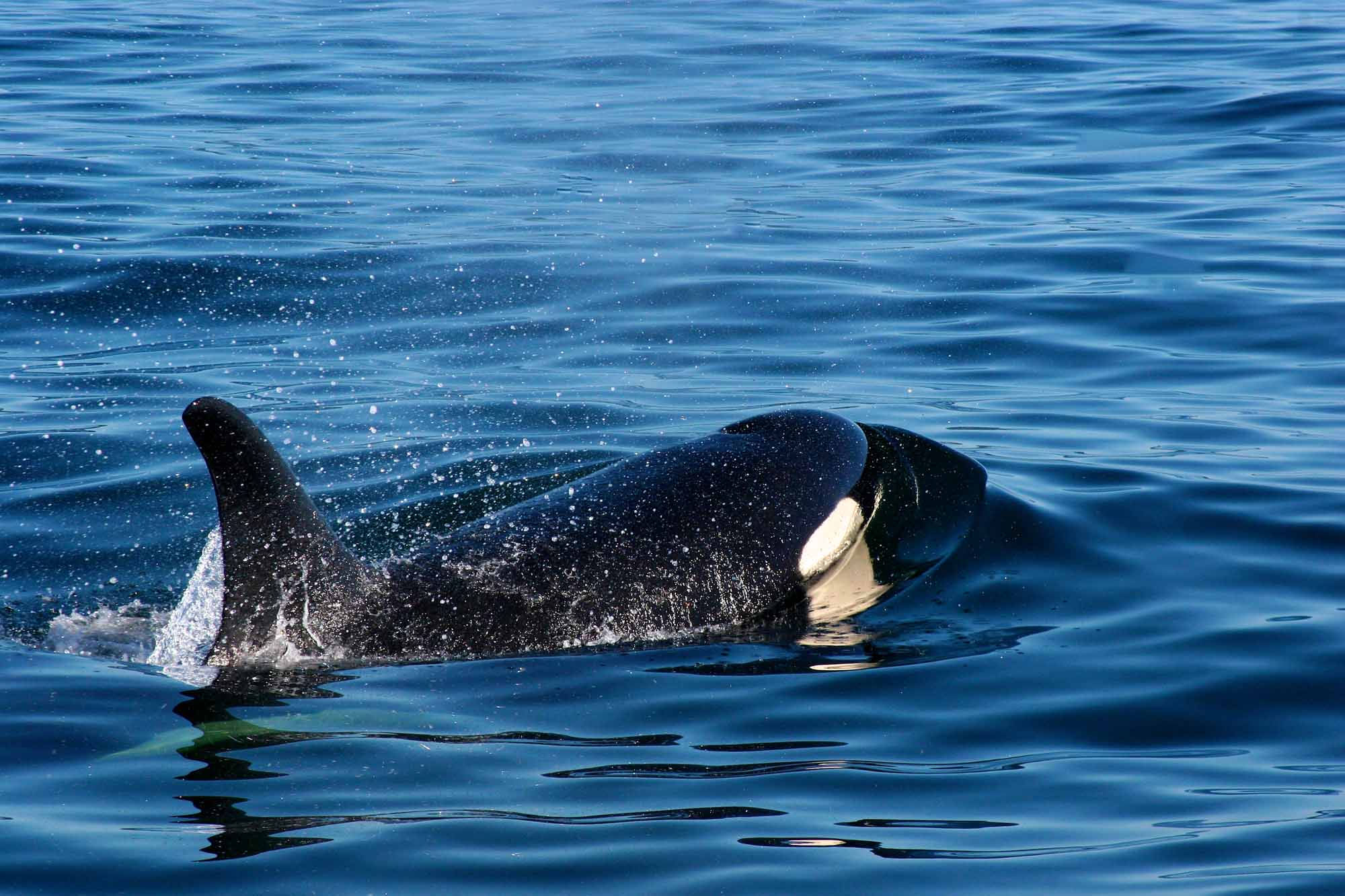
-
Article
Cherry
Cherry is the common name for certain members of genus Prunus of the rose family, which produce small, fleshy, single-stoned fruits. It is now generally accepted that the two species of cherries in world trade are P. avium (sweet cherry) and P. cerasus (sour cherry). Over 90 per cent of the production of sweet cherries is in southern British Columbia (Okanagan, Similkameen and Creston Valleys) and the remaining in southern Ontario (predominately in the Niagara Peninsula).
"https://d3d0lqu00lnqvz.cloudfront.net/media/media/b4da7687-b290-412b-90e3-8ba3b4d789dd.jpg" // resources/views/front/categories/view.blade.php
https://d3d0lqu00lnqvz.cloudfront.net/media/media/b4da7687-b290-412b-90e3-8ba3b4d789dd.jpg
-
Article
Chestnut
Chestnut (Castanea), genus of trees of beech family (Fagaceae). Of 10 known species, one, American chestnut (C. dentata), is indigenous to Canada.
"https://thecanadianencyclopedia.ca/images/tce_placeholder.jpg?v=e9dca980c9bdb3aa11e832e7ea94f5d9" // resources/views/front/categories/view.blade.php
https://thecanadianencyclopedia.ca/images/tce_placeholder.jpg?v=e9dca980c9bdb3aa11e832e7ea94f5d9
-
Article
Chickpea
Chickpea (Cicer arietinum L.) is part of the legume family. The two primary centres of origin for chickpea are Southwest Asia and the Mediterranean, while Ethiopia is a secondary centre of origin.
"https://d3d0lqu00lnqvz.cloudfront.net/media/media/031a5b27-5e03-4c02-a6dc-a39463809850.jpg" // resources/views/front/categories/view.blade.php
https://d3d0lqu00lnqvz.cloudfront.net/media/media/031a5b27-5e03-4c02-a6dc-a39463809850.jpg
-
Article
Chimaera
A chimera, ratfish, or ghost shark is a strange-looking marine fish belonging to the subclass Holocephali, class Chondrichthyes, and thus related to sharks and rays. There are about 25 species (mostly in the family Chimaeridae) that occur in deep or cool waters of most seas. In Canada, three species in three genera (Hydrolagus, Harriotta and Rhinochimaera) occur in Atlantic waters, and one species (Hydrolagus colliei) occurs in Pacific waters.
"https://d3d0lqu00lnqvz.cloudfront.net/media/media/b4d6669d-727d-415a-b083-0a7effa29d92.jpg" // resources/views/front/categories/view.blade.php
https://d3d0lqu00lnqvz.cloudfront.net/media/media/b4d6669d-727d-415a-b083-0a7effa29d92.jpg
-
Article
Chinook
Chinooks are warm, dry, gusty, westerly winds that blow down from the Rocky Mountains into the mountains' eastern slopes and the western prairies. The Chinook belongs to a family of winds experienced in many parts of the world where long mountain chains lie more or less at right angles to the prevailing wind. Examples include the Foehn in Europe, the Zonda in Argentina and the Berg in South Africa. In Canada, the Chinook belt lies almost exclusively within southern and central Alberta.
"https://d3d0lqu00lnqvz.cloudfront.net/media/media/ecf3dcdb-d1d5-49d1-a385-264f348ad3b2.jpg" // resources/views/front/categories/view.blade.php
https://d3d0lqu00lnqvz.cloudfront.net/media/media/ecf3dcdb-d1d5-49d1-a385-264f348ad3b2.jpg
-
"https://d3d0lqu00lnqvz.cloudfront.net/media/media/d73e7f6e-e7f7-411b-bb2d-f330acc11af3.jpg" // resources/views/front/categories/view.blade.php
https://d3d0lqu00lnqvz.cloudfront.net/media/media/d73e7f6e-e7f7-411b-bb2d-f330acc11af3.jpg
-
Article
Chiroptera
Chiroptera is the order of mammals (Mammalia) that includes all bats, living (~1,200 species) and fossil. Among mammals, only the rodents (order Rodentia) have more species than bats. Bats occur almost everywhere in the world except for polar regions and some isolated oceanic islands. Bats are most diverse in the tropics and subtropics.
"https://d3d0lqu00lnqvz.cloudfront.net/batspecies/hoary-bat.jpg" // resources/views/front/categories/view.blade.php
https://d3d0lqu00lnqvz.cloudfront.net/batspecies/hoary-bat.jpg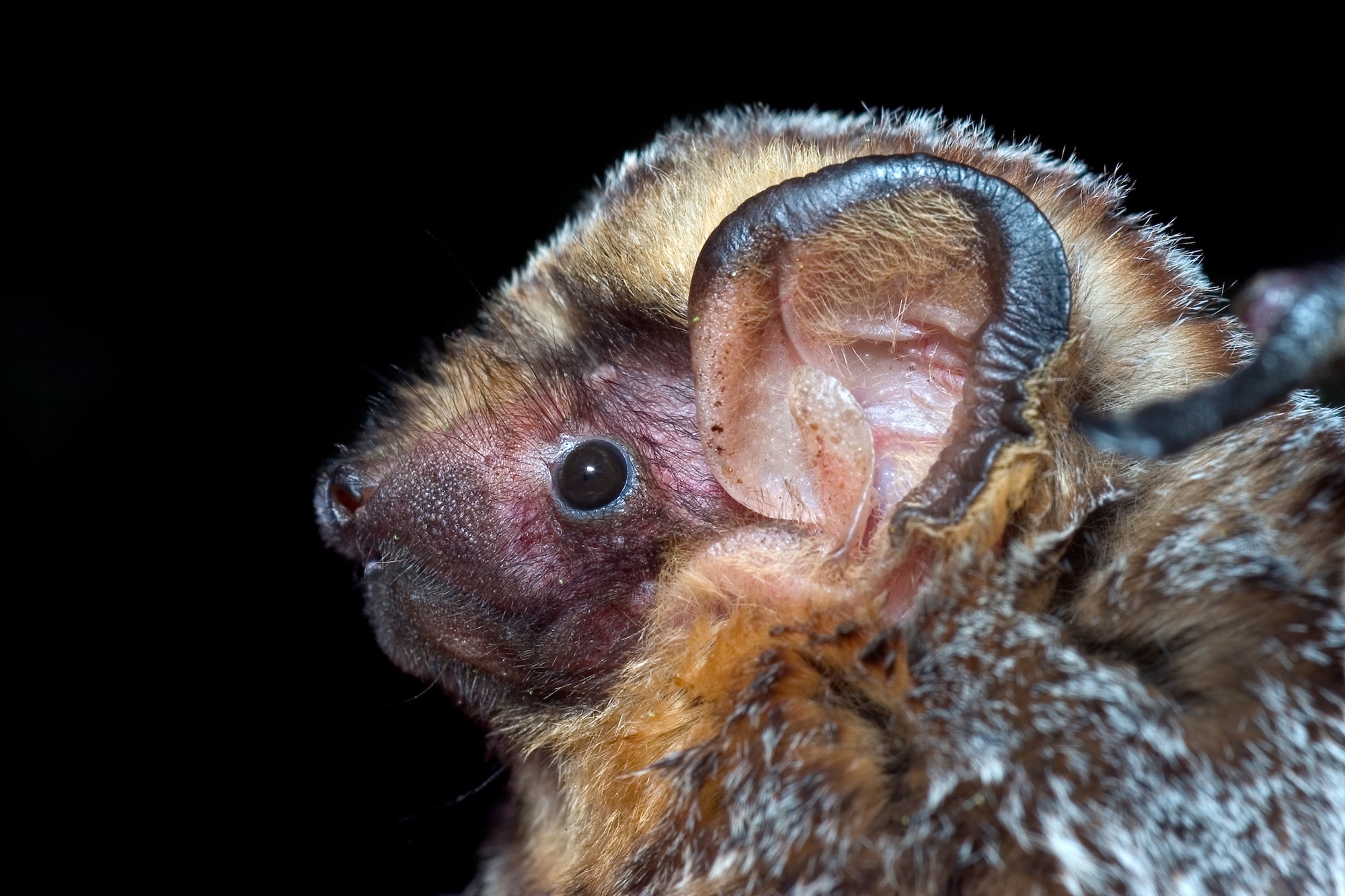
-
Article
Chromium
Chromium (Cr) a hard, brittle, silver-white metal (melting point 1875° C), is widely known for its use as decorative trim on home appliances and automobiles. However, its most important use is in the manufacture of stainless STEEL, which typically contains about 20% chromium.
"https://thecanadianencyclopedia.ca/images/tce_placeholder.jpg?v=e9dca980c9bdb3aa11e832e7ea94f5d9" // resources/views/front/categories/view.blade.php
https://thecanadianencyclopedia.ca/images/tce_placeholder.jpg?v=e9dca980c9bdb3aa11e832e7ea94f5d9
-
Article
City Beautiful Movement
Some historians have noted that the City Beautiful Movement in Canada was hampered by the lack of an integrated philosophy and the absence of an articulate national spokesperson. However, the amateur side of the movement was lively and active on the local scene.
"https://d3d0lqu00lnqvz.cloudfront.net/media/media/a29051d0-2d36-4156-a9d5-8906d37f1ae1.jpg" // resources/views/front/categories/view.blade.php
https://d3d0lqu00lnqvz.cloudfront.net/media/media/a29051d0-2d36-4156-a9d5-8906d37f1ae1.jpg
-
Article
Clam
Clam, common name for any bivalve (hinged shell) mollusc, referring especially to those of economic significance burrowing in beaches or the seafloor.
"https://d3d0lqu00lnqvz.cloudfront.net/media/media/c9f78a20-c1bd-4791-bd8f-fdfe5045e7cb.jpg" // resources/views/front/categories/view.blade.php
https://d3d0lqu00lnqvz.cloudfront.net/media/media/c9f78a20-c1bd-4791-bd8f-fdfe5045e7cb.jpg