
Browse "History"
-
Article
Remembrance Day in Canada
Remembrance Day is a yearly memorial day that is observed in many Commonwealth countries, including Canada, to remember those who died in military service, and honour those who served in wartime. It is observed across Canada each year on 11 November — the anniversary of the Armistice agreement of 1918 that ended the First World War. On Remembrance Day, public ceremonies and church services often include the playing of “Last Post,” a reading of the fourth stanza of the poem “For the Fallen,” and two minutes of silence at 11 a.m. Wreaths are laid at local war memorials and assemblies are held in schools. Millions of Canadians wear red poppy pins in the weeks leading up to and on 11 November in remembrance. In 2020 and 2021, Remembrance Day services and events were affected by the COVID-19 pandemic. Many events were either held online, cancelled or limited to a small number of participants due to fear of contagion.
"https://d3d0lqu00lnqvz.cloudfront.net/media/media/064a5591-1989-4fac-b81e-7bd9099c8053.jpg" // resources/views/front/categories/view.blade.php
https://d3d0lqu00lnqvz.cloudfront.net/media/media/064a5591-1989-4fac-b81e-7bd9099c8053.jpg
-
Article
Remembrance Day Poppy
The red poppy is a symbol of Remembrance Day that was inspired by the poem “In Flanders Fields,” written by Lieutenant-Colonel John McCrae. Canada officially adopted the poppy as a symbol of remembrance in 1921. Red poppy pins are sold by the Royal Canadian Legion and worn by millions of Canadians in the weeks leading up to and on 11 November.
"https://d3d0lqu00lnqvz.cloudfront.net/media/media/064a5591-1989-4fac-b81e-7bd9099c8053.jpg" // resources/views/front/categories/view.blade.php
https://d3d0lqu00lnqvz.cloudfront.net/media/media/064a5591-1989-4fac-b81e-7bd9099c8053.jpg
-
Editorial
Andrew Mynarski's Thirteenth Mission
The following article is an editorial written by The Canadian Encyclopedia staff. Editorials are not usually updated.
"https://d3d0lqu00lnqvz.cloudfront.net/media/media/b05b4a40-de07-4dba-aca6-b02911771b6d.jpg" // resources/views/front/categories/view.blade.php
https://d3d0lqu00lnqvz.cloudfront.net/media/media/b05b4a40-de07-4dba-aca6-b02911771b6d.jpg
-
Article
Rep by Pop
Representation by population is a political system in which seats in a legislature are allocated on the basis of population. It upholds a basic principle of parliamentary democracy that all votes should be counted equally. Representation by population was a deeply divisive issue among politicians in the Province of Canada (1841–67). Nicknamed “rep by pop,” it became an important consideration in the lead up to Confederation. (See also: Representative Government; Responsible Government.)
"https://d3d0lqu00lnqvz.cloudfront.net/media/media/bf6a8447-8306-4749-bb63-2f6129eb20a6.jpg" // resources/views/front/categories/view.blade.php
https://d3d0lqu00lnqvz.cloudfront.net/media/media/bf6a8447-8306-4749-bb63-2f6129eb20a6.jpg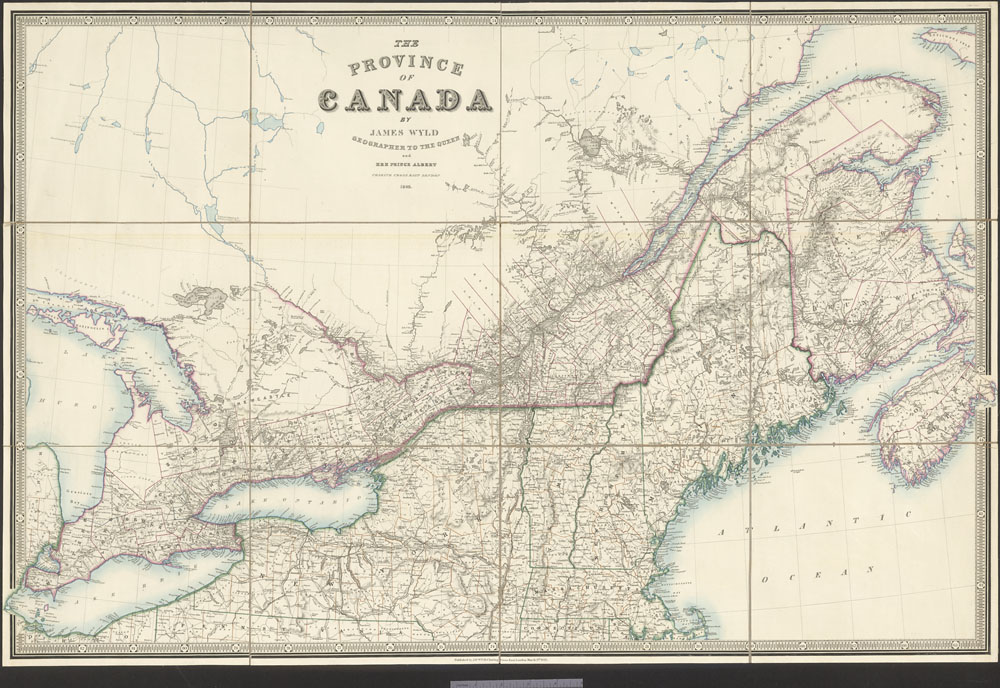
-
Article
Rep by Pop (Plain-Language Summary)
Representation by population (or “rep by pop”) is a political system. It is when seats in a legislature are assigned based on population. This upholds a basic idea of democracy that all votes should be counted equally. Rep by pop was a deeply divisive issue in the Province of Canada (1841–67). It became an important factor in Confederation. This article is a plain-language summary of Rep by Pop. If you would like to read about this topic in more depth, please see our full-length entry: Rep by Pop.
"https://d3d0lqu00lnqvz.cloudfront.net/media/media/bf6a8447-8306-4749-bb63-2f6129eb20a6.jpg" // resources/views/front/categories/view.blade.php
https://d3d0lqu00lnqvz.cloudfront.net/media/media/bf6a8447-8306-4749-bb63-2f6129eb20a6.jpg
-
Article
Repatriation of Artifacts
Most Indigenous ethnology collections found in Canadian museums today were gathered (and sometimes confiscated) by missionaries, government agents, amateur and professional collectors and anthropologists such as Edward Sapir and Marius Barbeau during the late 1800s and early 1900s. Today, many Indigenous nations are requesting that these items be returned to their true home.
"https://d3d0lqu00lnqvz.cloudfront.net/media/Twitter_Cards/repatriation.jpg" // resources/views/front/categories/view.blade.php
https://d3d0lqu00lnqvz.cloudfront.net/media/Twitter_Cards/repatriation.jpg
-
Article
Repeal Movement
In 1867 many Nova Scotians were reluctant to endorse CONFEDERATION. In the elections of Sept 1867 anti-Confederates captured 36 of 38 seats in the local legislature, and 18 of 19 seats in the Dominion Parliament.
"https://thecanadianencyclopedia.ca/images/tce_placeholder.jpg?v=e9dca980c9bdb3aa11e832e7ea94f5d9" // resources/views/front/categories/view.blade.php
https://thecanadianencyclopedia.ca/images/tce_placeholder.jpg?v=e9dca980c9bdb3aa11e832e7ea94f5d9
-
Article
Representing the Home Front: The Women of the Canadian War Memorials Fund
While they may not have had access to the battlefields, a number of Canadian women artists made their mark on the visual culture of the First World War by representing the home front. First among these were the women affiliated with the Canadian War Memorials Fund, Canada’s first official war art program. Founded in 1916, the stated goal of the Fund was to provide “suitable Memorials in the form of Tablets, Oil-Paintings, etc. […], to the Canadian Heroes and Heroines in the War.” Expatriates Florence Carlyle and Caroline Armington participated in the program while overseas. Artists Henrietta Mabel May, Dorothy Stevens, Frances Loringand Florence Wyle were commissioned by the Fund to visually document the war effort in Canada.
"https://d3d0lqu00lnqvz.cloudfront.net/media/media/c5bd4814-1974-4a38-b0bf-006c4ec26687.jpg" // resources/views/front/categories/view.blade.php
https://d3d0lqu00lnqvz.cloudfront.net/media/media/c5bd4814-1974-4a38-b0bf-006c4ec26687.jpg
-
Article
Resistance and Residential Schools
Residential schools were government-sponsored religious schools that many Indigenous children were forced to attend. They were established to assimilate Indigenous children into Euro-Canadian culture. Indigenous parents and children did not simply accept the residential-school system. Indigenous peoples fought against – and engaged with – the state, schools and other key players in the system. For the duration of the residential-school era, parents acted in the best interests of their children and communities. The children responded in ways that would allow them to survive.
"https://d3d0lqu00lnqvz.cloudfront.net/ResistanceandResidentialSchools/a101771-v8.jpg" // resources/views/front/categories/view.blade.php
https://d3d0lqu00lnqvz.cloudfront.net/ResistanceandResidentialSchools/a101771-v8.jpg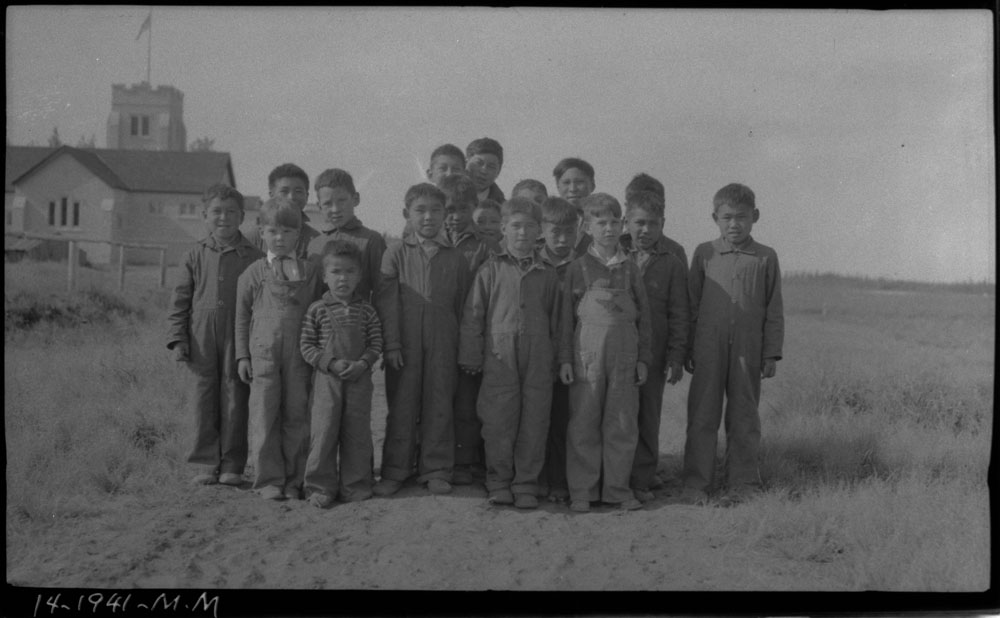
-
Article
Revolutionary Industrial Unionism
Revolutionary industrial unionism, or syndicalism, a broad international movement dedicated to organizing all workers into single, unified labour organizations designed to overthrow the capitalist system by means of industrial actions, including the general strike.
"https://thecanadianencyclopedia.ca/images/tce_placeholder.jpg?v=e9dca980c9bdb3aa11e832e7ea94f5d9" // resources/views/front/categories/view.blade.php
https://thecanadianencyclopedia.ca/images/tce_placeholder.jpg?v=e9dca980c9bdb3aa11e832e7ea94f5d9
-
Article
Revue d'histoire de l'Amérique française
La Revue d'histoire de l'Amérique française was founded in 1947 by Lionel GROULX, professor of history at U de Montréal.
"https://d3d0lqu00lnqvz.cloudfront.net/media/media/6e559a82-fa39-4e67-8505-cd188e83d9d0.jpg" // resources/views/front/categories/view.blade.php
https://d3d0lqu00lnqvz.cloudfront.net/media/media/6e559a82-fa39-4e67-8505-cd188e83d9d0.jpg
-
Article
Rights Revolution in Canada
The time between the end of the Second World War and the signing of the Canadian Charter of Rights and Freedoms in 1982 is often referred to as the Rights Revolution in Canada. During this period, awareness of and support for human rights increased. At the grassroots level, women, queer communities, Indigenous peoples, and disability activists pushed for greater inclusion and made significant rights gains. At the same time, both federal and provincial governments passed laws that prohibited discrimination and protected human rights for more people across Canada.
"https://d3d0lqu00lnqvz.cloudfront.net/media/media/60a22170-8899-482c-a931-09f5860302dd.jpg" // resources/views/front/categories/view.blade.php
https://d3d0lqu00lnqvz.cloudfront.net/media/media/60a22170-8899-482c-a931-09f5860302dd.jpg
-
Macleans
Robillard Wins By-election
It took only days for Lucienne Robillard to launch the fight of her political career - and a new job as the federal Liberal government's voice in Quebec.This article was originally published in Maclean's Magazine on February 27, 1995
"https://thecanadianencyclopedia.ca/images/tce_placeholder.jpg?v=e9dca980c9bdb3aa11e832e7ea94f5d9" // resources/views/front/categories/view.blade.php
https://thecanadianencyclopedia.ca/images/tce_placeholder.jpg?v=e9dca980c9bdb3aa11e832e7ea94f5d9
-
Article
Robinson Treaties of 1850
In September 1850, the Anishinaabeg (Ojibwe) of the Upper Great Lakes signed two separate but interconnected treaties: the Robinson-Superior Treaty (RST) and Robinson-Huron Treaty (RHT). These agreements provided the Province of Canada (Canada East and Canada West, the future Quebec and Ontario) access to the north shores of Lake Huron and Lake Superior for settlement and mineral extraction. In exchange, the Indigenous peoples in the region gained recognition of hunting and fishing rights, an annuity (annual payment), and a reservation from the surrender of specific lands for each signatory community. Interpretation of the Robinson treaties have had a legal and socioeconomic impact on Indigenous and settler communities, and they established precedents for the subsequent Numbered Treaties.
"https://d3d0lqu00lnqvz.cloudfront.net/media/new_article_images/RobinsonTreatiesof1850/Robinson_Treaties_Lands_Returned.jpg" // resources/views/front/categories/view.blade.php
https://d3d0lqu00lnqvz.cloudfront.net/media/new_article_images/RobinsonTreatiesof1850/Robinson_Treaties_Lands_Returned.jpg
-
Macleans
Romanow Re-elected
Perhaps it should have been surprising. After all, it has been fashionable so far this year to elect Conservative provincial governments, with Tories winning in Manitoba and Ontario.This article was originally published in Maclean's Magazine on July 1, 1995
"https://thecanadianencyclopedia.ca/images/tce_placeholder.jpg?v=e9dca980c9bdb3aa11e832e7ea94f5d9" // resources/views/front/categories/view.blade.php
https://thecanadianencyclopedia.ca/images/tce_placeholder.jpg?v=e9dca980c9bdb3aa11e832e7ea94f5d9