
Browse "Communities & Sociology"
-
Article
Same-Sex Marriage in Canada
In 2003, Ontario and British Columbia became the first two provinces to legalize same-sex marriage. The federal Civil Marriage Act came into force on 20 July 2005, making same-sex marriage legal across Canada. Canada became the third country to permit same-sex marriages, after the Netherlands (2000) and Belgium (2003). Since then, all provinces in Canada have recognized same-sex marriages. Marriage itself falls under federal jurisdiction in Canada. But the provinces regulate the solemnization of marriage (the formal ceremony that is either civil or religious). They also grant marriage licenses. The Supreme Court has ruled that under the Charter of Rights and Freedoms, a religious official cannot be legally compelled to perform same-sex marriages if it is contrary to their religious beliefs.
"https://d3d0lqu00lnqvz.cloudfront.net/media/media/46a3c4ec-a503-4e72-bba8-c78f5fcd885a.jpg" // resources/views/front/categories/view.blade.php
https://d3d0lqu00lnqvz.cloudfront.net/media/media/46a3c4ec-a503-4e72-bba8-c78f5fcd885a.jpg
-
Article
SARS in Canada
Canada experienced an outbreak of severe acute respiratory syndrome (SARS) in 2003. Most of the infections originated in Toronto hospitals. The outbreak led to the quarantine of thousands, killed 44 people and took an economic toll on Toronto. It also exposed the country’s ill-prepared health-care system. Confusion around SARS fuelled an uptick in anti-Asian racism and anti-immigrant sentiment. Click here for definitions of key terms used in this article.
"https://d3d0lqu00lnqvz.cloudfront.net/media/Twitter_Cards/SARS_twitter_card.jpg" // resources/views/front/categories/view.blade.php
https://d3d0lqu00lnqvz.cloudfront.net/media/Twitter_Cards/SARS_twitter_card.jpg
-
Article
Saskatchewan Bill of Rights
The Saskatchewan Bill of Rights came into force on 1 May 1947. Written primarily by lawyer and human rights advocate Morris Shumiatcher, it was enacted by the CCF government led by Premier Tommy Douglas. While critics have debated its efficacy, it remains important because it was Canada’s first bill of rights; it predated the Canadian Bill of Rights (1960), Quebec’s Charter of Human Rights and Freedoms (1975) and the Canadian Charter of Rights and Freedoms (1982).
"https://d3d0lqu00lnqvz.cloudfront.net/media/media/70c52f68-faf0-4d61-b849-c0bf34342d19.jpg" // resources/views/front/categories/view.blade.php
https://d3d0lqu00lnqvz.cloudfront.net/media/media/70c52f68-faf0-4d61-b849-c0bf34342d19.jpg
-
Article
Sault-au-Cochon Tragedy
The Sault-au-Cochon tragedy (9 September 1949) was the first attack against civil aviation in North America. A Canadian Pacific Airlines DC-3 exploded mid-flight 65 kilometres east of Québec, killing 23 people.
"https://thecanadianencyclopedia.ca/images/tce_placeholder.jpg?v=e9dca980c9bdb3aa11e832e7ea94f5d9" // resources/views/front/categories/view.blade.php
https://thecanadianencyclopedia.ca/images/tce_placeholder.jpg?v=e9dca980c9bdb3aa11e832e7ea94f5d9
-
Article
Scouts Canada
The scouting movement was founded in England in 1907 by Robert Baden-Powell, then a lieutenant-general in the British army.
"https://d3d0lqu00lnqvz.cloudfront.net/media/media/b522921b-14cb-4122-b61f-eadba6f9370c.jpg" // resources/views/front/categories/view.blade.php
https://d3d0lqu00lnqvz.cloudfront.net/media/media/b522921b-14cb-4122-b61f-eadba6f9370c.jpg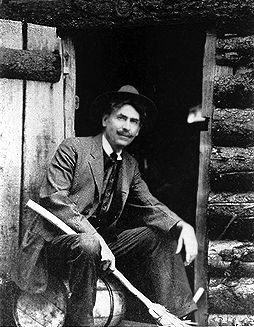
-
Article
The École Polytechnique Tragedy: Beyond the Duty of Remembrance
Every year on 6 December, the National Day of Remembrance and Action on Violence Against Women, the women who lost their lives in the massacre are remembered. While flags are flown at half-mast, vigils, conferences and demonstrations are held in remembrance. Despite these efforts, assigning meaning to the shooting has stirred controversy — and continues to do so.
"https://d3d0lqu00lnqvz.cloudfront.net/media/media/db65ff84-c99c-48be-89f0-caa2e6796d7b.jpg" // resources/views/front/categories/view.blade.php
https://d3d0lqu00lnqvz.cloudfront.net/media/media/db65ff84-c99c-48be-89f0-caa2e6796d7b.jpg
-
Article
Secret Societies in Canada
Secret Societies Secret societies are sometimes seen as religious, philosophical or spiritual sects that confer upon their initiates a certain mystery; the mystery is patiently and meticulously maintained and gradually made accessible, in succeeding stages, through the performance of secret rites designed to purify the fortunate elect. At other times, secret societies are seen as seditious political organizations, clandestine economic associations, criminal groups, ideological movements with revolutionary intentions, or occult interest groups. They may also...
"https://d3d0lqu00lnqvz.cloudfront.net/media/media/d0ed9f42-220c-41cd-9b89-2f0b58d51f0c.jpg" // resources/views/front/categories/view.blade.php
https://d3d0lqu00lnqvz.cloudfront.net/media/media/d0ed9f42-220c-41cd-9b89-2f0b58d51f0c.jpg
-
Article
Sexual Abuse of Children
Sexual abuse of children has been defined in Ontario as abuse that includes "any sexual intercourse, sexual molestation, exhibitionism or sexual exploitation involving a child that could be a violation of the Criminal Code or render the child in need of protection under the Child Welfare Act.
"https://thecanadianencyclopedia.ca/images/tce_placeholder.jpg?v=e9dca980c9bdb3aa11e832e7ea94f5d9" // resources/views/front/categories/view.blade.php
https://thecanadianencyclopedia.ca/images/tce_placeholder.jpg?v=e9dca980c9bdb3aa11e832e7ea94f5d9
-
Article
Sexual Assault
Until it was amended in 1982 the Criminal Code contained the offence of rape. The offence required proof that a man had sexual intercourse with a woman other than his wife without the woman's consent. It was punishable by up to life imprisonment.
"https://thecanadianencyclopedia.ca/images/tce_placeholder.jpg?v=e9dca980c9bdb3aa11e832e7ea94f5d9" // resources/views/front/categories/view.blade.php
https://thecanadianencyclopedia.ca/images/tce_placeholder.jpg?v=e9dca980c9bdb3aa11e832e7ea94f5d9
-
Macleans
Sexual Harassment on Police Force
This article was originally published in Maclean’s magazine on April 10, 1995. Partner content is not updated. For Alice Clark, joining the RCMP in 1980 was the fulfilment of a teenage dream. Two years later, the Hamilton native was posted to the 60-member detachment at Red Deer, Alta., where, at first, the men she worked with were welcoming and helpful. Then, she was transferred to city traffic duty.
"https://thecanadianencyclopedia.ca/images/tce_placeholder.jpg?v=e9dca980c9bdb3aa11e832e7ea94f5d9" // resources/views/front/categories/view.blade.php
https://thecanadianencyclopedia.ca/images/tce_placeholder.jpg?v=e9dca980c9bdb3aa11e832e7ea94f5d9
-
Article
Indian Shaker Church
The Indian Shaker Church is an Indigenous religion that began in 1882 near the town of Shelton, Washington, in the United States. Today, there are several active Indian Shaker Church congregations in the Pacific Northwest.
"https://d3d0lqu00lnqvz.cloudfront.net/media/media/afdb5399-d280-4ae0-ae2d-b29c93bcaf6e.jpg" // resources/views/front/categories/view.blade.php
https://d3d0lqu00lnqvz.cloudfront.net/media/media/afdb5399-d280-4ae0-ae2d-b29c93bcaf6e.jpg
-
Article
Shaking Tent
Shaking Tent rite was widespread among the Ojibwa, Innu (Montagnais-Naskapi), Cree, Penobscot and Abenaki and involved the shamanistic use of a special cylindrical lodge or tent.
"https://d3d0lqu00lnqvz.cloudfront.net/media/media/e964b6ce-0733-4278-ab5a-ca888c129228.jpg" // resources/views/front/categories/view.blade.php
https://d3d0lqu00lnqvz.cloudfront.net/media/media/e964b6ce-0733-4278-ab5a-ca888c129228.jpg
-
Article
Music at the Shaw Festival
The festival acquired the Royal George Theatre in 1980 and, with an ongoing refurbishing program, has transformed it into a small Edwardian opera house, the site (with the exception of 1990) of annual productions of operetta or musical theatre.
"https://d3d0lqu00lnqvz.cloudfront.net/media/media/080ed0b7-adb1-4264-97f9-d888d132d81e.jpg" // resources/views/front/categories/view.blade.php
https://d3d0lqu00lnqvz.cloudfront.net/media/media/080ed0b7-adb1-4264-97f9-d888d132d81e.jpg
-
Article
Sikhism in Canada
Sikhism, a major world religion, arose through the teachings of Guru Nanak (circa 1469–1539) in the Punjab region of India. There are about 27 million Sikhs worldwide, making Sikhism the fifth largest religion. Sikhs (disciple or "learner of truth"), like Jews, are distinguished both as a religion and as an ethnic group. Though in principle universalistic and open to converts regardless of background, Sikhism has been identified primarily with Punjabi people, events and culture. According to the 2021 Canadian census, 771,790 people reported being Sikh.
"https://d3d0lqu00lnqvz.cloudfront.net/media/media/e266d7b1-fb33-463e-96da-25996f85af41.jpg" // resources/views/front/categories/view.blade.php
https://d3d0lqu00lnqvz.cloudfront.net/media/media/e266d7b1-fb33-463e-96da-25996f85af41.jpg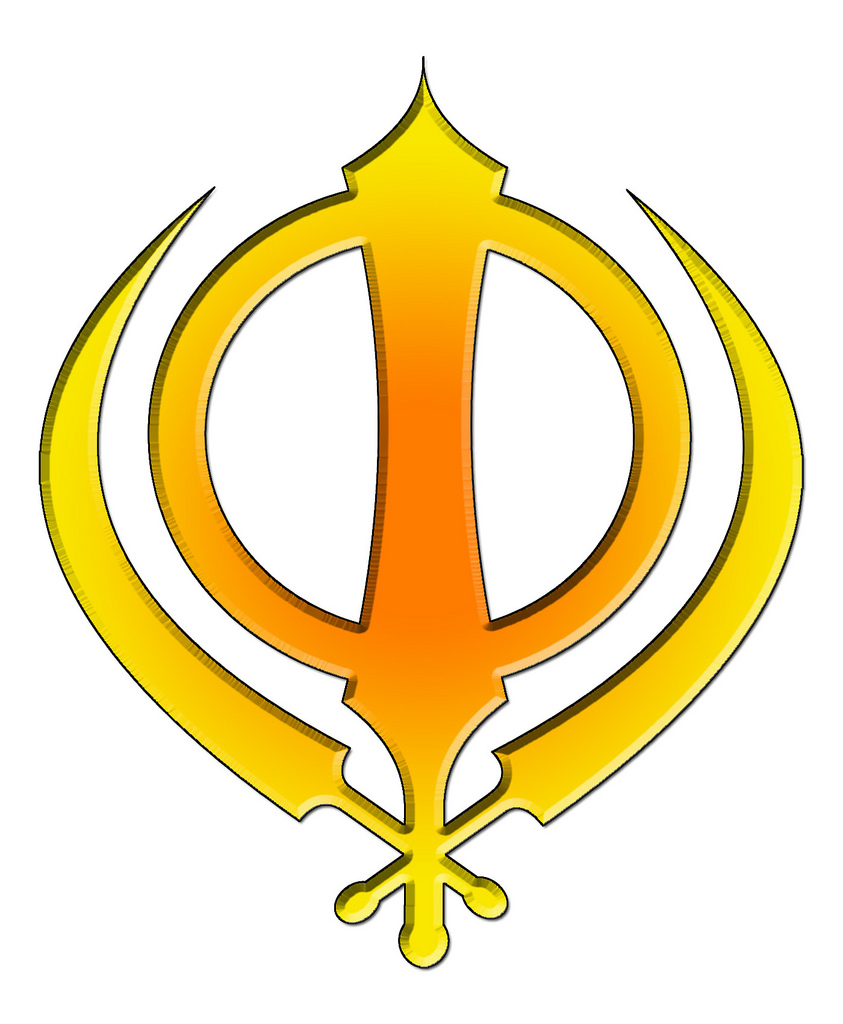
-
Article
Singh Case
In the 1985 Singh case (Singh v. Minister of Employment and Immigration), the Supreme Court of Canada ruled that the legal guarantees of the Charter of Rights and Freedoms apply to “everyone” physically present in Canada, including foreign asylum seekers. The court also found that refugees have the right to a full oral hearing of their claims before being either admitted into the country or deported. The decision drastically changed the way refugees are dealt with in Canada. (See also Canadian Refugee Policy.)
"https://d3d0lqu00lnqvz.cloudfront.net/media/media/7ac02b0f-118b-4ccb-b6dc-81f218b68954.jpg" // resources/views/front/categories/view.blade.php
https://d3d0lqu00lnqvz.cloudfront.net/media/media/7ac02b0f-118b-4ccb-b6dc-81f218b68954.jpg