
Browse "People"
-
Article
Imant Raminsh
Imant (Karlis) Raminsh. Composer, conductor, violinist, teacher, b Ventspils, Latvia, 18 Sep 1943, naturalized Canadian 1954; ARCT 1962, B MUS (Toronto) 1966.
"https://thecanadianencyclopedia.ca/images/tce_placeholder.jpg?v=e9dca980c9bdb3aa11e832e7ea94f5d9" // resources/views/front/categories/view.blade.php
https://thecanadianencyclopedia.ca/images/tce_placeholder.jpg?v=e9dca980c9bdb3aa11e832e7ea94f5d9
-
Article
British Home Children in Canada
More than 100,000 boys and girls immigrated to Canada from the United Kingdom between the 1860s and the 1940s. Known as the “British Home Children,” these young people were orphans or came from poor families. Charitable organizations like The Salvation Army believed that these children would have greater opportunities in British dominions and colonies than in the United Kingdom. Many ended up working on farms or in domestic service. While some were treated well, others were abused or neglected. It is estimated that over 10 per cent of the Canadian population is descended from the British Home Children.
"https://d3d0lqu00lnqvz.cloudfront.net/media/media/3f5cab82-83b8-449c-a7f1-2bfff8549915.jpg" // resources/views/front/categories/view.blade.php
https://d3d0lqu00lnqvz.cloudfront.net/media/media/3f5cab82-83b8-449c-a7f1-2bfff8549915.jpg
-
Article
Economic Immigration to Canada
Canada’s current and future prosperity depends on recruiting immigrants. Newcomers fill gaps in the Canadian workforce, build or start businesses and invest in the Canadian economy. Economic immigrants include employees as well as employers. They mostly become permanent residents when they immigrate to Canada. Not included in this class are the many temporary foreign workers who contribute to Canada’s economy. (See also Immigration to Canada.) Economic immigrants bring talent, innovation, family members and financial investments to Canada. They also enrich the country’s culture, heritage and opportunities. Technological progress, productivity and economic growth all benefit from these newcomers. Studies show that they have little to no negative impacts on wages for other workers in the country. According to the 2021 census, 1.3 million immigrants settled in Canada between 2016 and 2021. The census identified 748,120 of the total 1.3 million living in Canada as economic immigrants.
"https://d3d0lqu00lnqvz.cloudfront.net/media/new_article_images/EconomicImmigration/permanent_residence.jpg" // resources/views/front/categories/view.blade.php
https://d3d0lqu00lnqvz.cloudfront.net/media/new_article_images/EconomicImmigration/permanent_residence.jpg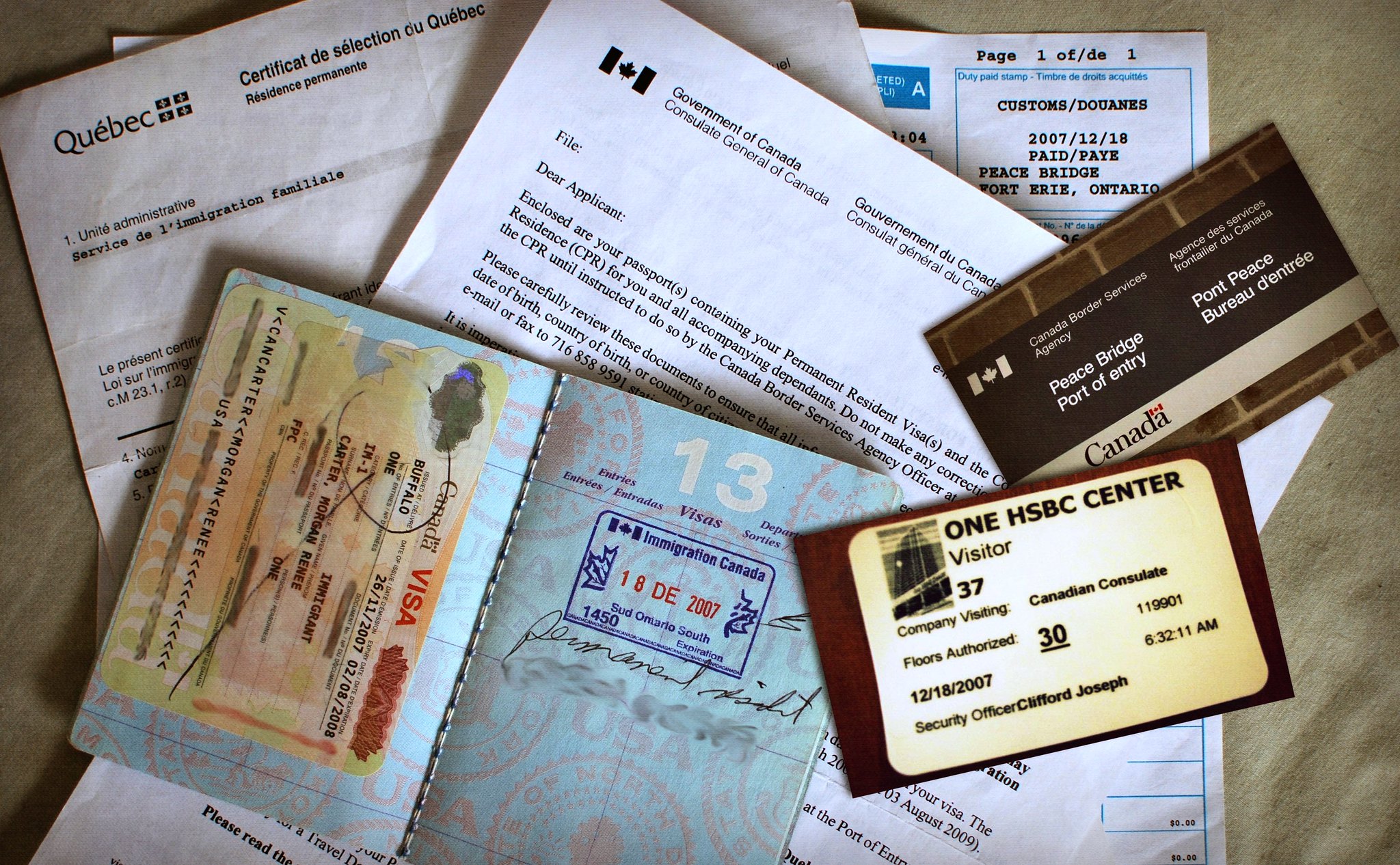
-
Article
Immigration to Canada
The movement of individuals of one country into another for the purpose of resettlement is central to Canadian history. The story of Canadian immigration is not one of orderly population growth; instead, it has been — and remains one — about economic development as well as Canadian attitudes and values. It has often been unashamedly economically self-serving and ethnically or racially discriminatory despite contributing to creating a multicultural society (see Immigration Policy in Canada; Refugees to Canada). Immigration has also contributed to dispossessing Indigenous peoples of their ancestral lands. This article is a full-length entry about immigration to Canada. For a plain-language summary, please see Immigration to Canada (Plain-Language Summary).
"https://d3d0lqu00lnqvz.cloudfront.net/media/media/f3255eef-1ce7-4d5e-a9b7-052f4e35aad9.jpg" // resources/views/front/categories/view.blade.php
https://d3d0lqu00lnqvz.cloudfront.net/media/media/f3255eef-1ce7-4d5e-a9b7-052f4e35aad9.jpg
-
Article
Immigration Detention in Canada
The federal government detains immigrants for administrative immigration reasons even if they have not committed a crime under the Criminal Code. The detention of migrants was not a highly publicized issue in Canada until deaths occurred in the Vancouver and Toronto immigration facilities in 2013 and 2016. The issue brought to light the conditions of thousands of people currently being detained. Immigration detainees are often isolated from community support and are unable to access doctors and lawyers. The prolonged periods of detention exacerbate existing mental health issues such as Post-Traumatic Stress Disorder (PTSD), which impacts many migrants coming to Canada from war-torn countries. Advocates argue that Canada's immigration detention system contravenes international human rights law (see International Law) and that more oversight is necessary to prevent further deaths in the future and to reform the system as a whole. (This version is the full-length article on immigration detention in Canada. If you wish to read a plain-language summary, please see Immigration Detention in Canada (Plain-Language Summary).)
"https://d3d0lqu00lnqvz.cloudfront.net/media/media/ImmigrationDetention/CP2564755_.jpg" // resources/views/front/categories/view.blade.php
https://d3d0lqu00lnqvz.cloudfront.net/media/media/ImmigrationDetention/CP2564755_.jpg
-
Article
Immigration Policy in Canada
Immigration policy is the way the government controls via laws and regulations who gets to come and settle in Canada. Since Confederation, immigration policy has been tailored to grow the population, settle the land, and provide labour and financial capital for the economy. Immigration policy also tends to reflect the racial attitudes or national security concerns of the time which has also led to discriminatory restrictions on certain migrant groups. (See also Canadian Refugee Policy.) (This is the full-length article on immigration policy in Canada. If you wish to read a plain-language summary, please see Immigration Policy in Canada (Plain-Language Summary).)
"https://d3d0lqu00lnqvz.cloudfront.net/media/media/81825b51-3f5c-4e72-bede-2c04ad6326b1.jpg" // resources/views/front/categories/view.blade.php
https://d3d0lqu00lnqvz.cloudfront.net/media/media/81825b51-3f5c-4e72-bede-2c04ad6326b1.jpg
-
Macleans
Impending Same-Sex Marriage Legislation
IT'S NOT THE kind of crowd given to chants, placards, or burning brands. Greying, neatly pressed, well-mannered, they line up patiently at the open microphone.
"https://thecanadianencyclopedia.ca/images/tce_placeholder.jpg?v=e9dca980c9bdb3aa11e832e7ea94f5d9" // resources/views/front/categories/view.blade.php
https://thecanadianencyclopedia.ca/images/tce_placeholder.jpg?v=e9dca980c9bdb3aa11e832e7ea94f5d9
-
Interview
In Conversation with Catriona Le May Doan
On 30 November 2015, Catriona Le May Doan spoke to Jeremy Freeborn for The Canadian Encyclopedia.
"https://d3d0lqu00lnqvz.cloudfront.net/media/media/e4e64b18-8dd0-4db2-b6d4-2321a5ebc809.jpg" // resources/views/front/categories/view.blade.php
https://d3d0lqu00lnqvz.cloudfront.net/media/media/e4e64b18-8dd0-4db2-b6d4-2321a5ebc809.jpg
-
Interview
In Conversation with Clara Hughes
On 6 October 2014, author Jeremy Freeborn interviewed Clara Hughes for The Canadian Encyclopedia. A six-time Olympic medalist in cycling and speed skating, Hughes cycled across Canada in 2014 to raise awareness of mental health issues.
"https://d3d0lqu00lnqvz.cloudfront.net/media/media/41c1f983-8c1b-4e4a-8197-61041a3c57c1.jpg" // resources/views/front/categories/view.blade.php
https://d3d0lqu00lnqvz.cloudfront.net/media/media/41c1f983-8c1b-4e4a-8197-61041a3c57c1.jpg
-
Interview
In Conversation with Danielle Goyette
On 22 June 2015, Danielle Goyette spoke to Jeremy Freeborn at her office at the University of Calgary, where she is the head coach of the University of Calgary Dinos women’s hockey team.
"https://thecanadianencyclopedia.ca/images/tce_placeholder.jpg?v=e9dca980c9bdb3aa11e832e7ea94f5d9" // resources/views/front/categories/view.blade.php
https://thecanadianencyclopedia.ca/images/tce_placeholder.jpg?v=e9dca980c9bdb3aa11e832e7ea94f5d9
-
Interview
In Conversation with Ian Millar
On 9 September 2014, author Jeremy Freeborn interviewed two-time World Cup Finals champion and Olympic silver medalist Ian Millar.
"https://thecanadianencyclopedia.ca/images/tce_placeholder.jpg?v=e9dca980c9bdb3aa11e832e7ea94f5d9" // resources/views/front/categories/view.blade.php
https://thecanadianencyclopedia.ca/images/tce_placeholder.jpg?v=e9dca980c9bdb3aa11e832e7ea94f5d9
-
Interview
In Conversation with Kay MacBeth
Kay MacBeth (née MacRitchie) was the last player to join the Edmonton Grads, a women’s basketball team James Naismith, inventor of the game, considered “the finest basketball team that ever stepped out on a floor.” At 95 years old, MacBeth is also the last surviving Grad, a club that played from 1915 to 1940. In those 25 years, the Grads accumulated a record that is quite possibly beyond parallel. Over the course of some 400 official outings, the Grads lost only 20 games. The Grads were both national and world champions who often defeated their opponents by lopsided scores. MacBeth played for the Grads in 1939–40. This interview has been edited for length and clarity.
"https://d3d0lqu00lnqvz.cloudfront.net/media/media/a7fe8100-0ef9-4d26-b4e4-dbd99738377c.JPG" // resources/views/front/categories/view.blade.php
https://d3d0lqu00lnqvz.cloudfront.net/media/media/a7fe8100-0ef9-4d26-b4e4-dbd99738377c.JPG
-
Interview
In Conversation with Kyle Shewfelt
On 15 December 2015, Kyle Shewfelt spoke to Jeremy Freeborn for The Canadian Encyclopedia at Canada’s Sports Hall of Fame in Calgary.
"https://d3d0lqu00lnqvz.cloudfront.net/media/media/c39b2a42-6bff-456d-88d8-d098230b8214.jpg" // resources/views/front/categories/view.blade.php
https://d3d0lqu00lnqvz.cloudfront.net/media/media/c39b2a42-6bff-456d-88d8-d098230b8214.jpg
-
Interview
In Conversation with Lindsay Mattick
“Every so often, you become aware that a fictional story has an equally beautiful, real and true story behind it — and that doesn’t happen every day.”
"https://d3d0lqu00lnqvz.cloudfront.net/media/media/ff8fd71d-fb1e-4d65-8ff2-ce13d83b470d.jpg" // resources/views/front/categories/view.blade.php
https://d3d0lqu00lnqvz.cloudfront.net/media/media/ff8fd71d-fb1e-4d65-8ff2-ce13d83b470d.jpg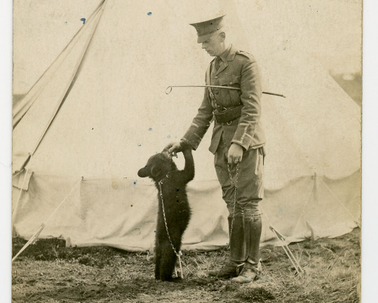
-
Interview
In Conversation with Michael Edgson
Swimmer Michael Edgson of North Vancouver, British Columbia, won a Canadian record 17 Paralympic gold medals, including nine gold medals at the 1988 Paralympic Games, the most by a Canadian at a single Paralympic Games.
"https://d3d0lqu00lnqvz.cloudfront.net/media/media/fc3d1be8-7dec-46e9-8d1f-a6a101a549ee.jpg" // resources/views/front/categories/view.blade.php
https://d3d0lqu00lnqvz.cloudfront.net/media/media/fc3d1be8-7dec-46e9-8d1f-a6a101a549ee.jpg