
Browse "Black Canadians"
-
Video
Africville
"https://i.ytimg.com/vi/2SwNa0H4s0s/maxresdefault.jpg" // resources/views/front/categories/view.blade.php
https://i.ytimg.com/vi/2SwNa0H4s0s/maxresdefault.jpg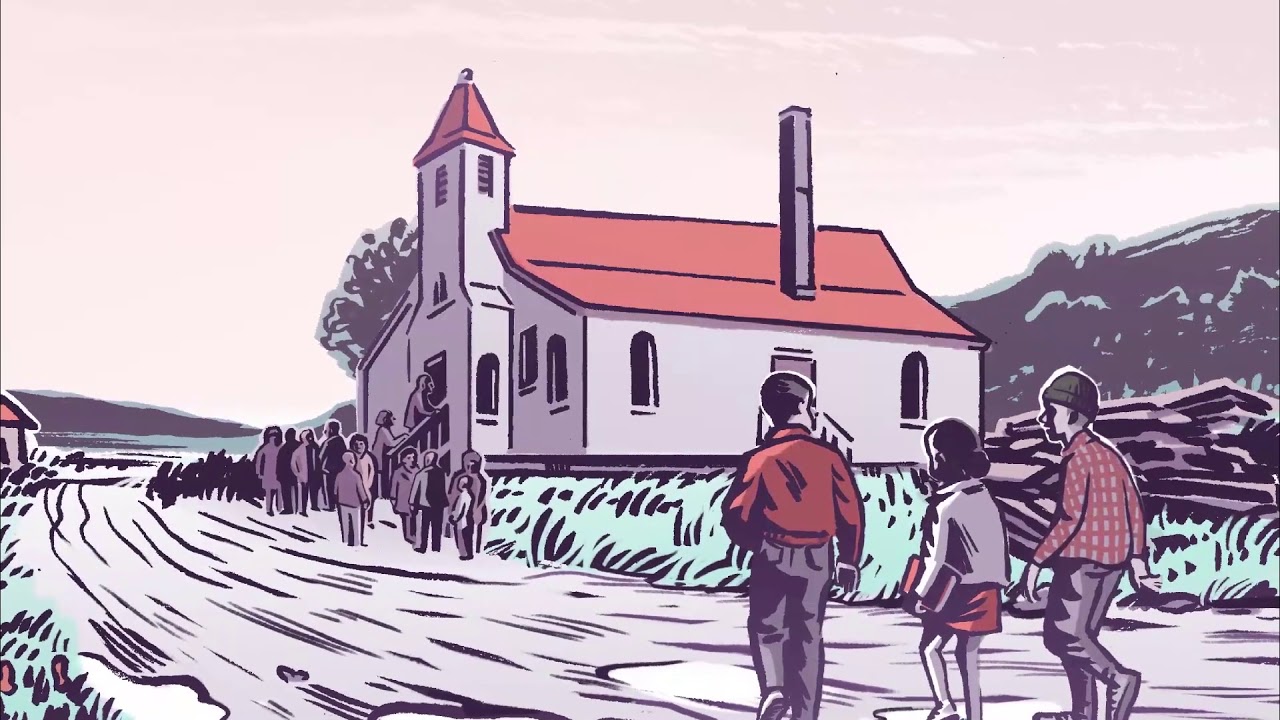
-
Article
Black Canadians and Conscription in the First World War
In 1917, the Canadian government passed the Military Service Act, which made all male citizens (aged 20 to 45) subject to conscription. As the First World War (1914–18) dragged on, the Canadian Expeditionary Force (CEF) desperately needed reinforcements, as the number of volunteers had nearly dried up. Earlier in the war, Black volunteers had faced resistance and opposition in their efforts to enlist. However, Black Canadians were not exempt from conscription and at least 350 were drafted into the CEF. Those who served overseas worked primarily with the Canadian Forestry Corps, although some also served on the frontlines.
"https://d3d0lqu00lnqvz.cloudfront.net/ImagefromBooksofRemembrance-H.jpg" // resources/views/front/categories/view.blade.php
https://d3d0lqu00lnqvz.cloudfront.net/ImagefromBooksofRemembrance-H.jpg
-
Article
Black Pioneers of the American Revolution
The Black Pioneers was a provincial (i.e., locally recruited) unit of the British army during the American Revolutionary War. It was the only Black unit on the provincial establishment. Most members of the company were formerly enslaved persons who had fled their Patriot (rebel) owners in response to British promises of freedom. Although some Black soldiers fought in combat during the war, the Pioneers provided construction and engineering support to the British army. After the war, they were among thousands of Black Loyalists who were transported to Nova Scotia.
"https://d3d0lqu00lnqvz.cloudfront.net/media/media/be13527b-b76d-408a-afca-30acbd4f7bfc.png" // resources/views/front/categories/view.blade.php
https://d3d0lqu00lnqvz.cloudfront.net/media/media/be13527b-b76d-408a-afca-30acbd4f7bfc.png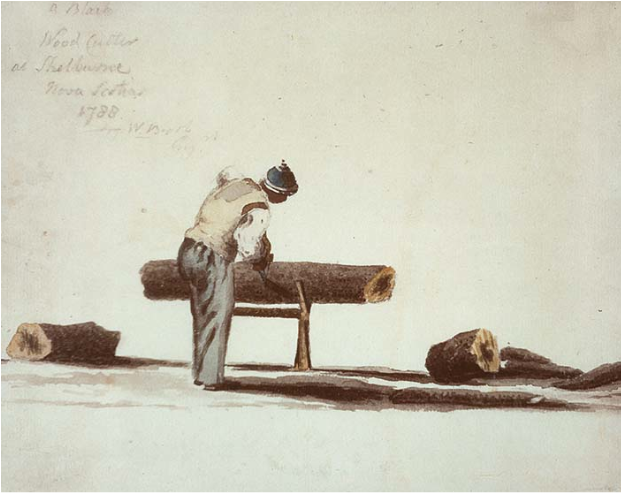
-
Article
Black Volunteers in the Canadian Expeditionary Force
During the First World War, up to 1,300 Black men volunteered for service in the Canadian Expeditionary Force (CEF). While the men of No. 2 Construction Battalion are the best-known example of Black participation in the war, another 300 to 500 enlisted in other units of the CEF. Of these, about 100 served on the front lines. Black soldiers participated in all major battles of the CEF, from its arrival in France until the Armistice. (See also Black Canadians and Conscription in the First World War.)
"https://d3d0lqu00lnqvz.cloudfront.net/media/media/d2114b98-ef0d-4e98-aa49-892b095d77cc.jpg" // resources/views/front/categories/view.blade.php
https://d3d0lqu00lnqvz.cloudfront.net/media/media/d2114b98-ef0d-4e98-aa49-892b095d77cc.jpg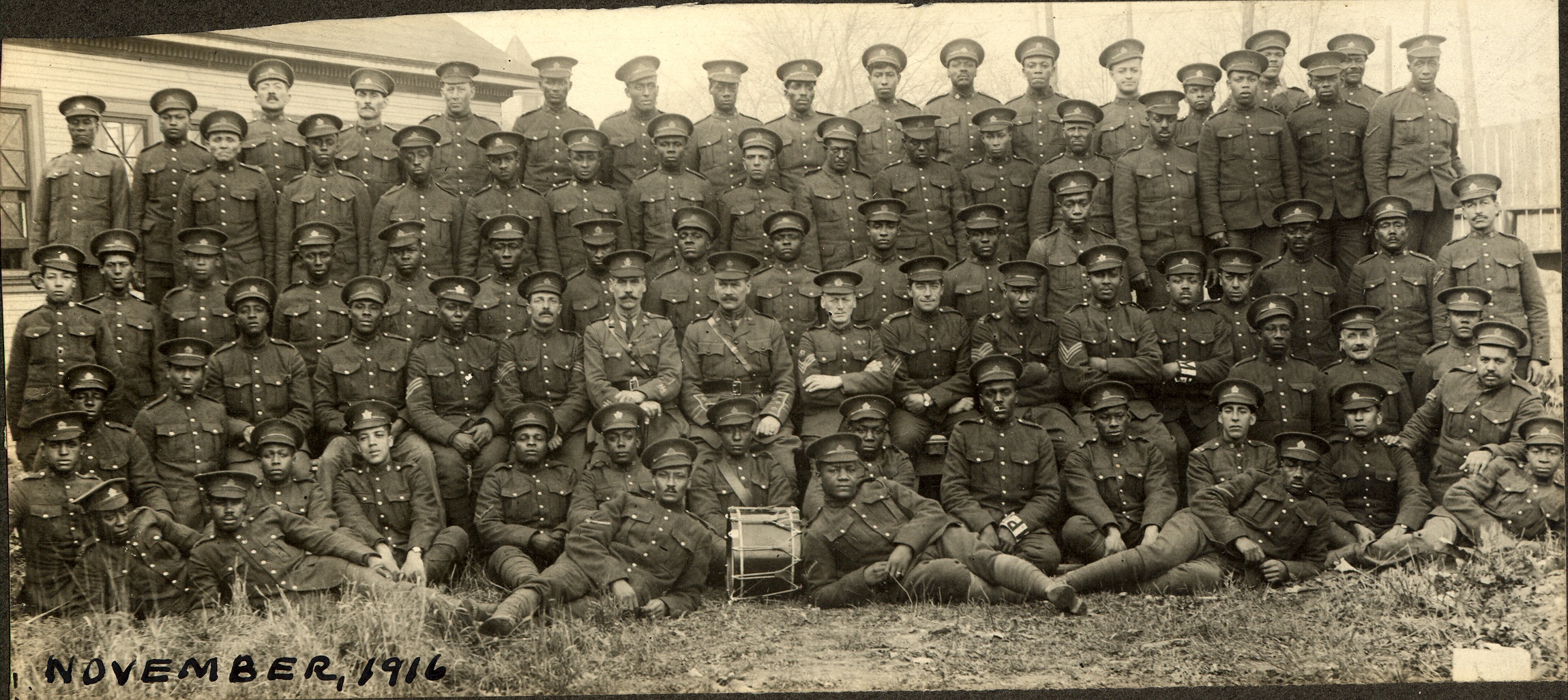
-
Article
George Morton and the Fight to Fight: Black Volunteers in the First World War
Archivist Barbara M. Wilson explores the significance of a letter sent to Sir Sam Hughes by George Morton, a letter carrier, barber and civil rights advocate from Hamilton, Ontario. In his letter, dated 7 September 1915, Morton asked the minister of militia and defence why members of the Black community were being turned away when trying to enlist for service with the Canadian Expeditionary Force during the First World War. (See also Black Volunteers in the Canadian Expeditionary Force.)
"https://d3d0lqu00lnqvz.cloudfront.net/media/media/1110b60d-adfe-4989-b17d-45c0d12d2438.jpg" // resources/views/front/categories/view.blade.php
https://d3d0lqu00lnqvz.cloudfront.net/media/media/1110b60d-adfe-4989-b17d-45c0d12d2438.jpg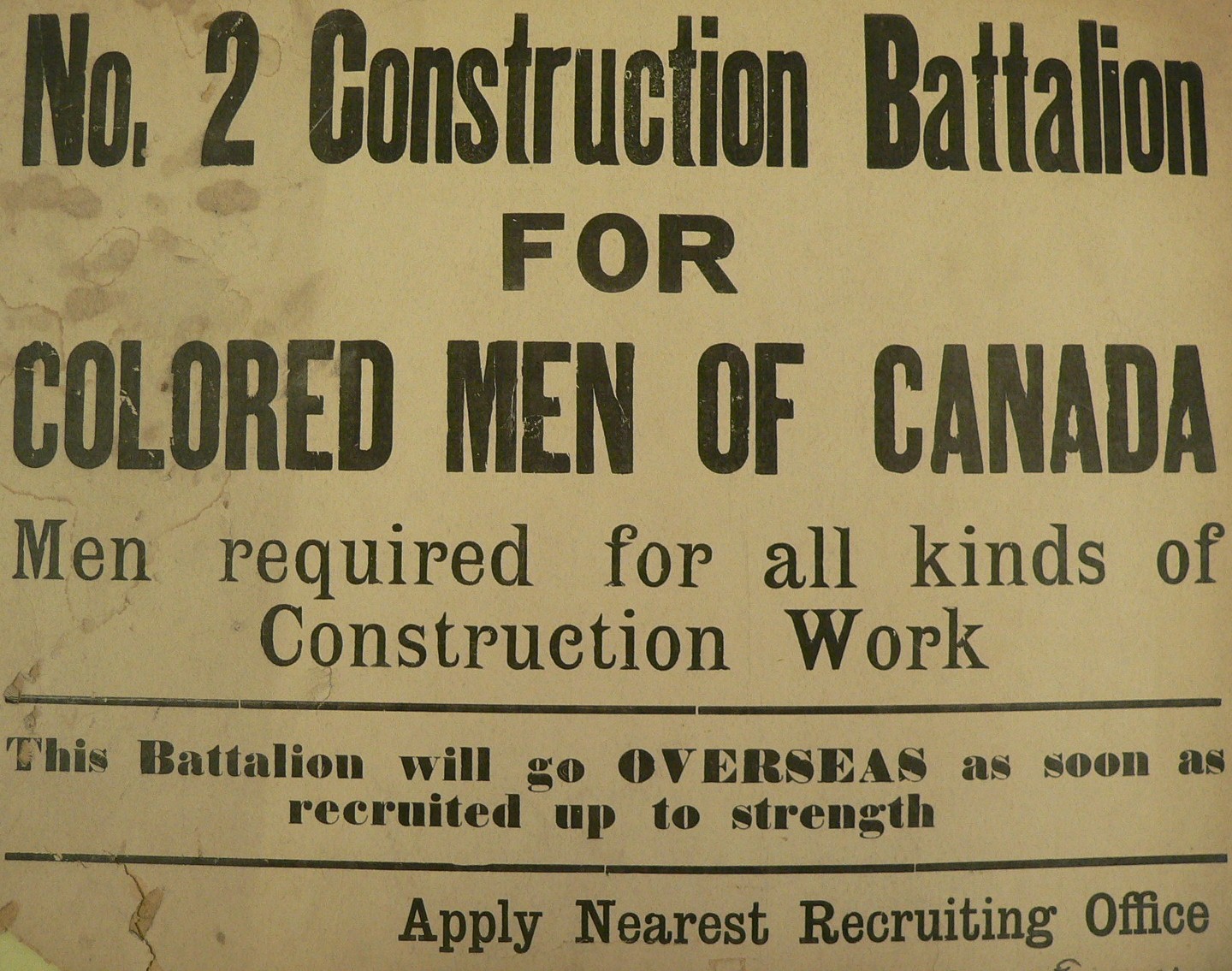
-
Education Guide
Canada History Week 2023: History of Black Achievement in Canada
This year, Canada History Week highlights the History of Black Achievement in Canada. The week aims to encourage Canadians to reflect upon and engage with Canada’s past, and in so doing, to better understand our diverse history and the role Black Canadians have had in shaping this country’s identity.
"https://d3d0lqu00lnqvz.cloudfront.net/CHW-Banner.png" // resources/views/front/categories/view.blade.php
https://d3d0lqu00lnqvz.cloudfront.net/CHW-Banner.png
-
Article
Charles Lightfoot Roman
Charles Lightfoot Roman, MD, CM, surgeon, author, researcher, lecturer (born 19 May 1889 in Port Elgin, ON; died 8 June 1961 in Valleyfield, QC). Charles Lightfoot Roman was one of the first Black Canadians to graduate from McGill University’s Faculty of Medicine and became a recognized expert in industrial medicine. He was also one of the first Black Canadians to enlist for service in the First World War and was the only known Black person to serve with the Canadian General Hospital No. 3 (McGill). Lightfoot Roman was also likely the first Black Grand Master of a traditional Masonic lodge.
"https://d3d0lqu00lnqvz.cloudfront.net/media/home-page-images/lightfoot-roman-resized.jpg" // resources/views/front/categories/view.blade.php
https://d3d0lqu00lnqvz.cloudfront.net/media/home-page-images/lightfoot-roman-resized.jpg
-
Article
Eldridge Eatman
Eldridge “Gus” Eatman (also known as Eastman), sprinter, soldier, entertainer (born 12 March 1880 in Zealand Station, NB; died 15 August 1960 in St. John, NB). Eldridge Eatman was a Black Canadian athlete. He was one of the fastest men in the world between 1904 and 1908. In 1905, he set a Canadian record in the 100-yard sprint with a time of 9.8 seconds. He also served with distinction in the British Army during the First World War. Eatman later became an entertainer and an activist. He has been inducted into the Saint John Sports Hall of Fame, the New Brunswick Sports Hall of Fame and the Maritime Sports Hall of Fame.
"https://thecanadianencyclopedia.ca/images/tce_placeholder.jpg?v=e9dca980c9bdb3aa11e832e7ea94f5d9" // resources/views/front/categories/view.blade.php
https://thecanadianencyclopedia.ca/images/tce_placeholder.jpg?v=e9dca980c9bdb3aa11e832e7ea94f5d9
-
Article
James Franklin
James Munroe Franklin, First World War soldier (born 12 October 1899 in Whitaker, Mississippi; died 8 October 1916 in France). Franklin, a private in the Canadian Expeditionary Force (CEF), was one of the first Black Canadians killed in action in the First World War. Franklin served in the 76th and 4th Battalions and was killed during the Battle of the Ancre Heights, part of the Battle of the Somme.
"https://d3d0lqu00lnqvz.cloudfront.net/media/media/70a1cfe6-5a10-4079-a244-3803c2d38fd4.jpg" // resources/views/front/categories/view.blade.php
https://d3d0lqu00lnqvz.cloudfront.net/media/media/70a1cfe6-5a10-4079-a244-3803c2d38fd4.jpg
-
Article
Jeremiah Jones
Jeremiah “Jerry” Alvin Jones, soldier, farmer, truck driver (born 30 March 1858 in East Mountain, NS; died 23 November 1950 in Halifax, NS). Jeremiah Jones was a Black Canadian soldier who served during the First World War. Jones was 58 years old (13 years above the age limit) when he enlisted with the 106th Battalion in 1916. For his heroic actions during the Battle of Vimy Ridge, he was awarded the Canadian Forces Medallion for Distinguished Service in 2010 — 60 years after his death.
"https://d3d0lqu00lnqvz.cloudfront.net/media/Twitter_Cards/Jeremiah jones.jpg" // resources/views/front/categories/view.blade.php
https://d3d0lqu00lnqvz.cloudfront.net/media/Twitter_Cards/Jeremiah jones.jpg
-
Article
Junius Lyman Edward Hokan
Junius Lyman Edward Hokan, pilot (born 4 March 1922 in St. Catharines, ON; died 26 September 1942 in the English Channel). Hokan was likely the first Black-Canadian commissioned officer and fighter pilot in the Royal Canadian Air Force (RCAF). He served his country with distinction in the Second World War but was killed when his plane crashed on the way back to England after a mission.
"https://d3d0lqu00lnqvz.cloudfront.net/BlackPilots/Hokan-redone.jpg" // resources/views/front/categories/view.blade.php
https://d3d0lqu00lnqvz.cloudfront.net/BlackPilots/Hokan-redone.jpg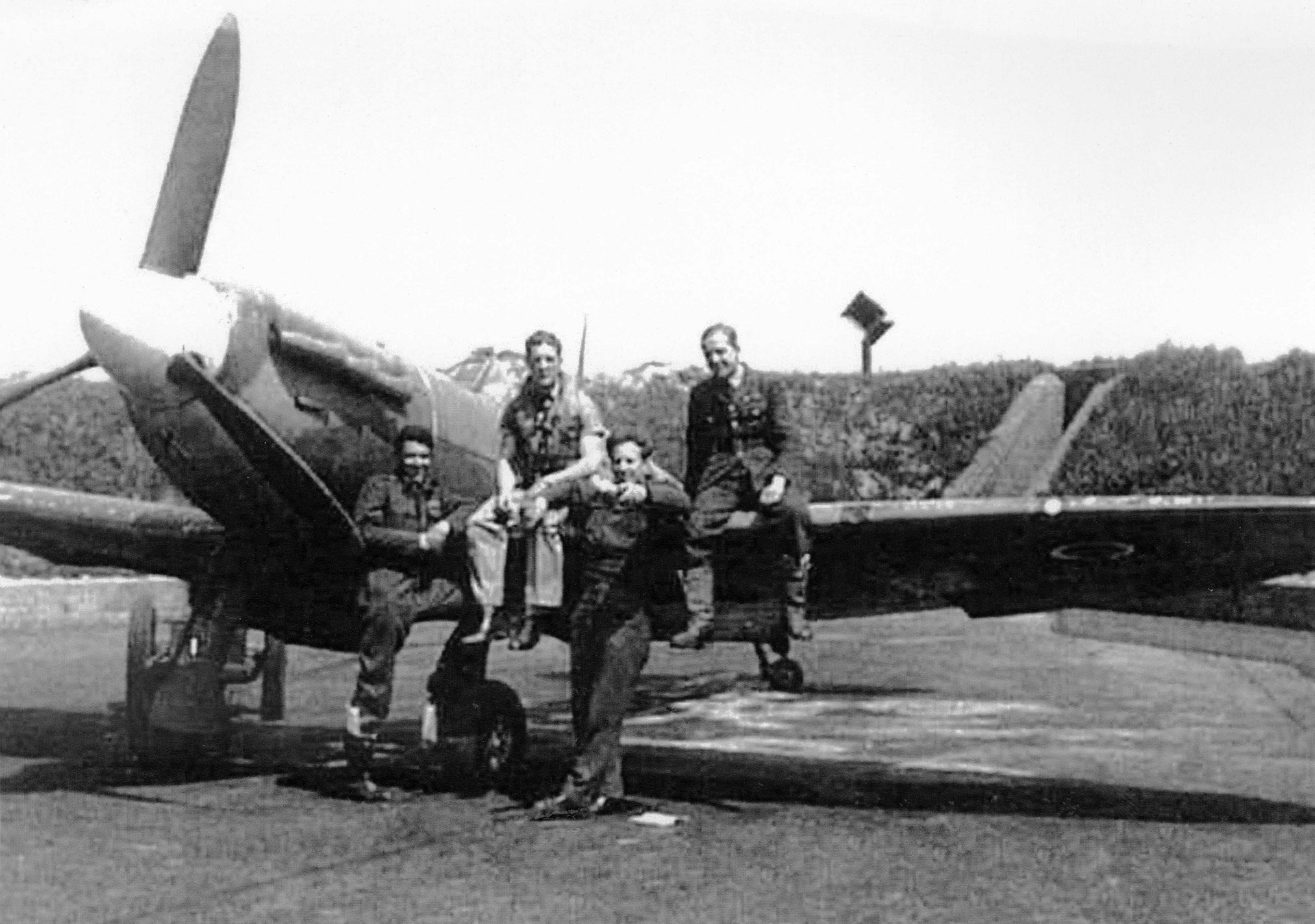
-
Memory Project Archive
Everett Sylvester Cromwell (Primary Source)
"One time I drove for 36 hours without stopping. When I stopped it was just long enough to off-load and load. That was war. That’s what you trained for." See below for Mr. Cromwell's entire testimony. Please be advised that Memory Project primary sources may deal with personal testimony that reflect the speaker’s recollections and interpretations of events. Individual testimony does not necessarily reflect the views of the Memory Project and Historica Canada.
"https://d3d0lqu00lnqvz.cloudfront.net/MemoryProject/EverettSylvesterCromwell/cromwell service photo.jpg" // resources/views/front/categories/view.blade.php
https://d3d0lqu00lnqvz.cloudfront.net/MemoryProject/EverettSylvesterCromwell/cromwell service photo.jpg
-
Memory Project Archive
Leonard Braithwaite (Primary Source)
"I started to go down to Bay and Wellington. That’s where the recruiting station was. The first time the guy, the recruiting officer, just said, "No, sorry, we don’t take you people."" See below for Mr. Braithwaite's entire testimony. Please be advised that Memory Project primary sources may deal with personal testimony that reflect the speaker’s recollections and interpretations of events. Individual testimony does not necessarily reflect the views of the Memory Project and Historica Canada.
"https://d3d0lqu00lnqvz.cloudfront.net/MemoryProject/Braithwaite_AirForce_Tweet.jpg" // resources/views/front/categories/view.blade.php
https://d3d0lqu00lnqvz.cloudfront.net/MemoryProject/Braithwaite_AirForce_Tweet.jpg
-
Memory Project Archive
Percy "Junior" Jackson (Primary Source)
In 2010, The Memory Project interviewed Percy “Junior” Jackson, a veteran of the Second World War. The following recording (and transcript) is an excerpt from this interview. Jackson was born in Lucasville, Nova Scotia, on 19 December 1926 and was of Irish, Ethiopian, Mi’kmaq, and French-Canadian descent. In his testimony, he recalls being the only Black family in his community in Windsor. Growing up, Jackson was very close to his older brother, who joined the fight in Europe during the Second World War, leaving him devastated. Jackson enlisted at Halifax at the age of 16 and was sent overseas in 1944 to join The North Nova Scotia Highlanders. His mission was to reunite with his older brother, who was fighting in the Netherlands. After the war, Jackson served in Germany before returning to Canada. He remained in the armed forces, serving in the army reserve (logistics) until 1977, when he retired at the rank of Master Warrant Officer. Jackson served in several peacekeeping missions, including the United Nations Emergency Force that was established to bring an end to the Suez Crisis of 1956. Please be advised that Memory Project primary sources may deal with personal testimony that reflect the speaker’s recollections and interpretations of events. Individual testimony does not necessarily reflect the views of the Memory Project and Historica Canada.
"https://d3d0lqu00lnqvz.cloudfront.net/MemoryProject/Jackson_Army_Twitter.jpg" // resources/views/front/categories/view.blade.php
https://d3d0lqu00lnqvz.cloudfront.net/MemoryProject/Jackson_Army_Twitter.jpg
-
Memory Project Archive
Randolph George Hope (Primary Source)
"If he was black or French or whatever, and you reach down to help him out of the water, you don’t say to him, oh, I’m not going to get him up, he’s not one of us. No." See below for Mr. Hope's entire testimony. Please be advised that Memory Project primary sources may deal with personal testimony that reflect the speaker’s recollections and interpretations of events. Individual testimony does not necessarily reflect the views of the Memory Project and Historica Canada.
"https://d3d0lqu00lnqvz.cloudfront.net/MemoryProject/RandolphGeorgeHope/3081_538.jpg" // resources/views/front/categories/view.blade.php
https://d3d0lqu00lnqvz.cloudfront.net/MemoryProject/RandolphGeorgeHope/3081_538.jpg