Browse "Asian Canadians"
-
Article
Laotian Canadians
The immigration of Laotian nationals to Canada is relatively recent, having begun in earnest in the late 1970s. After the withdrawal of American troops from Vietnam in March 1973, mainland Southeast Asia (former Indochina) was left at the mercy of revolutionary forces in the region. In 1975, at the end of a 20-year-long civil war, communist revolutionaries of the Pathet Lao (Lao State) movement took power, abolished the monarchy and proclaimed the Lao People’s Democratic Republic. Living conditions deteriorated in Laos, as they did in Vietnam and Cambodia. Former civil and military officials were sent to labour camps and their families were denied access to employment and education. These difficult economic conditions, combined with an increasingly forceful communist regime and violations of human rights, sparked a mass migration in the region. Like Vietnamese, Laotians left their country in makeshift vessels, facing perilous conditions on the Mekong River and then the China Sea. This is the origin of the name often used to refer to these migrants: “boat people.” From 1979 to 1982, Canada welcomed nearly 8,000 Laotians. Approximately 20 per cent were of Chinese origin. Supported by the federal government and private sponsor groups, they resettled in various parts of Canada. Today, however, the Laotian population is concentrated in Québec and Ontario. In the 2016 Census of Canada, 24,590 people reported being of Laotian origin.
"https://d3d0lqu00lnqvz.cloudfront.net/media/media/4866c1e9-0222-4e6f-91c6-0b8cdf3182dd.jpg" // resources/views/front/categories/view.blade.php
https://d3d0lqu00lnqvz.cloudfront.net/media/media/4866c1e9-0222-4e6f-91c6-0b8cdf3182dd.jpg
-
Article
Malaysian Canadians
Malaysian immigration to Canada is a relatively recent phenomenon. In the 2016 census, 16,920 people declared they were of Malaysian origin. Among these Canadians were actor Osric Chau and writer Madeleine Thien.
"https://d3d0lqu00lnqvz.cloudfront.net/media/media/9d54c93f-9827-43d2-a23b-4bfc1211c3a6.jpg" // resources/views/front/categories/view.blade.php
https://d3d0lqu00lnqvz.cloudfront.net/media/media/9d54c93f-9827-43d2-a23b-4bfc1211c3a6.jpg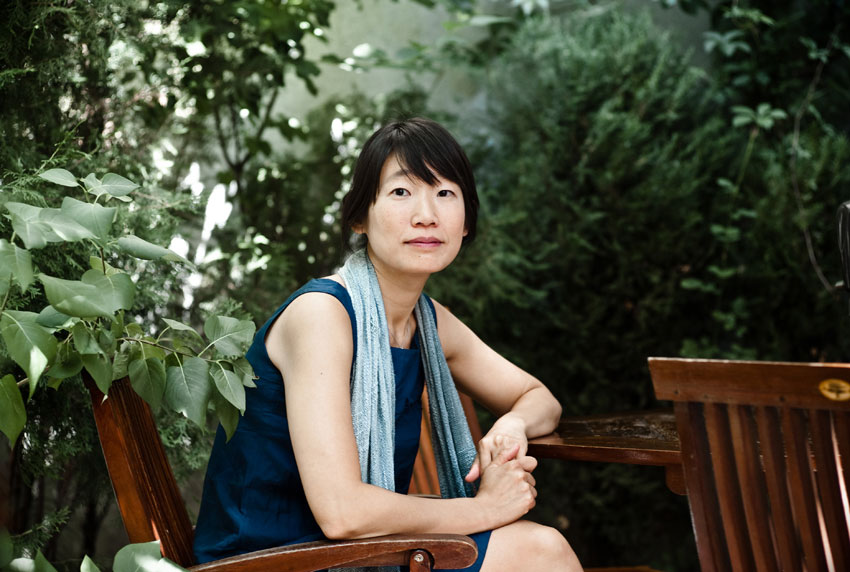
-
Article
Marina Nemat
Marina Nemat, writer, human rights activist (born 22 April 1965 in Tehran, Iran). Nemat emigrated to Canada in 1991, following her imprisonment and torture in Iran. In her published memoirs, Nemat describes her experiences under the Iranian regime, which she denounces. She is also a sought-after public speaker and has won numerous international awards for her commitment to the defence of human rights.
"https://d3d0lqu00lnqvz.cloudfront.net/media/media/49512e3c-b27b-491b-bc3b-37eecdf24a33.jpg" // resources/views/front/categories/view.blade.php
https://d3d0lqu00lnqvz.cloudfront.net/media/media/49512e3c-b27b-491b-bc3b-37eecdf24a33.jpg
-
Article
Masumi Mitsui
Masumi Mitsui, MM, farmer, soldier, Canadian Legion official (born 7 October 1887 in Tokyo, Japan; died 22 April 1987 in Hamilton, ON). Masumi Mitsui immigrated to Canada in 1908 and served with distinction in the First World War. In 1931, he and his comrades persuaded the BC government to grant Japanese Canadian veterans the right to vote, a breakthrough for Japanese and other disenfranchised Canadians. Nevertheless, Matsui and more than 22,000 Japanese Canadians were displaced, detained and dispossessed by the federal government during the Second World War (see Internment of Japanese Canadians).
"https://d3d0lqu00lnqvz.cloudfront.net/media/new_article_images/MasumiMitsui/2010-23-2-4-551.jpg" // resources/views/front/categories/view.blade.php
https://d3d0lqu00lnqvz.cloudfront.net/media/new_article_images/MasumiMitsui/2010-23-2-4-551.jpg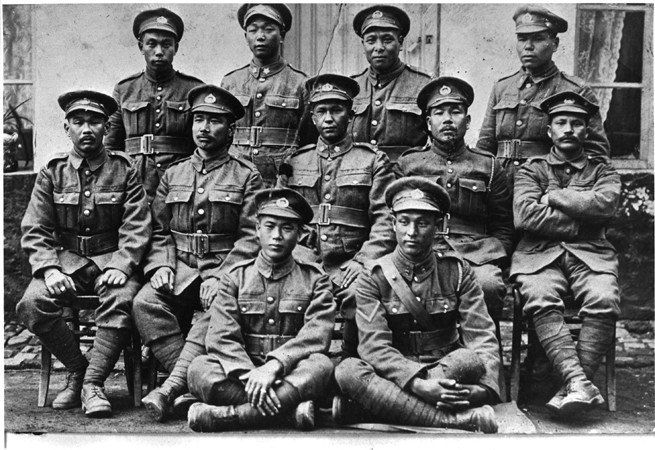
-
Article
Mayo Singh
Mayan Singh Manhas (Mayo Singh), lumber baron, founder of the Mayo Lumber Company, founder of the town of Paldi, franchise advocate, philanthropist (born 1888 in Paldi, District Hoshiarpur, East Punjab, India; died 23 February 1955 in Paldi, BC). As a founder of the Mayo Lumber Company, Singh became a wealthy lumber baron (see Lumber and Wood Industries). He challenged race-based immigration policies and disenfranchisement. Singh supported hospitals, schools and community projects in his adopted country and his birthplace in India. Paldi, the town he established on Vancouver Island and its gurdwara (temple), remains a cultural and spiritual touchstone for the South Asian community.
"https://d3d0lqu00lnqvz.cloudfront.net/MayoSingh/MayoSinghPortrait.jpg" // resources/views/front/categories/view.blade.php
https://d3d0lqu00lnqvz.cloudfront.net/MayoSingh/MayoSinghPortrait.jpg
-
Memory Project Archive
Andrew Kurn “Andy” Wong (Primary Source)
"So he said, “Geez, I noticed you’re a Canadian.” I said, “Yes.” He said, “How do you like the American ships?” I said, “Gee, they’re like castles compared to the Canadian.”" Andrew Kurn “Andy” Wong served with the Merchant Navy during the Second World War. See below for Mr. Wong's entire testimony. Please be advised that Memory Project primary sources may deal with personal testimony that reflect the speaker’s recollections and interpretations of events. Individual testimony does not necessarily reflect the views of the Memory Project and Historica Canada.
"https://d3d0lqu00lnqvz.cloudfront.net/MemoryProject/AndrewKurnAndyWong/2893_original.jpg" // resources/views/front/categories/view.blade.php
https://d3d0lqu00lnqvz.cloudfront.net/MemoryProject/AndrewKurnAndyWong/2893_original.jpg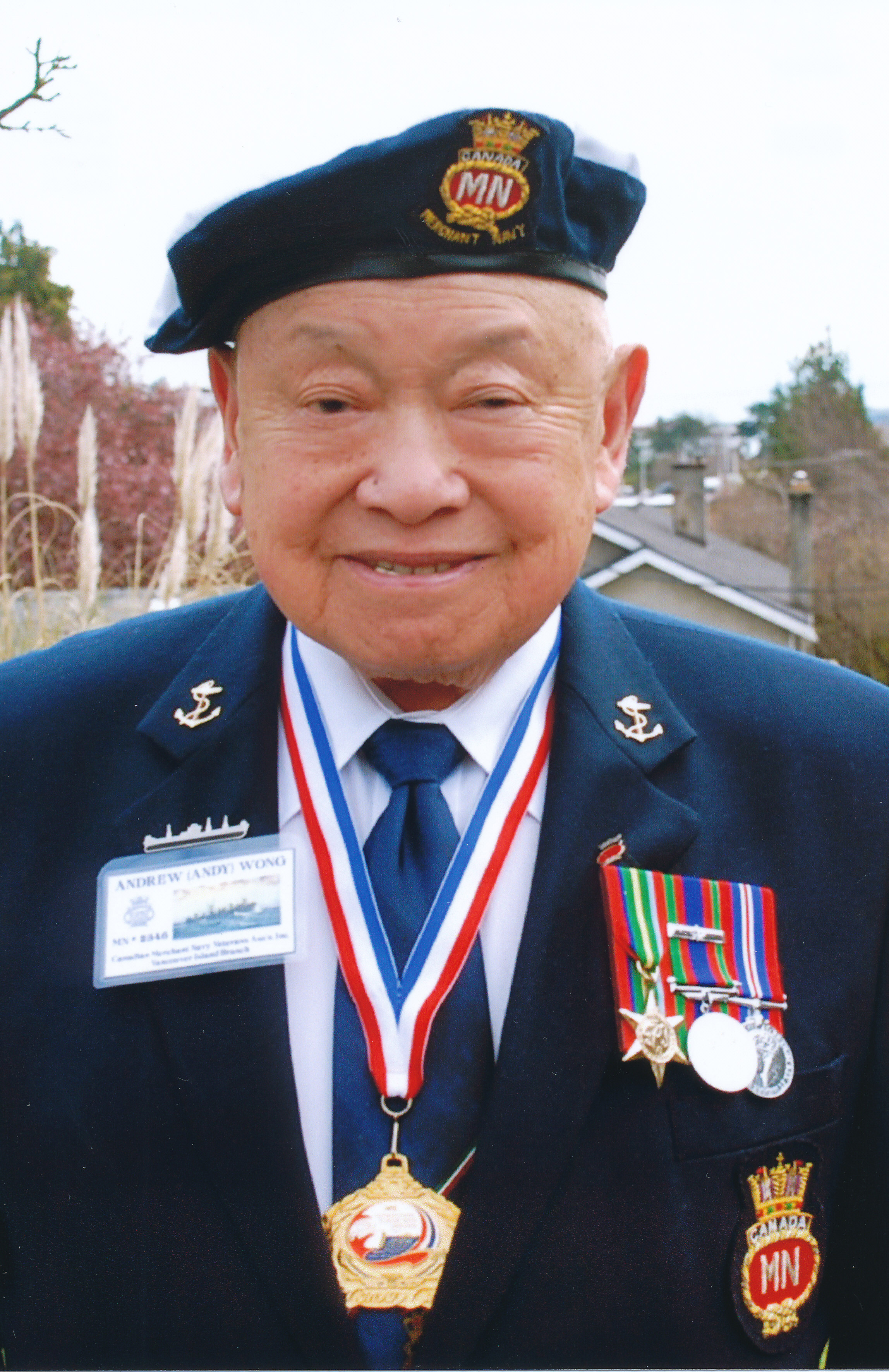
-
Memory Project Archive
Bing Chew Wong (Primary Source)
Bing Chew Wong served during the Second World War. Read and listen to Bing Chew Wong's testimony below.Please be advised that Memory Project primary sources may deal with personal testimony that reflect the speaker’s recollections and interpretations of events. Individual testimony does not necessarily reflect the views of the Memory Project and Historica Canada.
"https://d3d0lqu00lnqvz.cloudfront.net/The-Memory-Project/image/2550_original.jpg" // resources/views/front/categories/view.blade.php
https://d3d0lqu00lnqvz.cloudfront.net/The-Memory-Project/image/2550_original.jpg
-
Memory Project Archive
Daniel Lee (Primary Source)
Daniel Lee served in the Royal Canadian Air Force during the Second World War.Please be advised that Memory Project primary sources may deal with personal testimony that reflect the speaker’s recollections and interpretations of events. Individual testimony does not necessarily reflect the views of the Memory Project and Historica Canada.
"https://d3d0lqu00lnqvz.cloudfront.net/The-Memory-Project/image/2536_original.jpg" // resources/views/front/categories/view.blade.php
https://d3d0lqu00lnqvz.cloudfront.net/The-Memory-Project/image/2536_original.jpg
-
Memory Project Archive
Edward Fey "Ed" Lee (Primary Source)
"European agents could not operate near the main population centres in Asia because of their skin colour and inability to speak the local language. Who can the British call to operate in Asia as SOE?"Edward Fey "Ed" Lee joined the Canadian Armed Forces as a volunteer for the Special Operations Executive (SOE) overseas program. He served from 1944 to 1946. Being a Canadian of Chinese origin, Lee was called to duty as a secret agent in Asia under the command of the British Army. Listen to his tales of guerrilla warfare deep in Japanese-occupied territory. Please be advised that Memory Project primary sources may deal with personal testimony that reflect the speaker’s recollections and interpretations of events. Individual testimony does not necessarily reflect the views of the Memory Project and Historica Canada.
"https://d3d0lqu00lnqvz.cloudfront.net/MemoryProject/Lee_SOE_Twitter.jpg" // resources/views/front/categories/view.blade.php
https://d3d0lqu00lnqvz.cloudfront.net/MemoryProject/Lee_SOE_Twitter.jpg
-
Memory Project Archive
Frank Bing Wong (Primary Source)
"“Your blood, our freedom.” That’s how they think of the Canadians." Frank Bing Wong served in the Canadian Army during the Second World War. See below for Mr. Wong's entire testimony. Please be advised that Memory Project primary sources may deal with personal testimony that reflect the speaker’s recollections and interpretations of events. Individual testimony does not necessarily reflect the views of the Memory Project and Historica Canada.
"https://d3d0lqu00lnqvz.cloudfront.net/MemoryProject/Wong_Army_Tweet.jpg" // resources/views/front/categories/view.blade.php
https://d3d0lqu00lnqvz.cloudfront.net/MemoryProject/Wong_Army_Tweet.jpg
-
Memory Project Archive
Gordon Jiu Kong "Gordie" Quan (Primary Source)
Gordon Jiu Kong "Gordie" Quan joined the Canadian Army during the Second World War. He transferred to the British Army after basic training.Please be advised that Memory Project primary sources may deal with personal testimony that reflect the speaker’s recollections and interpretations of events. Individual testimony does not necessarily reflect the views of the Memory Project and Historica Canada.
"https://d3d0lqu00lnqvz.cloudfront.net/The-Memory-Project/image/10253_original.jpg" // resources/views/front/categories/view.blade.php
https://d3d0lqu00lnqvz.cloudfront.net/The-Memory-Project/image/10253_original.jpg
-
Memory Project Archive
Herbert Lim (Primary Source)
Herbert Lim was one of around 150 Chinese Canadians to serve with Force 136 of the British Special Operations Executive (SOE) during the Second World War. After completing his basic training with the Royal Canadian Engineers he was asked to join to join the SOE, working as wireless operator.Please be advised that Memory Project primary sources may deal with personal testimony that reflect the speaker’s recollections and interpretations of events. Individual testimony does not necessarily reflect the views of the Memory Project and Historica Canada.
"https://d3d0lqu00lnqvz.cloudfront.net/The-Memory-Project/image/7501_original.jpg" // resources/views/front/categories/view.blade.php
https://d3d0lqu00lnqvz.cloudfront.net/The-Memory-Project/image/7501_original.jpg
-
Memory Project Archive
Leonard Wong (Primary Source)
Leonard Wong served with the Royal Canadian Signal Corps during the Second World War. Please be advised that Memory Project primary sources may deal with personal testimony that reflect the speaker’s recollections and interpretations of events. Individual testimony does not necessarily reflect the views of the Memory Project and Historica Canada.
"https://d3d0lqu00lnqvz.cloudfront.net/The-Memory-Project/image/5322_original.jpg" // resources/views/front/categories/view.blade.php
https://d3d0lqu00lnqvz.cloudfront.net/The-Memory-Project/image/5322_original.jpg
-
Memory Project Archive
Monty Lee (Primary Source)
"I was the only Chinese in the service. The recruiting officer told me that, “You’re going to have lots of problem.” I ask him, “What kind of a problem?” He stated, “Mostly discrimination.“"Monty Lee served in the Royal Canadian Air Force during the Second World War. Please be advised that Memory Project primary sources may deal with personal testimony that reflect the speaker’s recollections and interpretations of events. Individual testimony does not necessarily reflect the views of the Memory Project and Historica Canada.
"https://d3d0lqu00lnqvz.cloudfront.net/mpsb/Monty-Lee/2433_original.jpg" // resources/views/front/categories/view.blade.php
https://d3d0lqu00lnqvz.cloudfront.net/mpsb/Monty-Lee/2433_original.jpg
-
Memory Project Archive
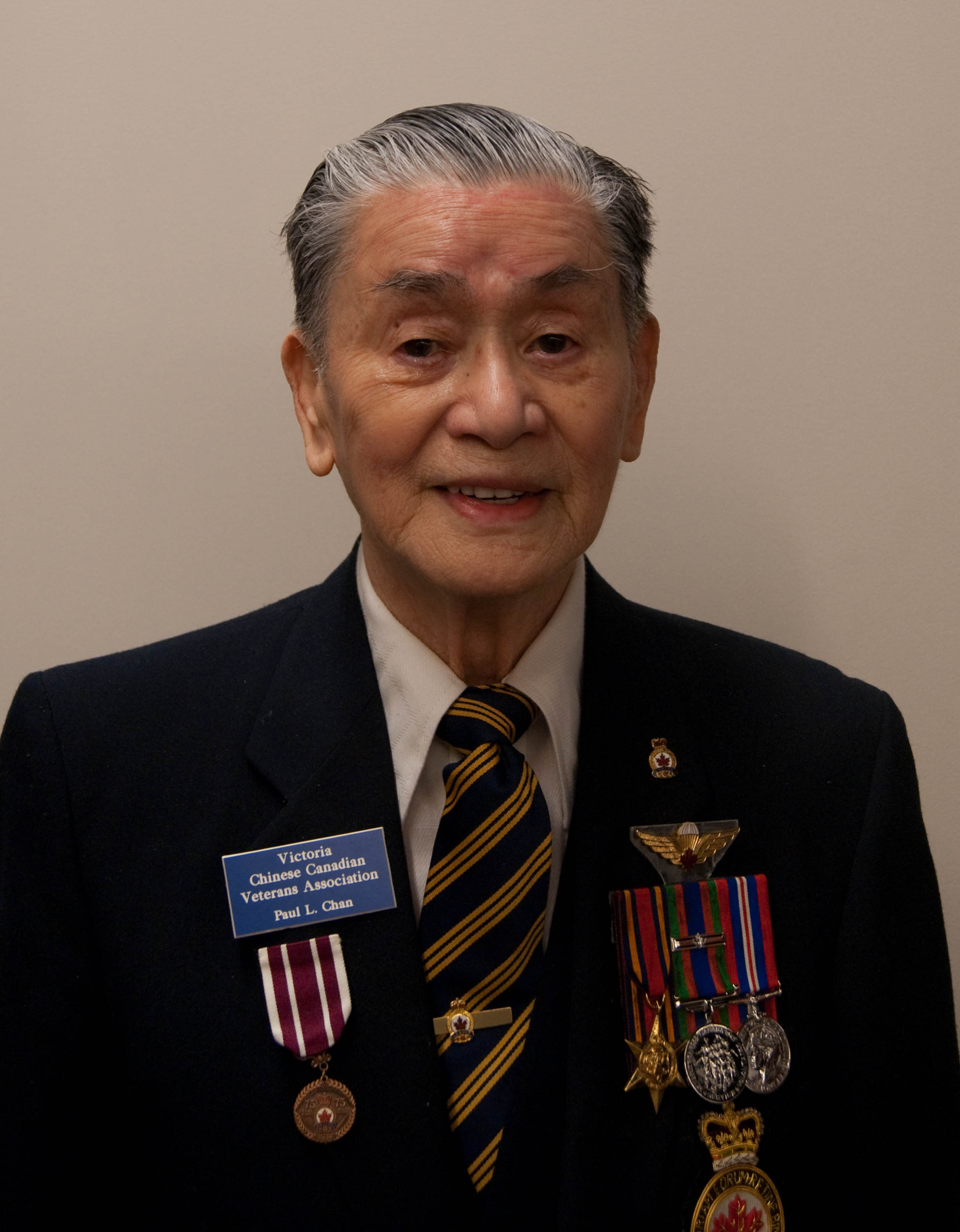
Paul Lup Chan (Primary Source)
Paul Lup Chan served during the Second World War.Please be advised that Memory Project primary sources may deal with personal testimony that reflect the speaker’s recollections and interpretations of events. Individual testimony does not necessarily reflect the views of the Memory Project and Historica Canada.
"https://d3d0lqu00lnqvz.cloudfront.net/mpsb/Paul-Lup-Chan/2762_original.jpg" // resources/views/front/categories/view.blade.php
https://d3d0lqu00lnqvz.cloudfront.net/mpsb/Paul-Lup-Chan/2762_original.jpg