Share on Facebook
 Share on X
 Share by Email
 Share on Google Classroom
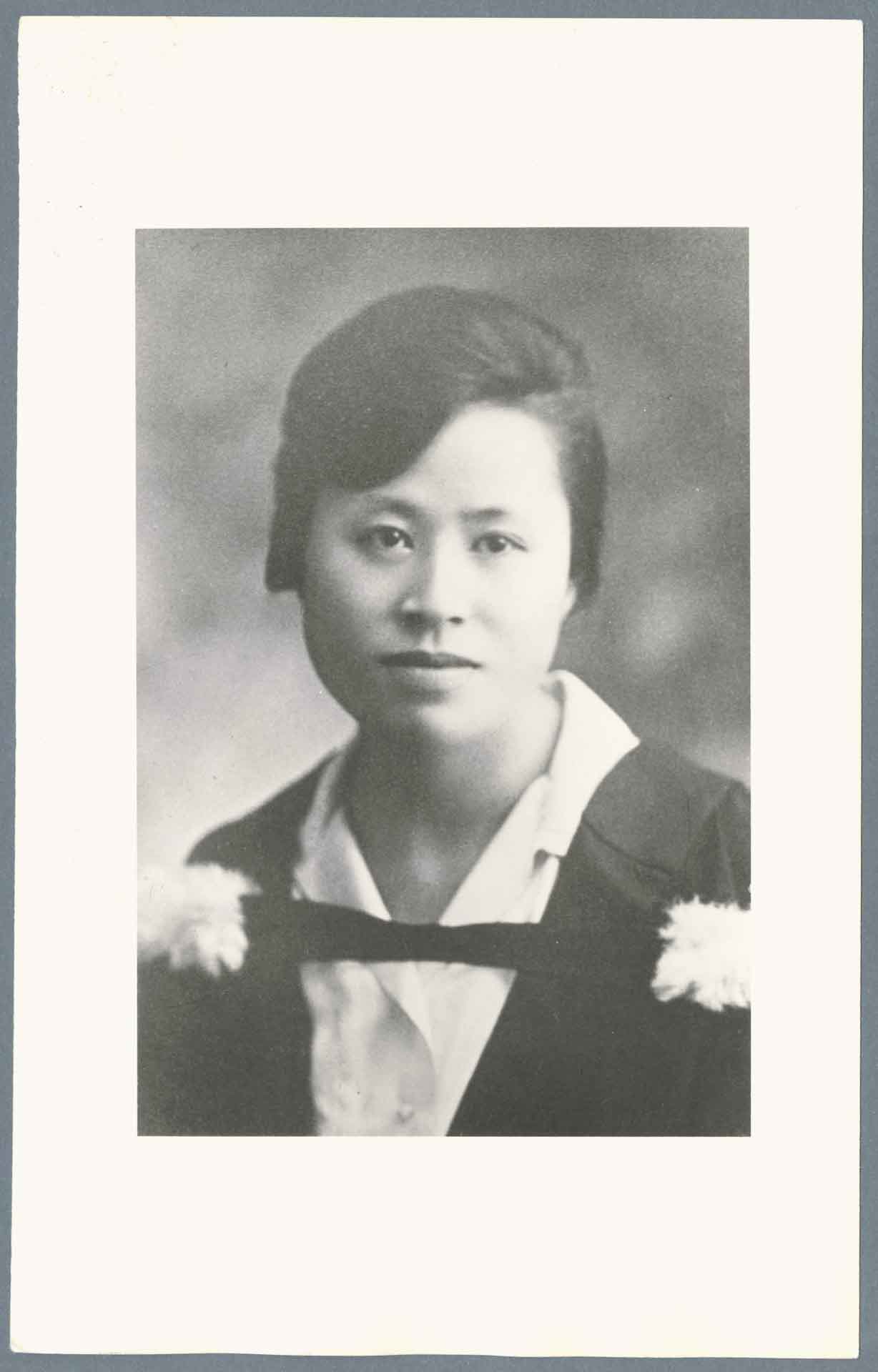
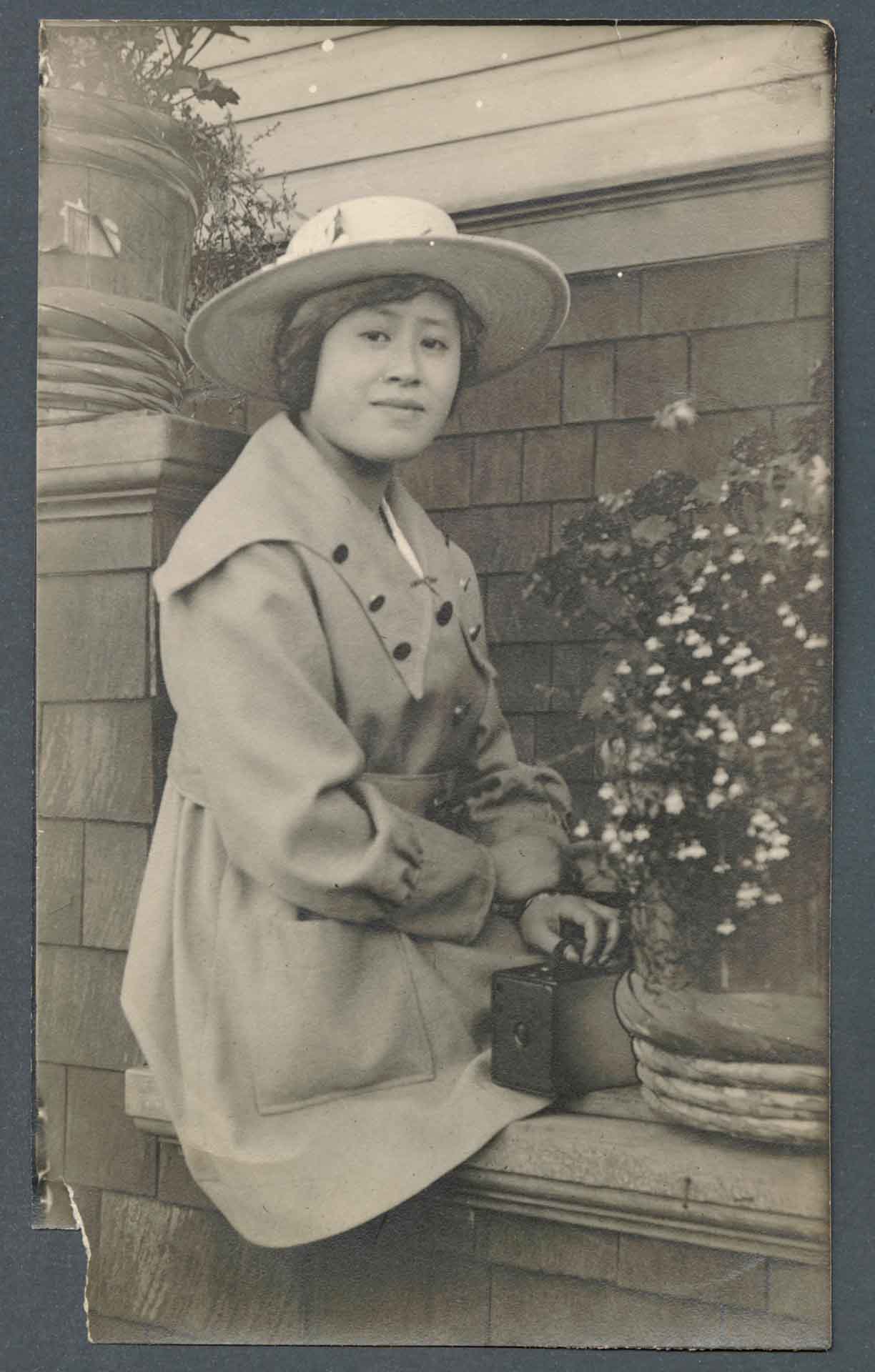
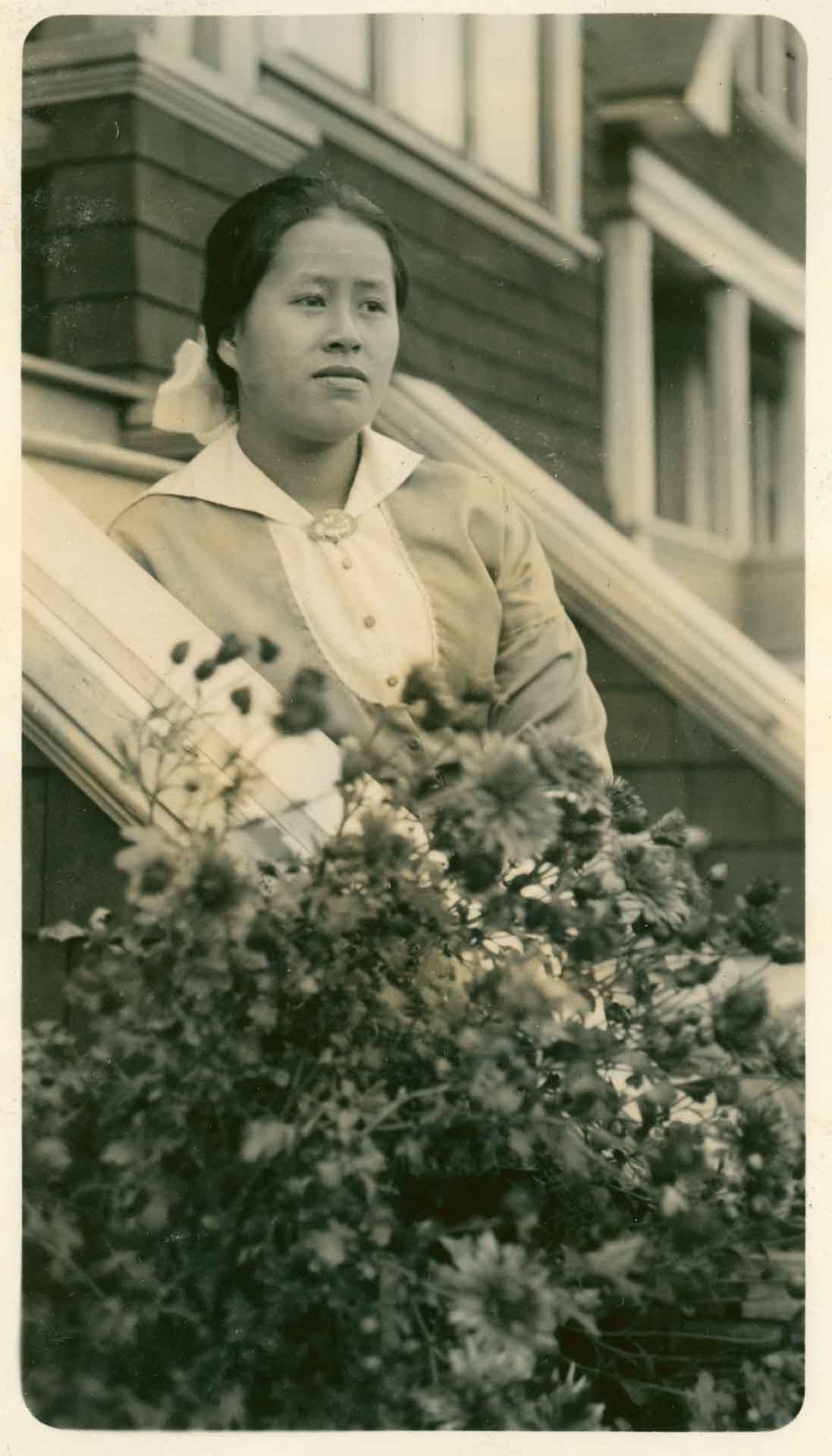
Victoria Chung (Chung Toy Mea), doctor (born 19 August 1897 in Victoria, BC; died 17 May 1966 in Jiangmen, China). Victoria Chung was likely the first documented Asian person to graduate medical school in Canada. (See Medical Education.) She overcame major barriers faced by Chinese women in Canada to have a long, successful career in medicine. She served as a missionary doctor in Southern China and spent the rest of her life providing medical services there, including during the Japanese occupation.
Early Life
Victoria Chung’s father, Chung Sing Noon, immigrated to Canada in 1881 and opened a small grocery store in Victoria, British Columbia. Her mother, Yin Han, studied as a physician in Guangdong, China, and later worked as a midwife in Victoria after immigrating to Canada in 1896.
Victoria Chung was born on 19 August 1897. Born in Victoria, her parents named her after her city of birth.
When Chung was three, her mother sent her to board at the Chinese Girls’ Rescue Home, later renamed the Victoria Oriental Home and School. Run by the Methodist Church, the Rescue Home provided aid to Chinese and Japanese women and children. The Chung family home was nearby, so Victoria and her family could still often visit each other. Chung’s mother believed that the school would give Victoria a good education in English and strong connections in the missionary world.
Victoria lived in the Home until she was 11. She then continued her education in the city’s public school system.
Medical School
After Victoria Chung graduated, the Presbyterian Church’s Women’s Missionary Society found her a scholarship to study at the University of Toronto’s medical school. At the time, there were no medical schools in British Columbia. Moreover, the province’s nursing schools frequently refused to accept students of Chinese descent. (See Racial Segregation of Asian Canadians.)
When Chung enrolled at the University of Toronto in 1917, she likely became the first Asian student to be admitted to a Canadian medical school. Upon graduation in 1922, she also likely became the first Asian graduate of a Canadian medical school. (See Medical Education.) She then went to New York, United States, in 1929 and London, England, in 1937 for graduate-level training.
Missionary Work
In spring 1923, Victoria Chung accepted a position as a Presbyterian medical missionary in Southern China. Her choice to leave Canada may have been influenced by the increasingly hostile political climate towards Chinese people at the time. (See Anti-Asian Racism in Canada.) Notably, on 1 July 1923, Canada passed the Chinese Immigration Act, which barred new Chinese immigrants from entering Canada. (See Anti-Chinese Immigration Policies in Canada.)
Chung arrived in China in autumn 1923 to begin her missionary work in Jiangmen, a treaty port city under British influence in the southern province of Guangdong. She worked in the Marion Barclay Hospital, a Presbyterian-run hospital that provided care for women and children.
Chung’s early experiences in China made her determined to continue providing medical assistance whatever the situation. On 30 May 1925, British police in Shanghai fired upon a group of Chinese protesters, killing some. The incident sparked a much larger protest movement against British imperialism known as the May Thirtieth Movement. By June, the protest movement had reached Jiangmen. Chung and her other missionary colleagues fled to Hong Kong. Chung returned a few months later in December, feeling that the hospital’s work was too important for her to stay away.
In December 1925, Chung was promoted to director of the Marion Barclay Hospital. As director, she expanded and modernized the hospital. In addition, she was responsible for running the hospital’s daily operations, treating patients and supervising medical students.
Second World War
Japan invaded China in July 1937, when Victoria Chung was back in Canada on leave. Despite the war, she returned to the hospital in Jiangmen later in early 1938. (See also Second World War (WWII).)
In October 1938, the Japanese army attacked the nearby city of Guangzhou. As thousands fled to Jiangmen, Chung helped turn the hospital into a refugee camp. The hospital had a large British flag painted on the roof to identify it as a British missionary hospital in the hopes that Japan would avoid attacking it. At that time, Britain and Canada were not yet at war with Japan.
Japan took control of Jiangmen in spring 1939. Chung remained at the hospital caring for refugees, even while other female missionaries evacuated Jiangmen. She felt deeply moved by the hardships of Jiangmen’s poorer residents during the occupation and wanted to help them. As a Canadian missionary, she was still able to move more freely around the city than Chinese medical workers, whose travels were often restricted by the Japanese army.
Japanese Occupation
On 8 December 1941, Japan attacked British-held territories across Asia. (See: Battle of Hong Kong; Canada and the Asia-Pacific War.) The attack meant that Japan now considered British and Canadian missionaries as enemies. Soon afterwards, Japanese troops seized the hospital and expelled nearly all of the British missionaries from Jiangmen. Because of her Chinese heritage, Victoria Chung was able to pass as a local Chinese resident. To be able to stay, she did not tell the Japanese troops that she had been born in Canada. (See also Immigrant Diasporas in Canada.)
Chung was determined to continue providing care despite the Japanese occupation. She and two other hospital nurses bought a small building in Jiangmen and opened a small clinic. Throughout the occupation, their clinic continued providing aid to Jiangmen’s residents.
The work was often extremely dangerous, especially as Chung had to hide her country of birth to avoid being suspected as a British spy. One evening, Chung did not bow low enough to passing Japanese troops. The troops seized her and imprisoned her at the naval headquarters. Fortunately, she had strong connections in the city who pressured the Japanese to let her go. The next day, the troops freed Chung.
After the war ended in August 1945, Chung returned to her post as the director of the Marion Barclay Hospital.
Postwar and the Communist Revolution
When the Chinese Communist Party (CCP) took control of China in 1949, Victoria Chung yet again chose to stay. Over the next year, most of the white missionaries in Jiangmen chose to leave or were expelled by the CCP. Chung decided to continue as the hospital’s director. Notably, she oversaw the hospital’s implementation of the CCP’s directive to provide both Western and traditional Chinese medicine.
Despite her work, CCP authorities accused her in 1952 of embezzling money from the hospital. She confessed and paid the fine to avoid further punishment. Two years later, the authorities took back their accusation, admitting that she had not stolen the money, and repaid her fine.
Personal Life
Victoria Chung never married. In 1955, Chung adopted a 12-year-old boy, Songqia, to keep her family line going. Throughout most of her years in Jiangmen, she lived with her mother. She was also close with members of her extended family.
She continued to serve as director of the hospital until her death. On 17 May 1966, Victoria Chung died from cancer at the age of 68. Hundreds of people gathered on the city streets to pay their respects during her funeral procession.
Legacy
Victoria Chung received honours in China during her lifetime. In the 1950s, the Chinese Communist Party (CCP) honoured her as a Model Worker and as a National Cultural Hero for her work in medical education.
However, after her death in 1966, the CCP declared Chung an imperialist during the Cultural Revolution. (See also Canada and the Cold War.) This designation buried her memory until the 21st century, when Jiangmen began to reclaim her as a national hero. On the centenary of the founding of the Marion Barclay Hospital, the hospital held a ceremony in recognition of Chung and installed a bust of her in the hospital’s entrance.
Her role as an Asian Canadian trailblazer has also been honoured in Canada. In 2012, the City of Victoria proclaimed 8 December to be Dr. Victoria Chung Day.