Share on Facebook
 Share on X
 Share by Email
 Share on Google Classroom
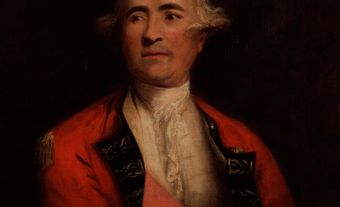
James Glenie, army officer, military engineer, politician (born 1750 in Fife, Scotland; died 23 November 1817 in London, England).
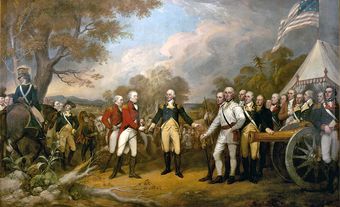
James Glenie served in Quebec under John Burgyone and Frederick Haldimand during the American Revolution. After the war, he resigned his army commission and settled in New Brunswick (1787). Already he had a reputation as opinionated and prickly, yet blessed with intellectual ability and engineering talent. His involvement in the naval mast trade and frustration over several land schemes brought him into conflict with Lieutenant-Governor Thomas Carleton and the Loyalist élite. (See also Shipbuilding and Ship Repair.)
First elected to the New Brunswick Assembly in 1789, Glenie was part of the Assembly rights faction. He became an outspoken critic of the governor and Council and contributed substantially to the political deadlock of 1795 to 1799. While Glenie's attacks did make the Loyalist political culture more accommodating, his abrasive and relentless opposition alienated friends as well as foes. By the early 1800s, moderate assemblymen had come to terms with Carleton and the Council but Glenie's criticisms continued, although frequently he lacked majority support in the Assembly. By 1805, Glenie withdrew to England to eke out a living through various appointments and then by employing his considerable talents as a mathematician, but he died in poverty.