
Browse "Things"
-
Article
Filipino Food in Canada
According to the 2021 census, there were over 925,000 Filipino Canadians in Canada. That year, the Philippines was also the second most common country of birth among people who moved to Canada. (See Immigration to Canada.) As a result, Filipino food is an emerging cuisine in Canada. However, it’s underrepresented in Canada’s diverse food landscape compared to other Asian cuisines. (See also: Chinese Food in Canada; Indian Food in Canada.) Filipino cuisine is made up of multiple food traditions. It combines Indigenous Austronesian food practices with other overseas traditions. Notably, the Philippines' colonial past led to Spanish and American culinary influences. Mexican, Chinese and other international influences also shaped Filipino food because of trade or as indirect results of colonialism. The Philippines is a very diverse country, which is also reflected in Filipino cuisine. See also Popular Filipino Dishes in Canada.
"https://d3d0lqu00lnqvz.cloudfront.net/FilipinoFood/adobo.jpg" // resources/views/front/categories/view.blade.php
https://d3d0lqu00lnqvz.cloudfront.net/FilipinoFood/adobo.jpg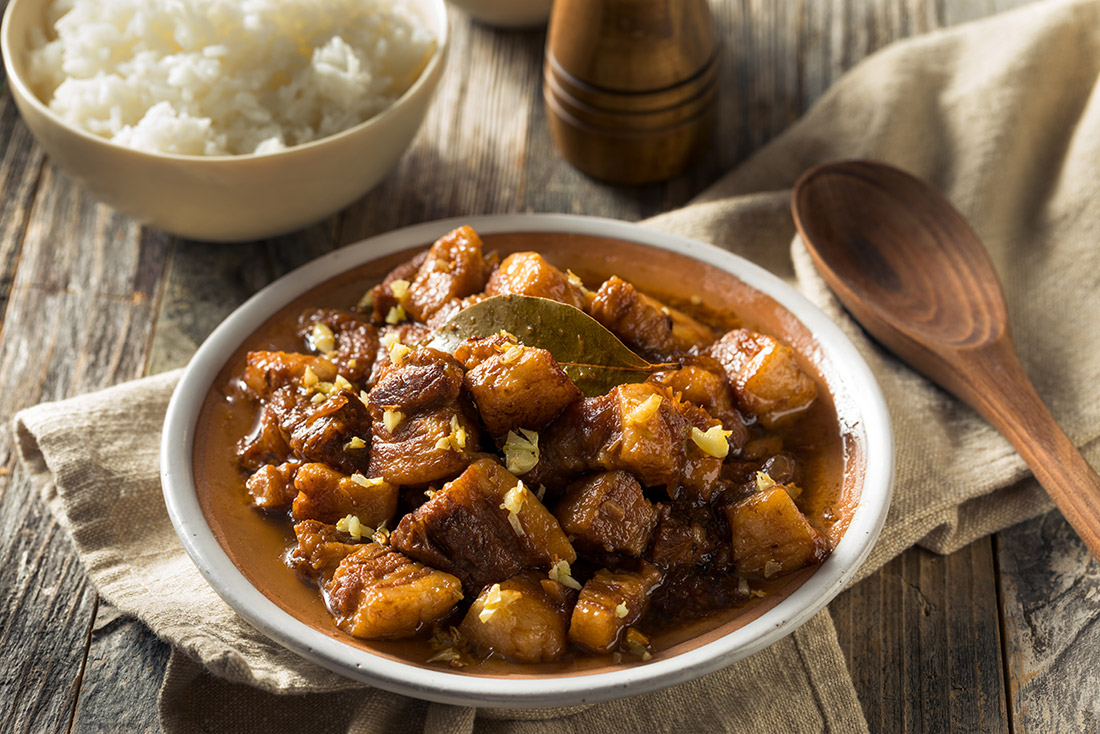
-
Article
Filipino Canadians
Filipinos have been in Canada as early as the late 19th century. Migration from the Philippines to Canada significantly increased from the 1960s onward. (See Immigration to Canada.) In the 2021 census, 957,355 people reported being of Filipino ethnic origin. Filipino Canadians are the largest group of Southeast Asian Canadians. Among Filipino Canadians, women outnumber men by 55.3 per cent to 44.7 per cent. The Philippines is the third-largest country of origin for people who migrated to Canada.
"https://d3d0lqu00lnqvz.cloudfront.net/Canada_Philippines_2.jpg" // resources/views/front/categories/view.blade.php
https://d3d0lqu00lnqvz.cloudfront.net/Canada_Philippines_2.jpg
-
Article
Filles du Roi
The Filles du Roi were a cohort of around 800 unmarried women sponsored by the King to immigrate to New France between 1663 and 1673. At the time, private interests instead gave priority to bringing over male workers. As a result, the French government and religious communities attempted to correct the gender imbalance in the colony. By facilitating the migration of the Filles du Roi, Minister Jean-Baptiste Colbert sought to incentivize male workers, who had finished their contract, and soldiers of the Carignan-Salières regiment (which had just been demobilized) to settle in the colony. Today, many people can trace their ancestry to the Filles du Roi.
"https://d3d0lqu00lnqvz.cloudfront.net/media/media/d698c031-e790-4c17-906a-5b880e71e24d.jpg" // resources/views/front/categories/view.blade.php
https://d3d0lqu00lnqvz.cloudfront.net/media/media/d698c031-e790-4c17-906a-5b880e71e24d.jpg
-
Article
Film Distribution in Canada
Film distribution is one of the three main branches of the film industry. It provides the link between film production and exhibition. It is also the most profitable of the three sectors and is dominated by large multinational conglomerates. Film distribution companies supply movies, television programs, videos and new media to outlets such as cinemas and broadcasters. They do so in territories where they have acquired rights from the producers. Traditionally, distribution companies are the prime source for financing new productions. The distribution sector has been called “the invisible art.” Its practices tend to only concern industry insiders and go unnoticed by audiences. American companies dominate film distribution in Canada. They have controlled access to Canadian screens since the 1920s. (See also: Canadian Film History: 1896 to 1938.)
"https://d3d0lqu00lnqvz.cloudfront.net/media/media/d10595af-11b7-4974-94a8-9187ef18aa77.jpg" // resources/views/front/categories/view.blade.php
https://d3d0lqu00lnqvz.cloudfront.net/media/media/d10595af-11b7-4974-94a8-9187ef18aa77.jpg
-
Article
Société des Fils de la liberté
Founded in Montréal on 5 September 1837, the Société des Fils de la liberté was a paramilitary group affiliated with the Patriotes, formed in response to growing frustration among the Parti patriote and its supporters that political reform in Lower Canada was taking too long. Their aim was to support and protect the Patriotes. Borrowing their name from the American revolutionary secret society known as the Sons of Liberty, the group included some of the most important members of the party, including Louis-Joseph Papineau and Edmund Bailey O’Callaghan. In Montréal, the group was opposed by the English-speaking paramilitary group the Doric Club, which led to a violent confrontation on 6 November 1837. The group disbanded shortly afterwards and many of its members went on to participate in the Canadian Rebellion.
"https://d3d0lqu00lnqvz.cloudfront.net/media/media/37aadc48-3f88-4946-a9aa-0d2ad30495cd.jpg" // resources/views/front/categories/view.blade.php
https://d3d0lqu00lnqvz.cloudfront.net/media/media/37aadc48-3f88-4946-a9aa-0d2ad30495cd.jpg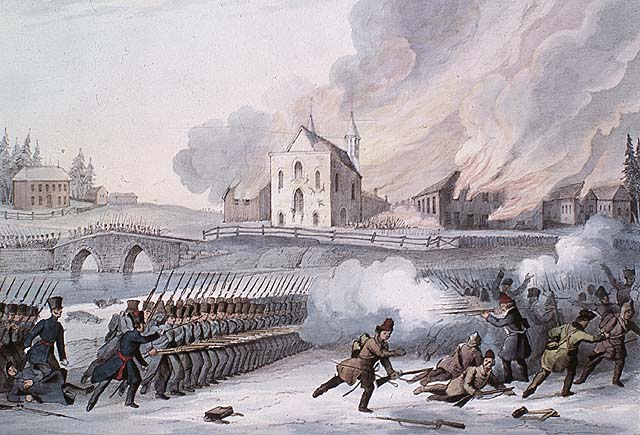
-
Article
Fin Whale
The fin whale (Balaenoptera physalus) is the second-largest animal on Earth. It is built to move through water at fascinating speeds, rarely breaches the surface for humans to witness and is known for the unique colouring on its lower jaw. In Canada, this baleen creature, also known as the finback whale, was brought to near extinction through 20th-century whaling practices. However, they have made a slow comeback since commercial whaling ended in the 1970s. Nowadays, fin whales are found on both the Atlantic and Pacific coasts in Canada, as well as all over the world.
"https://d3d0lqu00lnqvz.cloudfront.net/finwhale/Fin-Whale-Aerial-Shot.jpg" // resources/views/front/categories/view.blade.php
https://d3d0lqu00lnqvz.cloudfront.net/finwhale/Fin-Whale-Aerial-Shot.jpg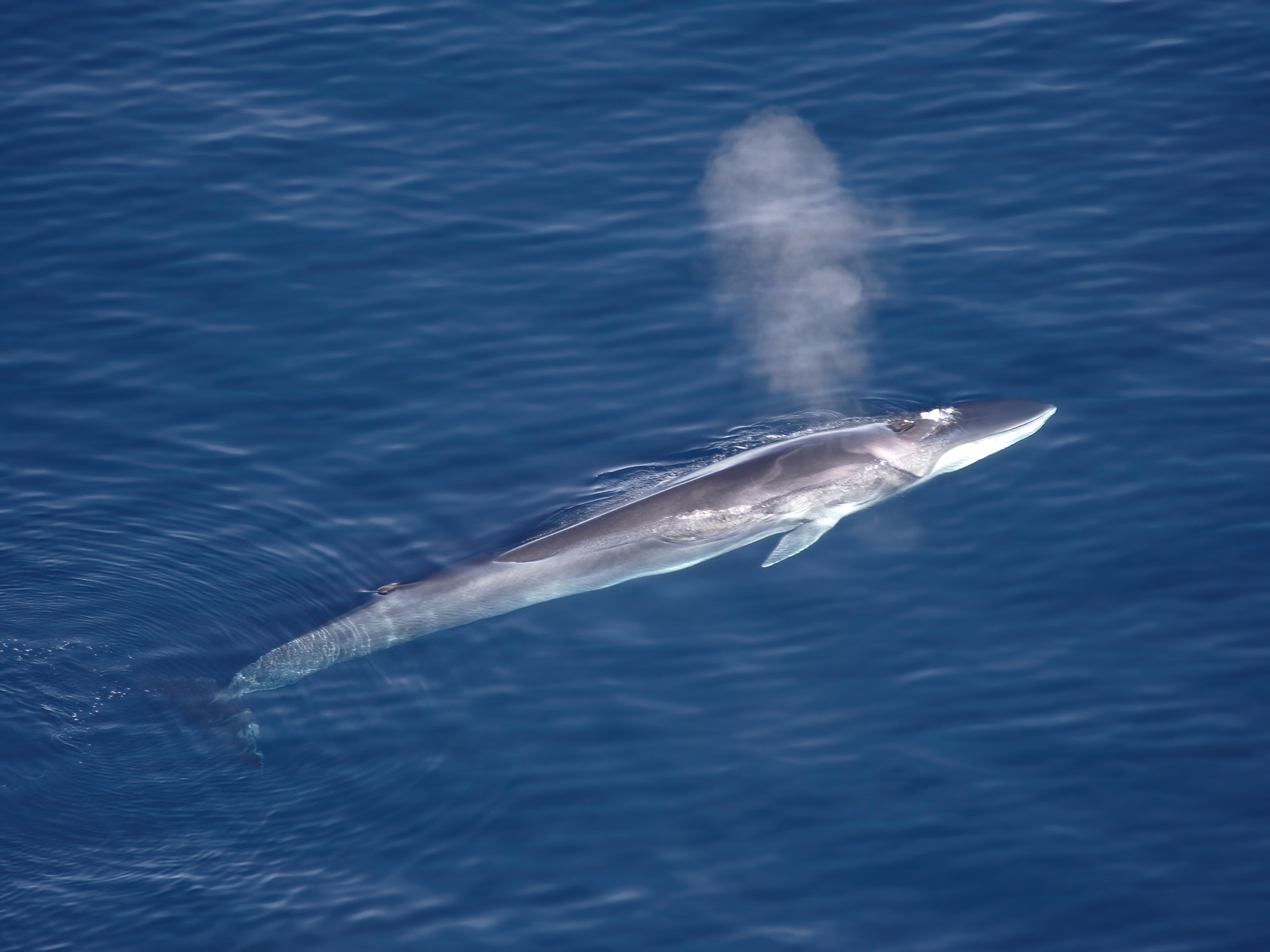
-
Article
Finance Act
Finance Act, August 1914, emergency measure ending Canada's GOLD STANDARD and giving the Department of Finance new powers.
"https://thecanadianencyclopedia.ca/images/tce_placeholder.jpg?v=e9dca980c9bdb3aa11e832e7ea94f5d9" // resources/views/front/categories/view.blade.php
https://thecanadianencyclopedia.ca/images/tce_placeholder.jpg?v=e9dca980c9bdb3aa11e832e7ea94f5d9
-
Article
Financial Aid to Students
Some form of financial support to needy post-secondary students has been available in Canada for many years. Until 1939 this primarily took the form of privately funded assistance from universities and colleges to students with high scholastic achievement.
"https://thecanadianencyclopedia.ca/images/tce_placeholder.jpg?v=e9dca980c9bdb3aa11e832e7ea94f5d9" // resources/views/front/categories/view.blade.php
https://thecanadianencyclopedia.ca/images/tce_placeholder.jpg?v=e9dca980c9bdb3aa11e832e7ea94f5d9
-
Article
Financial Bubbles in Canada
In economics, a bubble refers to a rapid rise in asset prices, to the point that they become disconnected from the fundamental value of the underlying asset. A change in investor behaviour is the most common cause of a bubble. When many investors rush to invest in a new technology or take advantage of low interest rates, for example, the increased demand for the asset can raise the price far above its real worth.
"https://d3d0lqu00lnqvz.cloudfront.net/media/new_article_images/EconomicsSummaries/dreamstimeextralarge_45999989.jpg" // resources/views/front/categories/view.blade.php
https://d3d0lqu00lnqvz.cloudfront.net/media/new_article_images/EconomicsSummaries/dreamstimeextralarge_45999989.jpg
-
Article
Financial Post
The Financial Post was a newspaper founded by John Bayne MACLEAN, who also founded MACLEAN'S magazine. Intended to provide reliable investment information, especially to the Toronto business community, The Financial Post published its first issue on 12 January 1912.
"https://thecanadianencyclopedia.ca/images/tce_placeholder.jpg?v=e9dca980c9bdb3aa11e832e7ea94f5d9" // resources/views/front/categories/view.blade.php
https://thecanadianencyclopedia.ca/images/tce_placeholder.jpg?v=e9dca980c9bdb3aa11e832e7ea94f5d9
-
Article
Financial Services in Canada
Financial services, as the name implies, are finance-related services that businesses provide to clients. In a Canadian context, the best example relates to the country’s large banks. The World Economic Forum ranked Canada’s large banks as the safest on the planet following the 2008 financial crisis.
"https://d3d0lqu00lnqvz.cloudfront.net/media/new_article_images/EconomicsSummaries/dreamstimeextralarge_132822077.jpg" // resources/views/front/categories/view.blade.php
https://d3d0lqu00lnqvz.cloudfront.net/media/new_article_images/EconomicsSummaries/dreamstimeextralarge_132822077.jpg
-
Article
Financial Times
Financial Times of Canada, The, was a weekly, tabloid-sized business newspaper first published as The Montreal Financial Times on 21 June 1912. It was purchased in 1961 by Southam-Maclean Publications Limited, a subsidiary of the Southam Company Limited, now SOUTHAM INC.
"https://thecanadianencyclopedia.ca/images/tce_placeholder.jpg?v=e9dca980c9bdb3aa11e832e7ea94f5d9" // resources/views/front/categories/view.blade.php
https://thecanadianencyclopedia.ca/images/tce_placeholder.jpg?v=e9dca980c9bdb3aa11e832e7ea94f5d9
-
Article
Finch
Finch is a common name for one of the larger bird families, Fringillidae, which occurs worldwide (introduced in Australia). It includes some GROSBEAKS, crossbills, Hawaiian honey creepers, redpolls, siskins and birds specifically named finches.
"https://d3d0lqu00lnqvz.cloudfront.net/media/media/eca83442-77d5-44c5-87d2-63625c1052a5.jpg" // resources/views/front/categories/view.blade.php
https://d3d0lqu00lnqvz.cloudfront.net/media/media/eca83442-77d5-44c5-87d2-63625c1052a5.jpg
-
Article
Finnish Music in Canada
Finnish music first appeared in Canada with the early waves of immigration dating back to the mid-18th century. Finnish communities in Ontario, Quebec and British Columbia introduced the songs and instruments of their homeland, such as the works of famous composer Jean Sibelius (1865–1957). Many musicians of Finnish descent have enjoyed successful careers in Canada, thereby contributing to the enrichment of their communities’ cultural life.
"https://thecanadianencyclopedia.ca/images/tce_placeholder.jpg?v=e9dca980c9bdb3aa11e832e7ea94f5d9" // resources/views/front/categories/view.blade.php
https://thecanadianencyclopedia.ca/images/tce_placeholder.jpg?v=e9dca980c9bdb3aa11e832e7ea94f5d9
-
Article
Finnish Canadians
Between 1835 and 1865, several hundred immigrants from Finland settled in Alaska (which was part of Russia at that time). Many moved down the coast to British Columbia (see Sointula). Some early Finnish immigrants to Ontario worked on the construction of the first Welland Canal, which was completed in 1829. The 2021 census reported 144,055 people of Finnish origin in Canada.
"https://d3d0lqu00lnqvz.cloudfront.net/media/new_article_images/FinnishCanadians/Finnish_immigrants_in_Rouyn,_Quebec,_Canada,_1926.png" // resources/views/front/categories/view.blade.php
https://d3d0lqu00lnqvz.cloudfront.net/media/new_article_images/FinnishCanadians/Finnish_immigrants_in_Rouyn,_Quebec,_Canada,_1926.png