Share on Facebook
 Share on X
 Share by Email
 Share on Google Classroom
Canada has world-class history, art, science and natural history museums, but not every tourist guide covers the country’s more unusual institutions. Some museums specialize in research and preservation of a particular aspect of history, while others take a whimsical approach to their displays. Here are several of Canada’s more unique museums.
Bata Shoe Museum (Toronto, Ontario)
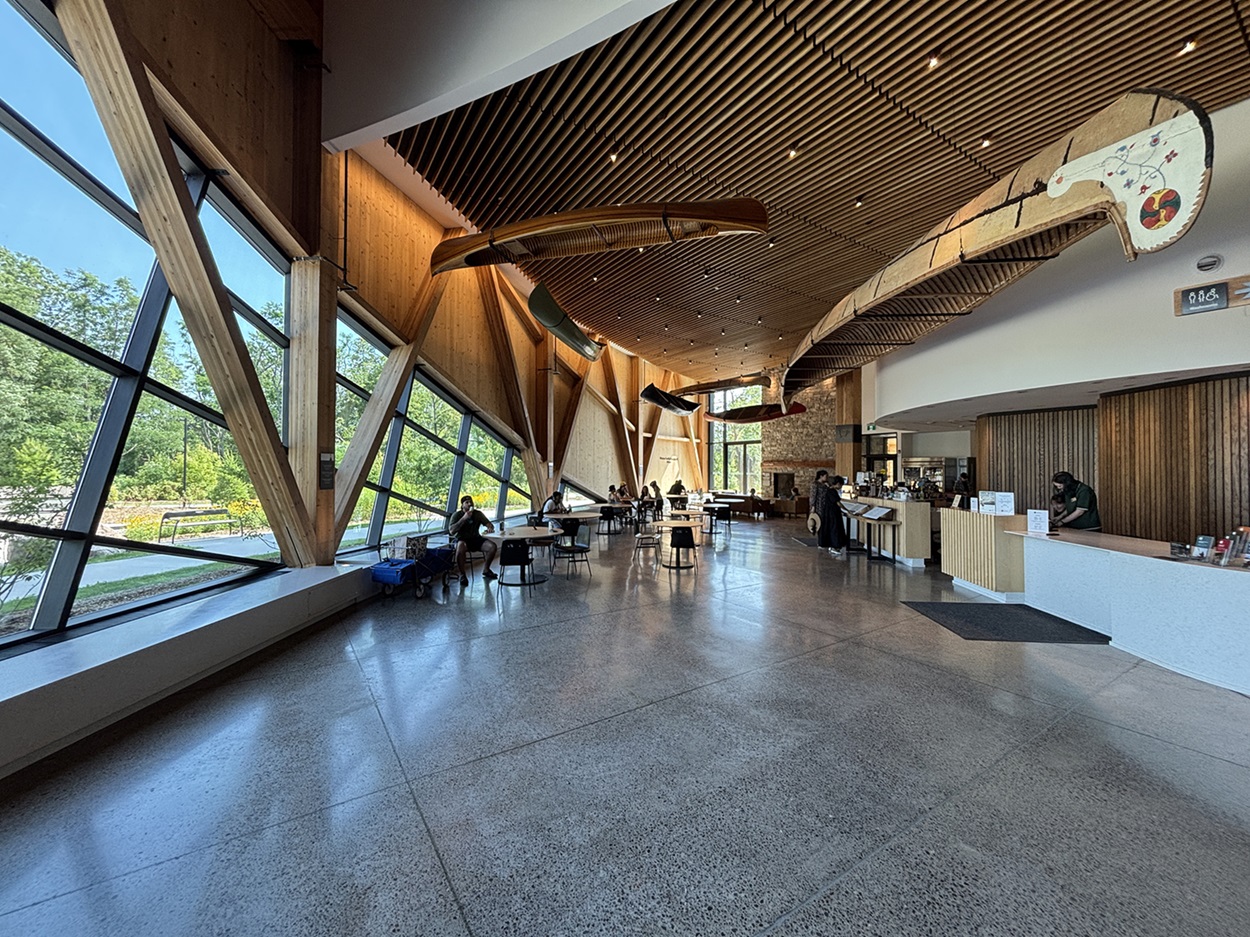
Located in a building designed by famed Japanese Canadian architect Raymond Moriyama, the Bata Shoe Museum is exactly what it claims to be: a museum dedicated to the history of footwear. The museum’s founder, Swiss Canadian philanthropist Sonja Bata, married a shoe industry magnate and travelled the world collecting traditional footwear and unique shoes. She kept these shoes in her basement until an anthropologist friend told her that many of her pieces were museum-quality. She founded the Bata Shoe Museum, her collection forming the basis of the museum’s extensive permanent collection, which contains over 15,000 pieces and covers 4,500 years of history. The museum also hosts rotating temporary exhibitions.
Canadian Canoe Museum (Peterborough, Ontario)
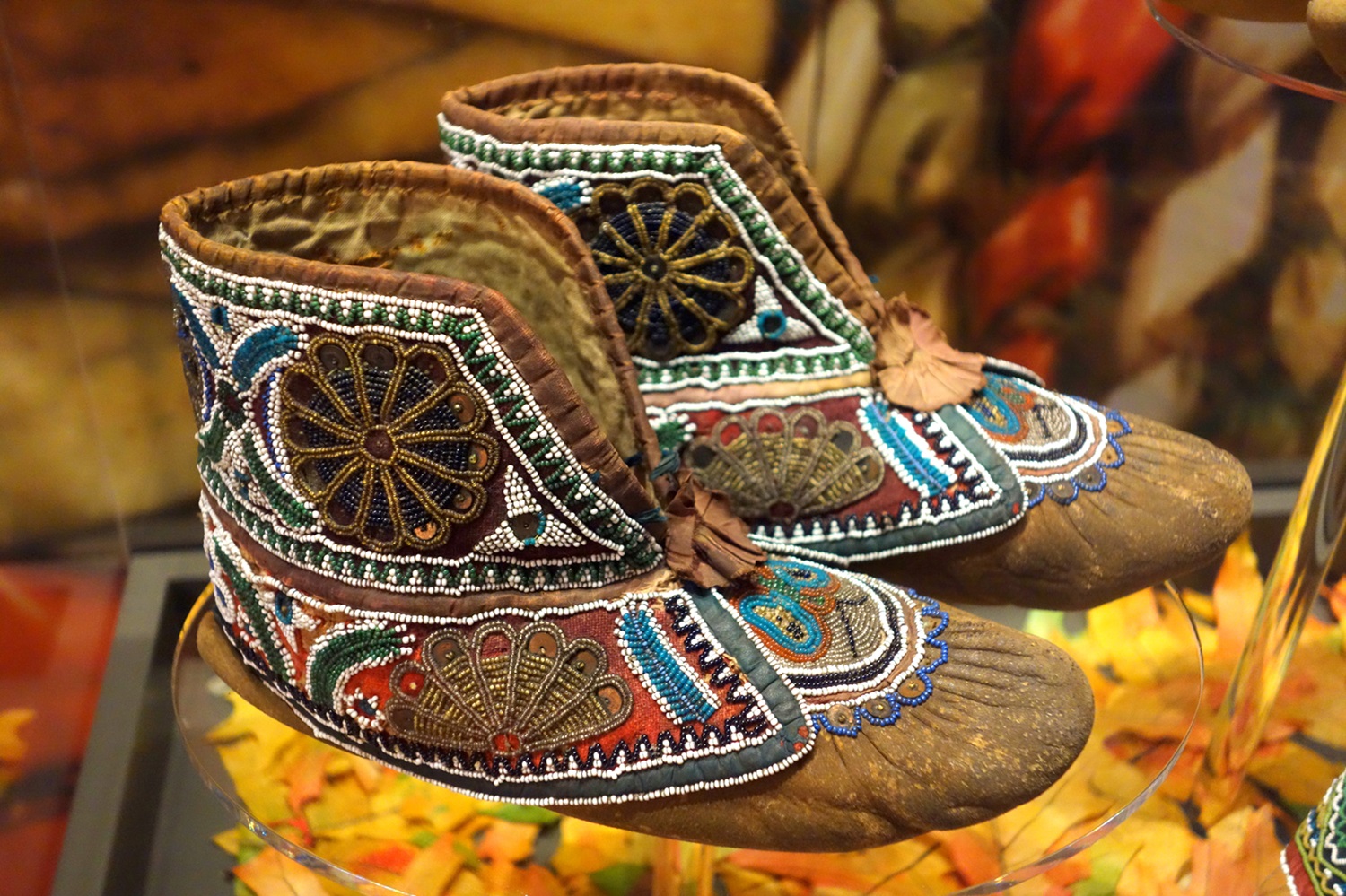
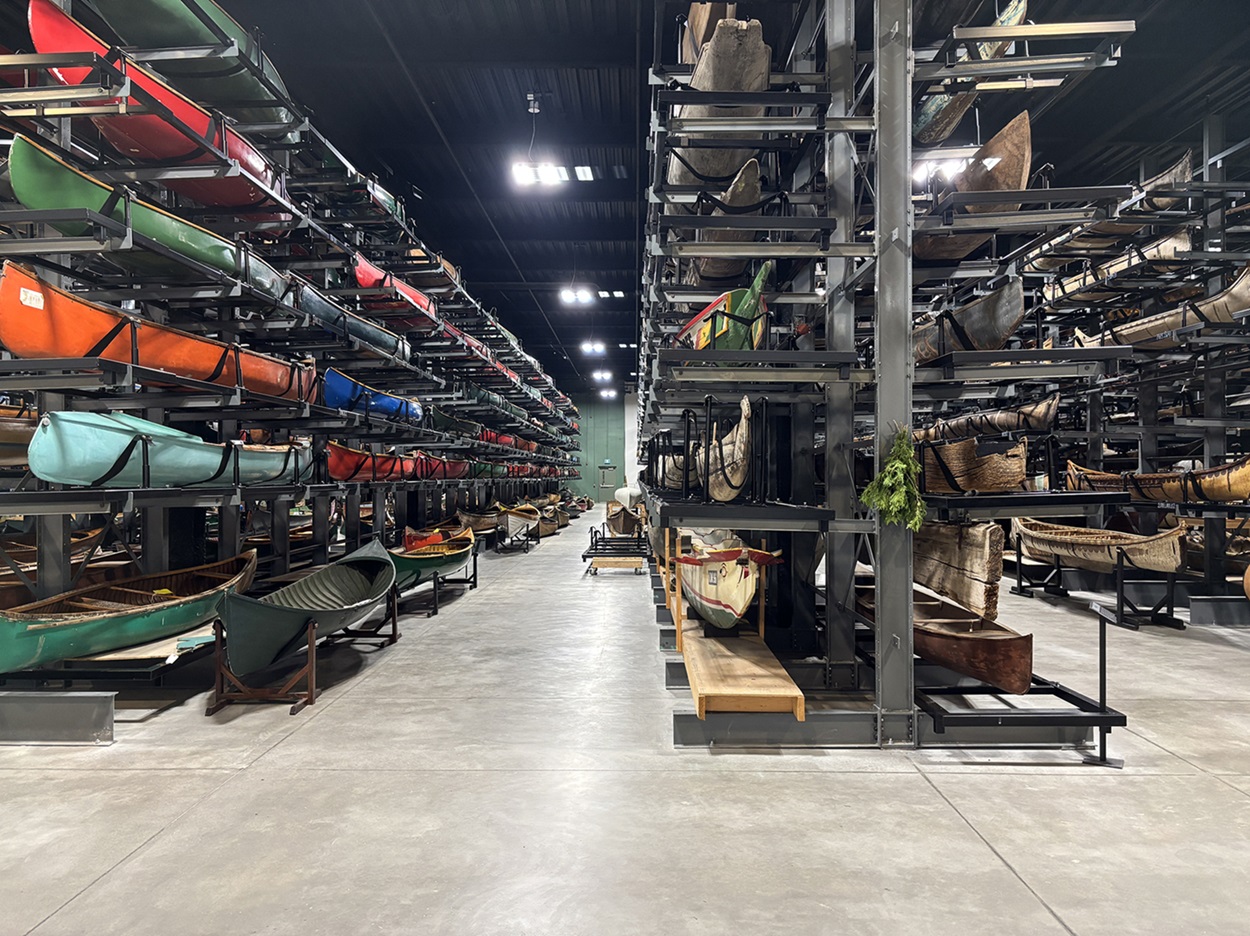
Built from the passion of Professor Kirk Wipper, a canoe collector, the Canadian Canoe Museum was founded in 1997 and originally named the Kanawa International Museum of Canoes, Kayaks and Rowing Craft. Formerly housed in an outboard motor factory, the museum moved to a waterfront property in 2023. With over 650 canoes and kayaks, the collection includes a birchbark canoe known as Kokomis Tchiman, which is eight metres long and was made by Métis elder Marcel Labelle. It also houses Adam van Koeverden’s kayak from the 2004 Olympics, as well as Haida dugout canoes. The museum offers paddling courses and canoe camps in addition to its collections.
Vulcan Tourism and Trek Station (Vulcan, Alberta)
The small town of Vulcan is named for the Roman god of fire rather than the planet from the Star Trek franchise, but when Trekkies began stopping by the town’s “Welcome to Vulcan” sign for photo ops, the town decided to embrace the coincidence. They developed their tourism station into a spaceship-shaped Star Trek museum, which opened in 1998. Tourists can visit the bridge of a starship, view a wide collection of Star Trek memorabilia and costumes, and stop into the gift shop for merchandise. The town even has a replica of the Starship Enterprise called the Starship FX6-1995-A, named after Vulcan’s airport designation. Each year in the last weekend of July, the town plays host to Vul-Con, a Star Trek convention.

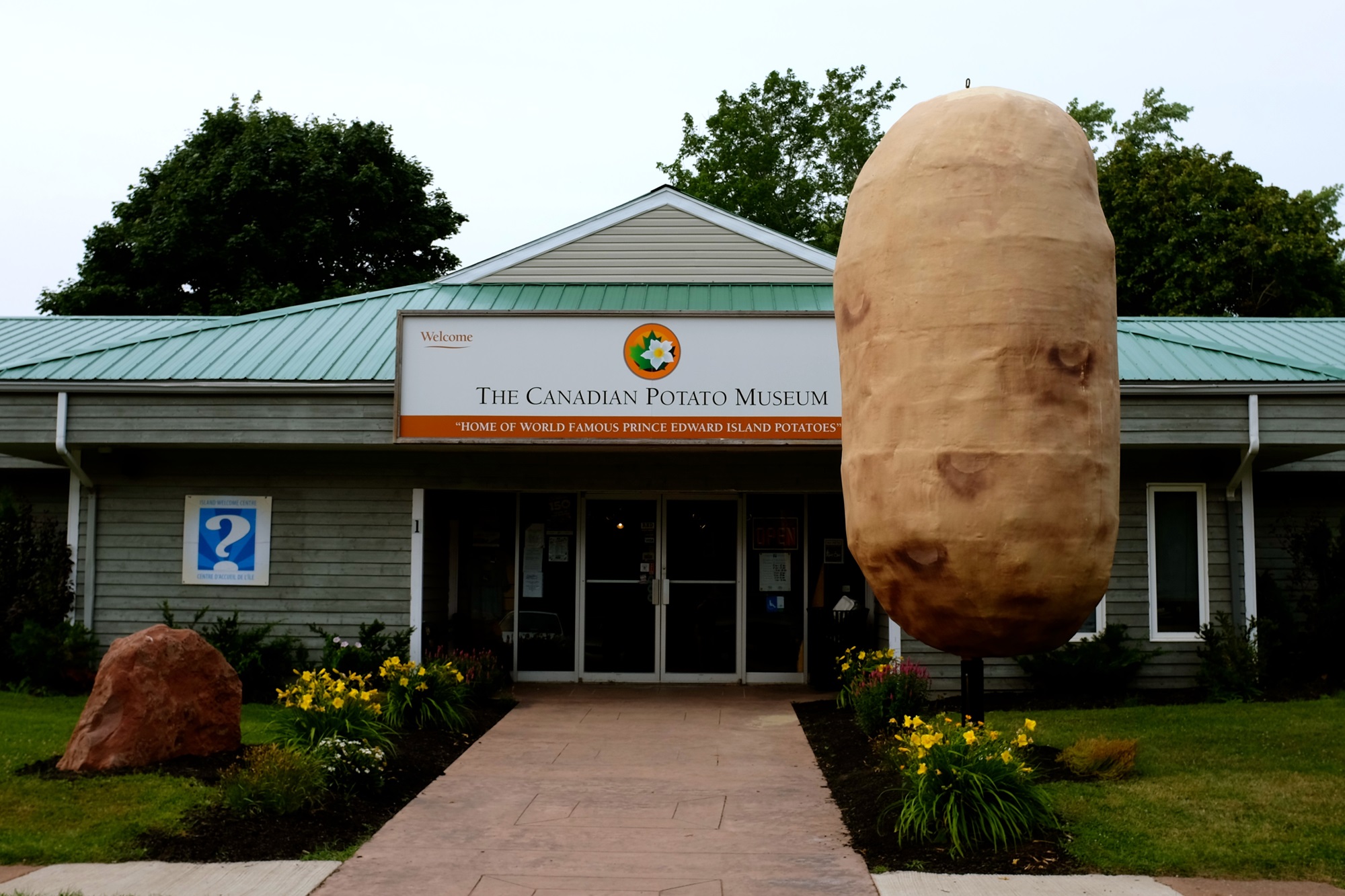
Canadian Potato Museum (O’Leary, Prince Edward Island)
Paying homage to PEI’s potato industry, the Canadian Potato Museum boasts that it has “the world’s largest exhibit of potato-related farm machinery, agricultural and community artifacts.” Featuring displays with names like the Potato Hall of Fame and the Amazing Potato Exhibit, the museum also has an over 4 m fibreglass statue of a Russet Burbank potato at its doors.The museum won the Premier’s Award for Tourism in 2014, after what was then its best season to date, with 10,000 visitors. The attached PEI Potato Country Kitchen serves potato-themed dishes to museum guests.
World Famous Gopher Hole Museum (Torrington, Alberta)
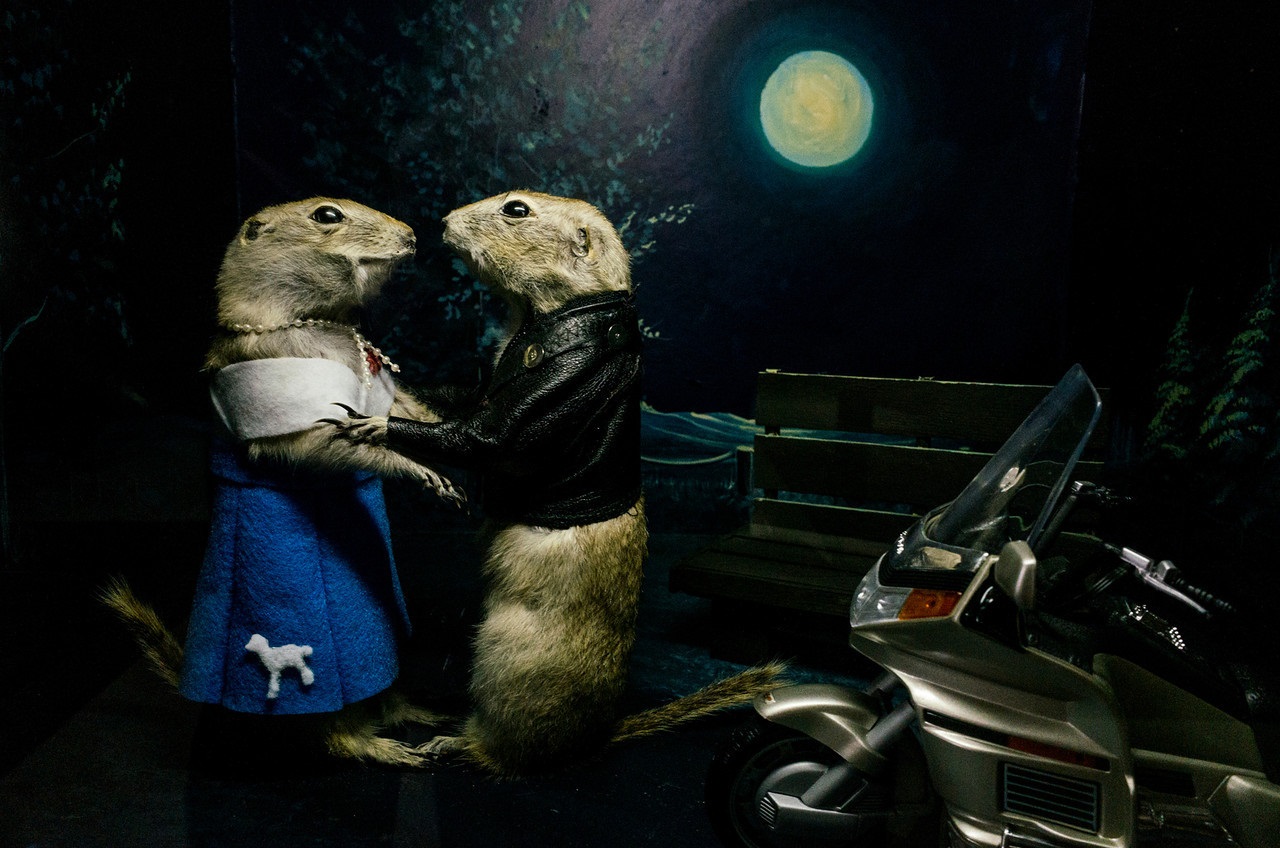
Founded in 1995 with a grant from the provincial government with the view of creating a tourist attraction, the World Famous Gopher Hole Museum in Torrington offers diorama displays of 82 taxidermized gophers — or Richardson’s ground squirrels, to be exact — doing human activities. (See also Squirrel Species in Canada.) Displays celebrate rural life and history by depicting everyday life in Torrington in bygone eras. Though its opening was protested by People for the Ethical Treatment of Animals (PETA), the museum eventually found itself host to 15,000 visitors a year.
The museum has been searching for a new home since 2025 due to insect infestations. As of April 2026, it was still in need of a new location and was operating on limited opening hours. That same month, an exhibit called Into the Gopher-verse was displayed at Calgary Comic Expo.
French Shore Interpretation Centre and the French Shore Tapestry (Conche, Newfoundland and Labrador)
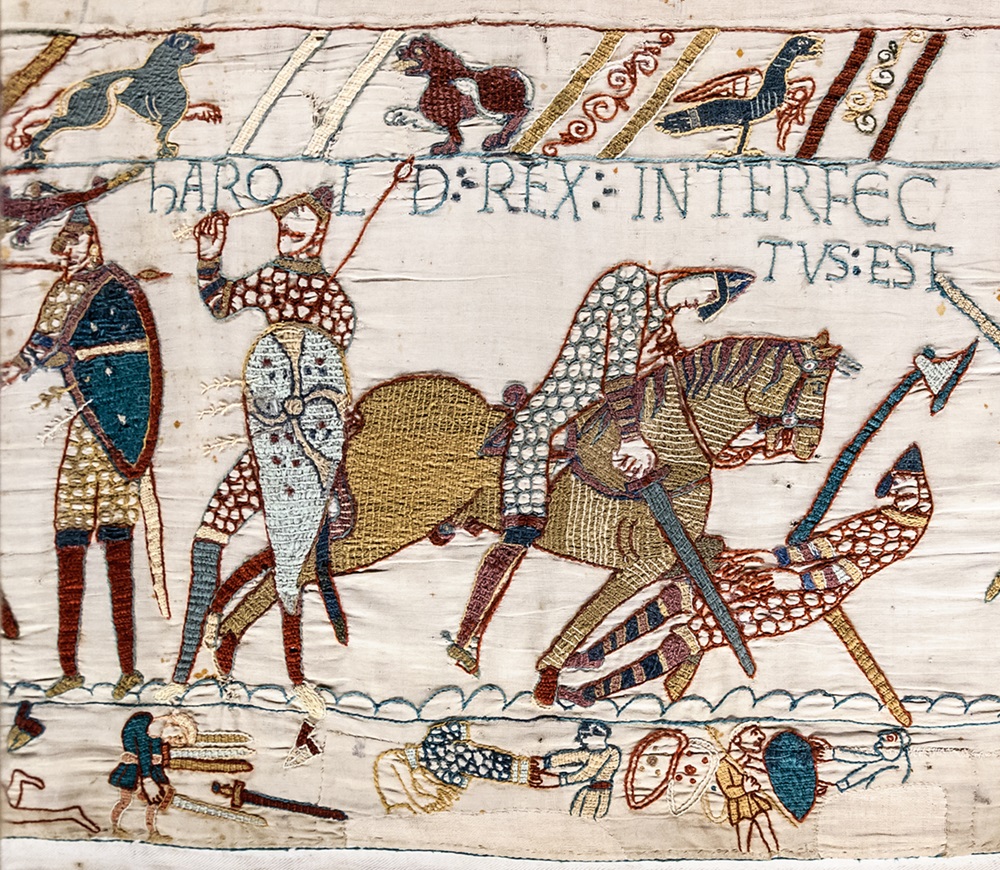
From the early 1500s until 1904, French fishermen visited the northern coast of Newfoundland to fish for cod. The history and culture of the European presence in this region, known as the French Shore, are preserved in the French Shore Interpretation Centre. What’s unusual about this museum is one of its key displays, the French Shore Tapestry. Inspired by the Bayeux Tapestry, a medieval artwork depicting the Norman conquest of England in 1066, the French Shore Tapestry was crafted by many local embroiderers. The project was the brainchild of French-born Newfoundland artist Jean Claude Roy and his wife, Christine Roy, who provided the artistic designs and research and colourization, respectively.
Did you know?
Neither the French Shore Tapestry nor the Bayeux Tapestry are truly tapestries. Tapestries use weaving to create an image that is part of the fabric itself. These pieces are instead examples of embroidery, in which an image is sewn onto an existing piece of fabric.
At 66 m long, the French Shore Tapestry took 24 months and 20,000 hours of artisans’ time to complete and depicts the history of the region.