Share on Facebook
 Share on X
 Share by Email
 Share on Google Classroom
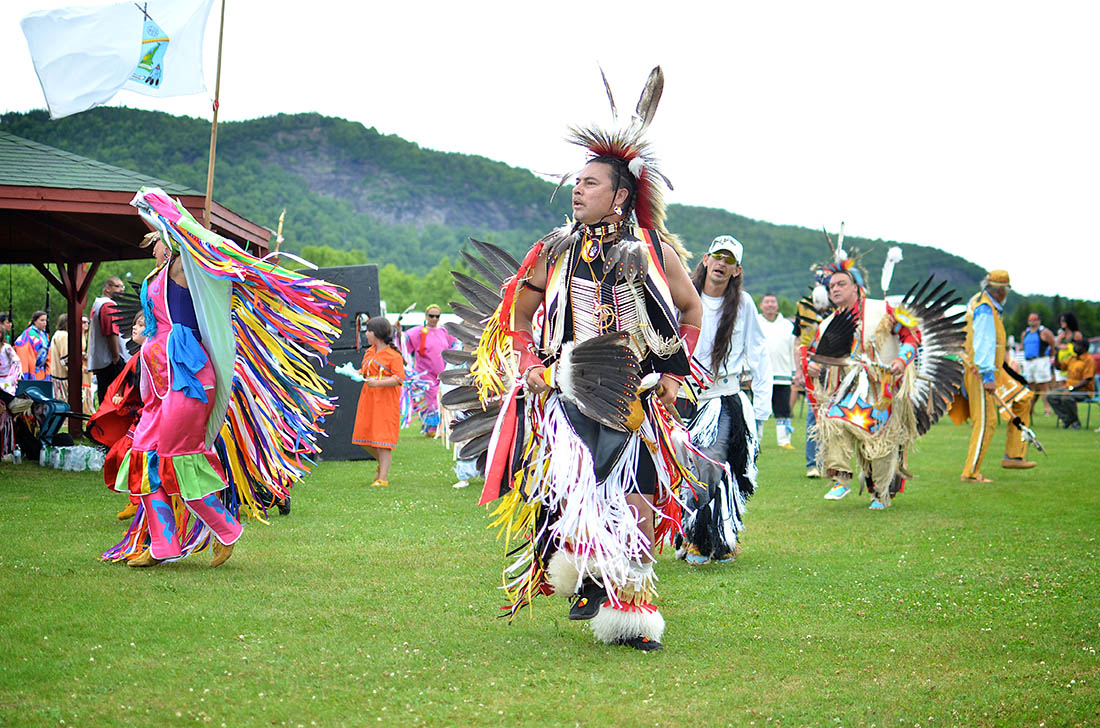
According to Mi’kmaw oral tradition, they have lived in their ancestral territory of Mi’kma’ki since time immemorial. Their descendants, the Mi’kmaq living throughout Mi’kma’ki today, include the Miawpukek First Nation and Qalipu Mi’kmaq First Nation in Ktaqmkuk (Newfoundland). There are other Mi’kmaw First Nations throughout Eastern Canada, along with the Mi’kmaq Nation Tribe in the United States. Miawpukek First Nation is one of two Mi’kmaw First Nations in Newfoundland (see First Nations in Newfoundland and Labrador). As of March 2026, Miawpukek First Nation had a registered population of 3,163 members, with 838 members living on its reserve.
Population and Territory
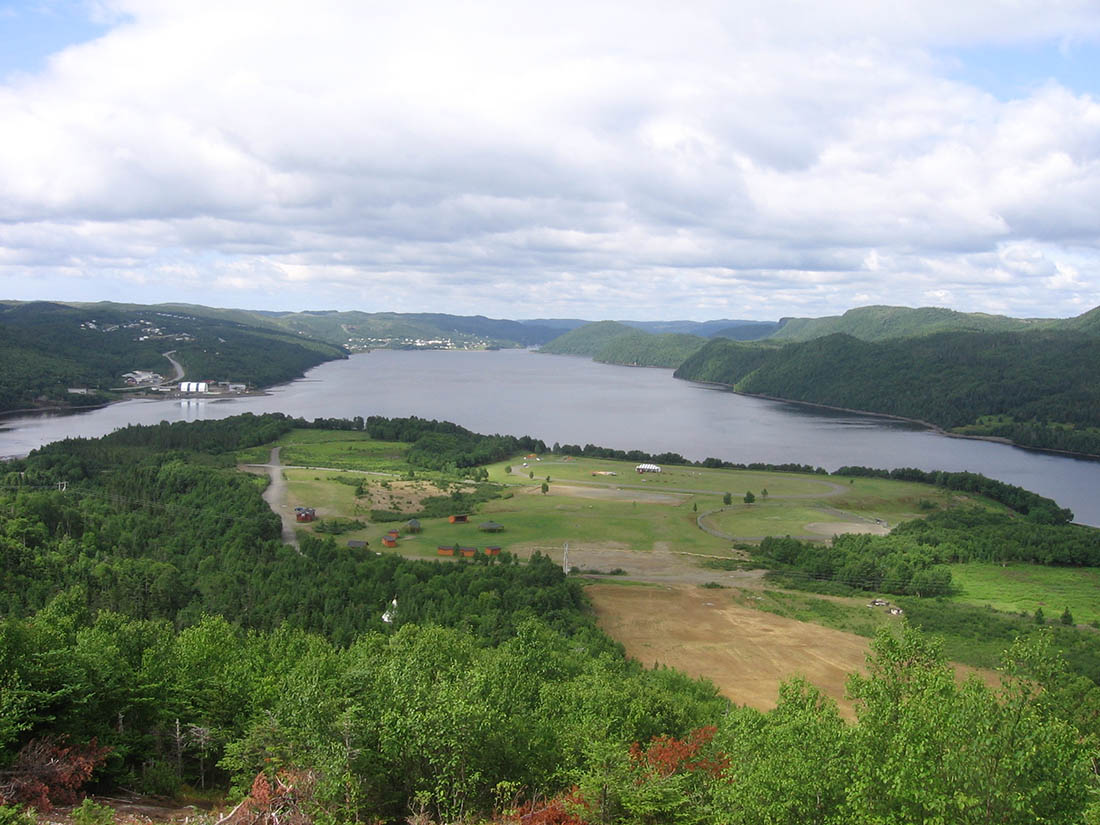
Miawpukek First Nation is a First Nation band government — commonly called Conne River in English — located on the south coast of the island of Newfoundland (see also First Nations in Newfoundland and Labrador). Miawpukek First Nation governs the Samijij Miawpukek Indian Reserve and, as of March 2026, has a registered population of 3,163 members. Of those members, 838 live on Miawpukek First Nation’s reserve. Since 1987, Miawpukek First Nation has developed from a poor, underemployed community into a vibrant community with almost a 100 per cent employment rate. Miawpukek First Nation was not always recognized as a First Nation or Indigenous government, despite Mi’kmaw oral history and colonial records stating that the Newfoundland colonial government had set aside Miawpukek as a reserve in 1870 (see also Reserves in Newfoundland and Labrador). The federal government refused to accept the previous reserve under the colonial government, since Newfoundland joined Confederation in 1949 (see Newfoundland and Labrador and Confederation). It argued that honouring the 1870 reserve would be too costly. Therefore, it was not until 1987, after many years of advocacy and activism by the community and settler allies, that the government officially recognized Miawpukek First Nation.
Terms of Union
In Canada, excluding Newfoundland and Labrador, First Nations were subject to the Indian Act. The Indian Act is a piece of legislation that gives the federal government control of Indian Status, First Nations band governance and management of the reserve system. The Indian Act was not extended to Newfoundland and Labrador when the region joined Canada in 1949. The representatives for Newfoundland believed there were no Indigenous peoples in Newfoundland. Thus, the official stance was that there were no Indigenous peoples in the province as of 1949. As a result, Mi’kmaq, Innu and Inuit politically organized to combat this erasure, and they created the Native Association of Newfoundland and Labrador.
Native Association of Newfoundland and Labrador
Mi’kmaw activism and political organization started in the 1970s, when the Native Association of Newfoundland and Labrador was established (see also Indigenous Political Organization and Activism in Canada). However, the Innu and Inuit separated from the Native Association to create their own organizations to prioritize their needs. The Native Association of Newfoundland and Labrador renamed itself the Federation of Newfoundland and Labrador Indians in 1976. In 1979, it changed its name to the Federation of Newfoundland Indians to better represent its membership. Miawpukek Mi’kmaq left the Federation of Newfoundland Indians to seek their own land claim and self-government agreement with the federal government in 1982–83.
Miawpukek Recognition and Self-Determination
In 1972, Miawpukek First Nation was incorporated as a Local Improvement District, governed by a local council. It became the Conne River Native Council the following year to support self-determination efforts. In 1974, Miawpukek First Nation was recognized as a “Native community” under a federal-provincial agreement. In 1981, the Newfoundland and Labrador government began withholding funds from Miawpukek First Nation because it disagreed with how the community was allocating funding. In response, Chief Mi’sel Joe and 8 other Mi'kmaq went on a hunger strike, forcing the provincial and federal governments to release their funding without attached conditions. In 1982, the Federation of Newfoundland Indians and Miawpukek Mi'kmaq filed a comprehensive land claim covering the southwest portion of the island of Newfoundland. By 1984–85, most Miawpukek Mi'kmaq were registered under the Indian Act, and the Miawpukek First Nation was officially created. It was assigned a reserve in 1987.
At Present
Thanks to the political mobilization and activism by the community, Miawpukek First Nation can provide key programs and services to its members. These services include housing support, health and social services, training and economic development programs and Mi’kmaw-led education for all community members. However, no land claim has been accepted for the Miawpukek First Nation or Qalipu Mi’kmaq First Nation, with the federal government rejecting their land claim in 1986. The federal government cited a lack of evidence for pre-European occupation on the island, despite Mi’kmaw and anthropological evidence of pre-European Mi’kmaw occupation.