Share on Facebook
 Share on X
 Share by Email
 Share on Google Classroom
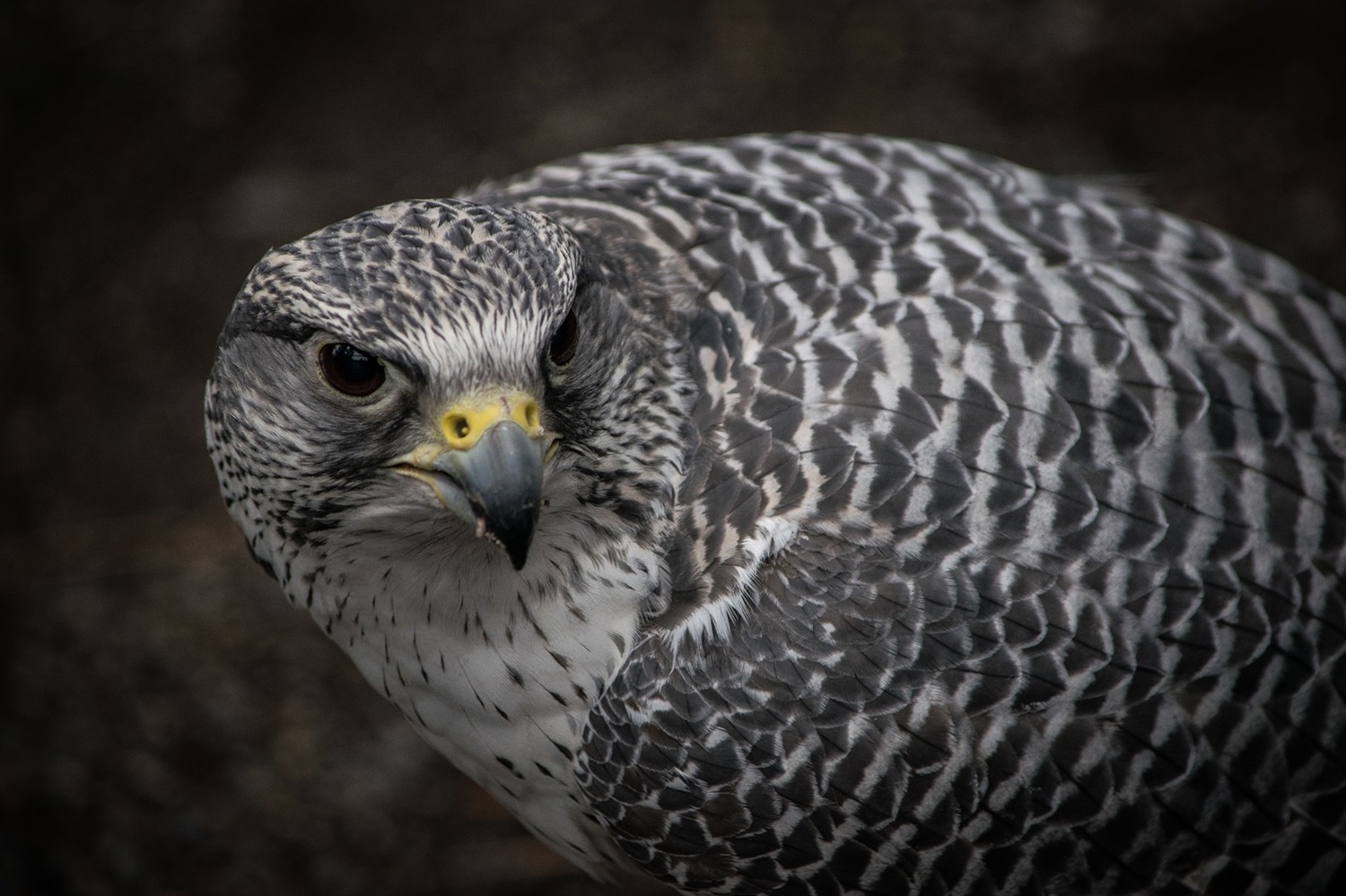
The gyrfalcon (Falco rusticolus) is the largest and most northerly of diurnal raptors, and nests on cliff sides in circumpolar Arctic tundra and taiga habitats. Although its diet varies with location, the gyrfalcon is considered a specialist predator, with ptarmigan as its primary food source. The gyrfalcon is the official bird of the Northwest Territories. In Inuktitut, it is called kissaviarsuk and kingavik.
Name
The origin of the common name gyrfalcon is uncertain, and a variety of possibilities exist, including geirfalki, Old Norse for “spear falcon,” the Latin gyrus or “circling,” and the 12th-century French girfauc, meaning “large Northern falcon.”
Appearance
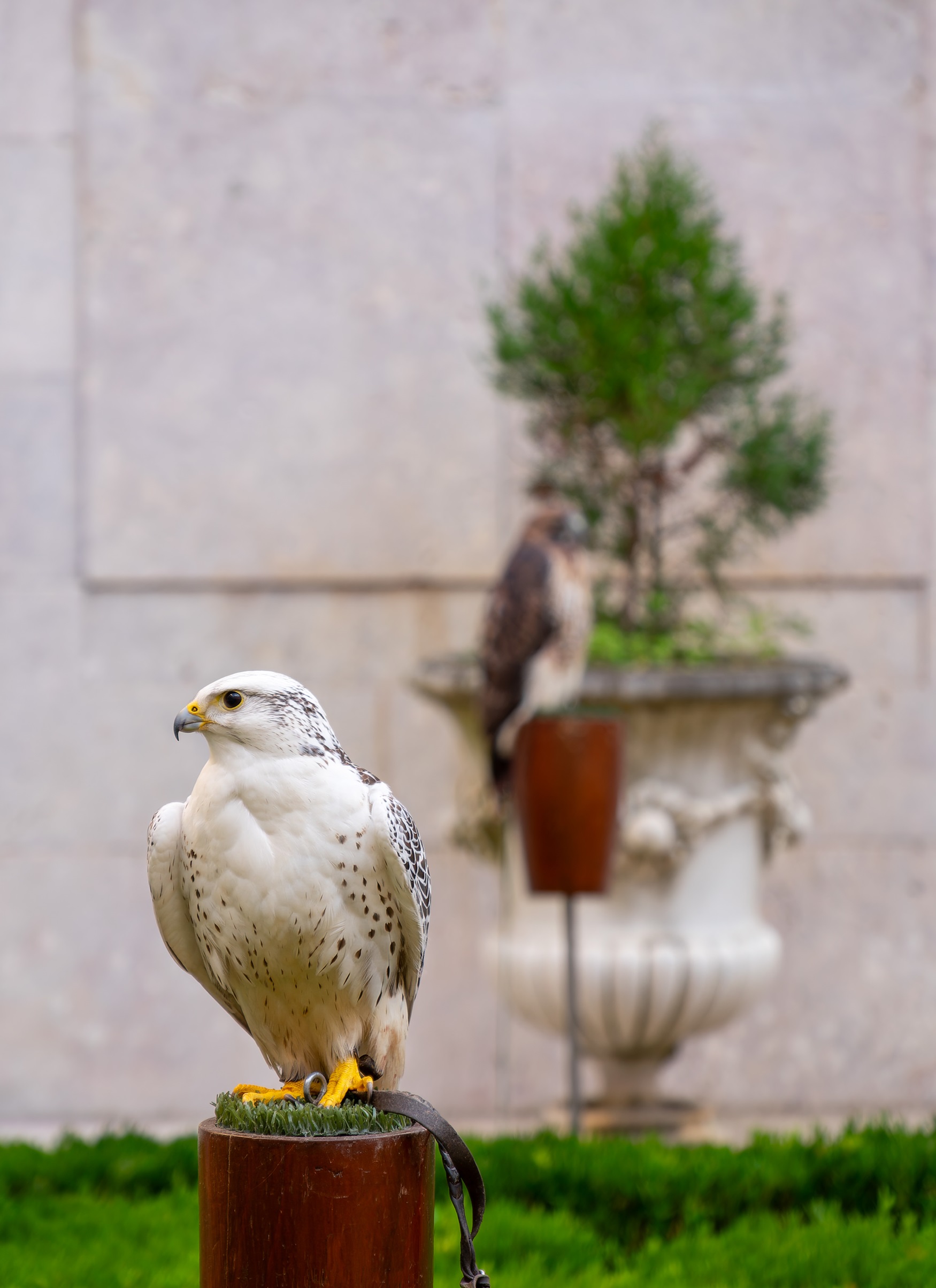
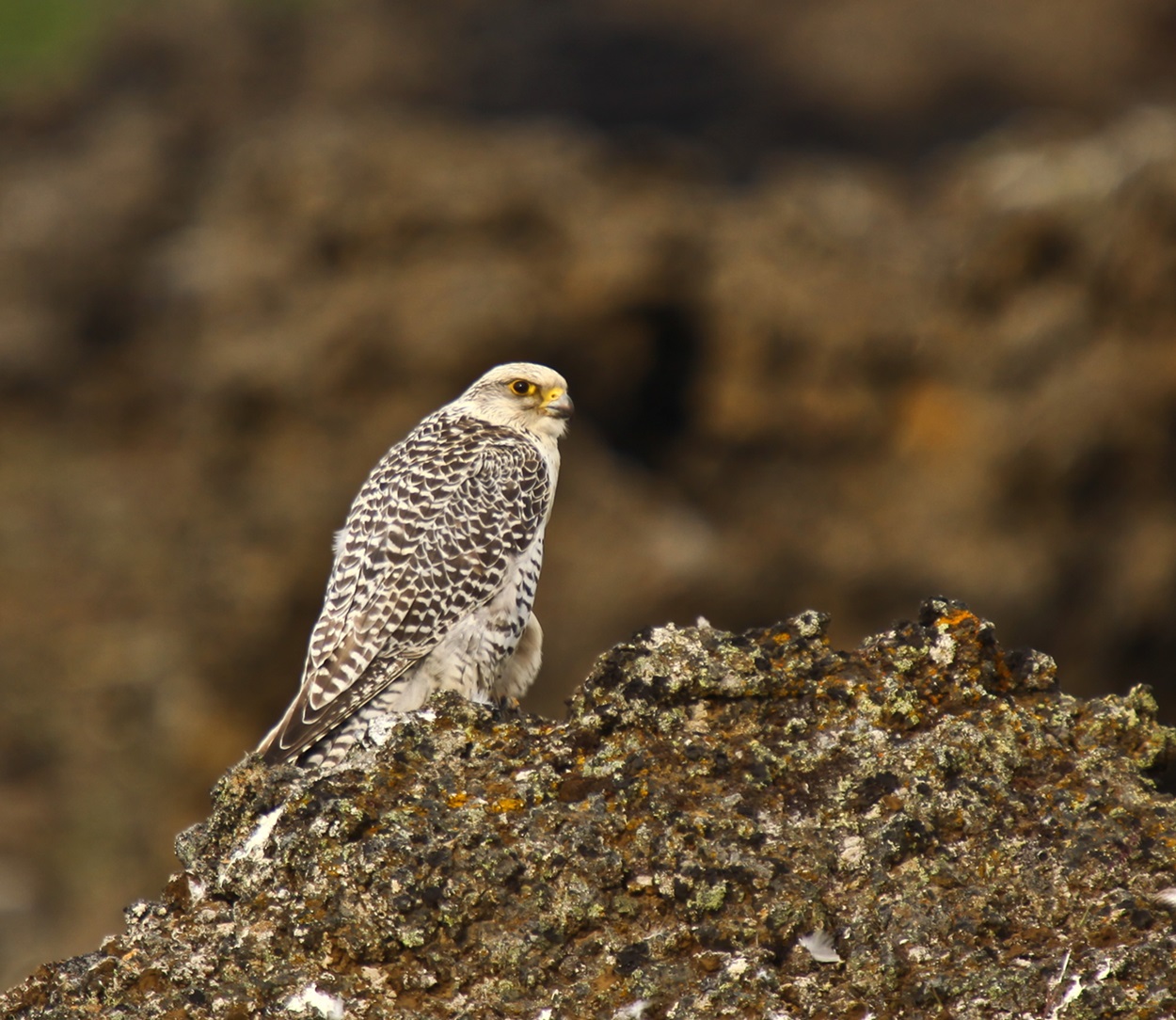
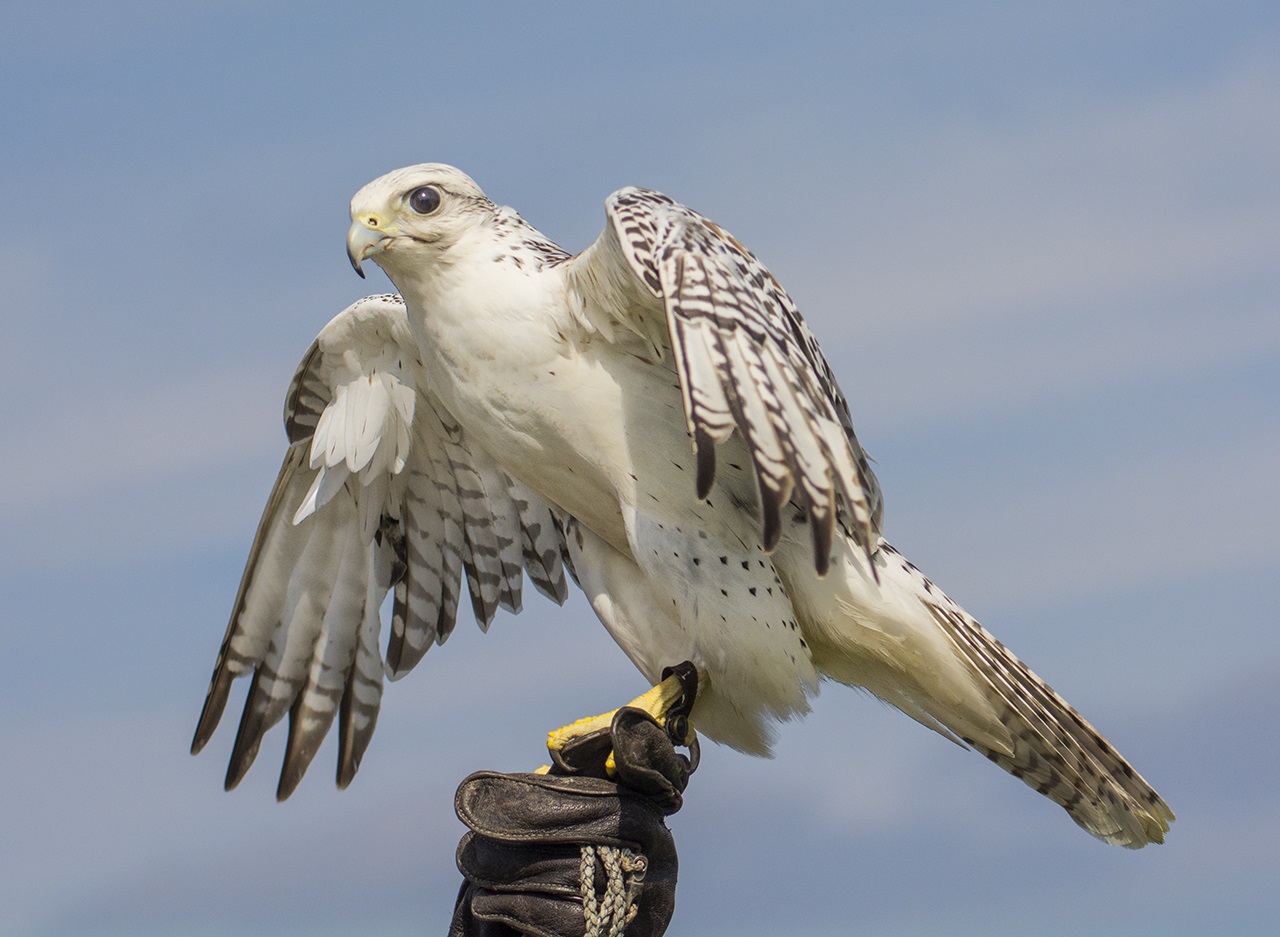
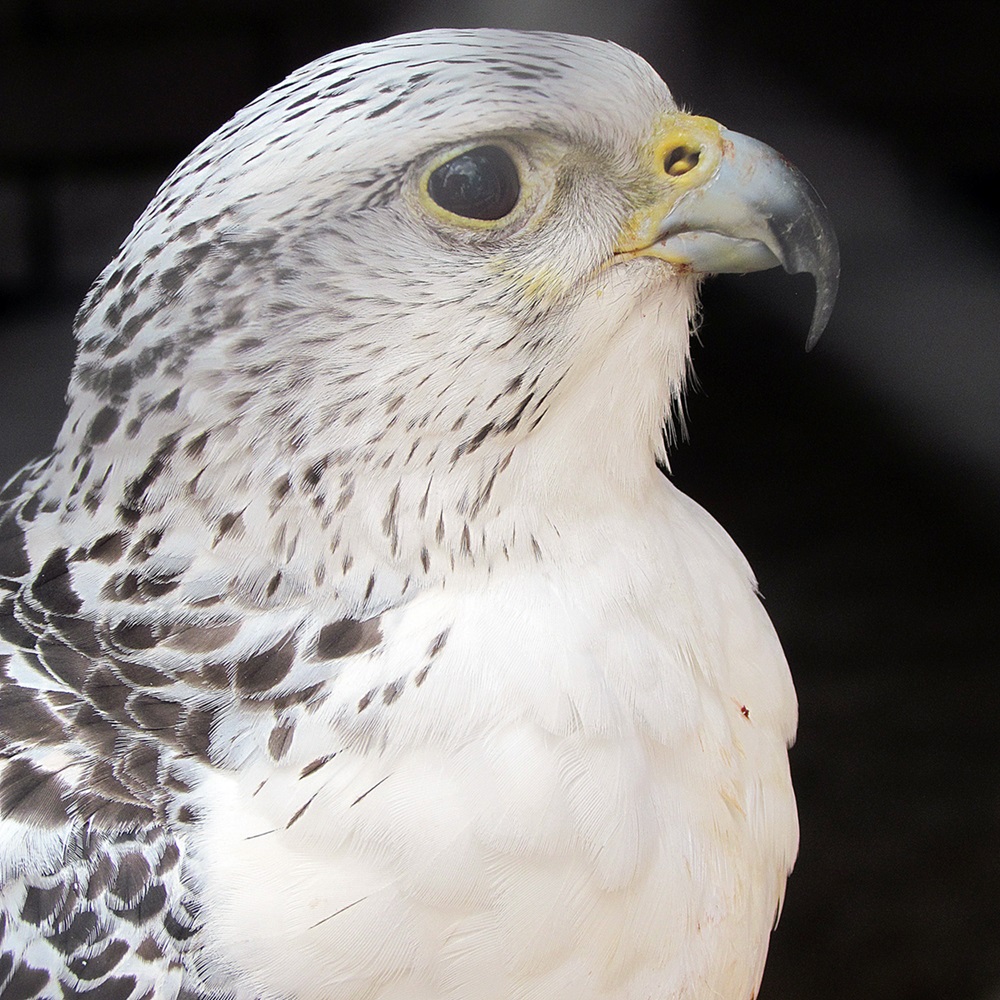
With pale- to bright-yellow eye rings, talons and cere, gyrfalcon plumage is striking and varied. Individual colour differences, or morphs, are traditionally divided into three groups: predominantly white, silver-grey and dark brown-grey, running to black. Adults have a heavily barred back, wings and tail, and a spotty undercarriage.
The female gyrfalcon is larger in body (50–65 cm) and wingspan (125–160 cm) than the male, and weighs from 1.2 kg to 2.1 kg, up to 35 per cent heavier than the male, enabling her to store energy needed for breeding.
Distribution
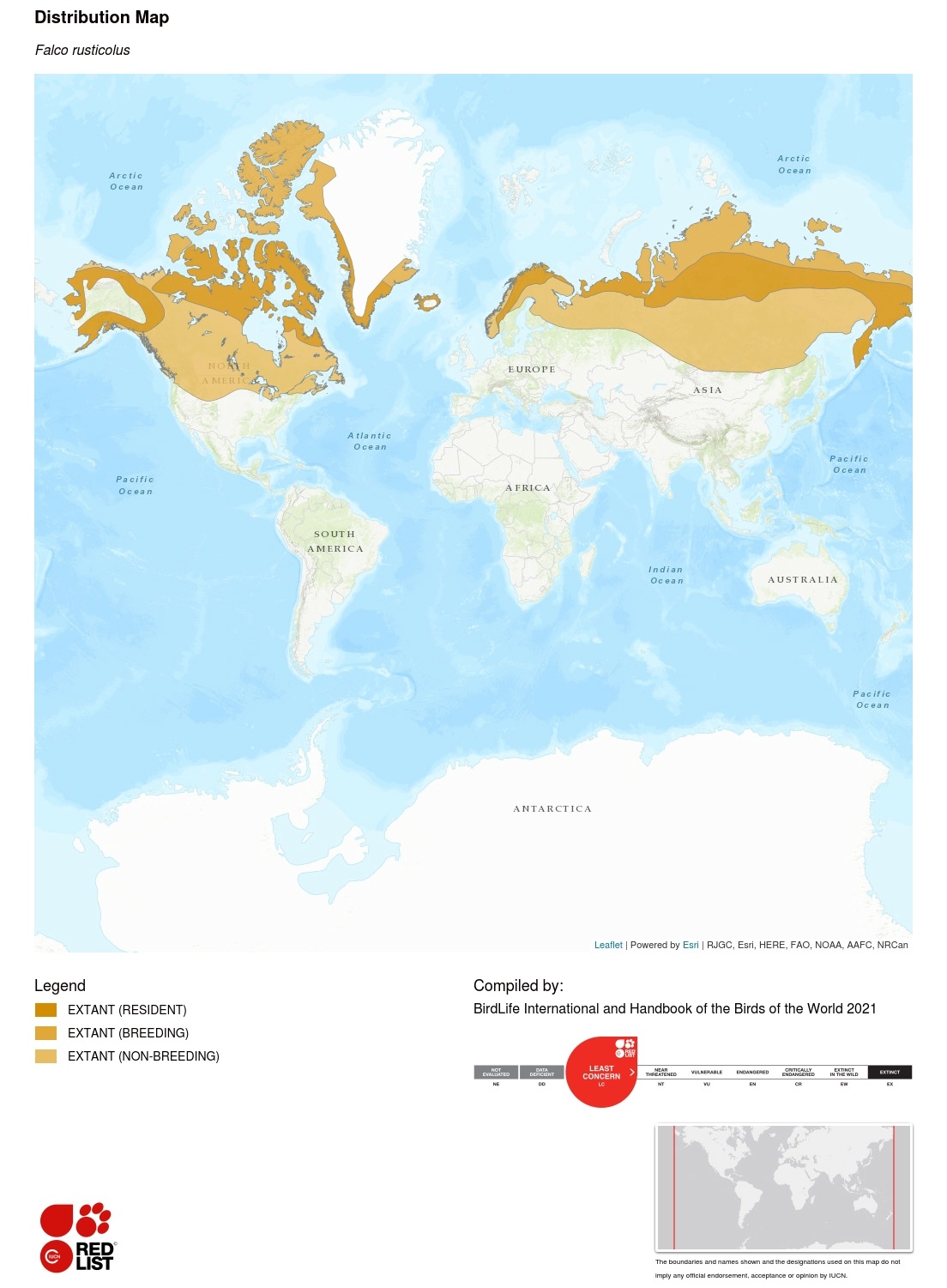
Gyrfalcons breed on the Arctic and subarctic tundra and taiga; their breeding distribution and timeline (April through early August) is closely correlated to that of the rock ptarmigan. Many overwinter in the Arctic, while others travel widely and irregularly, reaching as far south as the northern United States or residing for long periods of time on sea ice.
Feather colour phenotype is, to a certain extent, geographically determined. In northern Greenland and the Canadian Arctic Archipelago, gyrfalcons are predominantly white, in Iceland, dark, and the single population that spans Norway, Alaska, and parts of Canada is predominantly silver grey. The idea that these separate populations made up distinct species has been discredited by genetic studies.
Some 43 per cent of all gyrfalcons spend part of the year in Canada.
Reproduction and Development
As solitary breeders who mate for life, gyrfalcons also tend to be faithful to one breeding territory, though not necessarily to specific nesting sites therein. The male chooses a nesting site prior to mating, after which he attempts to attract the female with ornate flight displays.
On cliff-face outcroppings above the treeline, gyrfalcons nest either on bare, shallowly scraped outcroppings or in old raven and golden eagle eyries. Repurposed nests are mostly single-use for the gyrfalcon, as fledglings are gregarious and wreak havoc as they grow. Mating pairs who use pre-made nests tend to be more nomadic and have larger territories, while those who use bare outcroppings are far more likely to return to the same spot year after year.
Gyrfalcons produce at most one clutch per year, consisting of one to seven pale yellow, white or buff coloured eggs with dark red speckles. The female will incubate eggs for around 35 days, while the male hunts and delivers food.
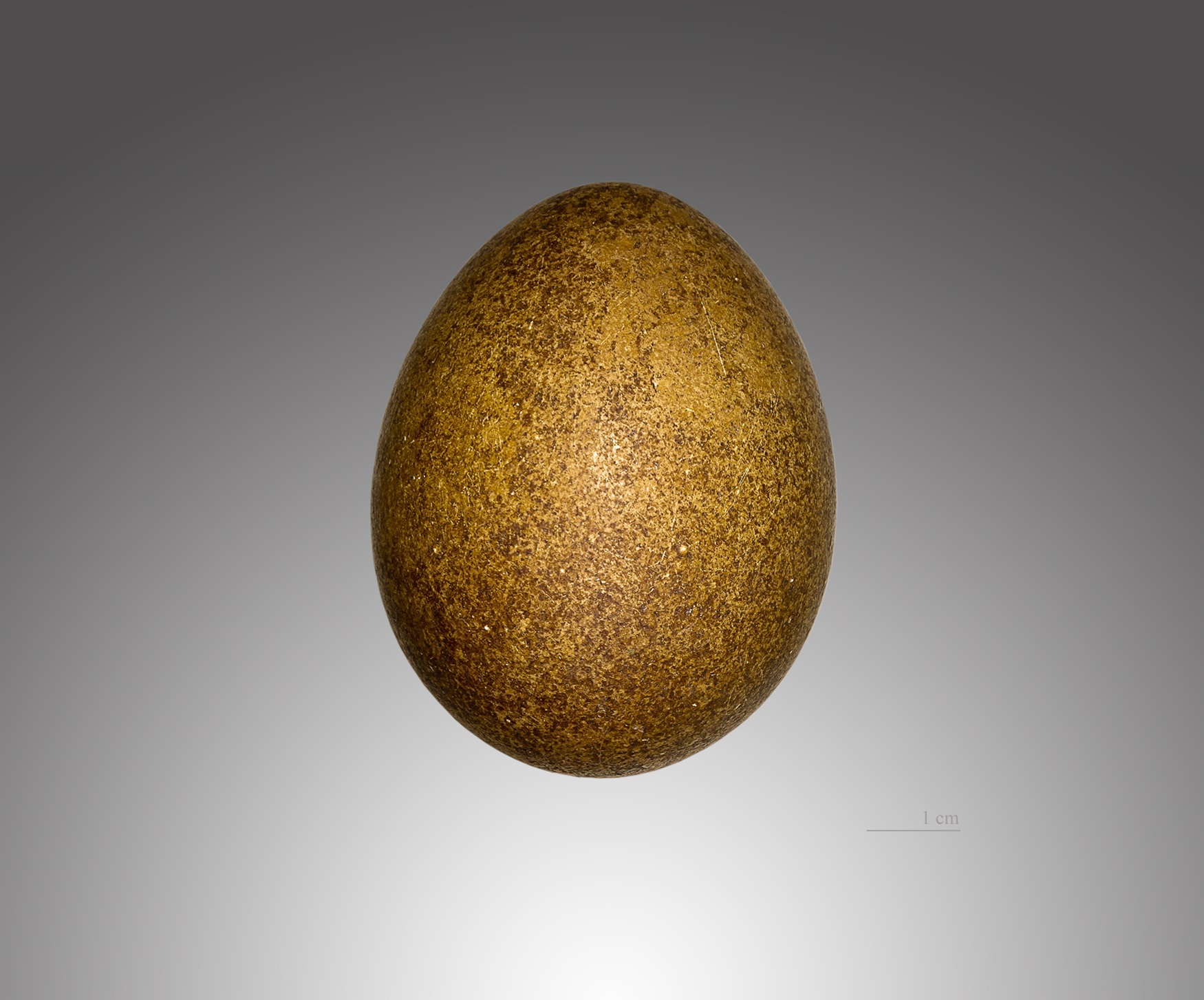
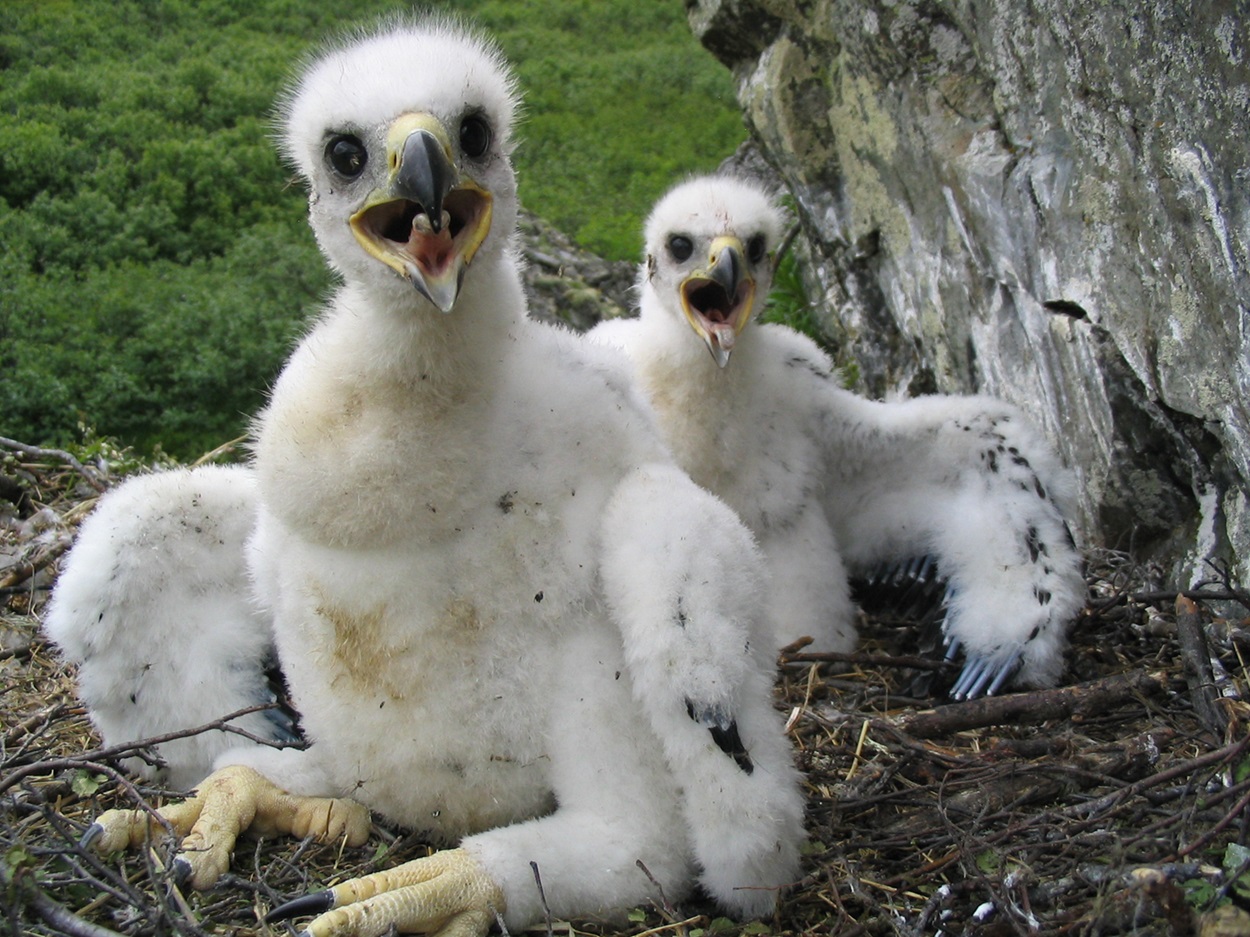
There are broadly two feeding stages during the nesting season. During the first phase, the female broods and actively feeds the chicks by tearing up food and feeding them directly, while the male hunts and delivers food. The female often keeps an emergency cache of food near the nest.
After 10–15 days, the female will leave but remain near the nest, stepping in to help when fledglings need more assistance. Soon, both adults will largely stay away from the nest, save for food delivery, as the fledglings’ increasing appetite can cause them to be violent toward their parents.
Juvenile siblings may remain together for support for a year after birth. If they survive to adulthood, gyrfalcons can live up to 15 years in the wild.
Diet and Predation
The gyrfalcon is both a ptarmigan specialist and an opportunistic hunter. Diet varies depending on local abundance, encompassing a wide variety of birds and mammals, from the tiny redpoll to adult Arctic hares and eiders, which often weigh more than the gyrfalcon hunting them.
Size differences between sexes enable each gyrfalcon pair to hunt this variety of prey in different ways. The male can turn and dive more quickly after smaller prey, while the female has the added strength and capacity to hunt and carry larger animals.
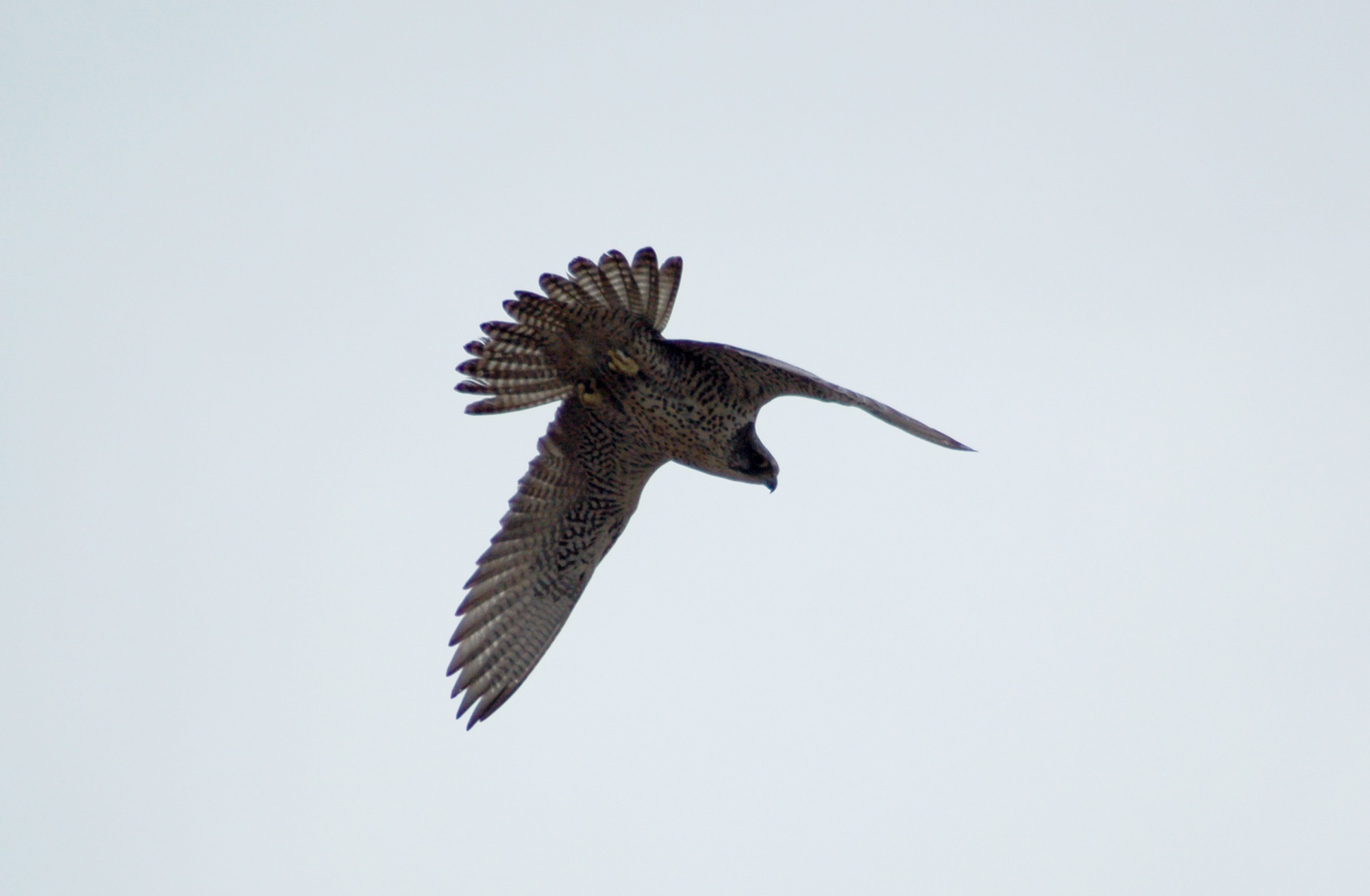
Gyrfalcons generally do not dive from great heights after their prey as other raptors do, instead taking off from a low perch and skimming the ground, often over long distances, and finishing the hunt with a sudden rise and shallow dive. Their wings, broader and less pointed than other raptors, increase potential speed and ability to accelerate; horizontal hunting flight speeds reach up to 130 km/h. In both hunting and transporting prey, gyrfalcons utilize wind and terrain to reduce energy expenditure by gaining altitude with natural uplift.
Conservation and Threats
As of 2021, the gyrfalcon was deemed to be of Least Concern by the IUCN Red List. However, the gyrfalcon population has diminished by 18 per cent in its last three generations and only between 12,600 and 55,300 mature individuals are estimated to exist.
Most threats to the gyrfalcon population are human in origin, including the collection of eggs and young, hunting of adults and their prey, tourism (breeding pairs often will not return to human-disturbed sites), and high levels of organochlorines in seabirds and marine life. Oil pipelines and infrastructure threaten gyrfalcon habitats.
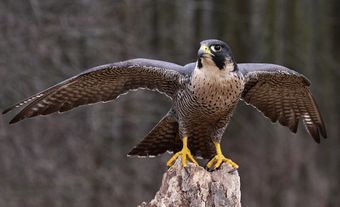
The largest threat to gyrfalcons is climate change. As the Arctic warms, early blooming of native flora can confuse pollinators, reducing food supply for prey animals. Invasive flora and fauna also pose threats. The peregrine falcon is a direct competitor of the gyrfalcon; as the Arctic warms, the peregrine’s range expands northward into gyrfalcon breeding territories. As peregrines are the more aggressive of the two, gyrfalcons will potentially be displaced.
The gyrfalcon is vulnerable to avian influenza, and avian cholera threatens one of their primary food sources, the eider.
To increase knowledge, analyze potential threats, and make holistic recommendations across the region, an international Arctic Council working group of scientists, organizers and Indigenous people has been formed, the Circumpolar Biodiversity Monitoring Program. Traditional ecological knowledge (TEK) is becoming more broadly valued, and has increased collaboration between scientists and Inuit Qaujimajatuqangit, or “that which has long been known to the Inuit.”
Cultural Significance
Archaeological evidence shows that falcons were domesticated for hunting in Nordic countries as early as the 6th century CE. Falcons quickly became and remained highly valued by the wealthy and powerful worldwide, as a status symbol and for its hunting prowess.
The 11th-century Nordic Greenland economy made a lucrative trade of the white gyrfalcon. For the indigenous people of the Arctic, the kissaviarsuk holds spiritual significance.