Share on Facebook
 Share on X
 Share by Email
 Share on Google Classroom
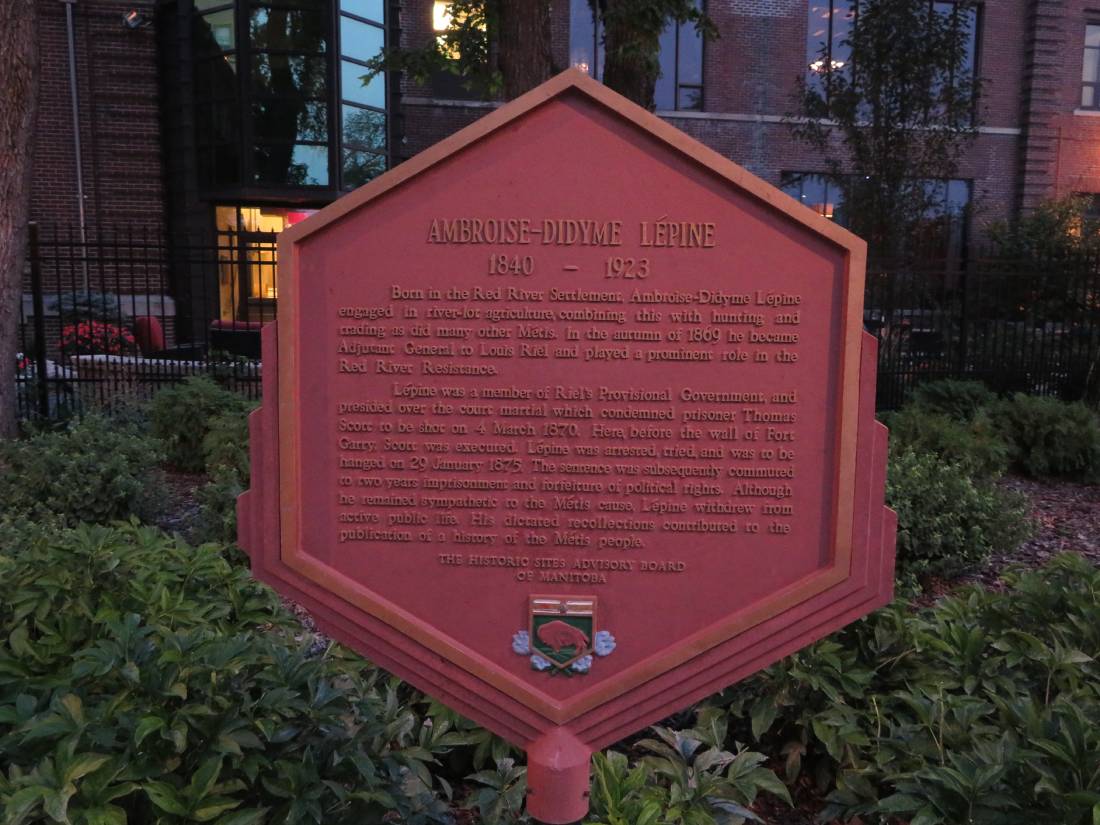
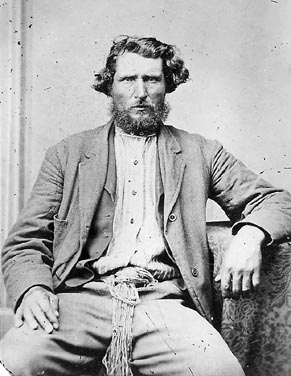
Ambroise-Didyme Lépine (sometime Ambroise-Dydime Lépine), Métis resistance leader, farmer, politician (born 18 March 1840 in Saint-Boniface, MB; died there 8 June 1923). Ambroise-Didyme Lépine was a member of Louis Riel’s provisional government in the Red River Resistance and played a role in arresting those who opposed Riel. As adjutant general, he oversaw the trial that led to the execution of Thomas Scott.
Early Days
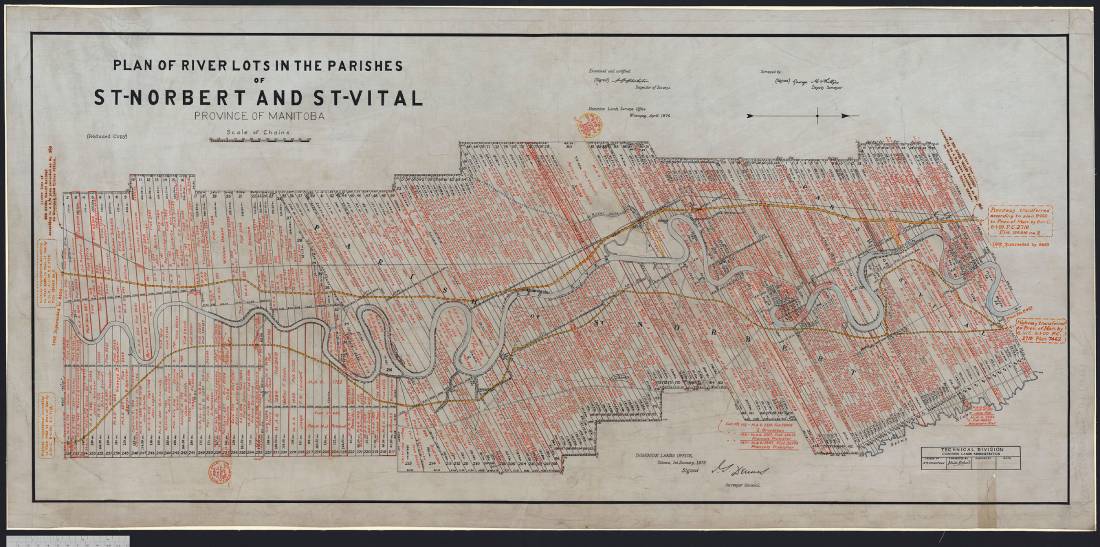
Ambroise-Didyme Lépine was born to Jean-Baptiste Lépine and Julie Henry in March 1840, in Saint-Boniface, in what would become Manitoba. He attended the Collège de Saint-Boniface. Lépine married Cécile Marion, who was also of French Canadian and Métis descent. Six of their 14 children survived infancy. They farmed a river lot in Saint-Boniface while Lépine also worked as a hunter and freight hauler.
Red River Resistance 1869–1870
In 1869, the Hudson’s Bay Company surrendered its control of the vast Rupert’s Land territory, which included the Red River Colony. Divisions arose among the French-speaking, Catholic Métis and English-speaking Protestants. The Métis also became suspicious of the Canadian government’s intentions, as it was ignoring them in negotiations with others to assume governance of the area.
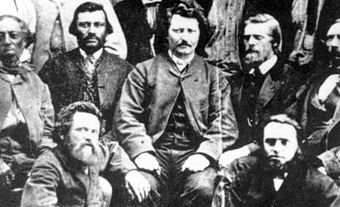
In November 1869, Louis Riel was chosen to speak for the Métis, and he created a provisional government. Riel declared that the transfer of power from the company to Canada should not proceed until Métis demands were met.
Ambroise-Didyme Lépine publicly declared his support for Riel and the protection of Métis rights. On Riel’s orders, Lépine and 14 others turned back a Canadian survey party and Canadian-appointed lieutenant-governor William McDougall, who had been on their way to Red River. Lépine and 100 other Métis then captured a group of Canadians, including John Christian Schultz, the editor of the Red River newspaper, Nor'-Wester, who had been asking Canada to annex the Red River territory.
On 8 January 1870, Riel appointed Lépine the provisional government’s adjutant general; in effect, its justice minister. He was then elected to represent Saint-Boniface in Red River’s provisional government. He served as head of its military council.
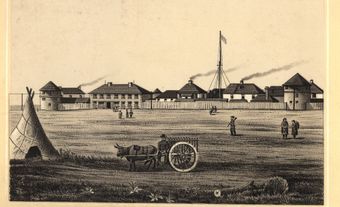
As adjutant general, Lépine oversaw the February 1870 arrest of Major Charles Arkoll Boulton and several of his men who had unsuccessfully tried to take Upper Fort Garry. Among Boulton’s men was Thomas Scott. During his imprisonment, Scott shouted insults and provocations about the Métis. Scott was tried for treason. Lépine chaired the tribunal that found Scott guilty and sentenced him to death.
Scott’s execution outraged Ontario’s English-speaking Protestants. Prime Minister Sir John A. Macdonald ordered troops west to quell what he considered a rebellion. In August, Riel and Lépine fled the approaching troops and eventually found refuge in the United States.
Post Resistance
Ambroise-Didyme Lépine returned to the Red River territory in 1871 (see Red River Colony). In October, he became a captain in the Saint-Boniface militia and prepared men to defend the new province of Manitoba against Fenian raiders who were threatening to cross the American border. When rumours of his arrest arose again, Lépine fled back to the United States.
In May 1873, Lépine again returned to Saint-Boniface. In September, he was arrested for the murder of Thomas Scott. The trial was postponed many times, and, in December 1873, Lépine was released from prison on $8,000 bail.
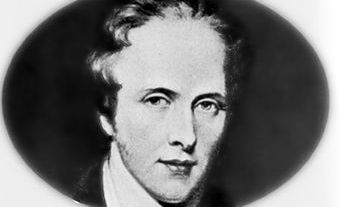
The trial finally concluded on 4 November 1874 with the jury finding him guilty of murder. The judge ordered him to be hanged. The verdict and sentence stirred controversy across Canada. Prime Minister Alexander Mackenzie appealed to Governor General Lord Dufferin, who commuted Lépine’s sentence to two years in prison. Lépine was offered freedom if he agreed to leave Canada for five years, but he refused.
After his release, in October 1876, Lépine helped create the Union Saint-Alexandre, a Métis rights and interests organization. Later, he served as vice-president of a chapter of the Société Saint-Jean-Baptiste, dedicated to protecting French Canadian rights.
In 1879, Lépine travelled to meet with Louis Riel while he was still exiled in Montana. Despite spending the winter there, evidence indicates Lépine was unable to meet Riel while there. While troubles grew in the North-West, Lépine left politics and returned to his family and farm (see North-West Resistance).
Later Years
In 1882, Ambroise-Didyme Lépine and his family moved to a new farm south of Winnipeg. When the farm was destroyed by fire nine years later, he began again in Oak Lake. An influx of English-speaking settlers, failed harvests and then the death of his wife in 1908 led to his moving in with one of his children.
In 1909, Lépine co-founded the history committee of the Union nationale Métisse Saint-Joseph du Manitoba to explain Métis history from a Métis perspective. Interviews with Lépine helped in the writing of a history of the Métis people.
Lépine moved to Quibell, Ontario, where he lived with one of his granddaughters. He returned to Saint-Boniface, where he died in the spring of 1923. His funeral was attended by Manitoba’s premier and other provincial leaders. Lépine’s body was interred at a gravesite next to Louis Riel’s.