
Browse "Nature & Geography"
-
Article
Painted Turtle
The painted turtle (Chrysemys picta) is the most widespread native freshwater turtle species in North America. In Canada, it is found in all Canadian provinces except Prince Edward Island and Newfoundland and Labrador. It is abundant throughout much of its Canadian range and can be found in various aquatic habitats, including lakes, slow-flowing rivers and wetlands. The painted turtle is broken into three subspecies across Canada: the western painted turtle (Chrysemys picta bellii; BC, AB, SK, MB and ON), the midland painted turtle (Chrysemys picta marginata; ON and QC) and the eastern painted turtle (Chrysemys picta picta; NB and NS).
"https://d3d0lqu00lnqvz.cloudfront.net/paintedturtle/Crowley-Eastern-Painted-Turtle-Chrysemys-picta-picta-1.jpg" // resources/views/front/categories/view.blade.php
https://d3d0lqu00lnqvz.cloudfront.net/paintedturtle/Crowley-Eastern-Painted-Turtle-Chrysemys-picta-picta-1.jpg
-
Collection
Paleontology
Paleontology is the study of ancient life, often through the examination of fossils. Canada is home to numerous paleontological sites — such as in Joggins, Miguasha and the Badlands — that reveal the lifeforms that inhabited what is now Canada thousands, if not millions, of years ago. From one of the largest Tyrannosaurus rex fossils ever found, “Scotty,” to Tiktaalik, a key evolutionary step in the journey of animals onto land, Canada has been the...
"https://d3d0lqu00lnqvz.cloudfront.net/media/new_article_images/Thanatotheristes/ThanatotheristesKuether.jpg" // resources/views/front/categories/view.blade.php
https://d3d0lqu00lnqvz.cloudfront.net/media/new_article_images/Thanatotheristes/ThanatotheristesKuether.jpg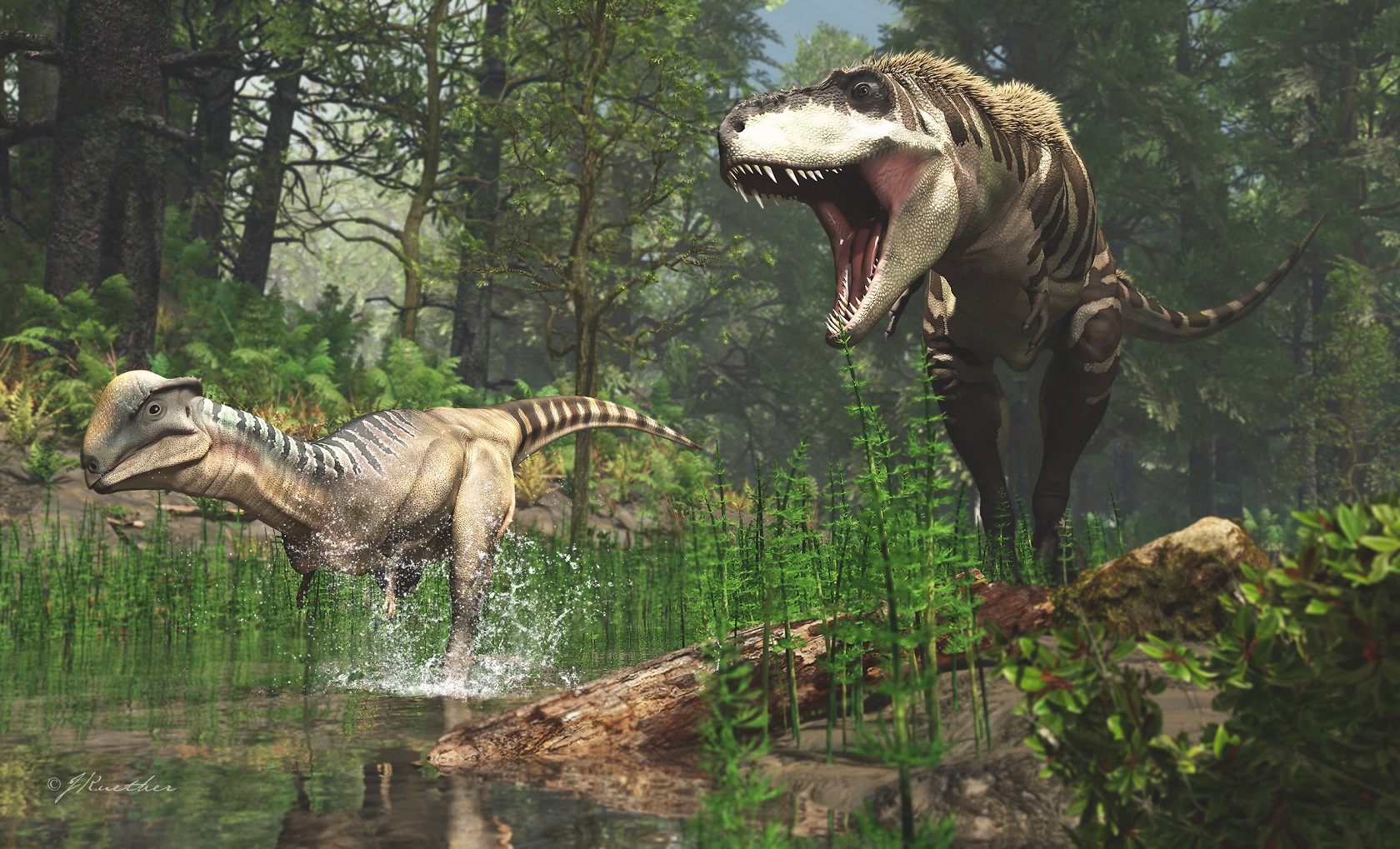
-
Article
Parsnip
The parsnip (Pastinaca sativa) is a perennial plant grown as an annual vegetable crop and belonging to the Umbelliferae family.
"https://d3d0lqu00lnqvz.cloudfront.net/media/media/b268a50c-de8b-4e74-a99a-6c6090c85126.jpg" // resources/views/front/categories/view.blade.php
https://d3d0lqu00lnqvz.cloudfront.net/media/media/b268a50c-de8b-4e74-a99a-6c6090c85126.jpg
-
Article
Pawpaw
The pawpaw (Asimina triloba) is a shrub or small tree of the Annonaceae, or custard-apple, family. It is the only member of the custard-apple family that grows in Canada. Sometimes called dog-banana, the pawpaw’s fruit is edible. It is believed that Indigenous people, including the Erie and Onondaga, introduced the tree to Southern Ontario from the United States. The plant is a beautiful ornamental shrub due to its large leaves and red-purplish flowers. Recently, this small tree has attracted the attention of researchers as a potential anticancer drug alternative.
"https://d3d0lqu00lnqvz.cloudfront.net/Asimina_triloba_-_October_2023_-_Sarah_Stierch_03.jpg" // resources/views/front/categories/view.blade.php
https://d3d0lqu00lnqvz.cloudfront.net/Asimina_triloba_-_October_2023_-_Sarah_Stierch_03.jpg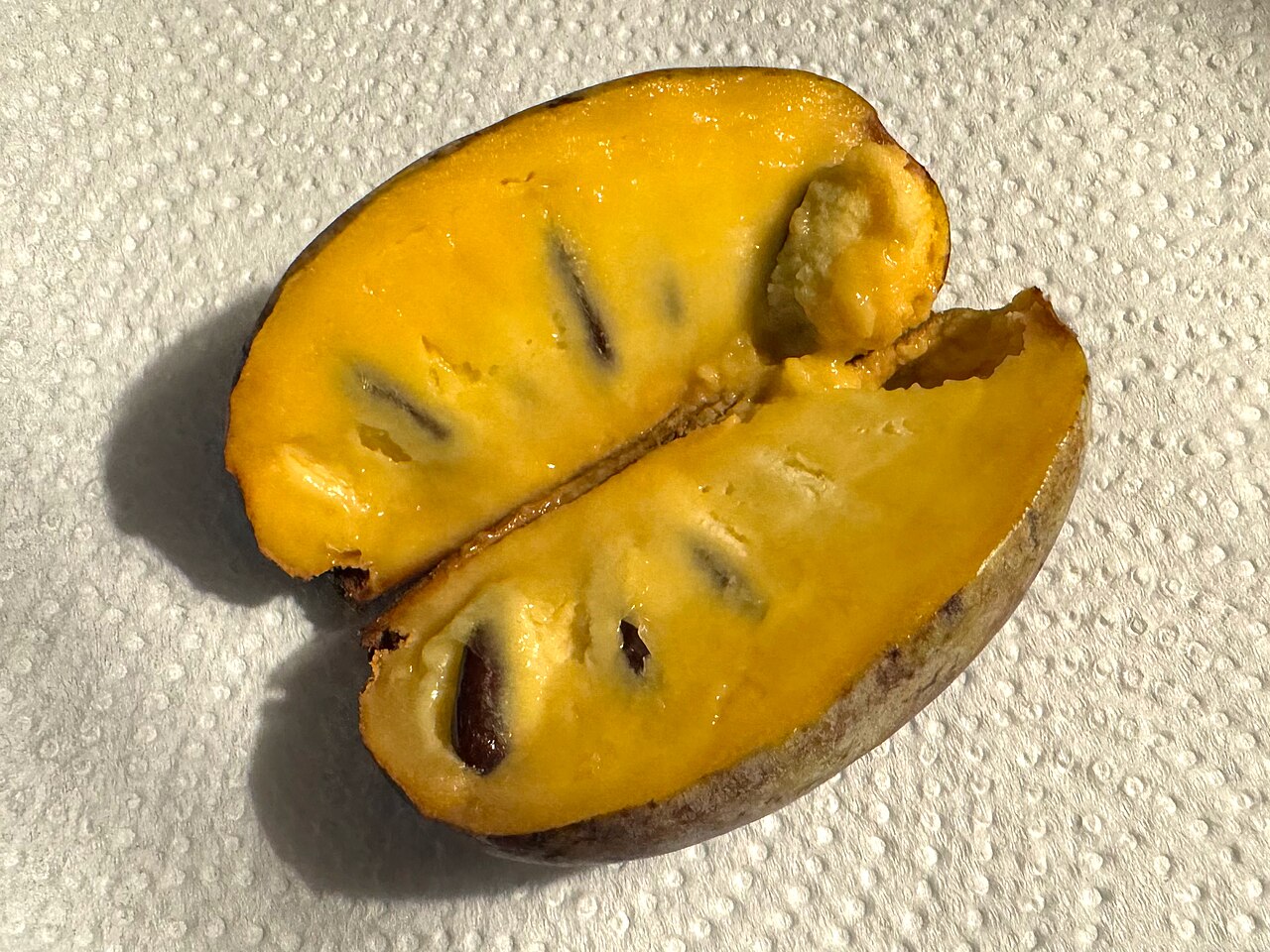
-
Article
Pea
Some pea cultivars are grown in gardens for their tender green pods as VEGETABLES, which are harvested at their early stage of development, and eaten raw or cooked. They are known as snowpeas, sugar peas or snap peas. In parts of Asia and Africa, tender pea foliage is harvested as vegetable.
"https://d3d0lqu00lnqvz.cloudfront.net/media/media/c93aa17c-6f82-4a85-a663-e17d602ee501.jpg" // resources/views/front/categories/view.blade.php
https://d3d0lqu00lnqvz.cloudfront.net/media/media/c93aa17c-6f82-4a85-a663-e17d602ee501.jpg
-
Article
Peach
The peach (Prunus persica) is the most widely grown stone fruit. It is native to China and was introduced to Europe 2,000 years ago. Peaches are now grown in temperate zones, worldwide. They were an important crop in Ontario by the 1880s and in British Columbia by the 1890s. Peach trees are 3–5 m tall with long, narrow, pointed leaves; single, pink flowers; and fruits (5–8 cm in diameter) with light fuzz. Peaches without fuzz are called nectarines. When ripe, varieties grown for the fresh market (in Canada, 80 per cent) have sweet, juicy flesh; those for processing (20 per cent) have firm, almost rubbery flesh adapted to mechanical handling.
"https://d3d0lqu00lnqvz.cloudfront.net/media/media/fb8c1081-f2fa-4a00-848f-89df93bd69cd.jpg" // resources/views/front/categories/view.blade.php
https://d3d0lqu00lnqvz.cloudfront.net/media/media/fb8c1081-f2fa-4a00-848f-89df93bd69cd.jpg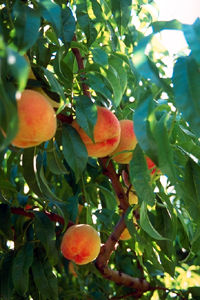
-
Article
Pear
The pear (genus Pyrus) is a common name for over 20 species of fruit-bearing and ornamental trees of the rose family. The genus is indigenous to Europe and Asia. The European pear (P. communis), which produces buttery, juicy and aromatic fruit, is the most widely grown.
"https://d3d0lqu00lnqvz.cloudfront.net/media/media/29c4a5d6-f618-422d-97c3-1365275f42e2.jpg" // resources/views/front/categories/view.blade.php
https://d3d0lqu00lnqvz.cloudfront.net/media/media/29c4a5d6-f618-422d-97c3-1365275f42e2.jpg
-
Article
Pelican
The Pelican family (Pelecanidae) consists of large water birds with long, flat bills, expandable throat pouches, and 4 toes connected by a web.
"https://d3d0lqu00lnqvz.cloudfront.net/media/media/c123ac85-2333-4f57-965f-1487110ce880.jpg" // resources/views/front/categories/view.blade.php
https://d3d0lqu00lnqvz.cloudfront.net/media/media/c123ac85-2333-4f57-965f-1487110ce880.jpg
-
Article
Pepper
Pepper (Capsicum annuum) is a perennial plant, cultivated as an annual and belonging to the nightshade family. Native to tropical America, peppers were widely disseminated after Columbus's discovery of America; some botanists now claim that certain species are native to southern Asia. Some botanical varieties crossbreed naturally and many cultivars (commercial varieties) exist.
"https://d3d0lqu00lnqvz.cloudfront.net/media/media/63e5fe3e-d018-4a90-bfa7-b4e1e6fd7997.jpg" // resources/views/front/categories/view.blade.php
https://d3d0lqu00lnqvz.cloudfront.net/media/media/63e5fe3e-d018-4a90-bfa7-b4e1e6fd7997.jpg
-
Article
Peregrine Falcon
The peregrine falcon (Falco peregrinus) is a crow-sized, long-winged bird of prey, generally acknowledged to be the swiftest bird (attaining speeds of over 320 km/h). The name, which means "wandering," is well suited to this species, which is represented by 18 races and breeds on every continent (except Antarctica).
"https://d3d0lqu00lnqvz.cloudfront.net/media/media/d94ee6d6-cf87-4001-9183-a07490901889.jpg" // resources/views/front/categories/view.blade.php
https://d3d0lqu00lnqvz.cloudfront.net/media/media/d94ee6d6-cf87-4001-9183-a07490901889.jpg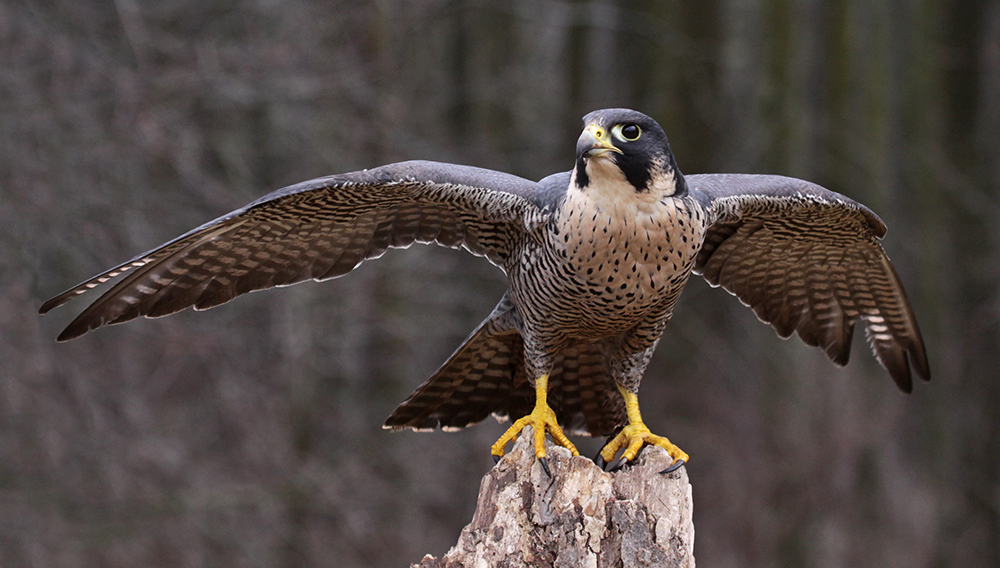
-
Article
Periglacial Landform
A periglacial landform is a feature resulting from the action of intense frost, often combined with the presence of permafrost. Periglacial landforms are restricted to areas that experience cold but essentially nonglacial climates.
"https://d3d0lqu00lnqvz.cloudfront.net/media/media/abcd7af0-a9a4-4141-9543-193539282103.jpg" // resources/views/front/categories/view.blade.php
https://d3d0lqu00lnqvz.cloudfront.net/media/media/abcd7af0-a9a4-4141-9543-193539282103.jpg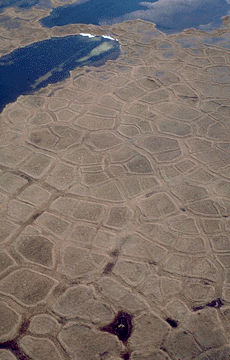
-
Article
Periwinkle
Periwinkle is a common name for any of the edible intertidal snails of the genus Littorina. Periwinkles are represented by six species in Canadian coastal waters. Littorina littorea, the common periwinkle, was introduced in 1850 to the East Coast from western Europe where it is a popular food. The northern yellow periwinkle (L. obtusata) is another Atlantic coast species, which is usually found associated with rockweeds. Littorina scutulata, the checkered periwinkle, is a dominant species in British Columbia's coastal intertidal region, where it nestles among barnacles in upper littoral zones. Where its southern range extends into California, L. scutulata competes with the eroded periwinkle, L. planaxis.
"https://d3d0lqu00lnqvz.cloudfront.net/media/media/89a4e691-d72e-4af1-a2f2-3f608f6f525b.jpg" // resources/views/front/categories/view.blade.php
https://d3d0lqu00lnqvz.cloudfront.net/media/media/89a4e691-d72e-4af1-a2f2-3f608f6f525b.jpg
-
Article
Persistent Organic Pollutants
Persistent organic pollutants (POPs) are carbon-based chemical compounds or groups of chemical compounds of anthropogenic (resulting from human activities) origin that are biologically and chemically inert.
"https://thecanadianencyclopedia.ca/images/tce_placeholder.jpg?v=e9dca980c9bdb3aa11e832e7ea94f5d9" // resources/views/front/categories/view.blade.php
https://thecanadianencyclopedia.ca/images/tce_placeholder.jpg?v=e9dca980c9bdb3aa11e832e7ea94f5d9
-
Article
Pesticide
Substances used to control pests include insecticides (for control of insects), fungicides (for disease-causing fungi), herbicides (for weeds), rodenticides (for rodents), avicides (for birds), piscicides (for fish) and nematicides (for nematodes).
"https://thecanadianencyclopedia.ca/images/tce_placeholder.jpg?v=e9dca980c9bdb3aa11e832e7ea94f5d9" // resources/views/front/categories/view.blade.php
https://thecanadianencyclopedia.ca/images/tce_placeholder.jpg?v=e9dca980c9bdb3aa11e832e7ea94f5d9
-
Article
Phalarope
The phalarope (family Scolopacidae) is a sandpiper-like shorebird, highly specialized for aquatic life. Only three species are found worldwide, and all occur in Canada.
"https://d3d0lqu00lnqvz.cloudfront.net/media/media/d793e666-09d5-463f-8dc8-cd470ebb9b37.jpg" // resources/views/front/categories/view.blade.php
https://d3d0lqu00lnqvz.cloudfront.net/media/media/d793e666-09d5-463f-8dc8-cd470ebb9b37.jpg