Browse "Nature & Geography"
-
Article
Field Corn
Field corn (Zea mays) is a spring-sown annual belonging to the grass family (Gramineae). Native to North America, Indian corn, or maize, has diverged so radically from its ancestral species that these forerunners cannot be identified with certainty.
"https://d3d0lqu00lnqvz.cloudfront.net/media/media/318cbb28-915c-4e2b-9231-4c3e0895d097.jpg" // resources/views/front/categories/view.blade.php
https://d3d0lqu00lnqvz.cloudfront.net/media/media/318cbb28-915c-4e2b-9231-4c3e0895d097.jpg
-
Article
Fin Whale
The fin whale (Balaenoptera physalus) is the second-largest animal on Earth. It is built to move through water at fascinating speeds, rarely breaches the surface for humans to witness and is known for the unique colouring on its lower jaw. In Canada, this baleen creature, also known as the finback whale, was brought to near extinction through 20th-century whaling practices. However, they have made a slow comeback since commercial whaling ended in the 1970s. Nowadays, fin whales are found on both the Atlantic and Pacific coasts in Canada, as well as all over the world.
"https://d3d0lqu00lnqvz.cloudfront.net/finwhale/Fin-Whale-Aerial-Shot.jpg" // resources/views/front/categories/view.blade.php
https://d3d0lqu00lnqvz.cloudfront.net/finwhale/Fin-Whale-Aerial-Shot.jpg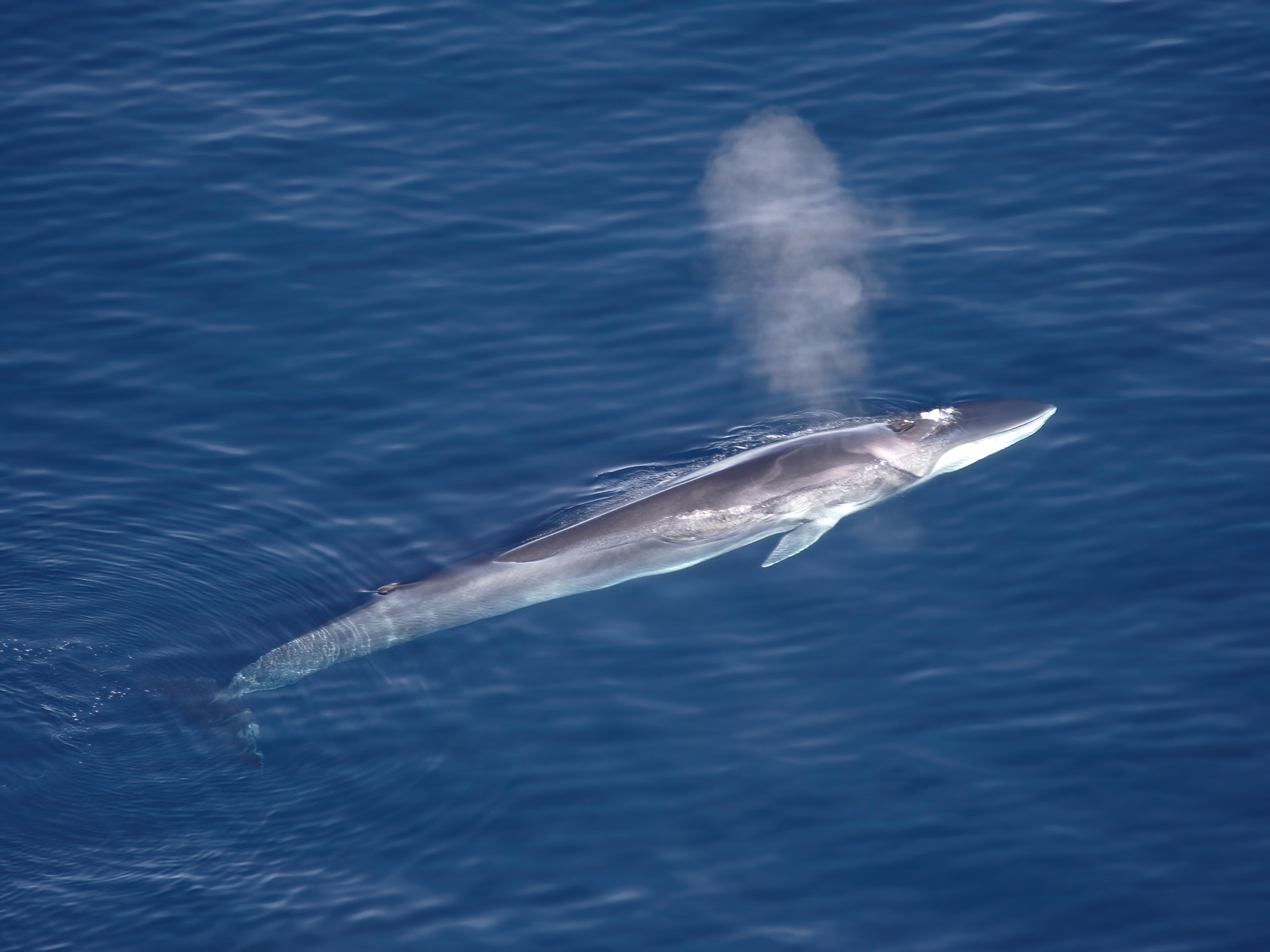
-
Article
Finch
Finch is a common name for one of the larger bird families, Fringillidae, which occurs worldwide (introduced in Australia). It includes some GROSBEAKS, crossbills, Hawaiian honey creepers, redpolls, siskins and birds specifically named finches.
"https://d3d0lqu00lnqvz.cloudfront.net/media/media/eca83442-77d5-44c5-87d2-63625c1052a5.jpg" // resources/views/front/categories/view.blade.php
https://d3d0lqu00lnqvz.cloudfront.net/media/media/eca83442-77d5-44c5-87d2-63625c1052a5.jpg
-
Article
Firefly
Fireflies, also known as lightning bugs, are beetles belonging to the family Lampyridae and are best known for their ability to produce light. There are over 2,200 species of fireflies worldwide, including 32 species found in Canada, with more being discovered every year. Of these species, some of the most commonly encountered in Canada are the winter firefly (Ellychnia corrusca), the black firefly (Lucidota atra) and the common firefly (Photinus pyralis).
"https://d3d0lqu00lnqvz.cloudfront.net/firefly/Adult-Firefly.jpg" // resources/views/front/categories/view.blade.php
https://d3d0lqu00lnqvz.cloudfront.net/firefly/Adult-Firefly.jpg
-
Article
Fireweed
Fireweed, the common name for Epilobium angustifolium, is a member of a genus of herbaceous or shrubby plants of the evening primrose family (Onagraceae ). Fireweed is the official flower of the Yukon.
"https://d3d0lqu00lnqvz.cloudfront.net/hainesjunction/haines-junction-sunrise.jpg" // resources/views/front/categories/view.blade.php
https://d3d0lqu00lnqvz.cloudfront.net/hainesjunction/haines-junction-sunrise.jpg
-
Article
Fish Classification
The classification of fishes has undergone much change over the last few decades, and further changes are expected, partly because so many groups are poorly known.
"https://thecanadianencyclopedia.ca/images/tce_placeholder.jpg?v=e9dca980c9bdb3aa11e832e7ea94f5d9" // resources/views/front/categories/view.blade.php
https://thecanadianencyclopedia.ca/images/tce_placeholder.jpg?v=e9dca980c9bdb3aa11e832e7ea94f5d9
-
Article
Fish in Canada
Fishes are members of a large, heterogeneous group of vertebrates living in a wide variety of aquatic habitats. There are slightly more species of fishes than of all other vertebrates combined. About 1,200 species of native fishes are found in Canadian waters, the majority of which (990) live in marine waters.
"https://d3d0lqu00lnqvz.cloudfront.net/media/media/e9b9b391-1dc4-48d3-bdb1-36e27a35cf6d.jpg" // resources/views/front/categories/view.blade.php
https://d3d0lqu00lnqvz.cloudfront.net/media/media/e9b9b391-1dc4-48d3-bdb1-36e27a35cf6d.jpg
-
List
Five Prehistoric Canadian Animals
Many animals found in Canada have become part of the country’s iconography. The beaver, the caribou, the loon and the polar bear, for example, all grace our currency, while moose, narwhals and others are pictured in regional emblems. If asked to name the creatures that roamed Canada long before these familiar ones, many might cite Tyrannosaurus rex or Triceratops, two of the 88 species of dinosaur found here (see Dinosaurs Found in Canada). But between dinosaurs and today’s beavers — a period of about 225 million years — whole ecosystems flourished and disappeared in Canada, and networks of animals with them. Below are five prehistoric Canadian animals. Two of them, Albertonectes and Cryodrakon, were contemporaries of the dinosaurs. Three others, the giant beaver, mammoth, and American mastodon, existed millennia later.
"https://d3d0lqu00lnqvz.cloudfront.net/Albertonectes/AlbertonectesFullBody.jpg" // resources/views/front/categories/view.blade.php
https://d3d0lqu00lnqvz.cloudfront.net/Albertonectes/AlbertonectesFullBody.jpg
-
Article
Fjord
In oceanographic terminology, fjords are estuaries, ie, semienclosed bodies of water in which seawater is measurably diluted by fresh water from land drainage.
"https://d3d0lqu00lnqvz.cloudfront.net/media/media/c86e45b6-5998-4dec-b556-28266c7e0f25.jpg" // resources/views/front/categories/view.blade.php
https://d3d0lqu00lnqvz.cloudfront.net/media/media/c86e45b6-5998-4dec-b556-28266c7e0f25.jpg
-
Article
Flatfish
Flatfish is the common name for fish belonging to the order Pleuronectiformes. There are 14 families of flatfish and over 800 species worldwide. In Canadian waters there are approximately 39 species of flatfish, from five families. These families are Pleuronectidae, Bothidae, Paralichthyidae, Scophthalmidae and Cynoglossidae. Familiar flatfishes found in Canada include halibut, plaice, flounder and turbot. Among their distinguishing features, flatfish have both eyes on one side of their body.
"https://d3d0lqu00lnqvz.cloudfront.net/media/new_article_images/FlatFish/winter_flounder4_NOAA.jpg" // resources/views/front/categories/view.blade.php
https://d3d0lqu00lnqvz.cloudfront.net/media/new_article_images/FlatFish/winter_flounder4_NOAA.jpg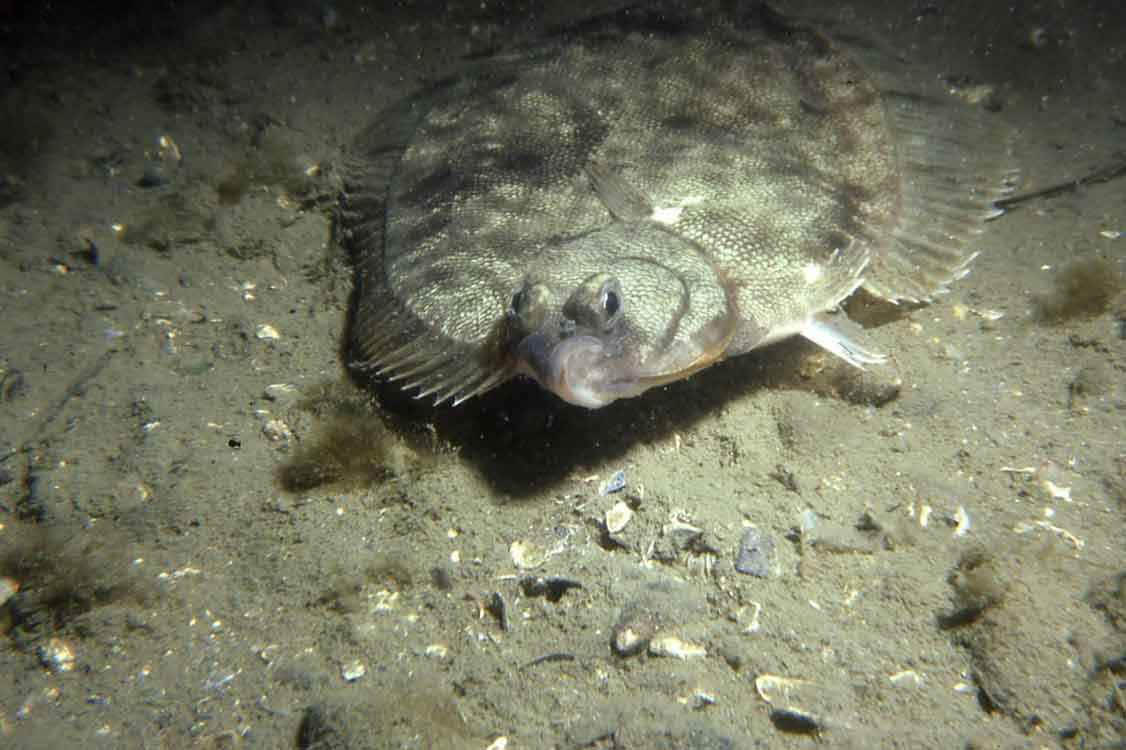
-
Article
Flatworm
Flatworms (Platyhelminthes) are a phylum of soft, bilaterally symmetrical invertebrates. Flatworms vary in shape from leaflike to ribbonlike; size ranges from microscopic to over 15 m long (some parasitic forms).
"https://d3d0lqu00lnqvz.cloudfront.net/media/media/1c916851-7140-481e-a5e6-812a3be18786.jpg" // resources/views/front/categories/view.blade.php
https://d3d0lqu00lnqvz.cloudfront.net/media/media/1c916851-7140-481e-a5e6-812a3be18786.jpg
-
Article
Flax
Flax (Linum usitatissimum), annual plant belonging to the family of the same name (Linaceae). Flax is sown and harvested much like a spring cereal crop and matures at the same time as wheat.
"https://thecanadianencyclopedia.ca/images/tce_placeholder.jpg?v=e9dca980c9bdb3aa11e832e7ea94f5d9" // resources/views/front/categories/view.blade.php
https://thecanadianencyclopedia.ca/images/tce_placeholder.jpg?v=e9dca980c9bdb3aa11e832e7ea94f5d9
-
Article
Flea
Fleas are very small, wingless, laterally flattened insects of the order Siphonaptera. They’re best known for being external parasites on mammals and occasionally birds. Adult fleas live in the fur or feathers of their hosts, feeding on their blood to survive and reproduce. While fleas do feed off humans, more common host animals include rodents, dogs and cats. The “human” flea, Pulex irritans, actually attacks a broad range of mammal species, and the same is true of most flea species that bite humans. About 2,000 species and subspecies are known worldwide, with at least 127 found in Canada, most of them in British Columbia and Alberta.
"https://d3d0lqu00lnqvz.cloudfront.net/media/media/0eca7c30-71f0-499e-ae2c-f9b6d8219faf.jpg" // resources/views/front/categories/view.blade.php
https://d3d0lqu00lnqvz.cloudfront.net/media/media/0eca7c30-71f0-499e-ae2c-f9b6d8219faf.jpg
-
Article
Fly
Adult flies have sucking or piercing mouth parts and lack the mandibles with which other insects bite food. Many so called "biting flies" (eg, horseflies, mosquitoes, no-see-ums, black flies, stable flies, tse-tse flies) feed on VERTEBRATE blood.
"https://d3d0lqu00lnqvz.cloudfront.net/media/media/1411b444-a35b-4113-8841-686fbe20b642.jpg" // resources/views/front/categories/view.blade.php
https://d3d0lqu00lnqvz.cloudfront.net/media/media/1411b444-a35b-4113-8841-686fbe20b642.jpg
-
Article
Fog
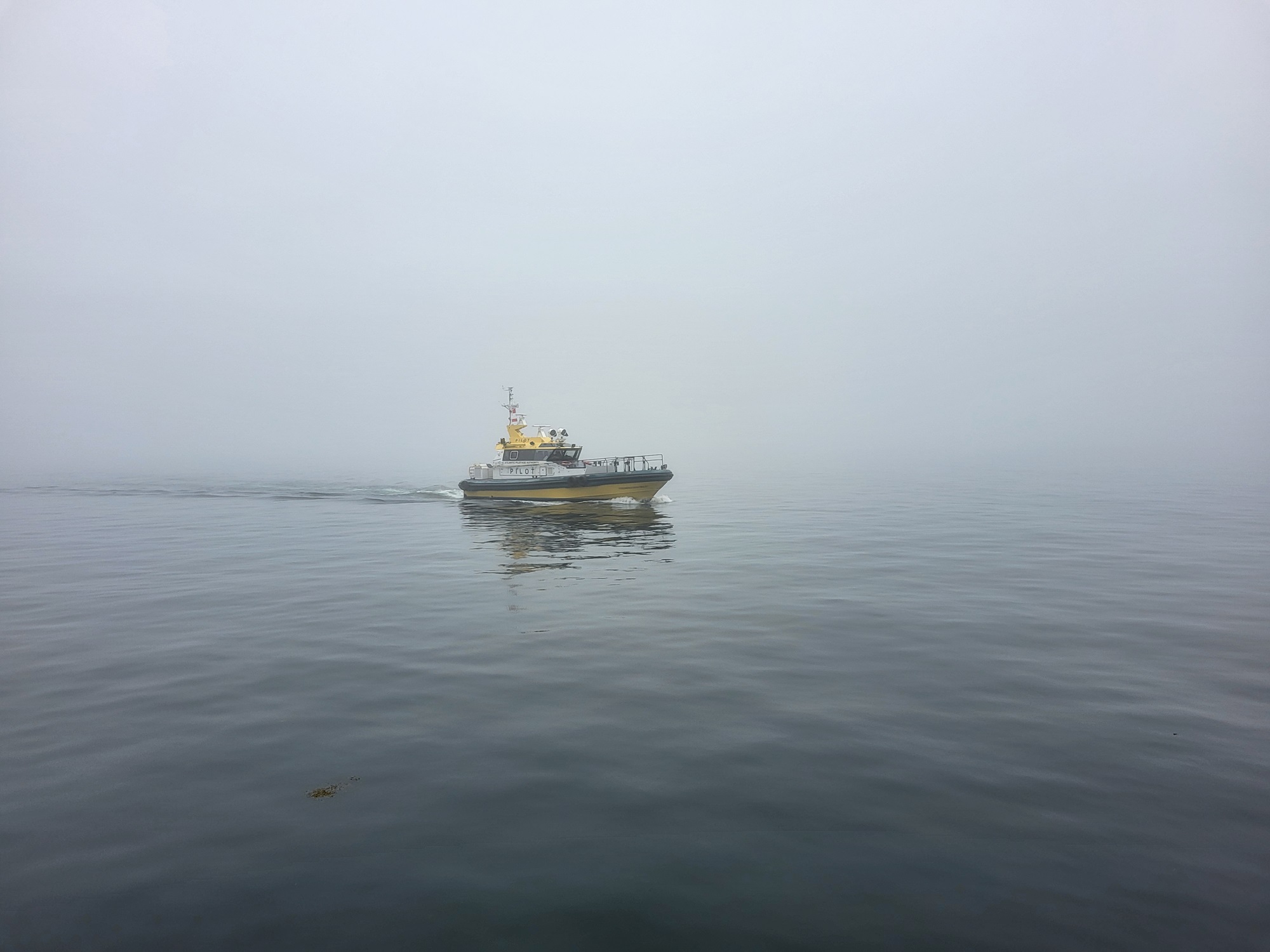
Fog is a concentration of atmospheric particles (usually minute water droplets or ice crystals) of sufficient density to reduce visibility. For practical purposes, in Canada, a reduction of visibility to 1,000–9,600 m is arbitrarily called mist; a reduction to under 1,000 m is called fog. In contrast, haze is a condition where such dry atmospheric particles as dust, ocean salt, natural oils from forest vegetation or forest-fire smoke are present in sufficient quantity to obscure vision. Near or downwind from industrial centres, combustion products such as smoke, soot, sulphuric and nitric oxides can combine with and acidify fog (see Acid Rain). The major centres in Canada that experience the most fog are St. John's, Nfld, with fog reported on an average of 126 days per year; Halifax, NS, with 74 days; and Vancouver, BC, with 62 days. Penticton, BC, receives the least fog, an average of 4 days per year. Argentia, Newfoundland, has the most fog of any place in Canada, with an average of 206 days per year.
"https://d3d0lqu00lnqvz.cloudfront.net/fog/fog-1.jpg" // resources/views/front/categories/view.blade.php
https://d3d0lqu00lnqvz.cloudfront.net/fog/fog-1.jpg